Spatial awareness Extra Challenge Grade 1 Math Worksheets
3 filtered results
-
From - To
Enhance your child's spatial reasoning with our Spatial Awareness Extra Challenge Grade 1 Math Worksheets. These engaging worksheets are designed to sharpen young learners' understanding of space, shapes, and relationships through fun and challenging activities. Perfectly aligned with first-grade standards, these exercises will boost your child's confidence and skills in geometry while providing an extra challenge to stimulate their intellectual growth. Ideal for homeschooling or supplementing classroom learning, our printable worksheets offer both education and excitement, paving the way for future math success. Unlock the world of spatial awareness with our expertly crafted, ready-to-use resources today!
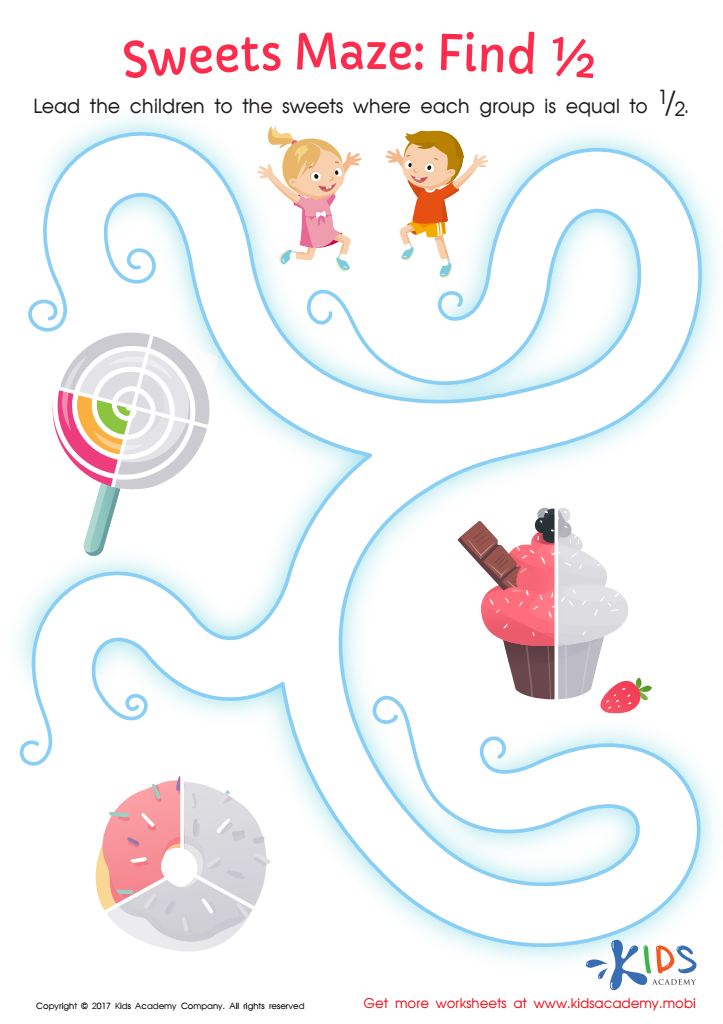
Fractions: Sweets Maze Worksheet
 Assign to My Students
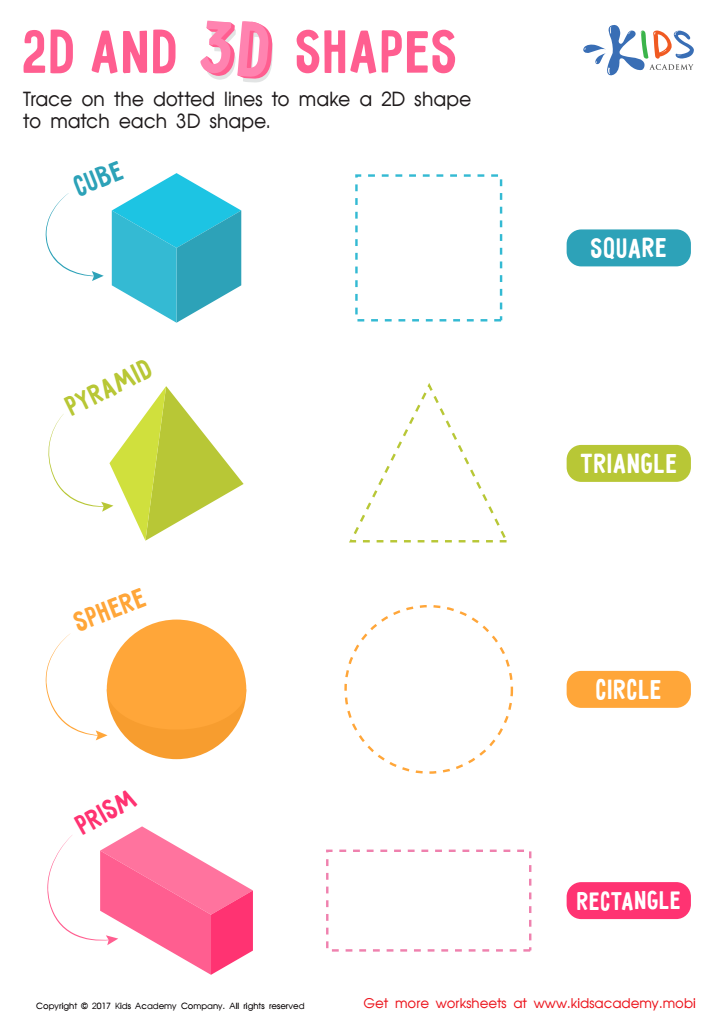
2D and 3D Shapes Worksheet
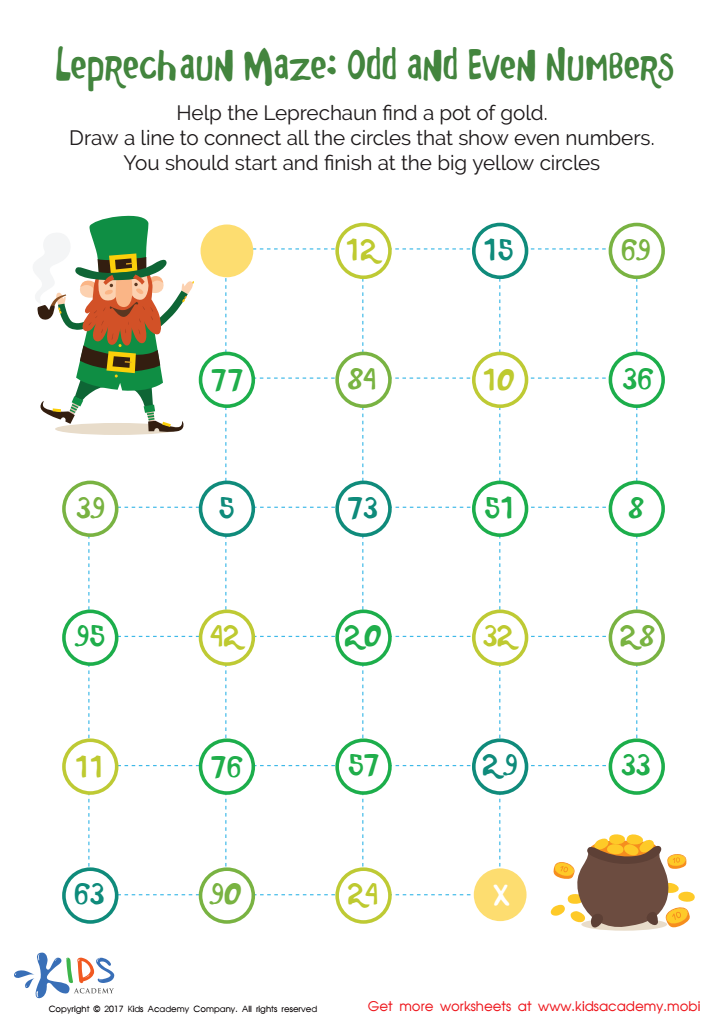
Leprechaun Maze Printable







Parents and teachers should prioritize spatial awareness in Grade 1 math because it is a foundational skill that significantly enhances a child's overall cognitive development. Spatial awareness involves understanding and remembering the relative positions of objects, which is essential not only for mathematics but also for subjects like science, art, and physical education.
For example, mastering spatial concepts helps children improve their ability to solve puzzles, understand maps, and grasp the properties of shapes. These competencies bolster problem-solving skills and encourage logical thinking, both of which are critical for academic growth. Additionally, spatial awareness is deeply connected to everyday activities, such as navigating space, understanding directions, or organizing tasks. Strengthening this skill early on can make these practical activities more manageable and less frustrating for young children.
Moreover, engaging in spatial awareness activities often involves manipulative and hands-on learning, promoting active engagement and making learning fun and interactive. This can foster a love for learning in general and mathematics in particular, reducing math anxiety and boosting confidence. Therefore, incorporating spatial awareness exercises in early grade math should be of great interest to both parents and teachers, as these activities build a crucial cognitive skill set that underpins future academic success and effective everyday functioning.