Alphabet Recognition Extra Challenge Kindergarten Alphabet Worksheets
3 filtered results
-
From - To
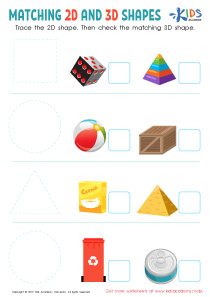
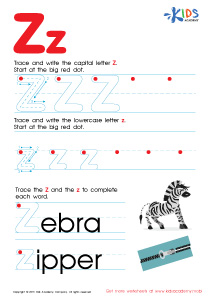
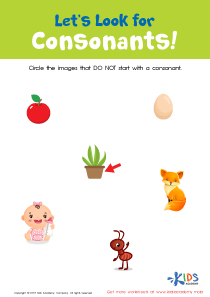
Unlock the joy of learning with our "Alphabet Recognition Extra Challenge Kindergarten Worksheets"! Designed for young learners, these engaging worksheets provide an exciting way for children to master letter recognition and develop foundational literacy skills. Featuring a variety of activities, from tracing and matching to creative coloring exercises, each worksheet reinforces alphabet knowledge in a fun and interactive manner. Ideal for home or classroom use, our worksheets cater to diverse learning styles, encouraging kids to explore letters through play. Empower your child’s early education journey with our thoughtfully crafted worksheets to build confidence and inspire a love for reading and writing!

Letter A Tracing Page
 Assign to My Students
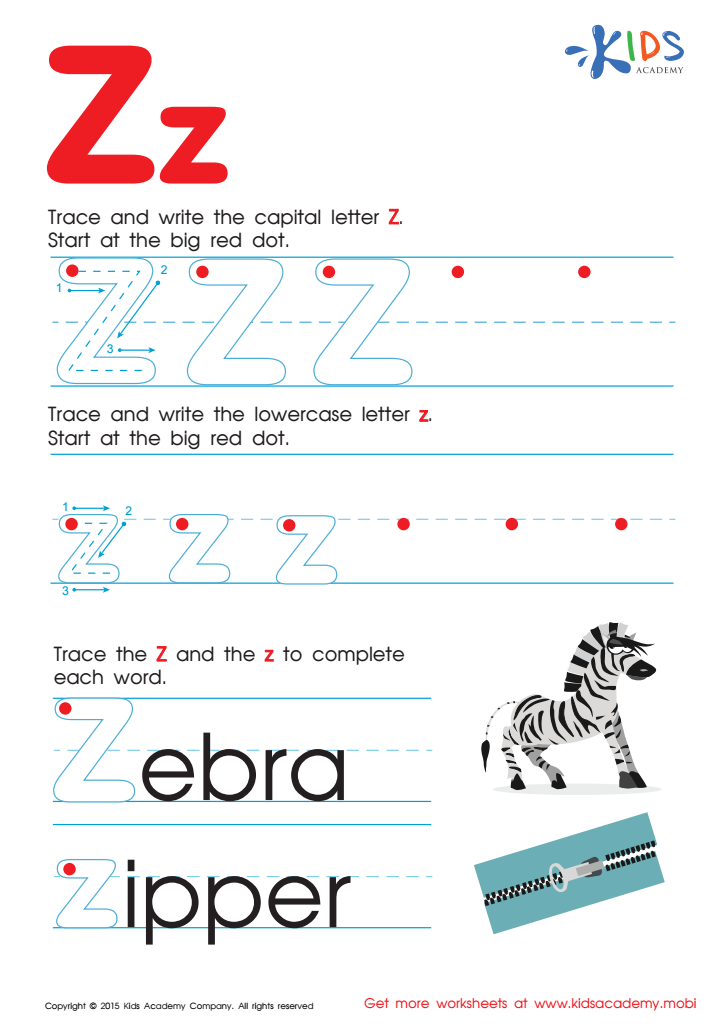
Letter Z Tracing Page
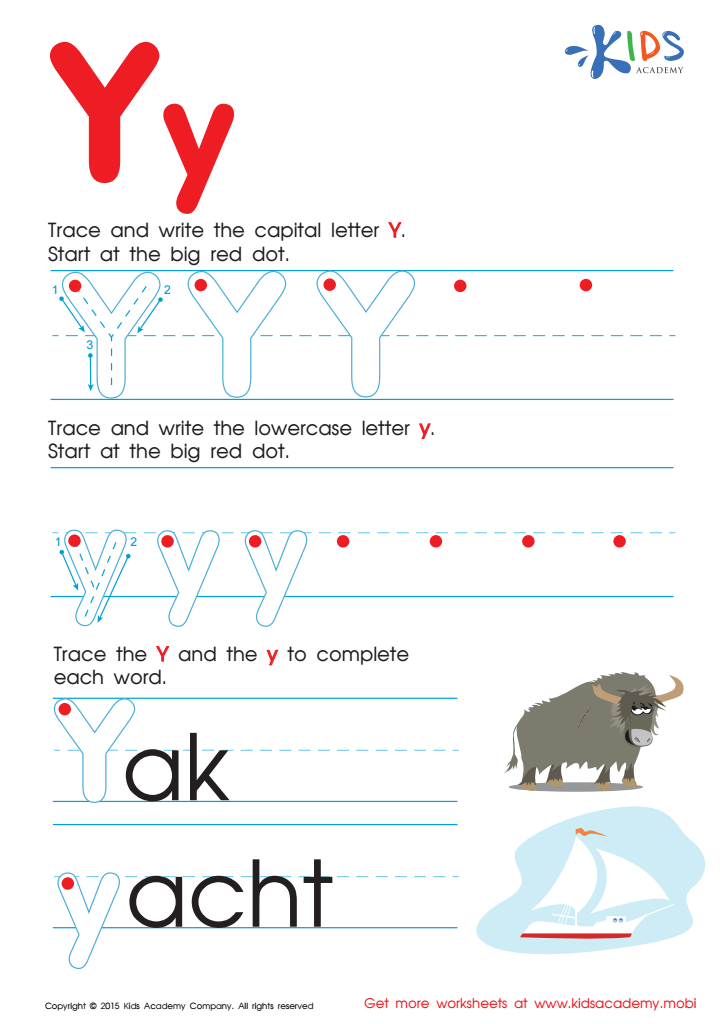
Letter Y Tracing Page








Alphabet recognition is a foundational skill in early literacy that significantly influences a child's future academic success. The "Alphabet Recognition Extra Challenge" program addresses this crucial aspect by encouraging young learners to become proficient in recognizing, naming, and writing letters. Parents and teachers should prioritize this initiative for several reasons.
Firstly, mastering the alphabet lays the groundwork for phonemic awareness, which is indispensable for reading and writing. Children who can identify letters are better equipped to associate them with corresponding sounds, facilitating successful reading and spelling strategies.
Secondly, this extra challenge caters to diverse learning needs by providing varied instructional strategies and activities that engage children. It not only reinforces recognition through repetition but also utilizes hands-on methods, effectively accommodating different learning styles.
Moreover, early mastery of the alphabet boosts children's confidence, fostering a positive attitude toward reading and learning. As they feel accomplished in this skill, their enthusiasm can lead to increased engagement with books and reading activities.
Lastly, parents and teachers play a pivotal role in nurturing alphabet recognition through ongoing support and reinforcement, making it a shared commitment for developing literacy skills essential for lifelong learning. Investing in this foundational challenge can set children on a path of academic achievement and enduring love for learning.