Vowel Recognition Extra Challenge Kindergarten Long Vowels Worksheets
3 filtered results
Difficulty Level
Grade
Age
-
From - To
Subject
Activity
Standards
Enhance your kindergarten classroom with our "Vowel Recognition Extra Challenge Worksheets," designed specifically for reinforcing long vowel sounds. These engaging and interactive worksheets provide an excellent opportunity for young learners to identify, practice, and apply their understanding of long vowels in various contexts. By incorporating fun activities, such as word searches, matching exercises, and fill-in-the-blanks, these worksheets keep students motivated while sharpening their vowel recognition skills. Perfect for both classroom and at-home practice, these resources align with educational standards and support early literacy development. Help your children become confident readers and build a strong foundation in language with these enjoyable worksheets!
Favorites
With answer key
Interactive
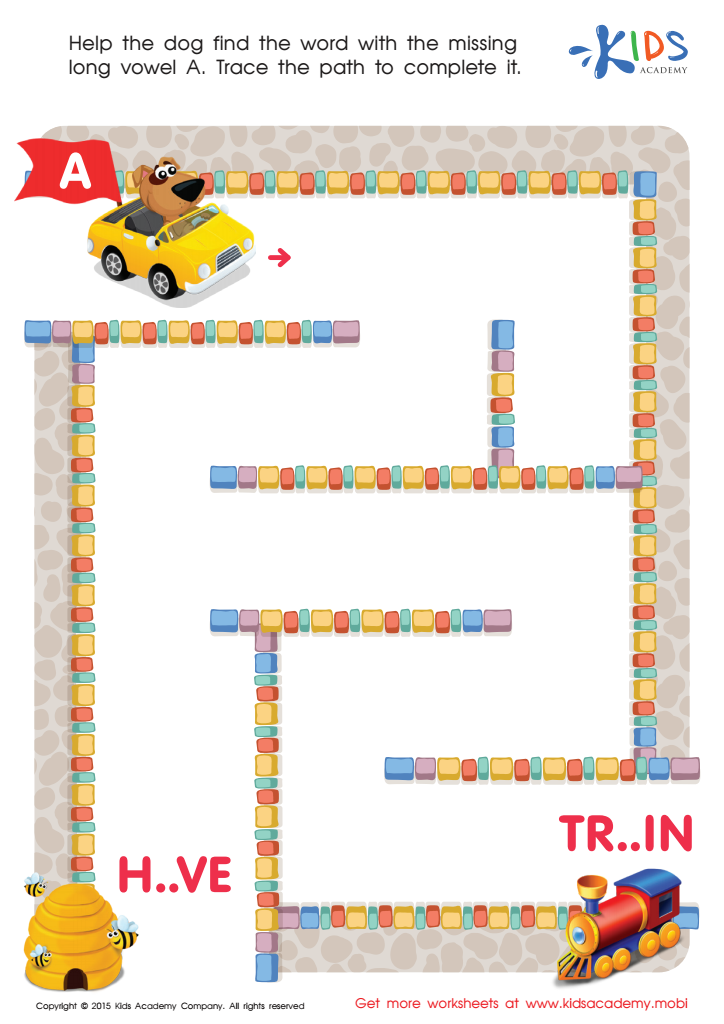
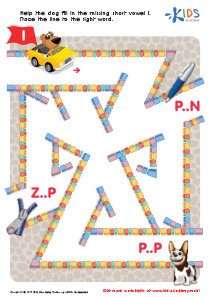
Long Vowel Sound A Worksheet
Teach your young learner about the long vowel A with this colorful free printable phonics worksheet. The long vowel A says its name while the short vowel A does not. Complete the worksheet by tracing the root to the toy train and helping the dog by filling in the missing letter A. Have them practice writing and spelling with phonics while having fun!
 Assign to My Students
Long Vowel Sound A Worksheet
Worksheet
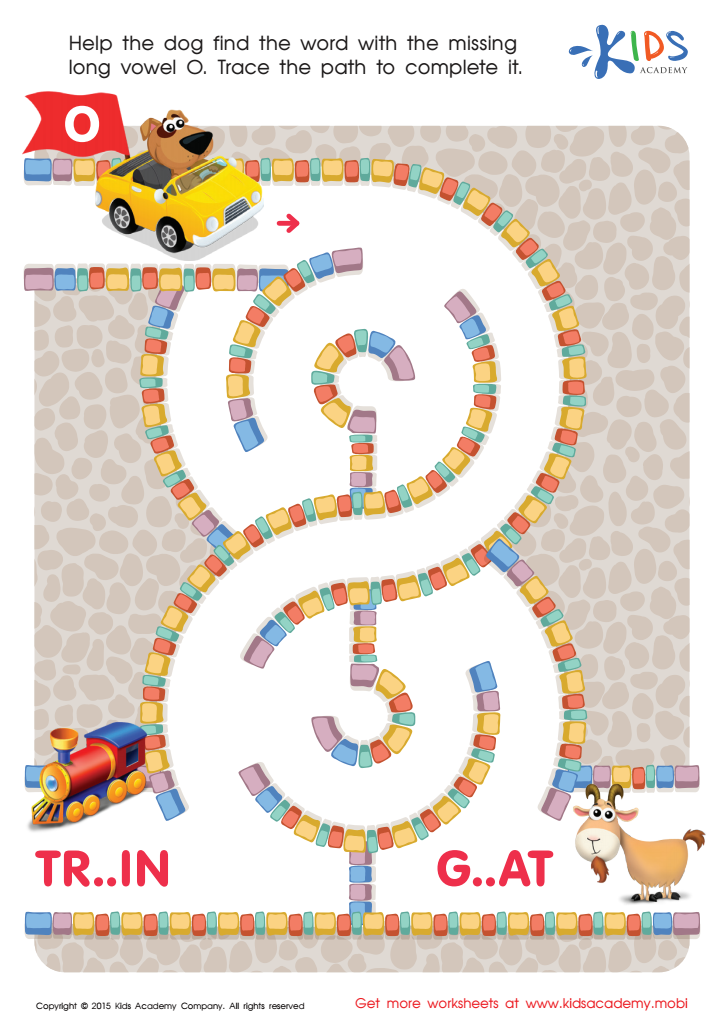
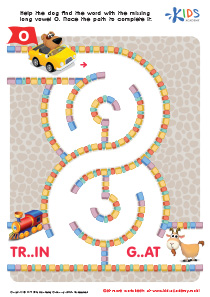
Long Vowel Sound O Worksheet
Help the goat find her missing O! Guide your little learner through this fun maze to help the goat get its vowel sound back. Make phonics learning engaging and enjoyable with this free printable worksheet.
Long Vowel Sound O Worksheet
Worksheet
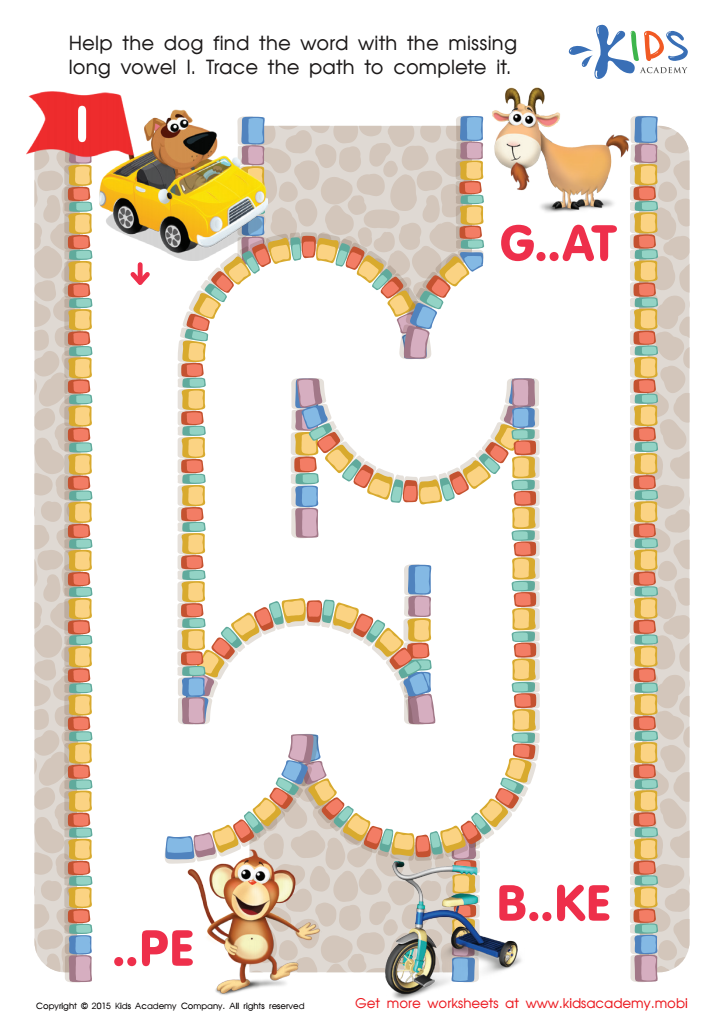
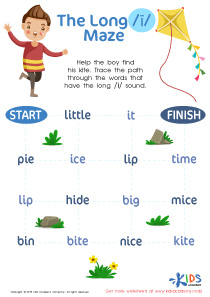
Long Vowel Sound I Worksheet
Learning long vowels is essential to becoming a good reader. Ask your child to distinguish between the long and short I vowel sounds. Remind them that the long I says its name, while the short I doesn't. With this fun printable phonics worksheet, your kid can practice writing and spelling while helping a dog find his way through a maze. Check out our phonics worksheets for more learning activities.
Long Vowel Sound I Worksheet
Worksheet
Join Kids Academy for Free
Who is primarily going to use this learning content?



Vowel recognition is a critical foundational skill in early literacy development, particularly in kindergarten where children begin to explore the intricacies of language. Understanding long vowels is essential, as they can dramatically influence pronunciation and meaning in words. For parents and teachers alike, placing emphasis on long vowels helps children not only decode words but also become confident readers and communicators.
Recognizing long vowels supports phonemic awareness, a precursor to reading success. When children can differentiate between short and long vowel sounds, it enhances their ability to sound out unfamiliar words and contributes to stronger reading fluency. Furthermore, mastering long vowels allows for better spelling skills and aids in vocabulary development, providing children with a richer linguistic environment.
Engaging students in extra challenges centered around long vowels fosters a love for reading and empowers them with critical thinking and problem-solving skills. It also helps them to develop a keener understanding of language structure, which can be beneficial across all subjects. By investing time in vowel recognition, parents and teachers play a vital role in laying a solid foundation for lifelong learning, ensuring that children are well-equipped for future academic challenges and communication effectively throughout their lives.