Fine Motor Skills Extra Challenge Kindergarten Numbers Worksheets
14 filtered results
-
From - To
Boost your child's fine motor skills with our engaging "Fine Motor Skills Extra Challenge Kindergarten Numbers Worksheets." Designed specifically for young learners, these worksheets offer a fun way to blend number recognition with essential motor development. Featuring exciting activities such as tracing, coloring, and cutting, each worksheet promotes hand-eye coordination, dexterity, and confidence in writing. Our extra challenges are perfect for keeping little hands busy while reinforcing fundamental math concepts. Ideal for classroom settings or home practice, these worksheets provide a valuable resource for early educators and parents looking to foster a more hands-on approach to learning numbers. Explore the collection today!
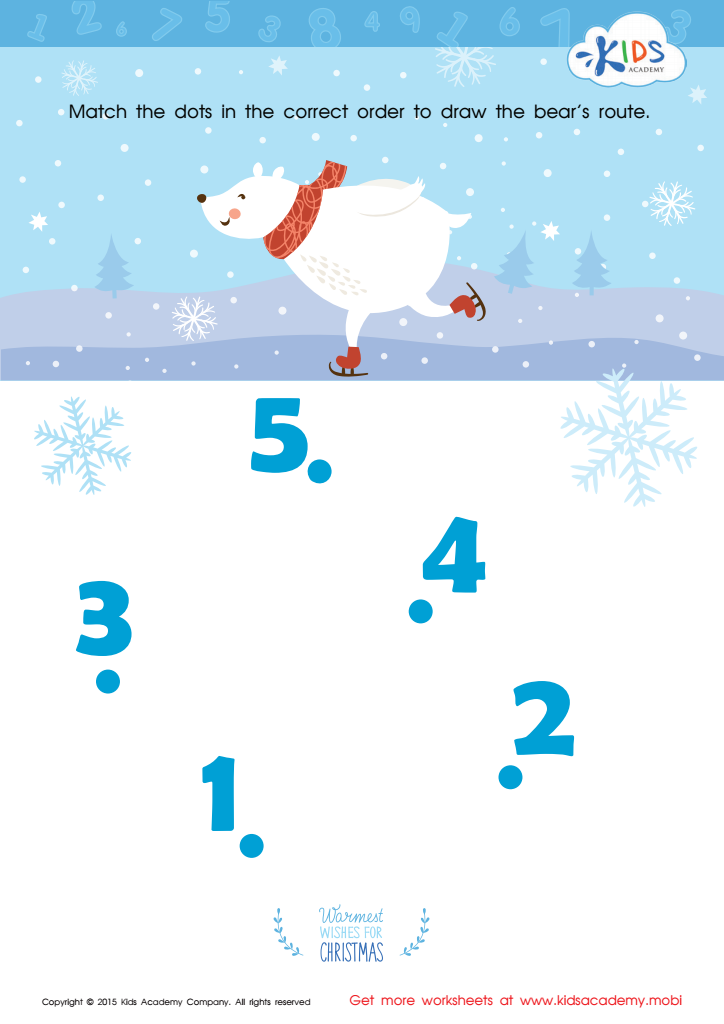
Drawing the Bear's Route by Number Worksheet
 Assign to My Students
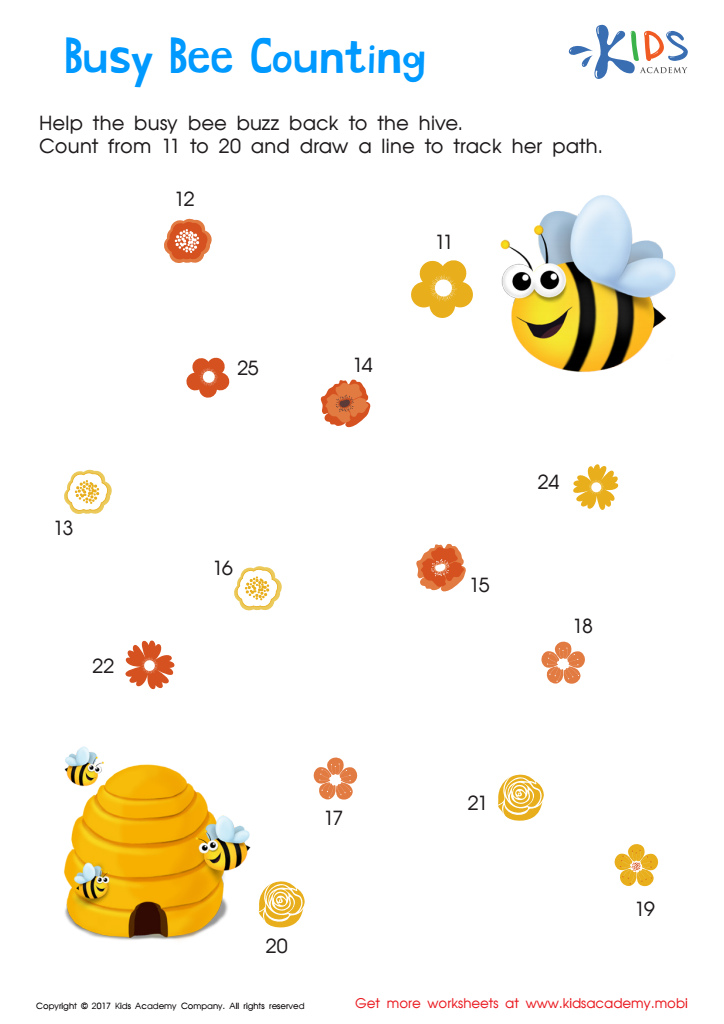
Ordering 11–20: Busy Bee Counting Worksheet
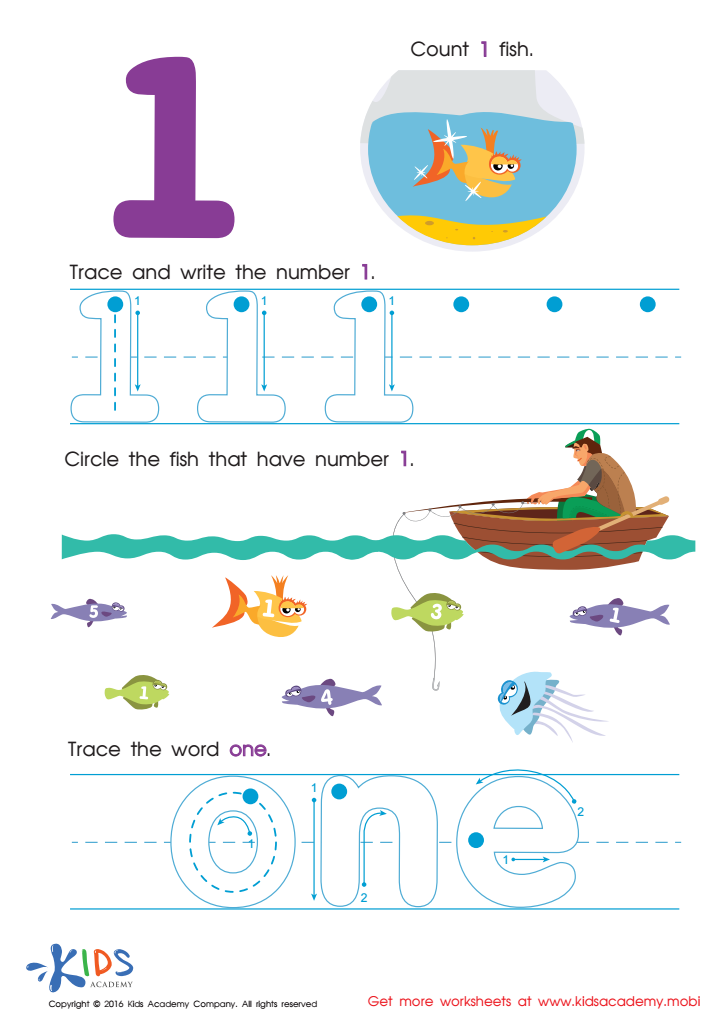
Learning to Write 1 Worksheet

Apple Tree Counting Worksheet
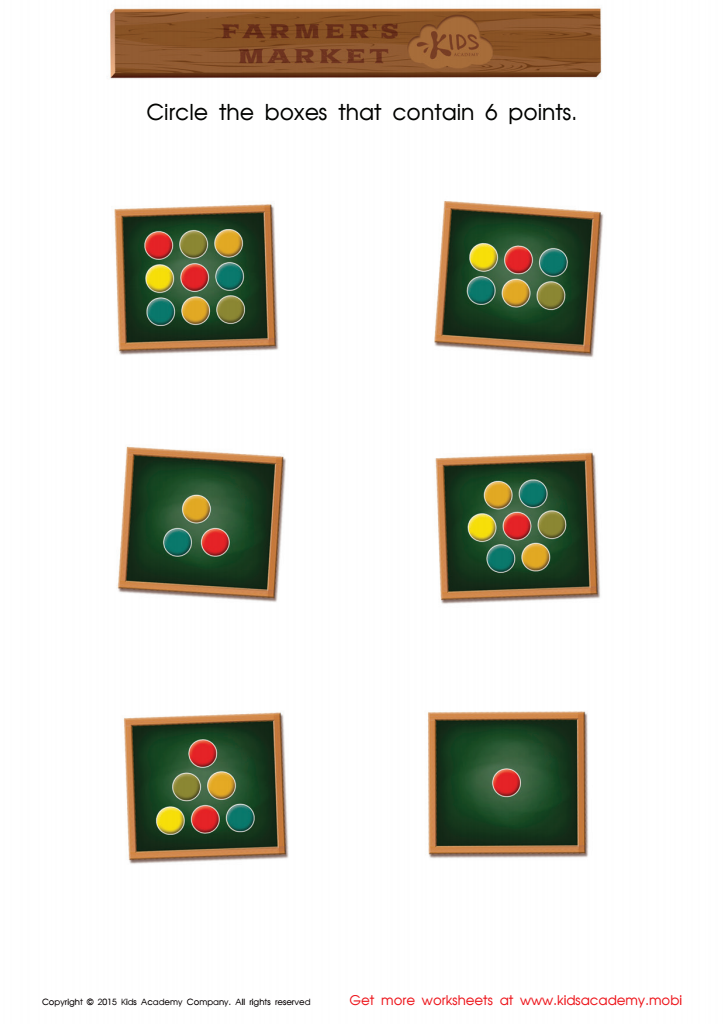
Count and Match Points 6 Math Worksheet

Learn Number For Kindergarten Worksheet
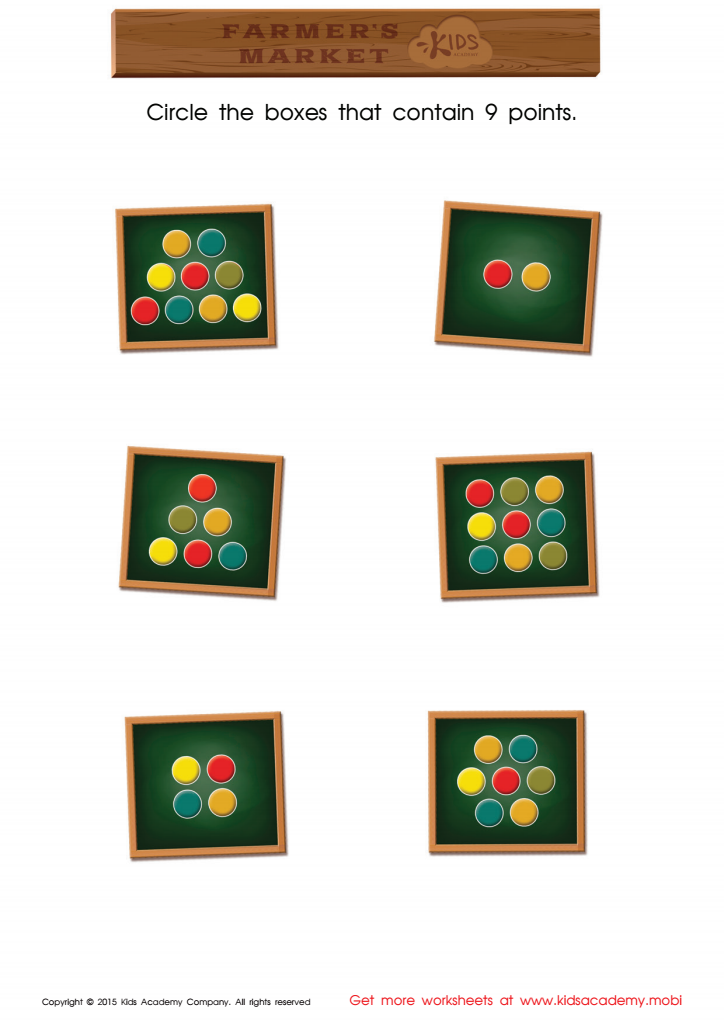
Count and Match Points 9 Math Worksheet
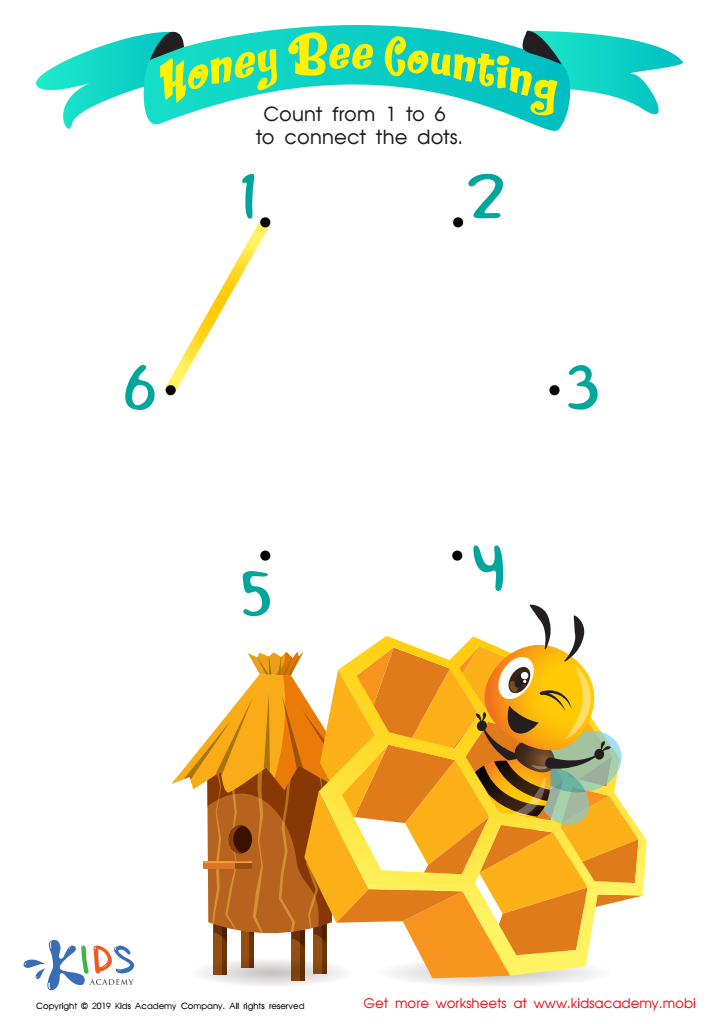
Honey Bee Counting Worksheet
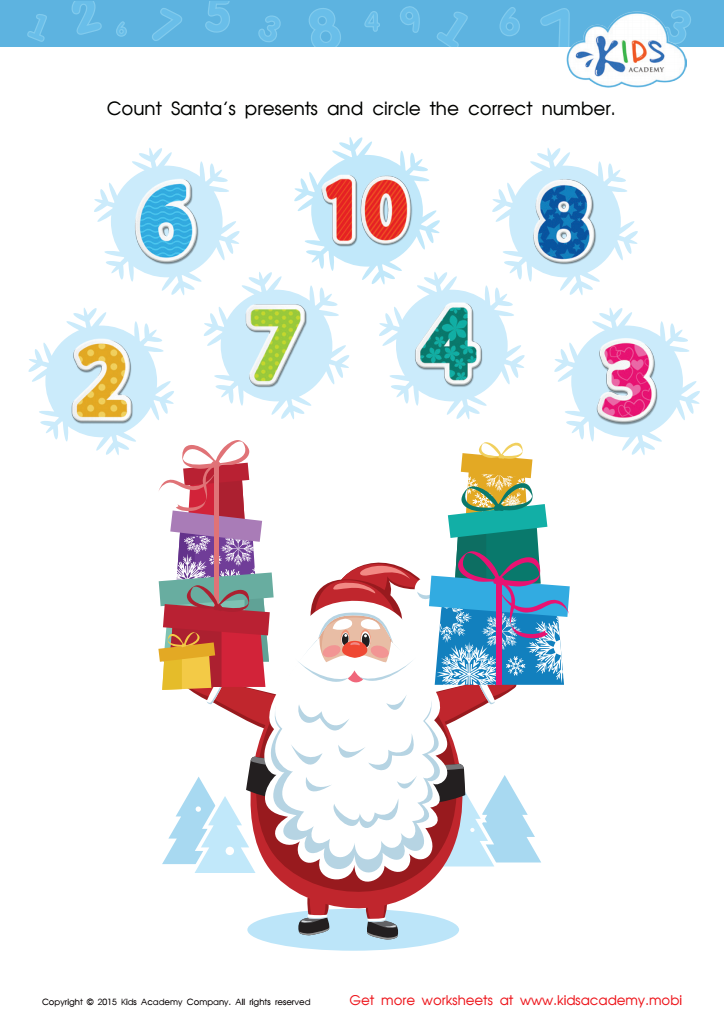
Count Santa's Presents Worksheet
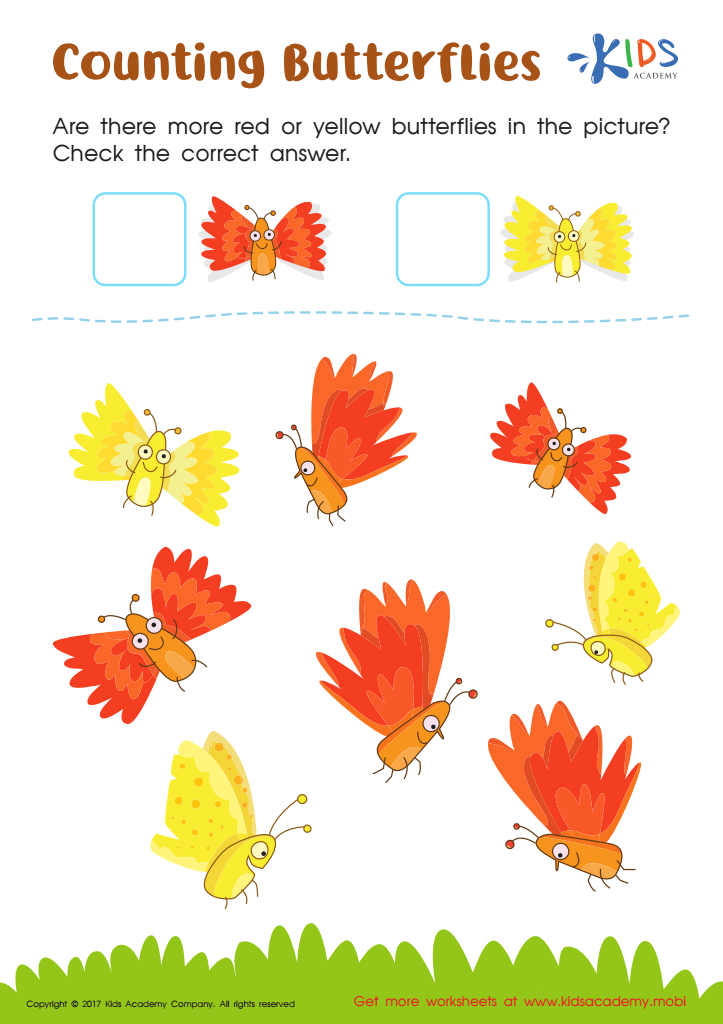
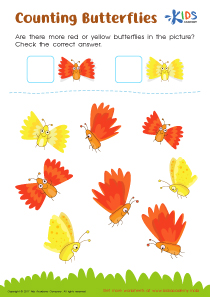
Counting Butterflies Worksheet

Pirate Ship Connect Dots Worksheet
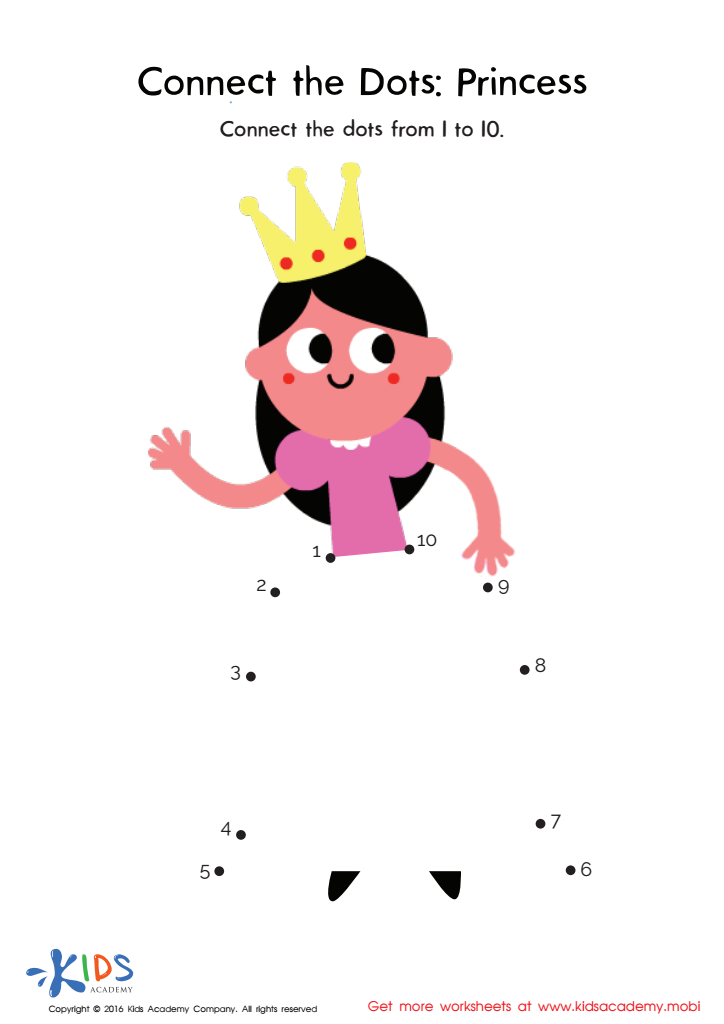
Princess Connect Dots Worksheet
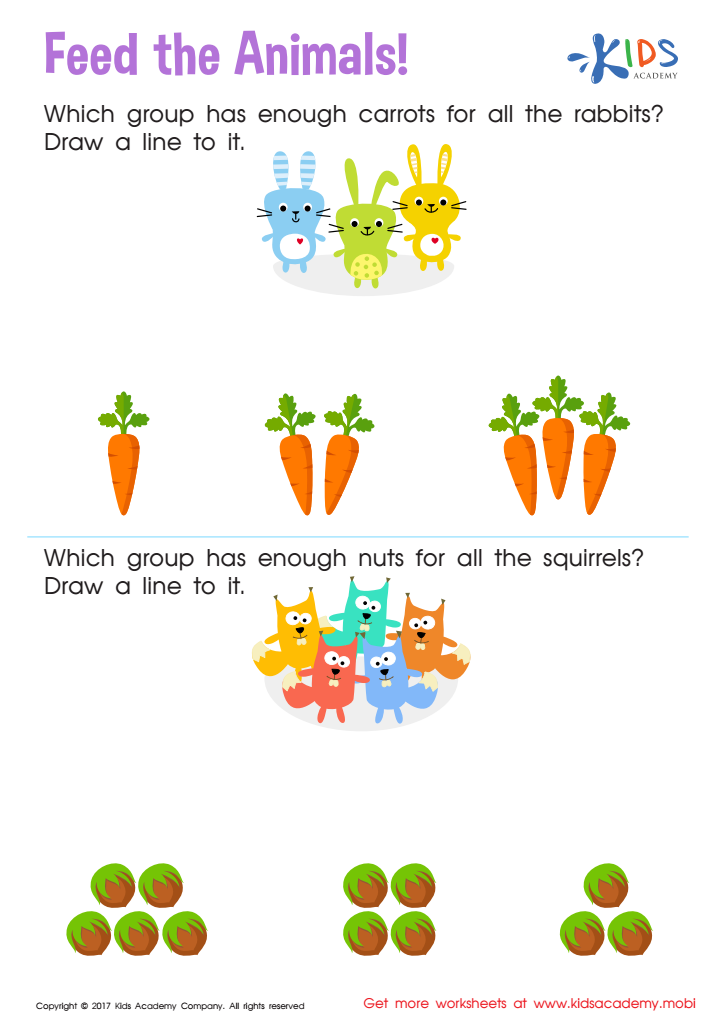
Count and Match: Feed the Animals Worksheet








Fine motor skills are crucial for young children as they form the foundation for many everyday tasks and academic success. In the kindergarten years, these skills involve coordination of small muscles in hands and fingers, which are essential for activities such as writing, using scissors, and even tying shoelaces. Incorporating fine motor skill challenges into Kindergarten, particularly in subjects like numbers, can significantly enhance a child's learning experience.
Fine motor activities help children develop precision and control, essential for number writing and manipulation of objects like counters or clay for counting exercises. Engaging in these challenges allows children to build confidence and express creativity while they learn concepts that are vital for their mathematical development. When parents and teachers emphasize fine motor skills, they provide children with the tools they need to successfully interact with their environment, paving the way for future learning and independence.
Additionally, these skills contribute to cognitive development. As children practice fine motor tasks, they engage in problem-solving and critical thinking, which are vital for later academic success. By prioritizing fine motor skills in early education, parents and teachers are setting a strong foundation for lifelong learning and helping children develop into competent, confident individuals.