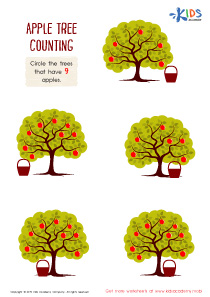
Matching skills Extra Challenge Kindergarten Math Worksheets
3 filtered results
-
From - To
Unlock your child's full potential with Matching Skills Extra Challenge Kindergarten Math Worksheets from Kids Academy! Perfect for eager minds craving more, these advanced worksheets make learning fun by focusing on critical thinking and problem-solving. Through engaging activities like matching numbers, shapes, and patterns, your child will boost essential math skills while fostering creativity and patience. Designed by educators, these worksheets are ideal for extending classroom lessons or enhancing home study. Give your kindergartner the extra edge they need with our expertly crafted, challenging math worksheets. Build a love for learning that lasts a lifetime!
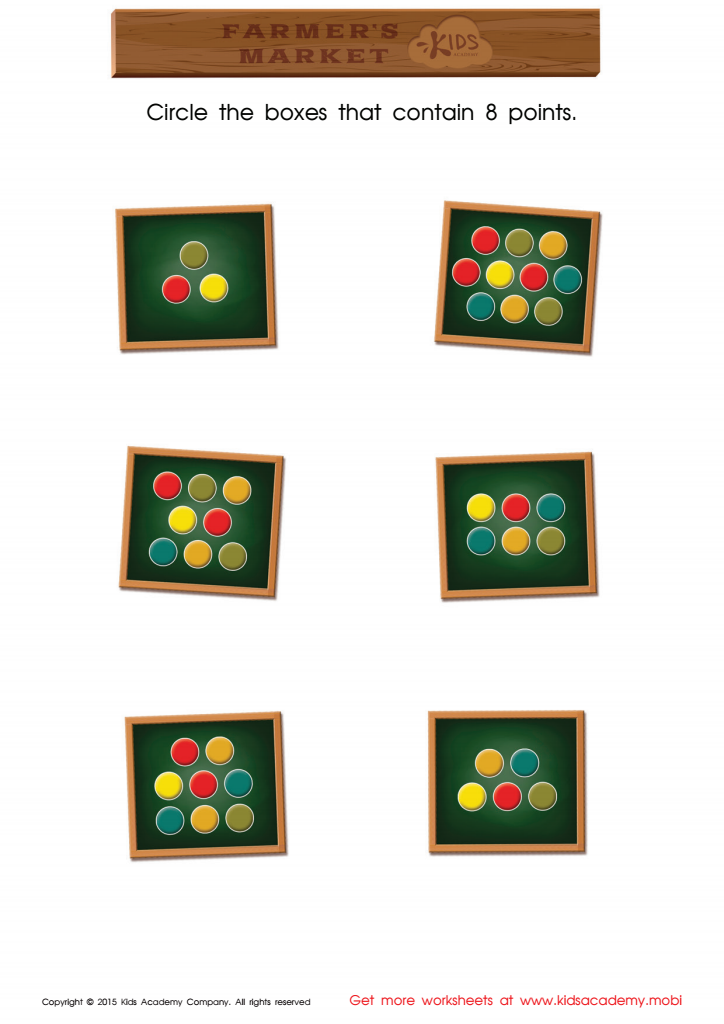
Count and Match Points 8 Math Worksheet
 Assign to My Students
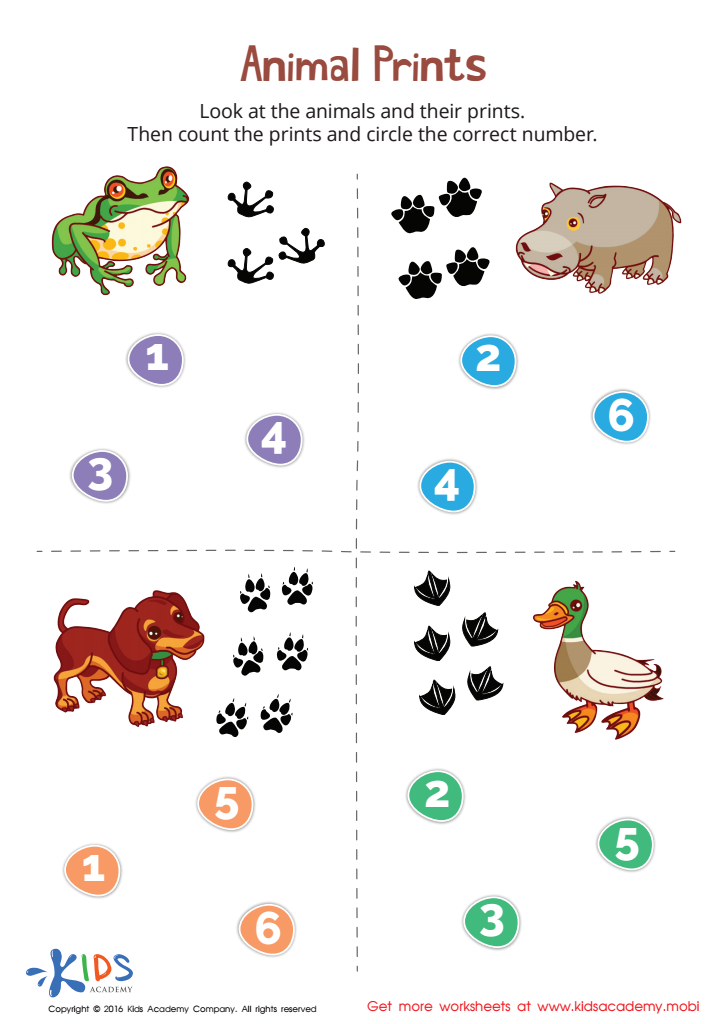
Animal Prints Match-Up Worksheet
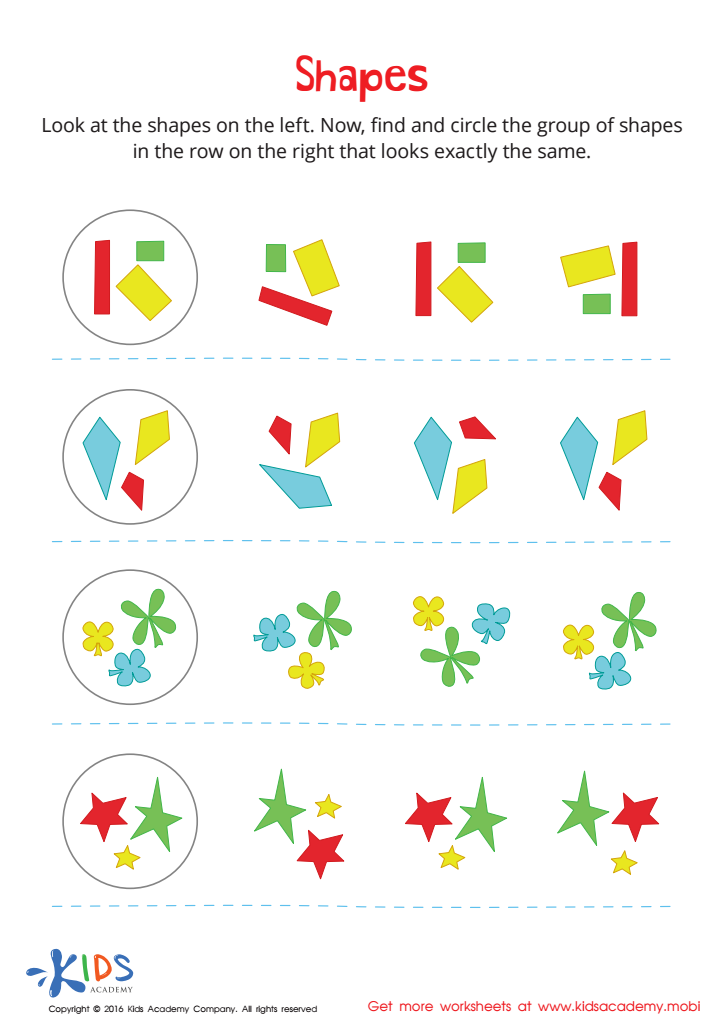
Shapes Worksheet





.jpg)


Parents and teachers should care about Matching Skills Extra Challenge in Kindergarten Math as it significantly bolsters foundational cognitive abilities critical for early learning. At this formative stage, children are developing essential skills like attention to detail, pattern recognition, and logical thinking. Engaging in matching activities challenges young minds to identify similarities and differences between objects or numbers, thereby enhancing their visual and spatial skills.
These skills are not only fundamental for math but for overall academic and personal growth. When children compare and contrast items, they are practicing classification—a skill that underpins subjects like science and reading. Matching activities encourage children to look closely and think critically, laying groundwork for problem-solving abilities. This boosts their confidence and curiosity, fostering a love for learning that transcends the classroom.
Additionally, such activities can cater to various learning styles and can be adapted to be more challenging or supportive, depending on each child's needs. They provide opportunities for one-on-one interaction, allowing teachers and parents to give immediate feedback and encouragement, thus nurturing a positive learning environment. Ultimately, focusing on matching skills in kindergarten math equips children with critical cognitive tools, setting them up for future academic success and lifelong learning.