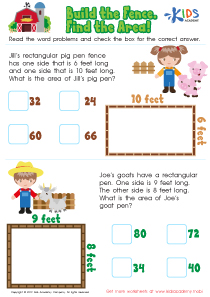
Number Recognition Extra Challenge Numbers Worksheets
36 filtered results
-
From - To
Enhance your child's learning with our "Number Recognition Extra Challenge Numbers Worksheets"! Designed for early grades, these engaging worksheets help students practice and master number recognition in a fun way. Each worksheet features a variety of exercises, from identifying numbers to coloring challenging patterns, ensuring that your child grows confident in their mathematical skills. Perfect for reinforcing classroom lessons or for extra practice at home, these worksheets are suitable for diverse learning styles. Encourage your young learners to explore numbers creatively while building a solid foundation in math. Download now and watch their confidence soar!
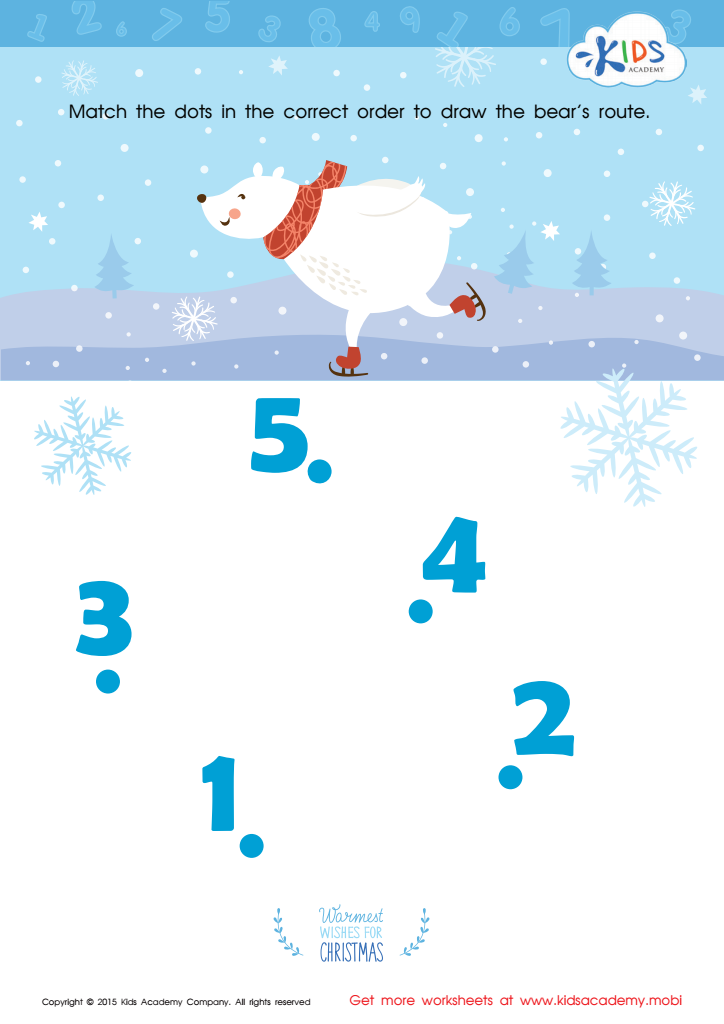
Drawing the Bear's Route by Number Worksheet
 Assign to My Students
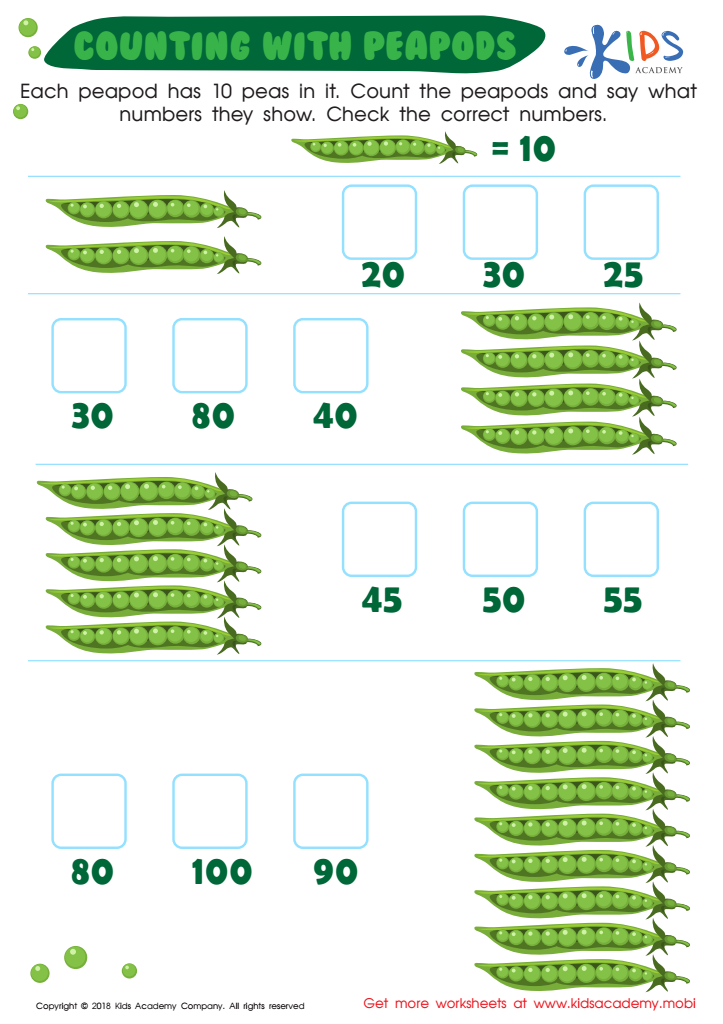
Number Worksheet: Counting With Peapods
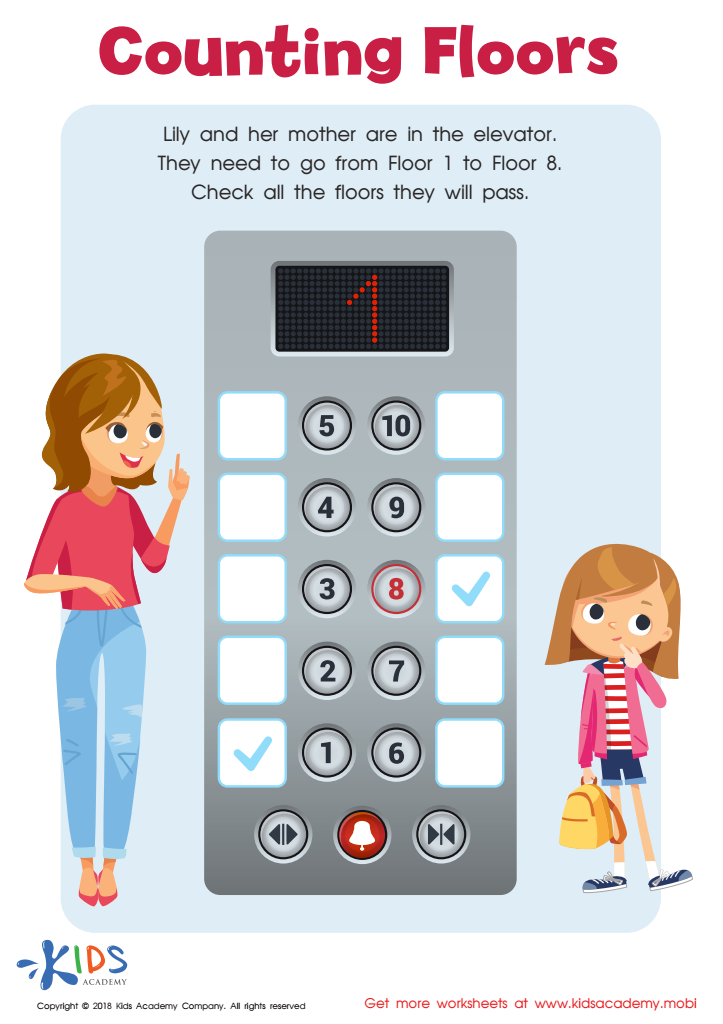
Counting Floors Worksheet
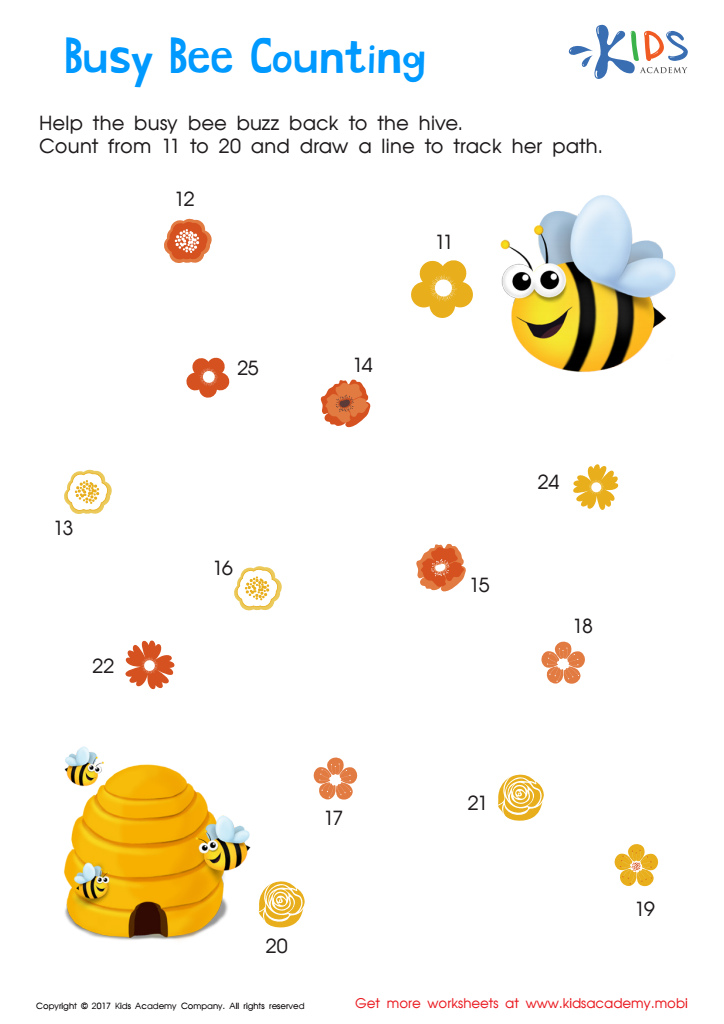
Ordering 11–20: Busy Bee Counting Worksheet
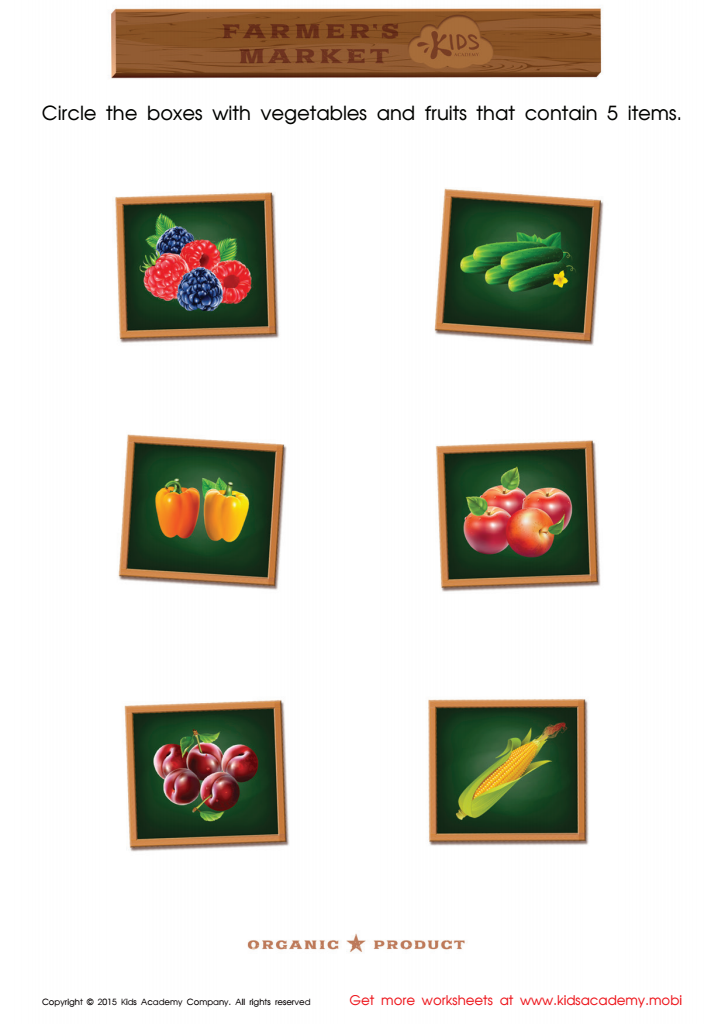
Count and Match Vegetables 1 – 7 Math Worksheet
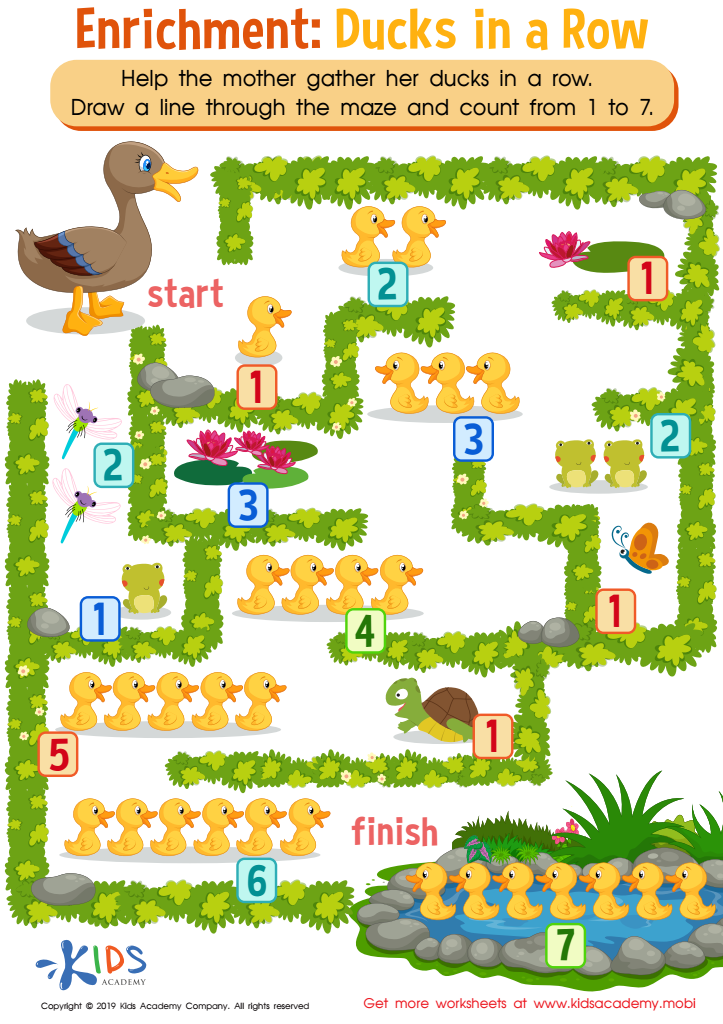
Ducks in a Row Worksheet
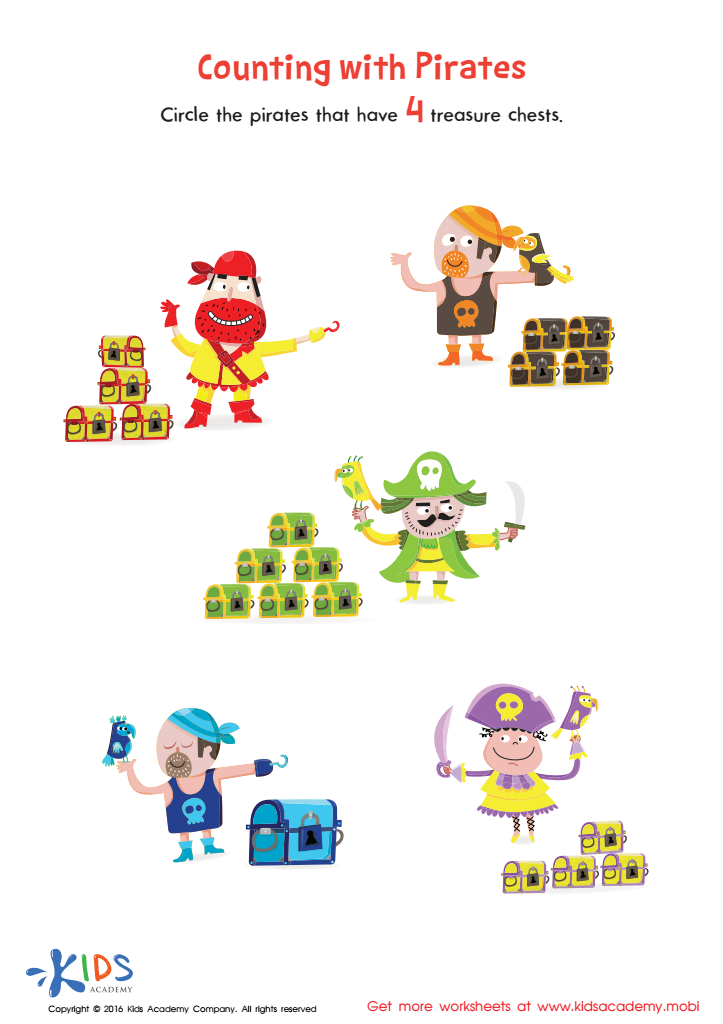
Counting With Pirates Worksheet
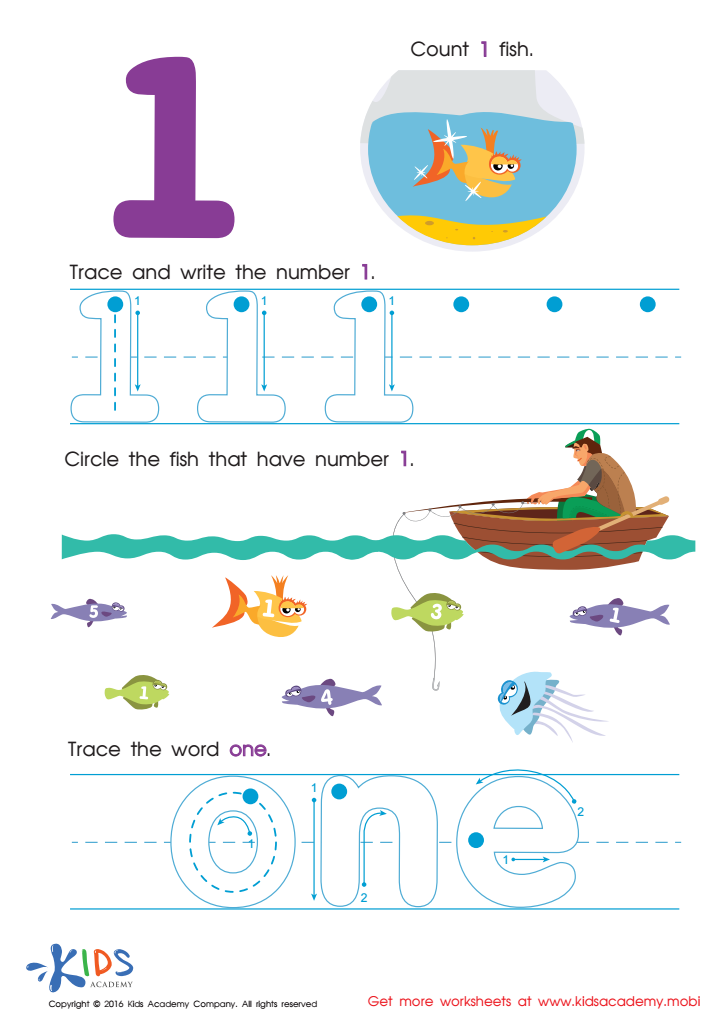
Learning to Write 1 Worksheet
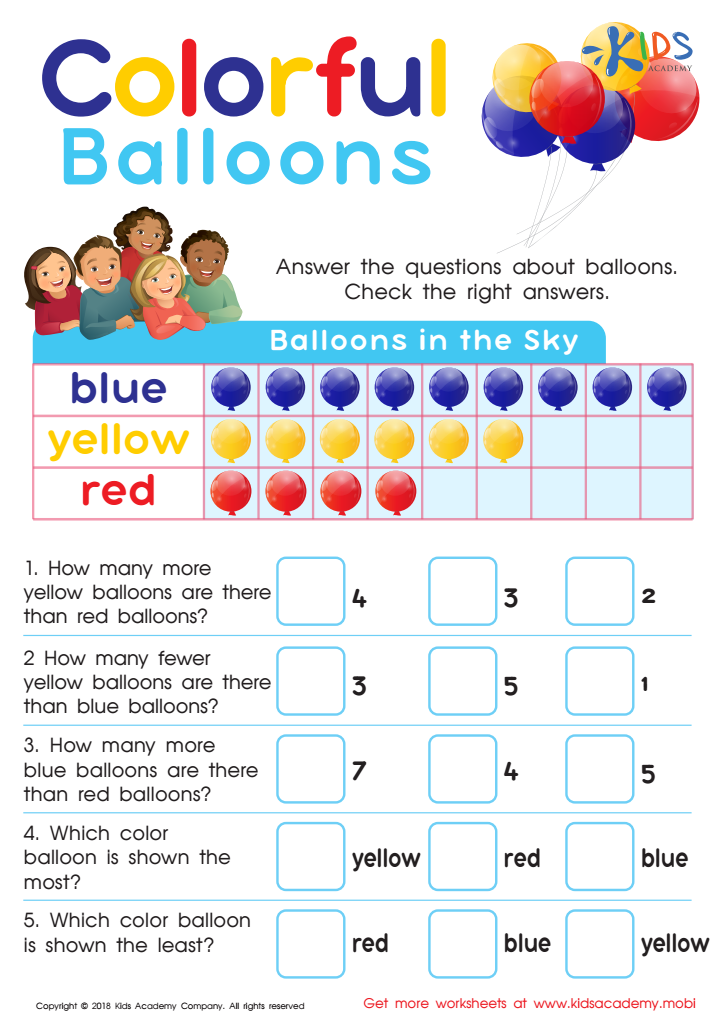
Picture Graphs: Colorful Balloons Worksheet
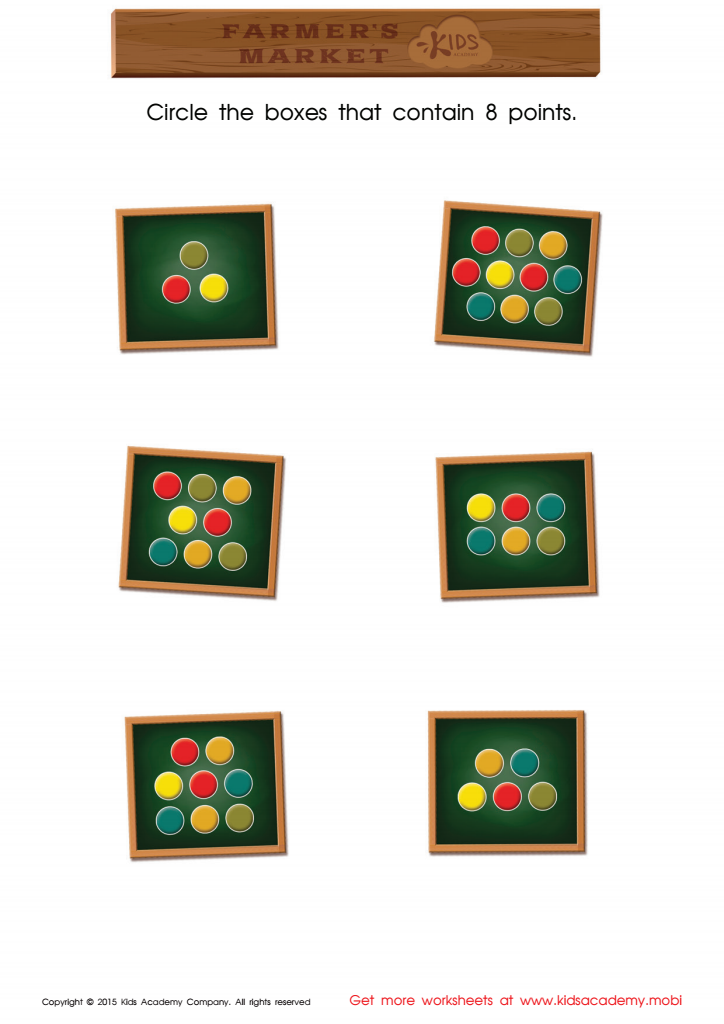
Count and Match Points 8 Math Worksheet
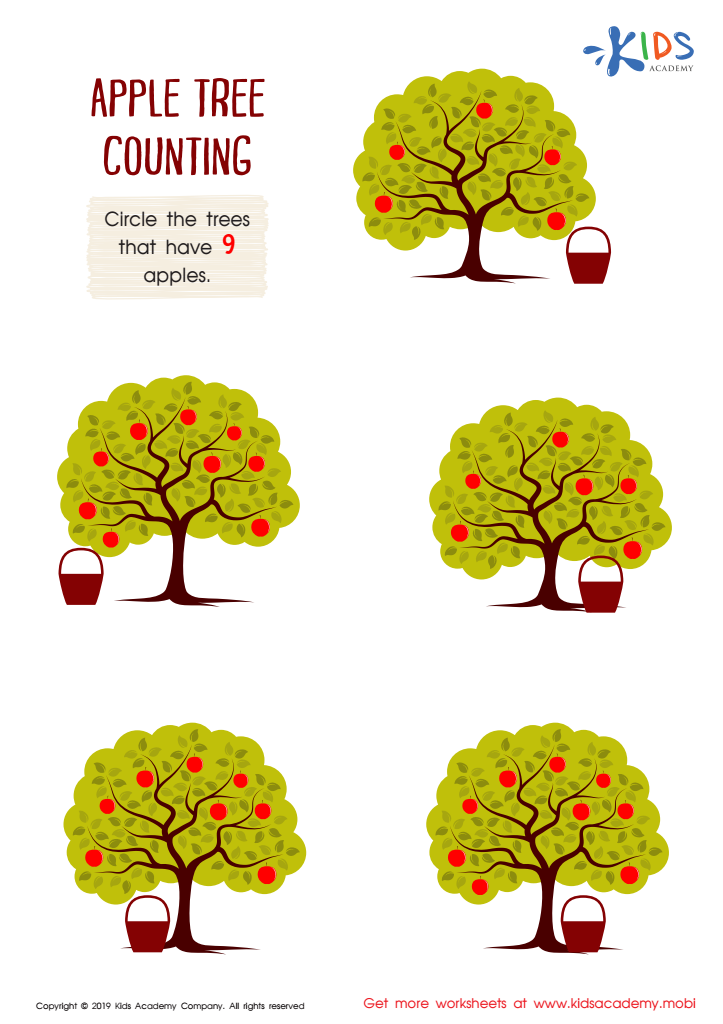
Apple Tree Counting Worksheet
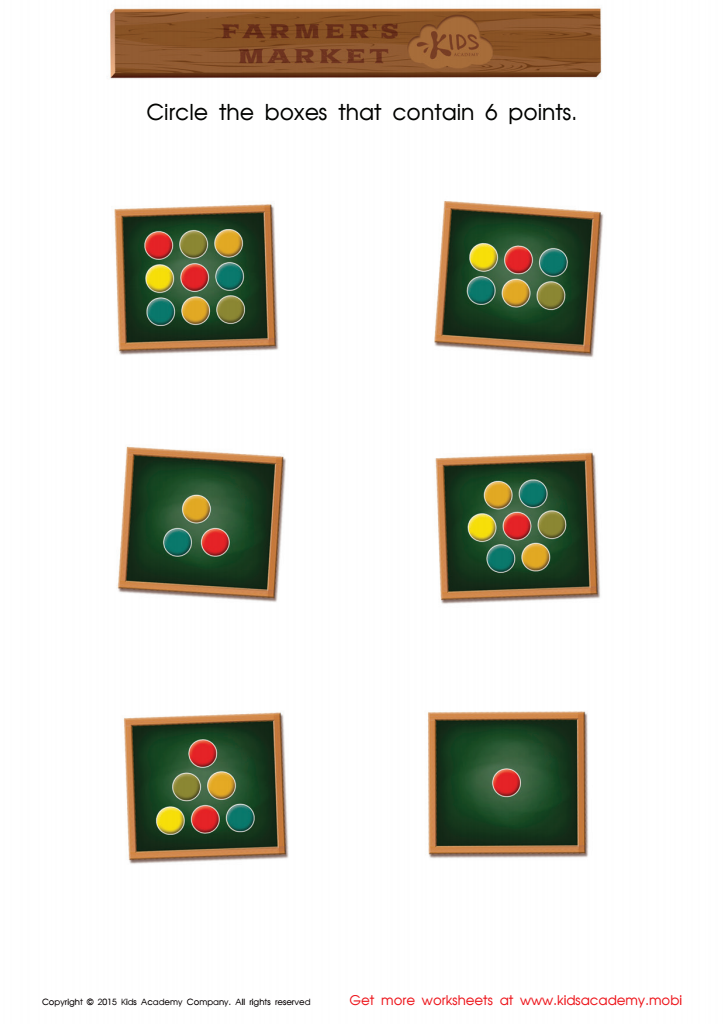
Count and Match Points 6 Math Worksheet
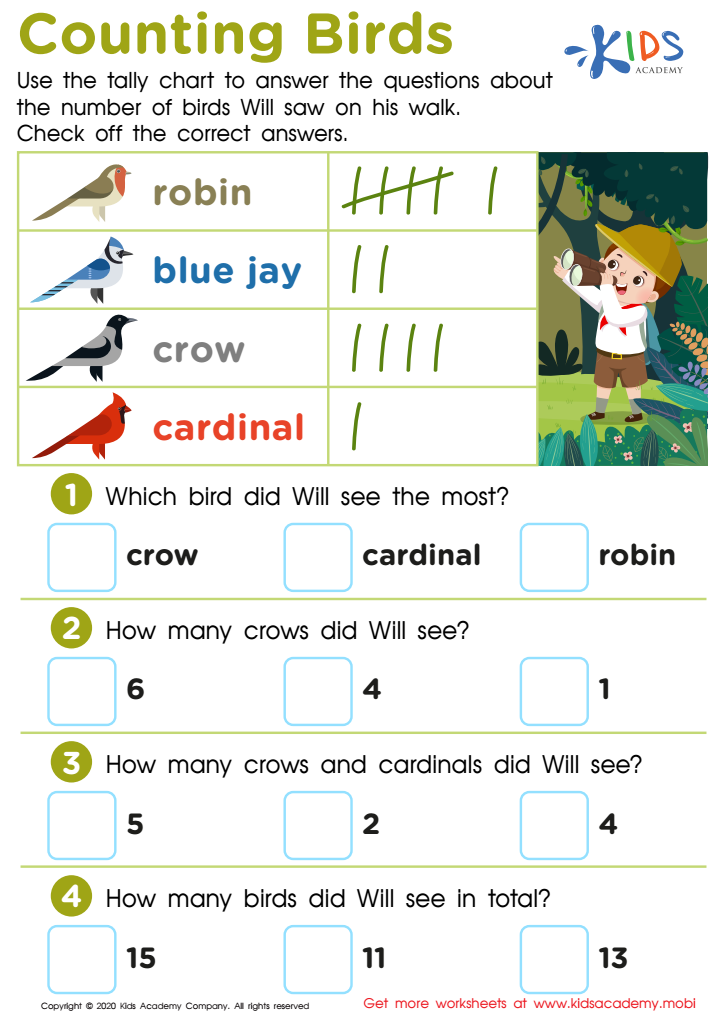
Counting Birds Worksheet
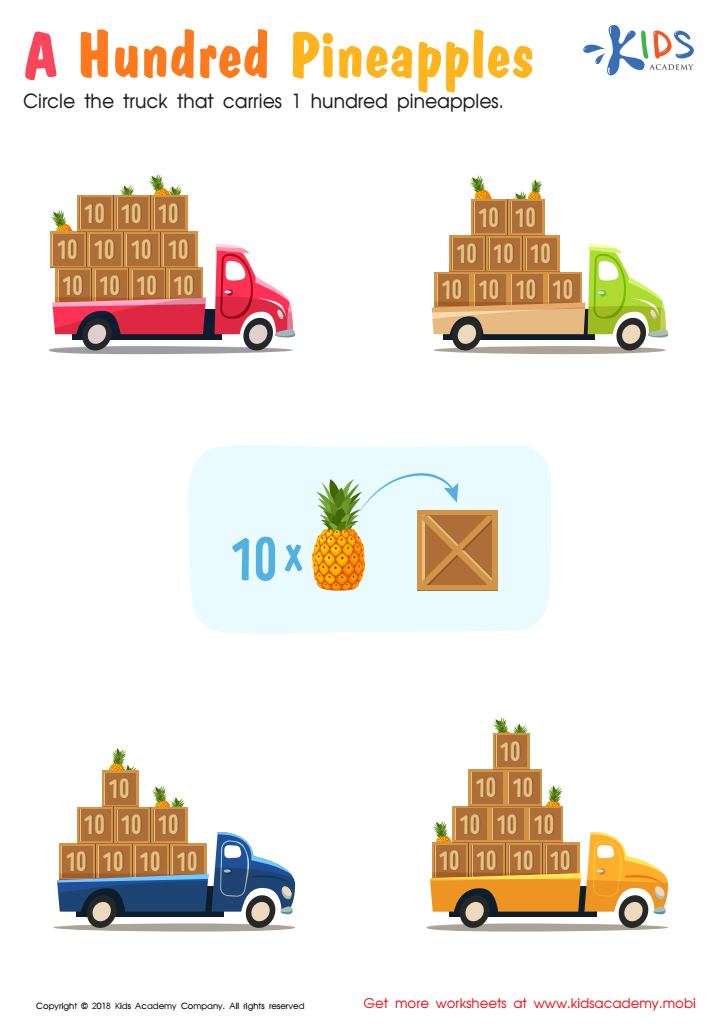
A Hundred Pineapples Worksheet
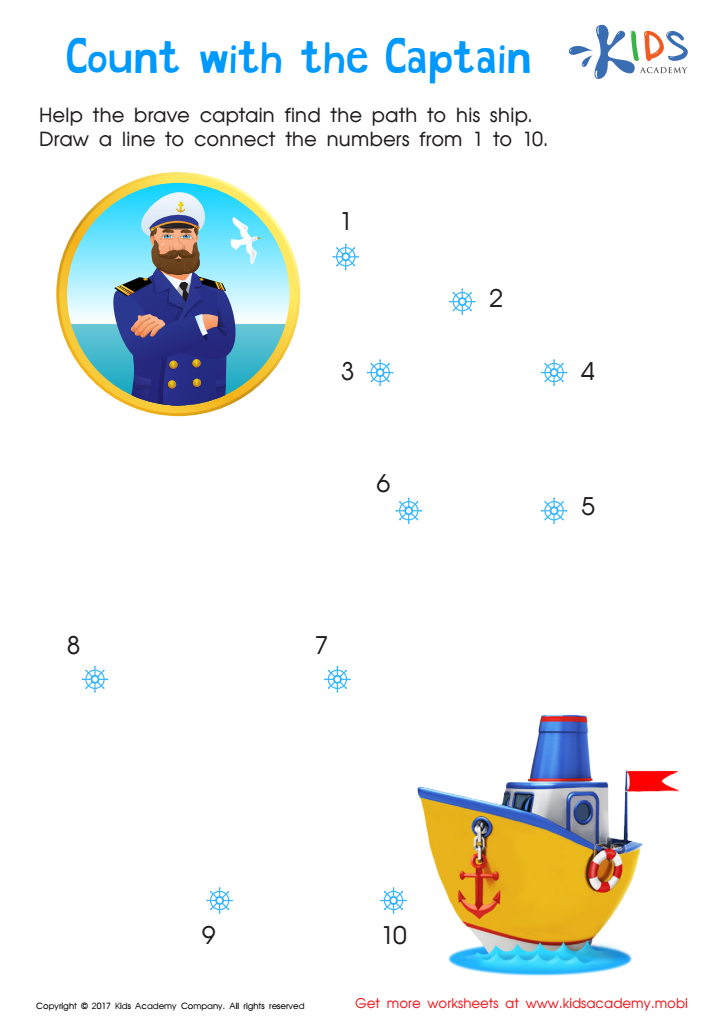
Count with the Captain Connect Dots Worksheet
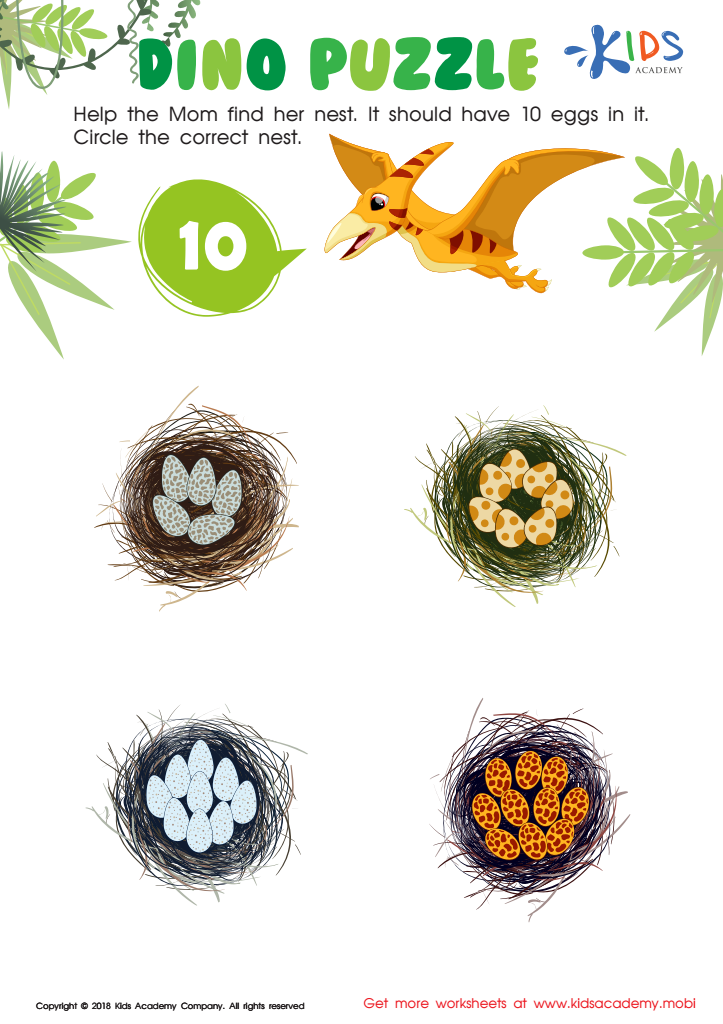
Learn Number For Kindergarten Worksheet
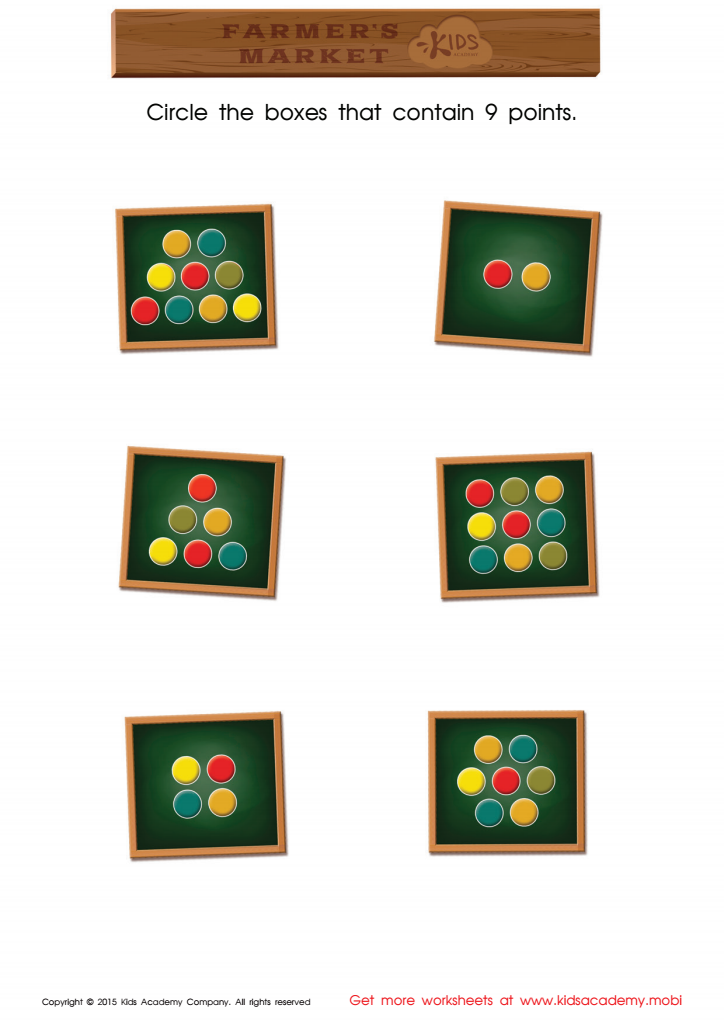
Count and Match Points 9 Math Worksheet
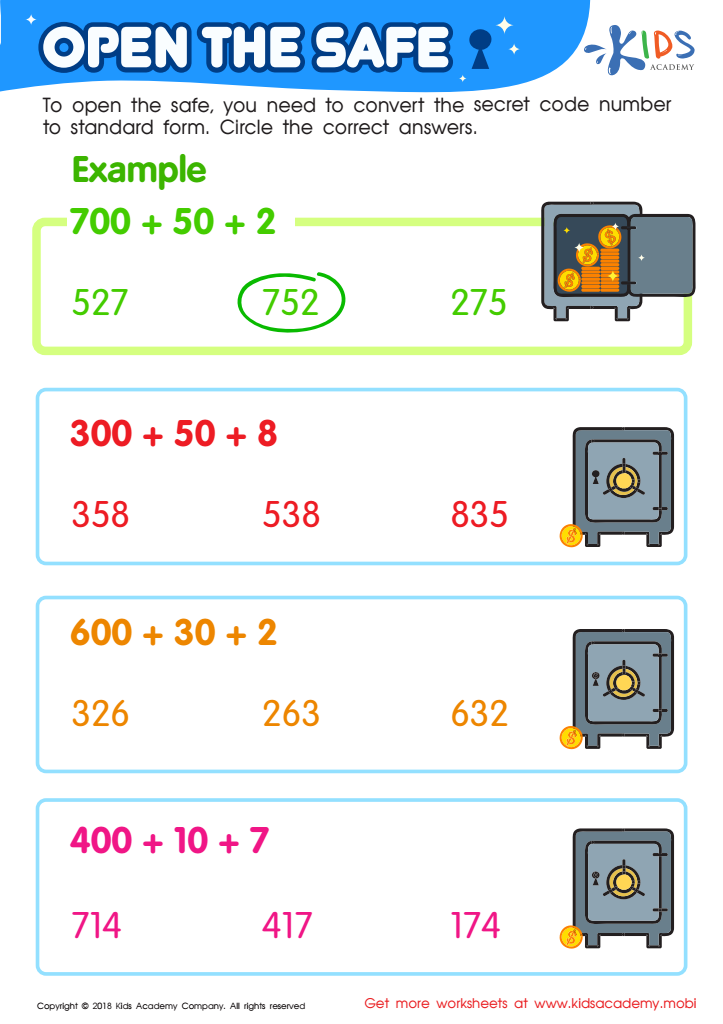
Open the Safe Worksheet
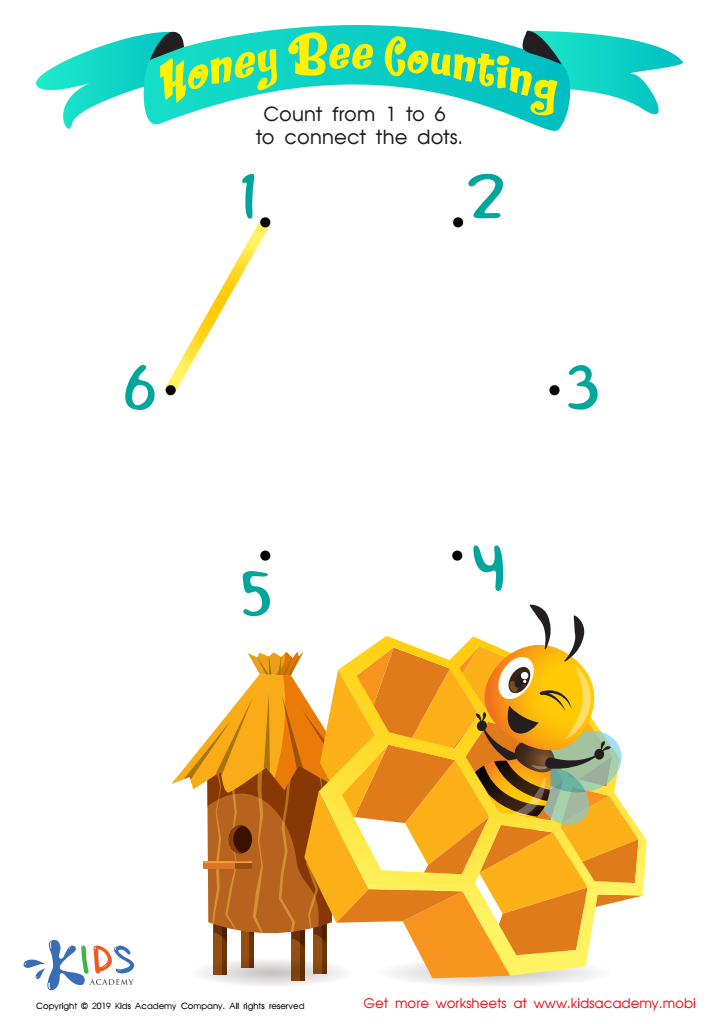
Honey Bee Counting Worksheet
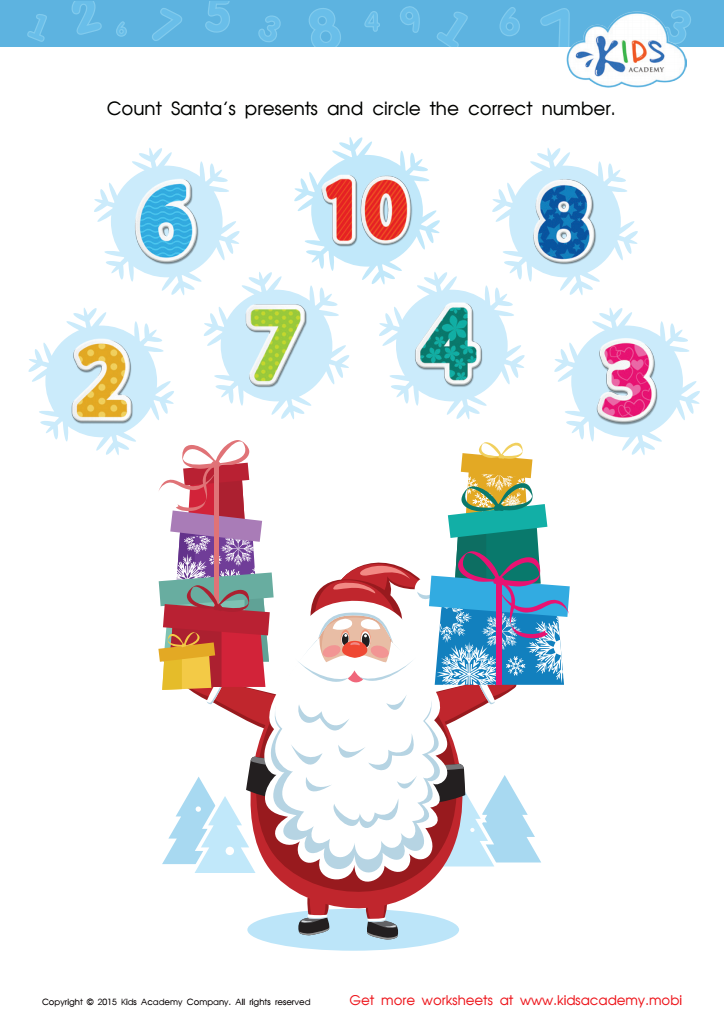
Count Santa's Presents Worksheet
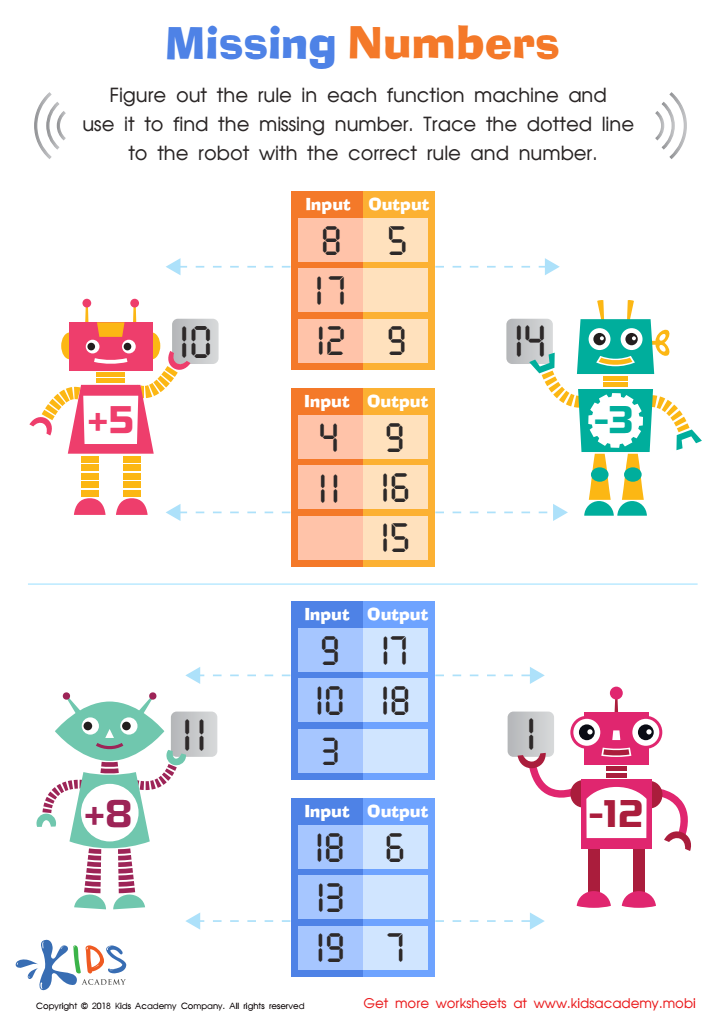
Missing Numbers Worksheet
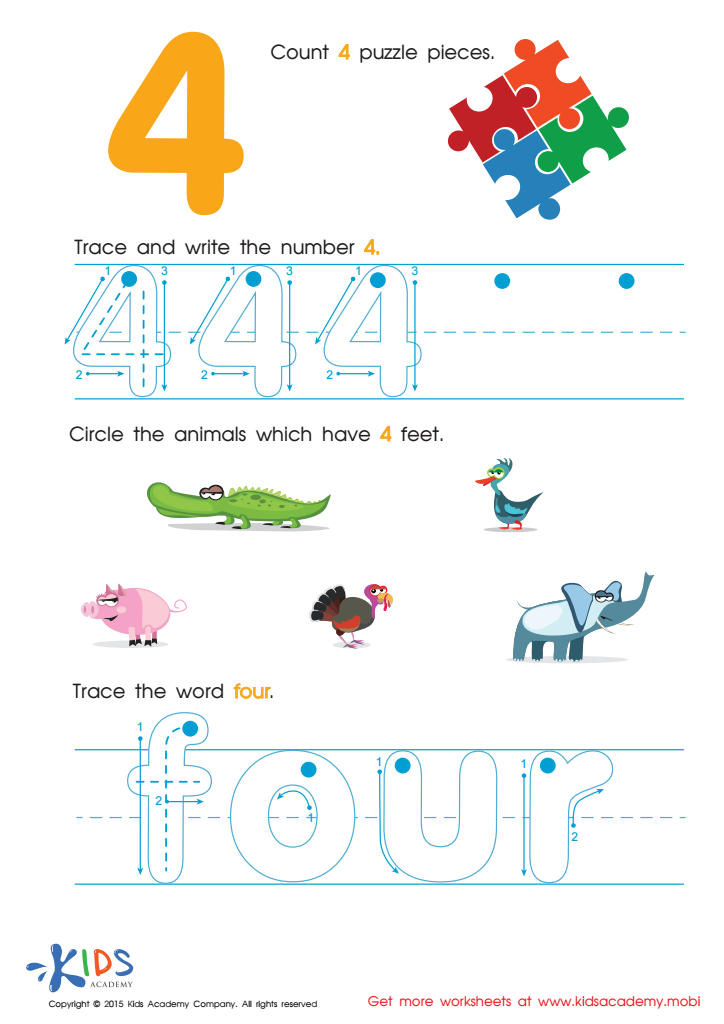
Teaching Children to Write Number 4 Worksheet
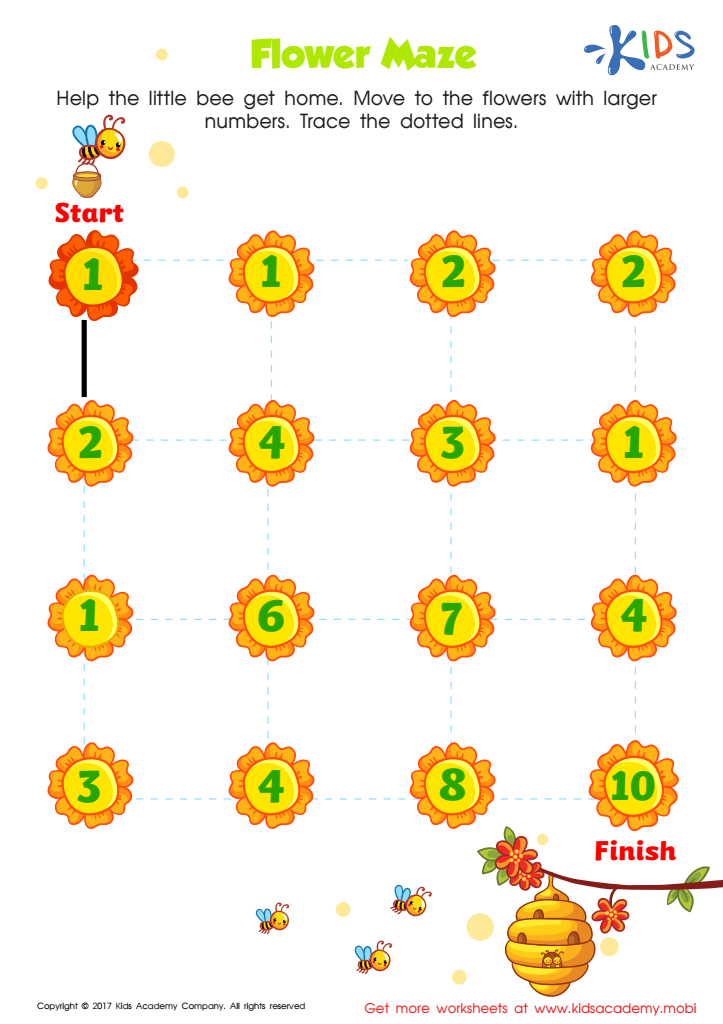
Number Maze For Kindergarten Printable
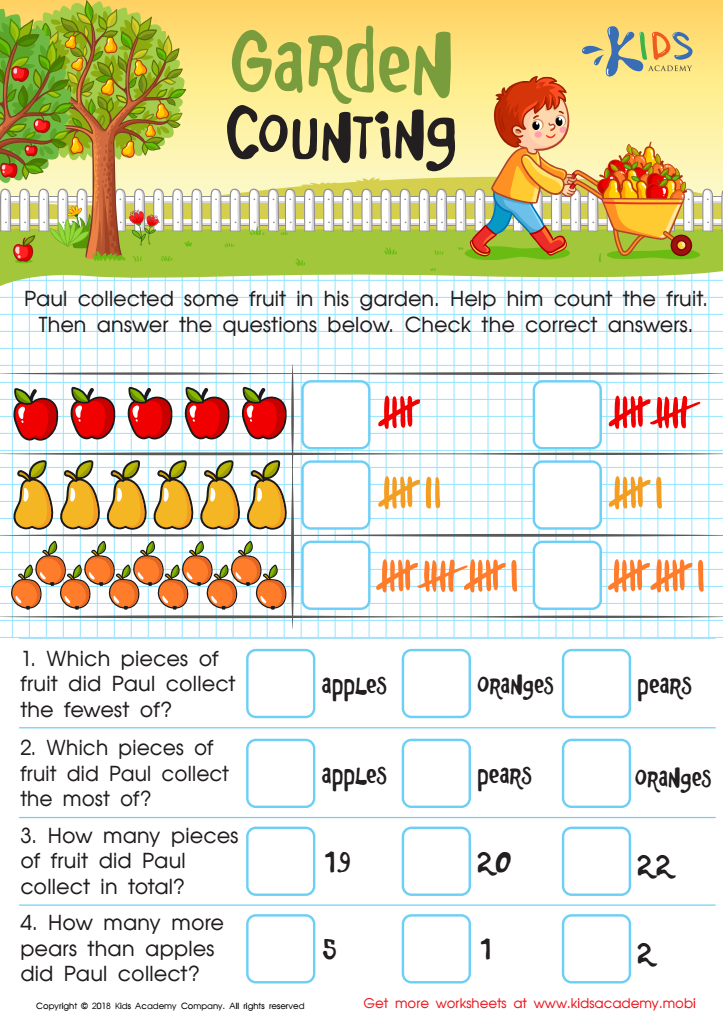
Garden Counting Worksheet








Number recognition is a foundational skill in early childhood education that extends beyond simply identifying digits. When parents or teachers engage children with extra challenges focusing on number recognition, they foster critical cognitive and mathematical skills. Recognizing numbers helps children understand quantity, compare values, and eventually develop a sense of numerical relationships—essential aspects of their mathematical development.
Extra challenges, such as puzzles, matching games, or real-world applications, enhance familiarity with numbers while keeping learning engaging and fun. They encourage problem-solving, enhance memory, and build confidence in math skills. Additionally, these activities often provide scaffolding, where children can connect numbers to concrete representations, such as counting objects or using visual aids, deepening their understanding.
Beyond the academic aspect, introducing number recognition challenges promotes perseverance and resilience. Children learn to tackle difficulties and develop a growth mindset when faced with complex tasks. Furthermore, these challenges can also strengthen the home-school connection, as parents involved in their children's educational activities create a supportive learning environment.
Ultimately, by prioritizing number recognition through extra challenges, parents and teachers prepare children not just for future academic success, but also for daily life skill applications, establishing a strong groundwork for lifelong learning.