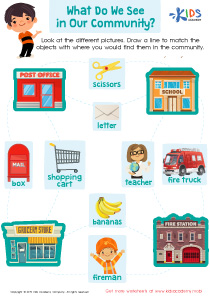
Interpreting data Extra Challenge Math Worksheets
3 filtered results
-
From - To
Boost your child's math skills with our "Interpreting Data Extra Challenge Math Worksheets." These engaging worksheets are designed for early grade students, providing a fun yet challenging way to master data interpretation. Each worksheet includes a variety of engaging activities, such as reading graphs, analyzing charts, and answering thought-provoking questions. These exercises develop critical thinking and enhance problem-solving abilities, paving the path for strong mathematical foundations. Perfect for reinforcing classroom learning or as supplementary practice at home, our worksheets cater to different learning styles, ensuring every student can thrive. Foster a love for learning while empowering your child to conquer data interpretation challenges!
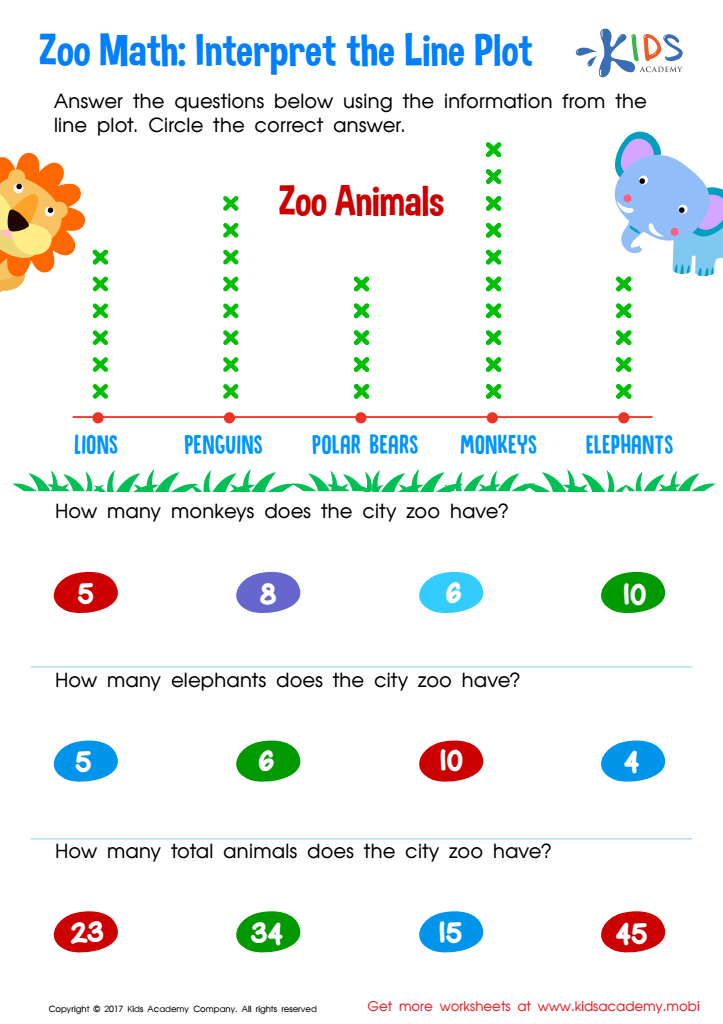
Interpret Line Plot Worksheet
 Assign to My Students
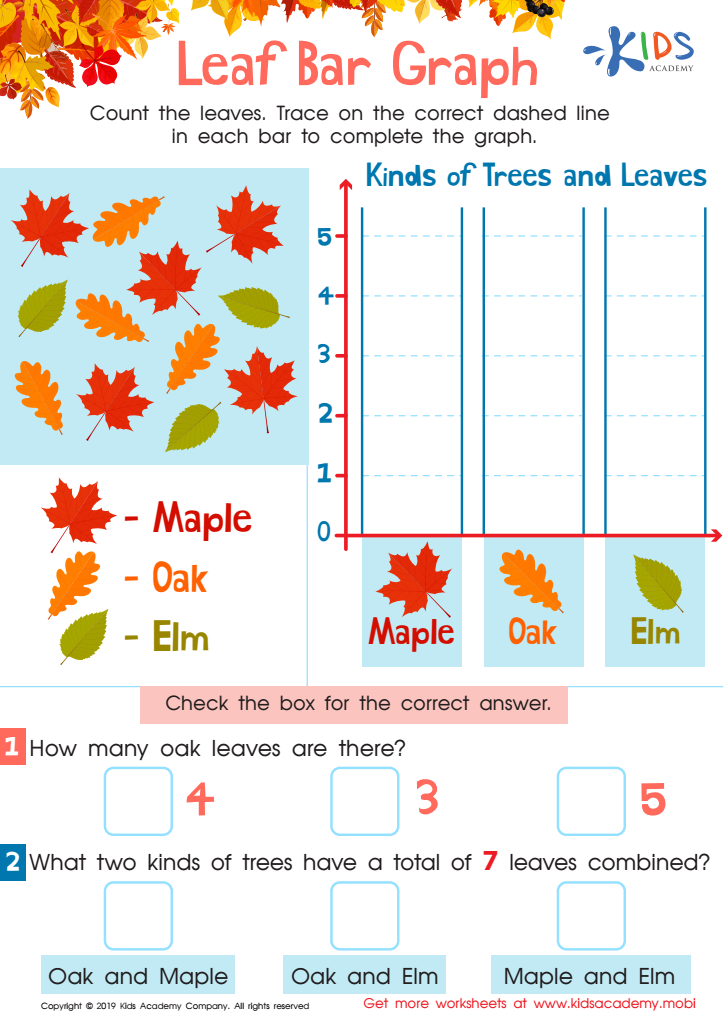
Leaf Bar Graph Worksheet
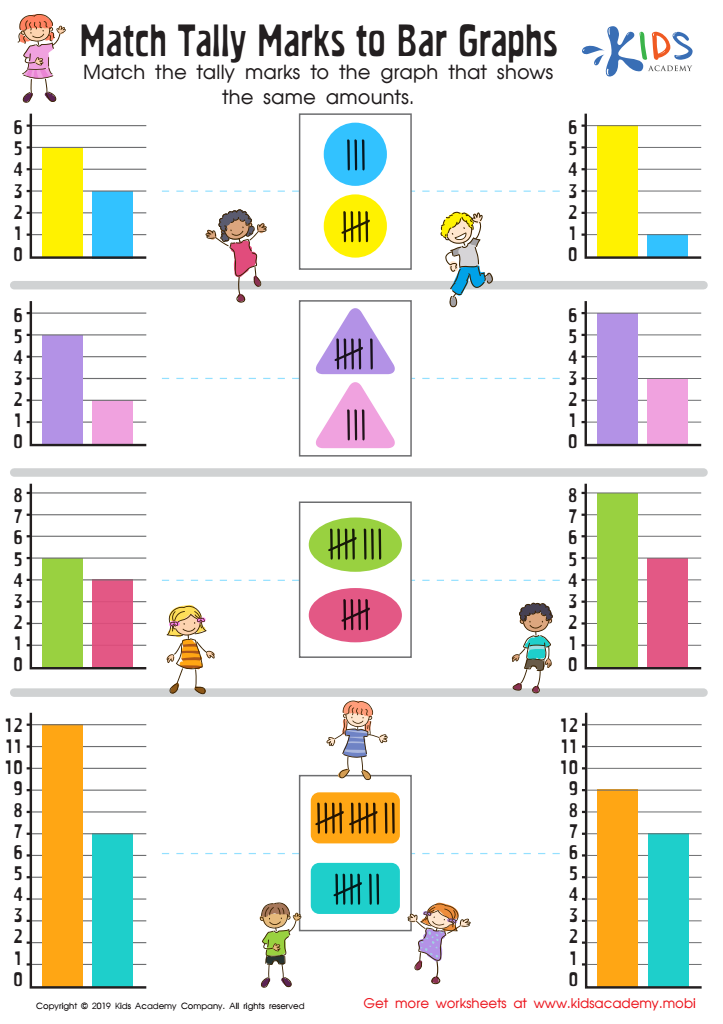
Match Tally Marks to Bar Graphs Worksheet








Parents and teachers should care about interpreting data in Extra Challenge Math because it offers vital insights into a child's academic development and emotional well-being. By understanding data—whether it involves assessment scores, classroom participation metrics, or individual learning styles—they can identify areas where a child excels or faces difficulties. For instance, a pattern in low scores in specific math concepts may indicate a need for additional support or tailored instruction.
Moreover, data interpretation fosters informed decision-making. Teachers can differentiate instruction, adapting lessons to meet diverse learning needs while parents can better support homework and practice at home. Additionally, this data serves as a communication tool between educators and families, allowing for discussions about progress and strategies for improvement.
Another key aspect is the empowerment of students through self-awareness. When children see their own progress reflected in data, it can motivate them to develop a growth mindset and strive for better performance. Ultimately, understanding data in Extra Challenge Math is crucial for creating a supportive learning environment, ensuring that all students can reach their full potential, and instilling a love for mathematics that may last a lifetime. By prioritizing data interpretation, both parents and teachers can become proactive partners in a child's educational journey.