
Shape identification Extra Challenge Math Worksheets
6 filtered results
Difficulty Level
Grade
Age
-
From - To
Subject
Activity
Standards
Discover the "Shape Identification Extra Challenge Math Worksheets" designed to enhance your child's geometry skills while making learning fun! These worksheets offer engaging and stimulating exercises that go beyond basic shape recognition, encouraging critical thinking and problem-solving. Students will explore various shapes through unique activities, such as matching, sorting, and drawing different geometric figures. Ideal for learners looking to expand their understanding of shapes in various contexts, these worksheets are perfect for classroom use or at-home practice. Raise your child's math confidence and shape mastery with our carefully crafted challenges that inspire creativity while solidifying essential skills in early mathematics!
Favorites
With answer key
Interactive
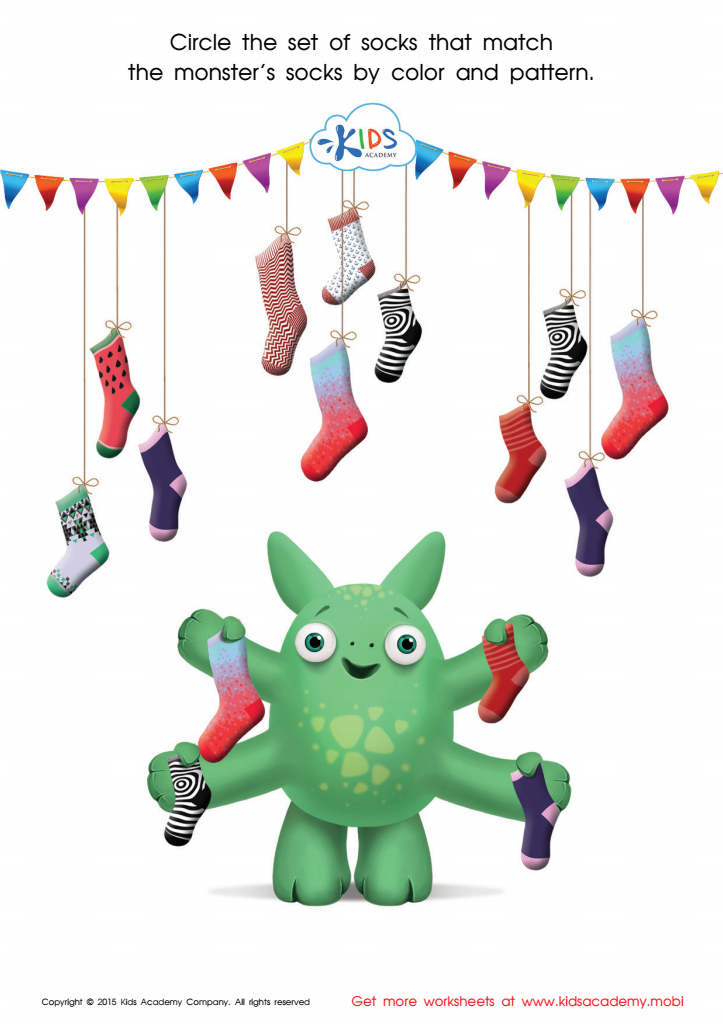
Sort the Monster's Socks Worksheet
Let your little one challenge herself and practice with matching Monster socks. She must be very attentive to match the same socks and draw a line connecting them!
 Assign to My Students
Sort the Monster's Socks Worksheet
Worksheet
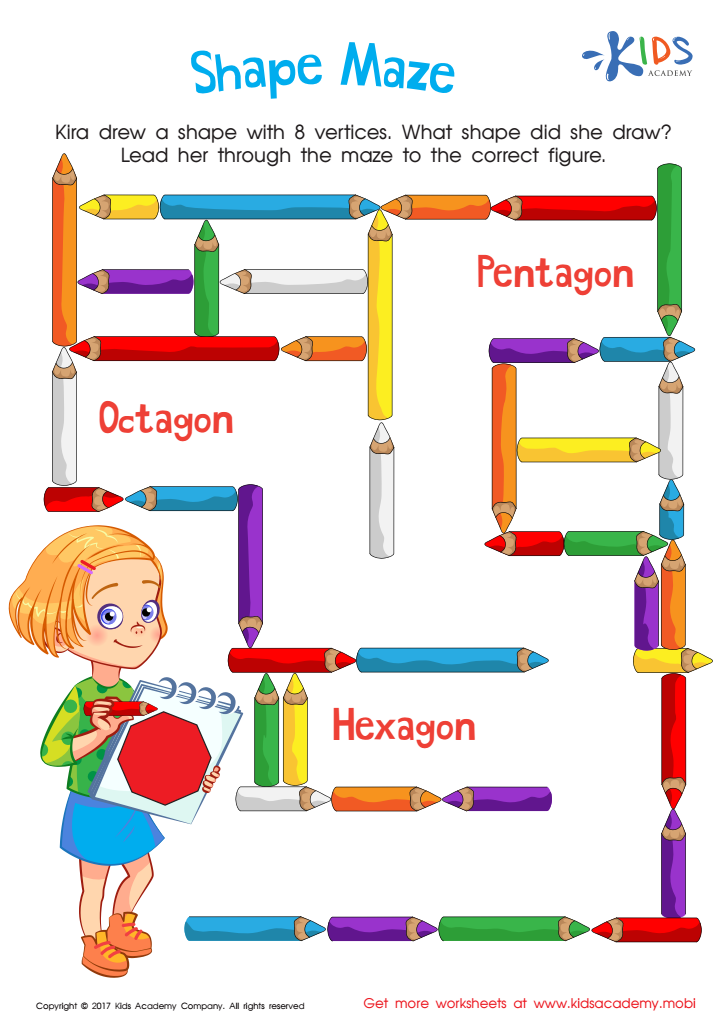
Shape Maze Worksheet
Test your child's geometry knowledge with this fun printable maze! They'll need to identify shapes with 8 vertices to find their way through the maze and get the correct answer.
Shape Maze Worksheet
Worksheet
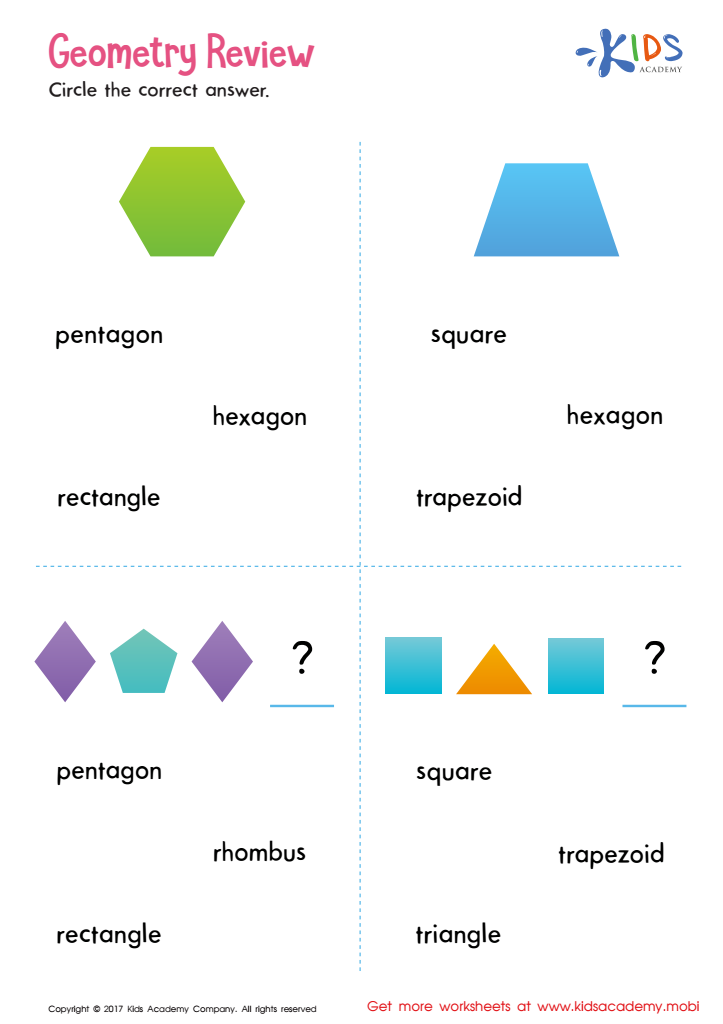
Geometry Review Printable
Repetition is key to success; give your child the practice they need with this geometry worksheet.
Geometry Review Printable
Worksheet
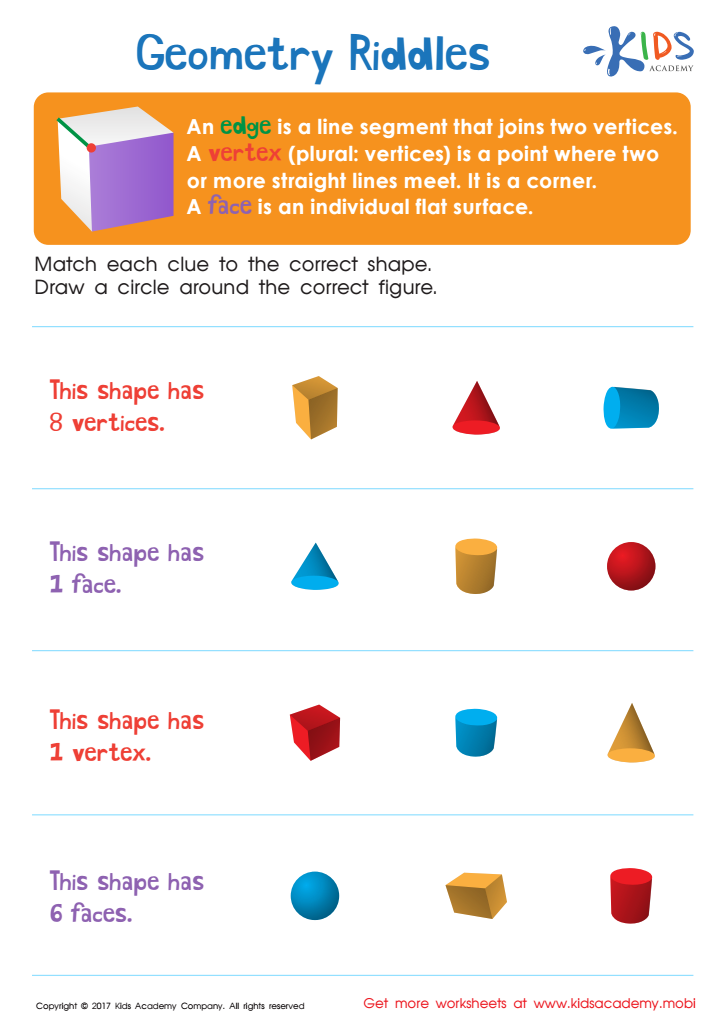
Geometry Riddles Printable
Review geometry terms with your child using this challenging worksheet of tricky riddles. Identifying and counting vertices, edges, and faces of shapes becomes fun as they solve the riddles!
Geometry Riddles Printable
Worksheet
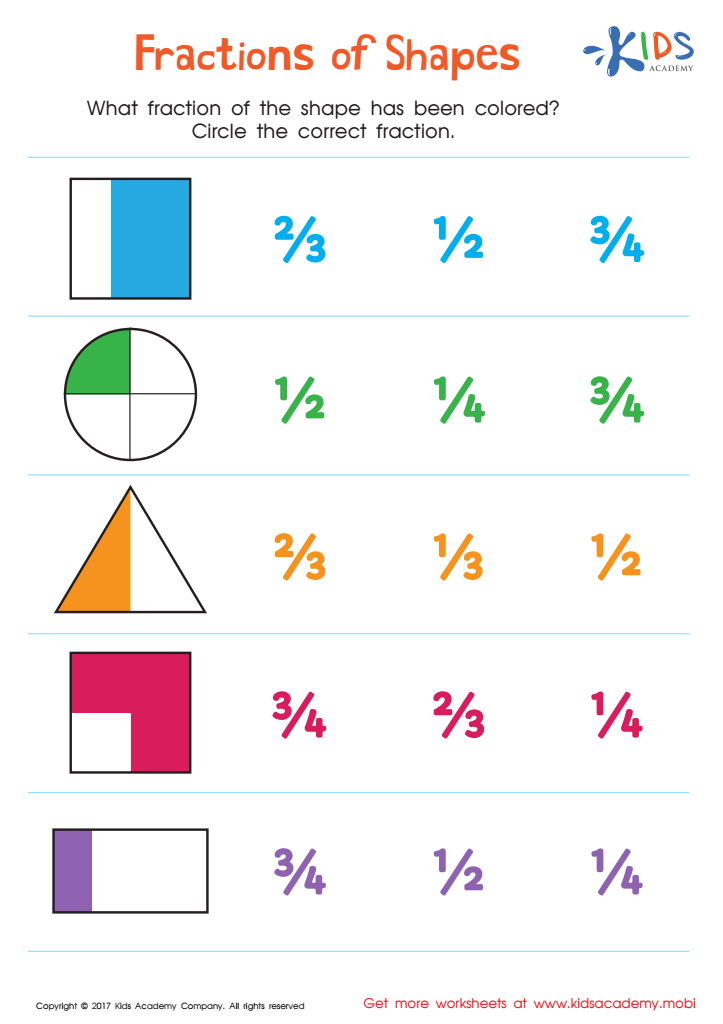
Fractions of Shapes: Math Concept Worksheet
Fractions can be tricky, but with pictures to illustrate them, they become much easier to understand. Our fractions of shapes worksheet is a great way to help children visualize fractions and gain a better understanding of them.
Fractions of Shapes: Math Concept Worksheet
Worksheet
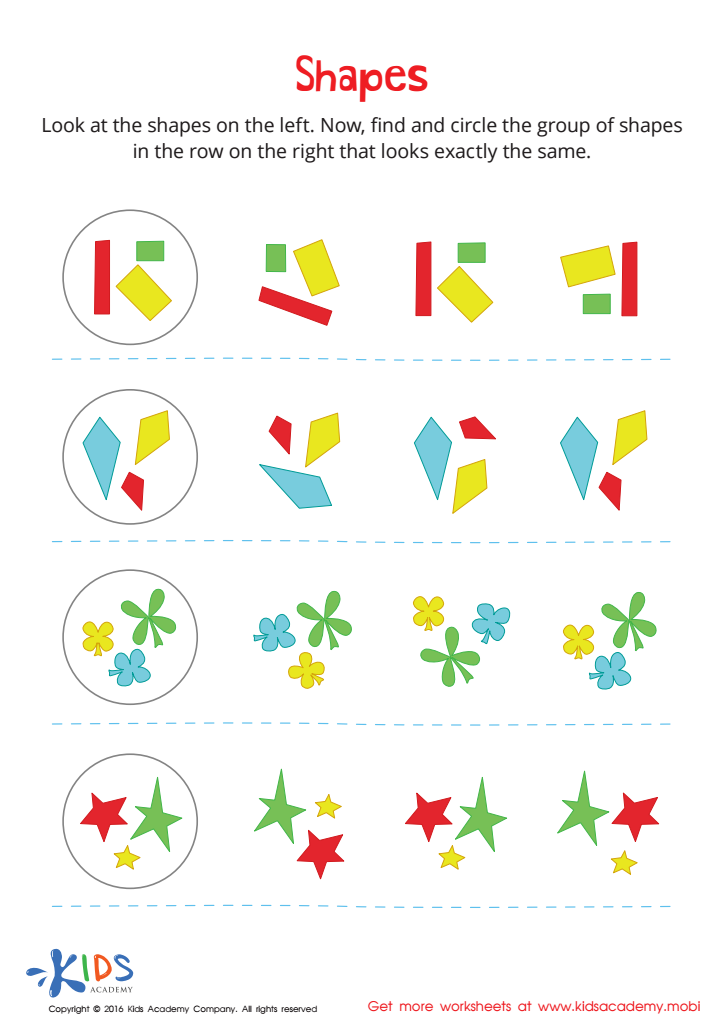
Shapes Worksheet
This fun worksheet will challenge your child to recognize tricky patterns, sort through similar ones, and create strategies to get the right answer. It'll also help them to strengthen problem-solving skills and build confidence. With more challenging tasks, your child will be ready to tackle higher level math and sequencing skills.
Shapes Worksheet
Worksheet
Join Kids Academy for Free
Who is primarily going to use this learning content?








Shape identification is a fundamental skill in early math education, vital for a child's cognitive development and confidence in mathematics. Parents and teachers should care about this extra challenge because it extends beyond recognizing basic shapes; it enhances critical thinking, spatial awareness, and problem-solving abilities.
When children engage in shape identification, they develop a conceptual understanding of how shapes relate to one another and the world around them. Recognizing different shapes lays the groundwork for more advanced mathematical concepts such as geometry, measurement, and symmetry. This foundational skill will benefit children in everyday scenarios, from navigating their environment to engaging in activities that require design and creativity.
Additionally, challenging children to identify and differentiate various shapes encourages them to employ reasoning skills and articulate their thoughts. It fosters communication between students, parents, and teachers as they explore these concepts together—creating a rich, interactive learning experience.
Moreover, fostering a curiosity about shapes can motivate children to ask questions, explore their surroundings, and connect new knowledge to existing skills, making math less intimidating and more enjoyable. Ultimately, emphasizing shape identification cultivates a positive attitude towards learning and equips children with essential tools for lifelong success in mathematics.








