Alphabet Recognition Extra Challenge Preschool Tracing Letters Worksheets
3 filtered results
-
From - To
Boost your child's alphabet mastery with Alphabet Recognition Extra Challenge Preschool Tracing Letters Worksheets from Kids Academy. Perfect for preschoolers who already have a basic grasp of the alphabet, these engaging worksheets offer an extra challenge to enhance letter recognition and writing skills. Each sheet provides structured tracing exercises, aimed at reinforcing alphabet familiarity while encouraging precise handwriting. With fun, interactive designs, learning becomes an enjoyable activity, keeping young minds eager and focused. Help your child excel in literacy foundations through these thoughtfully crafted, expert-approved tracing worksheets designed to lay the groundwork for future reading and writing success.
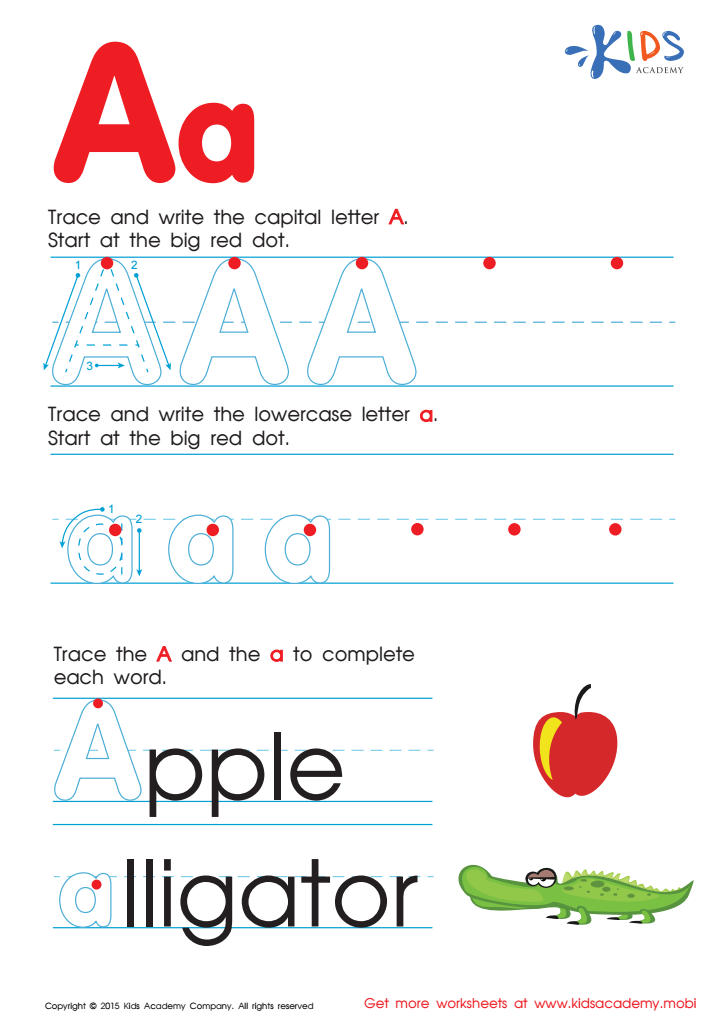
Letter A Tracing Page
 Assign to My Students
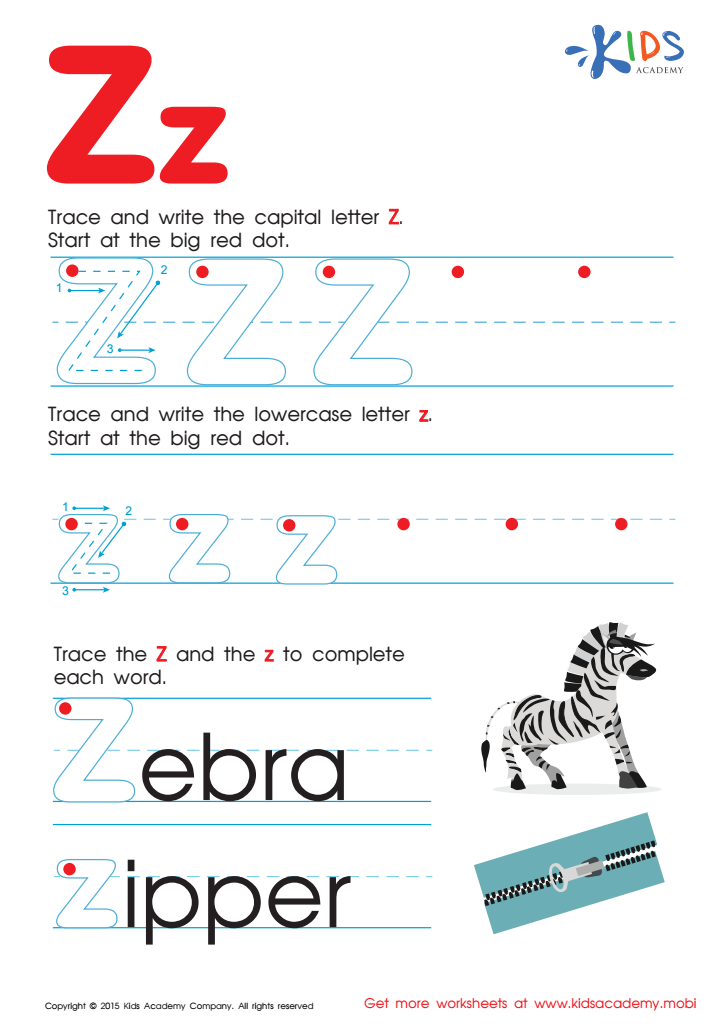
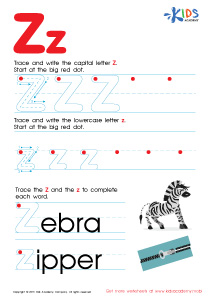
Letter Z Tracing Page
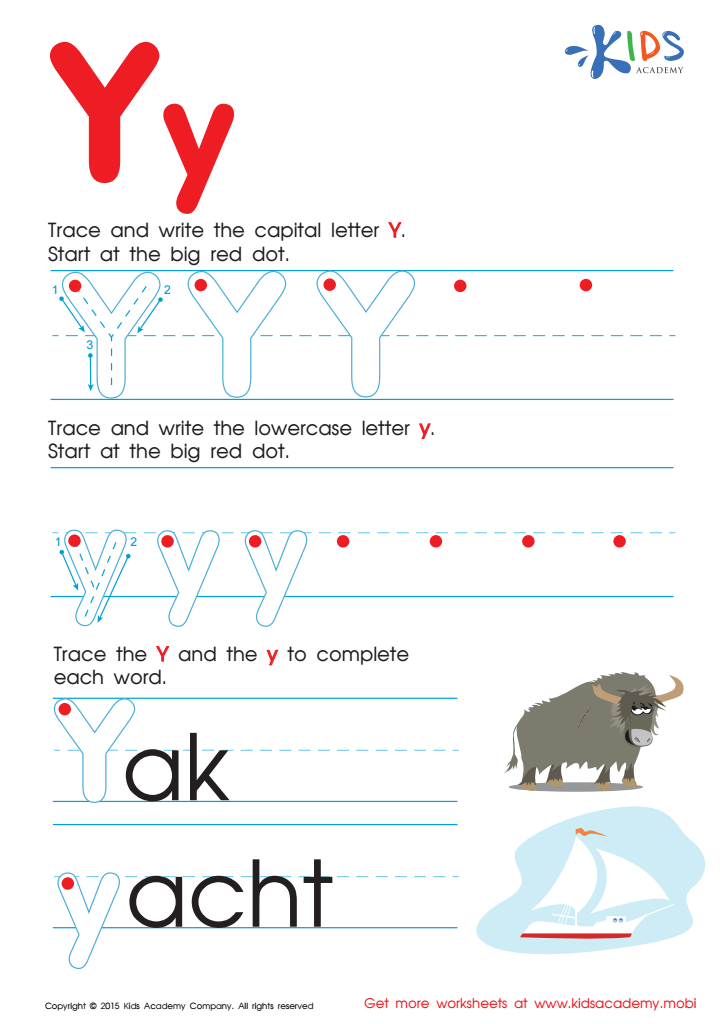
Letter Y Tracing Page




Alphabet Recognition Extra Challenge Preschool Tracing Letters is crucial for young learners because it lays the foundation for their future academic success. When children engage with structured and entertaining tracing activities, they not only learn to identify individual letters but also begin to understand the alphabetic principle – the concept that letters and groups of letters represent the sounds of spoken language. This foundational skill is directly connected to reading and writing proficiency.
Parents and teachers should care about these activities because well-developed early literacy skills are strong indicators of future academic achievement. Tracing letters combines the recognition of letter forms with the fine motor skills necessary for writing, making it a comprehensive exercise. It helps children develop hand-eye coordination and control, enhancing their ability to write legible letters as they get older.
Additionally, such activities can foster a love for learning by making the process engaging and interactive. When children enjoy what they’re doing, they are more likely to remain curious and motivated, which is critical for lifelong learning.
Incorporating these extra challenges into a child’s education can ensure they build robustness in their ability to recognize and write letters, forming the cornerstone of literacy. Thus, by valuing alphabet recognition activities, parents and teachers play a pivotal role in preparing children for future educational milestones.