Problem-Solving Skills Extra Challenge Grade 2 Worksheets - Page 2
29 filtered results
-
From - To
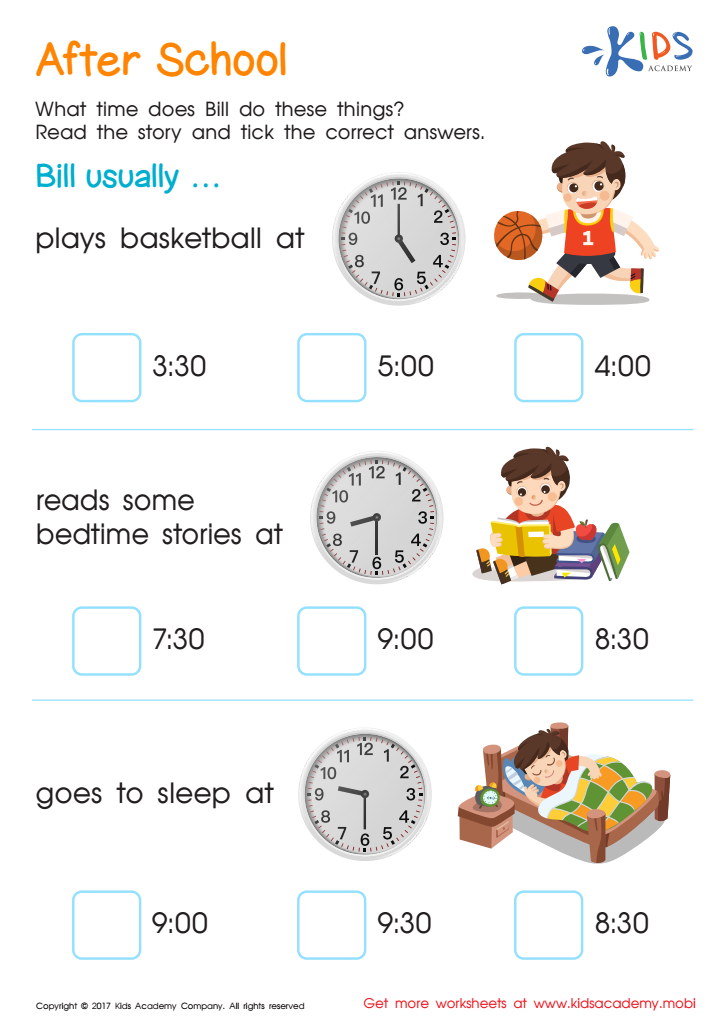
After School Time Printable
 Assign to My Students
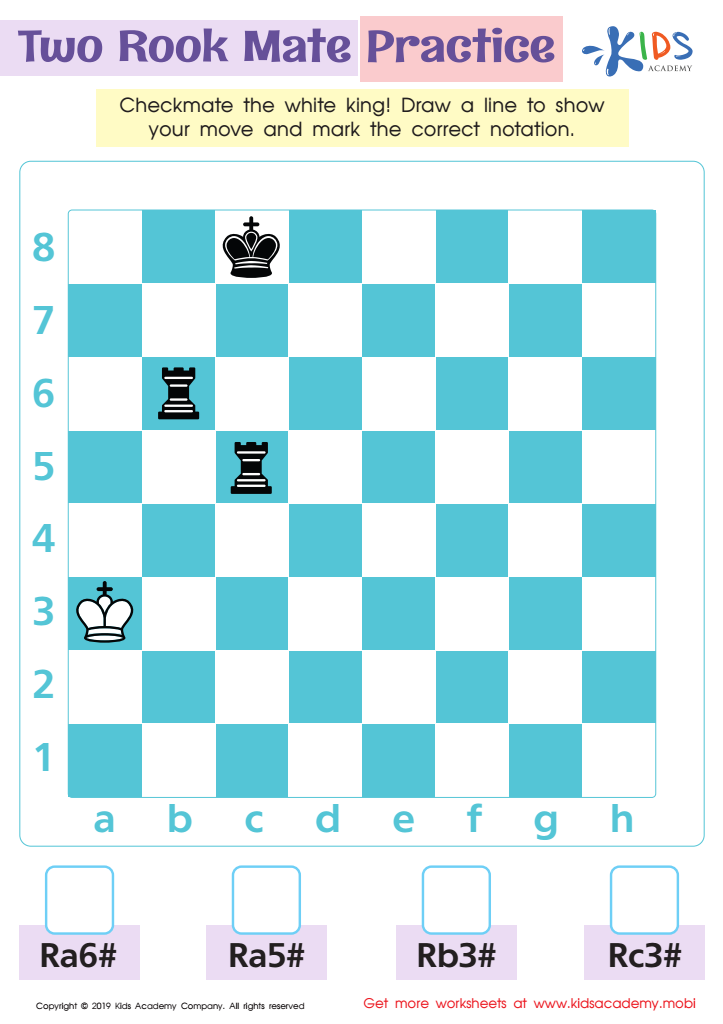
Two Rook Mate Practice Worksheet
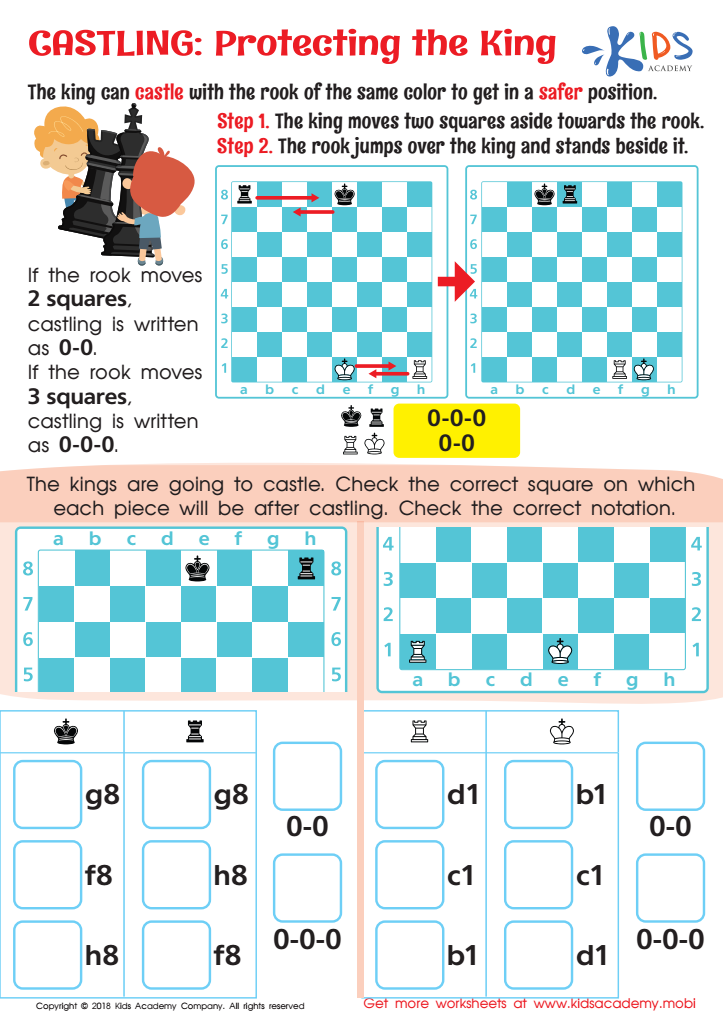
Castling: Protecting the King Worksheet
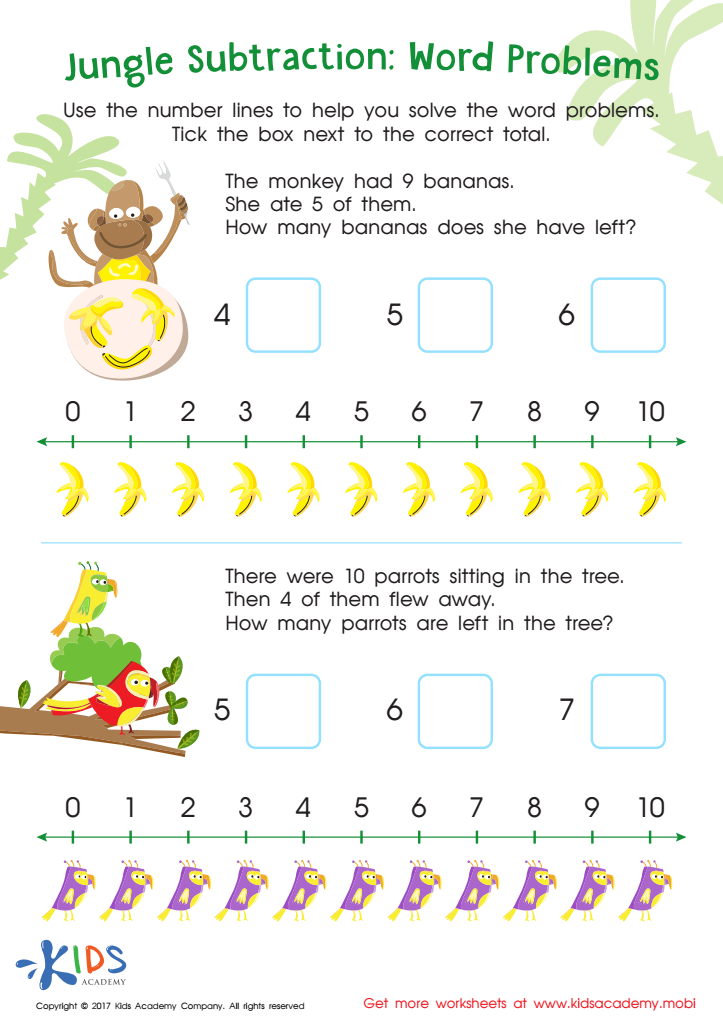
Jungle Subtraction Word Problems Substraction Worksheet
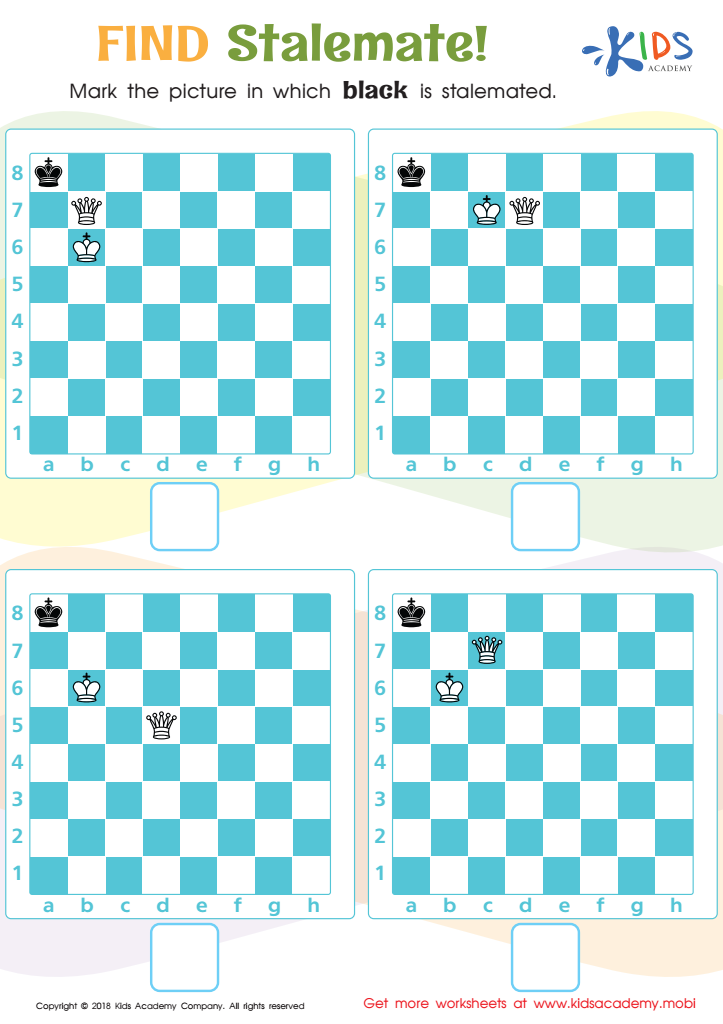
Find Stalemate! Worksheet








Parents and teachers should prioritize problem-solving skills for second graders because these abilities are foundational for future academic success and daily life challenges. At this young age, children are developing critical thinking and reasoning skills that enable them to analyze situations, think creatively, and arrive at effective solutions. Enhancing problem-solving skills fosters independence, confidence, and perseverance—qualities that will serve students throughout their education.
Moreover, problem-solving encourages collaboration and communication, as children often work in groups or pairs, learning to express their thoughts and consider diverse perspectives. This social dimension is crucial as it mirrors real-world interactions, fostering teamwork and empathy. Academic subjects such as math and science heavily rely on problem-solving; therefore, cultivating these skills early on will greatly benefit students as the complexity of content increases.
Furthermore, ongoing engagement with problem-solving challenges can ignite a child’s curiosity and motivate a love for learning, empowering them to take initiative in their education. By incorporating problem-solving activities in both the classroom and at home, teachers and parents can nurture resilient, critical thinkers ready to tackle the challenges of their future education and life. Ultimately, investing in these skills equips children with tools for success in an ever-evolving world.