Alphabet Recognition Kindergarten English for Beginners Worksheets - Page 2
32 filtered results
-
From - To
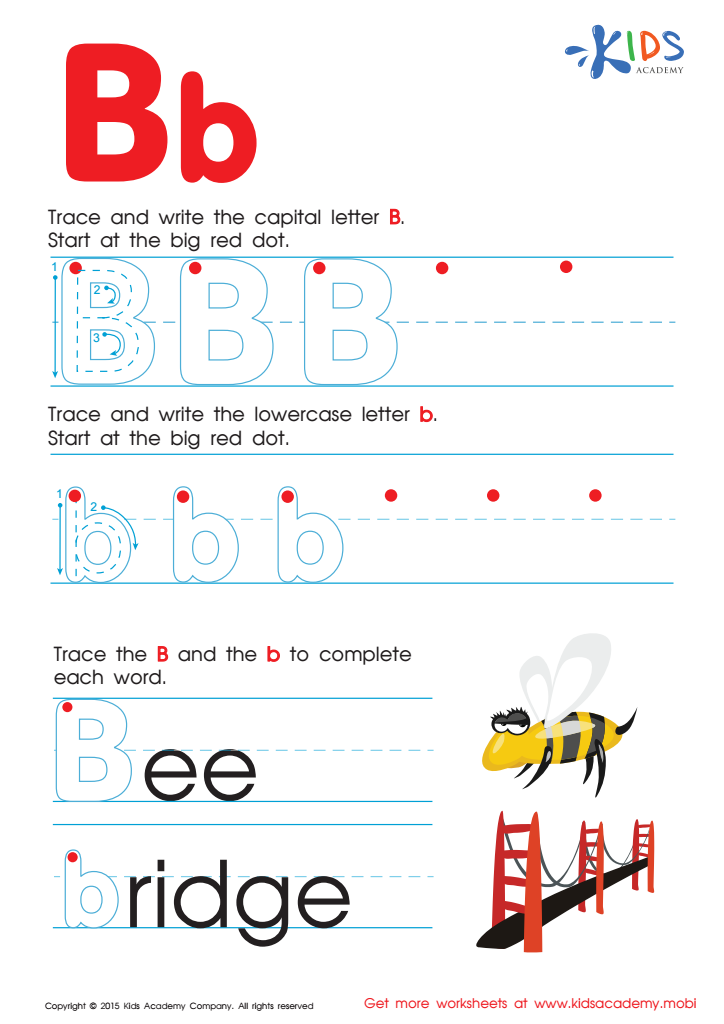
Letter B Tracing Page
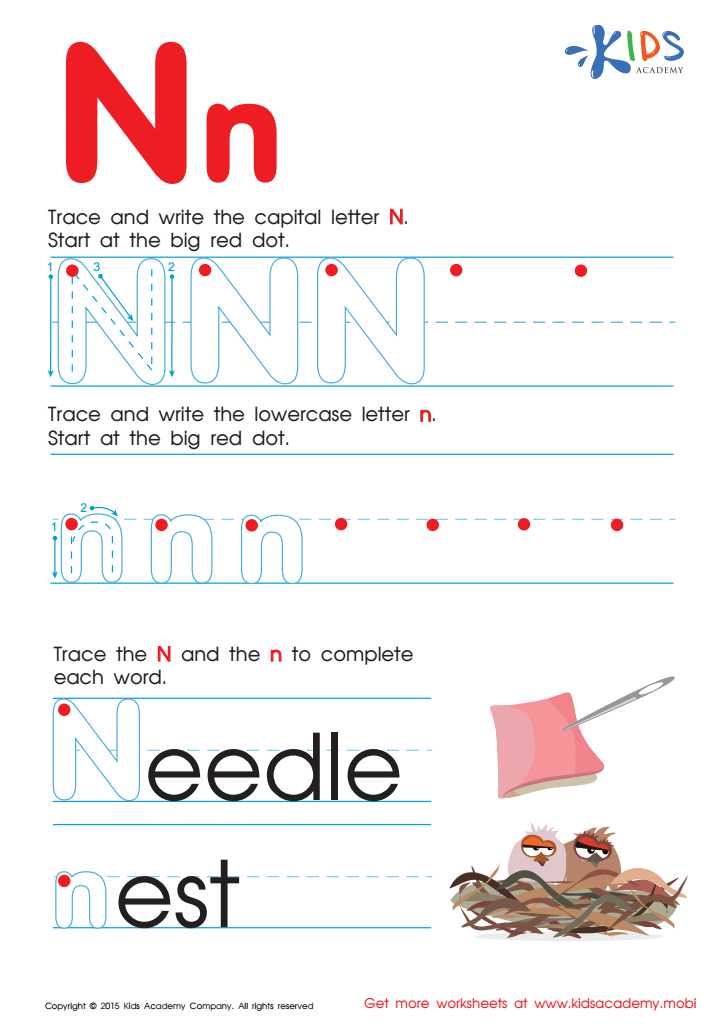
Letter N Tracing Page
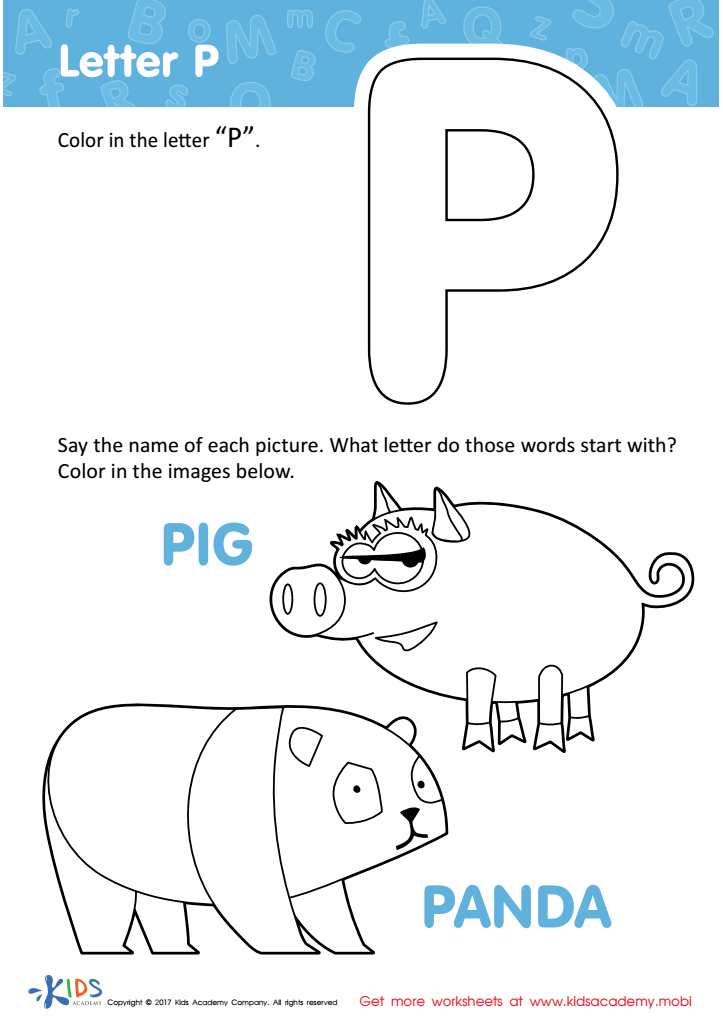
Letter P Coloring Sheet
 Assign to My Students
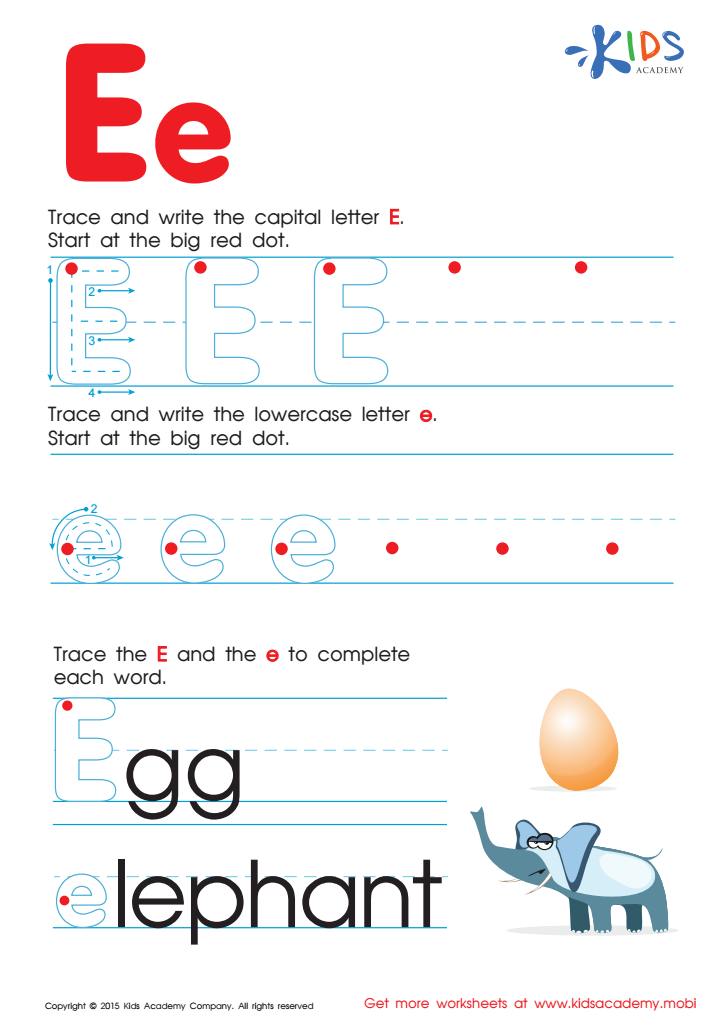
Letter E Tracing Page
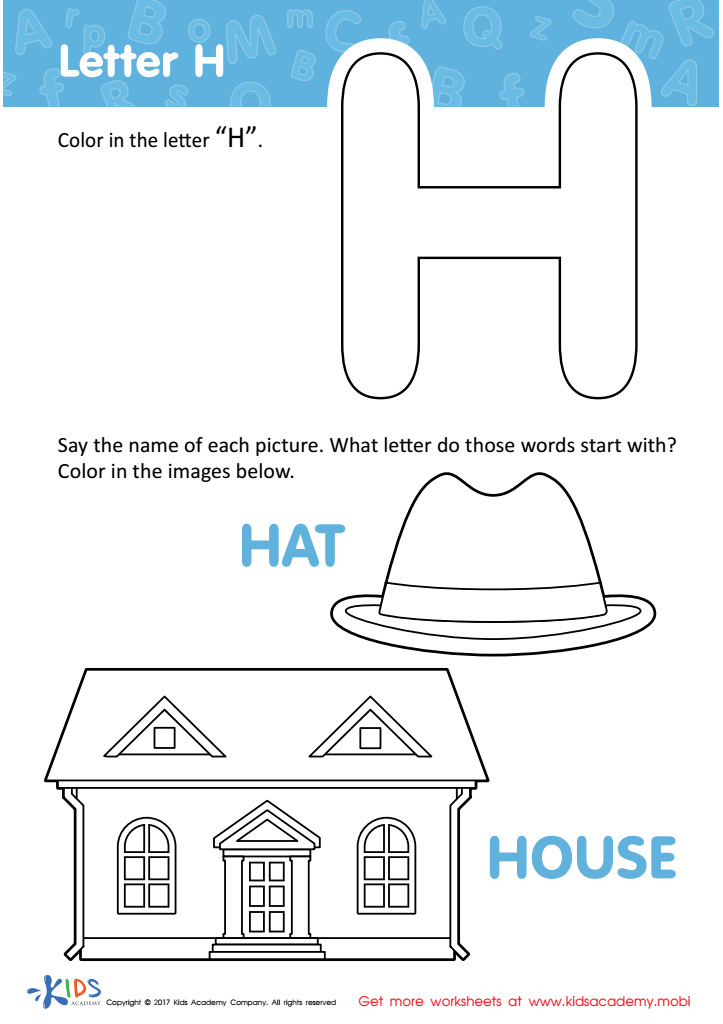
Letter H Coloring Sheet
Assign to My Students
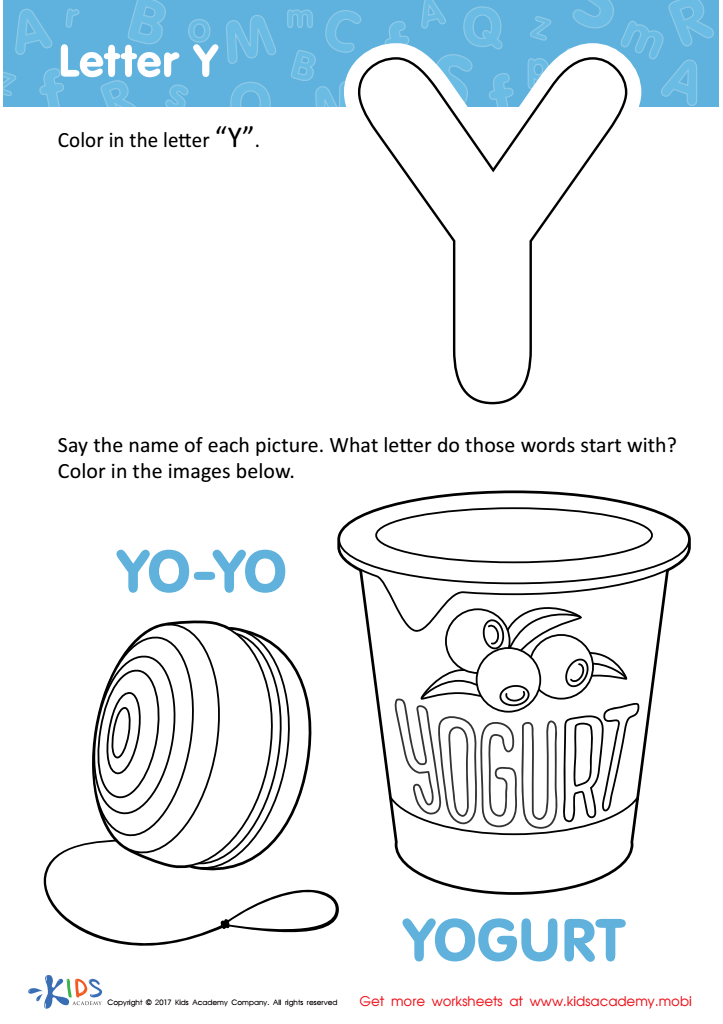
Letter Y Coloring Sheet
Assign to My Students
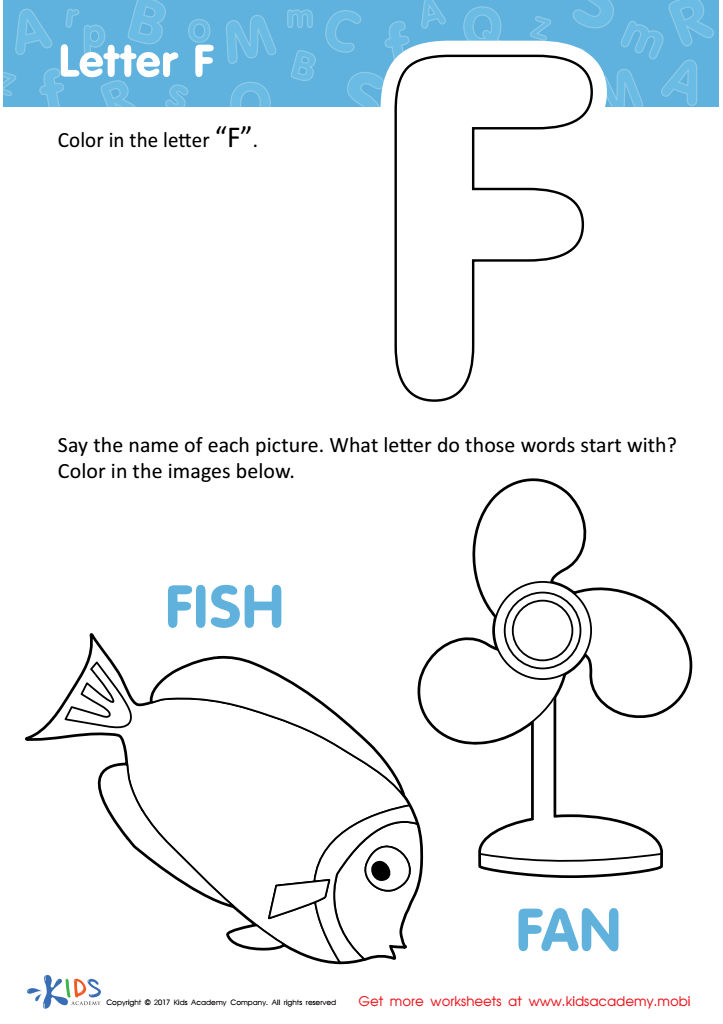
Letter F Coloring Sheet
Assign to My Students
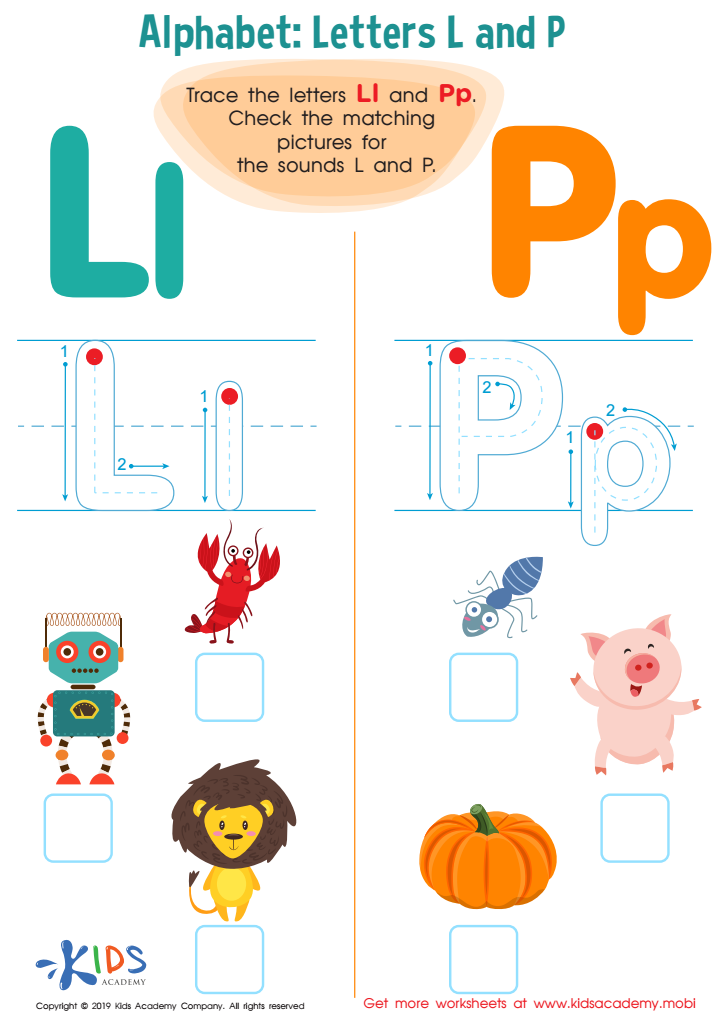
Letter L and P Tracing Worksheet



Alphabet recognition is foundational for young children, and it’s crucial that parents and teachers prioritize this aspect of learning, especially in a kindergarten setting. When children recognize letters, they unlock the first door to literacy. It’s akin to providing them with the essential tools they need to begin decoding the world of words around them. The ability to identify letters forms the basis for developing reading skills, which are critical for academic success and lifelong learning.
At a young age, the brain is incredibly receptive to learning new information. Introducing alphabet recognition early ensures that children have ample time to practice and become familiar with the letters. This proficiency leads to improved reading readiness, as children can gradually start linking letters to their corresponding sounds, an essential step in phonics.
Moreover, recognizing the alphabet boosts a child’s confidence. As they notice letters on signs, books, and even in their names, they start to see themselves as readers, fostering a sense of independence and curiosity. This bolstered enthusiasm and self-esteem can positively impact their overall attitude towards learning.
Parents and teachers should care about alphabet recognition because it lays a solid foundation for future literacy skills, empowers children with the ability to read and write, and instills a love of learning from an early age.