Color recognition Kindergarten Worksheets - Page 4
89 filtered results
-
From - To
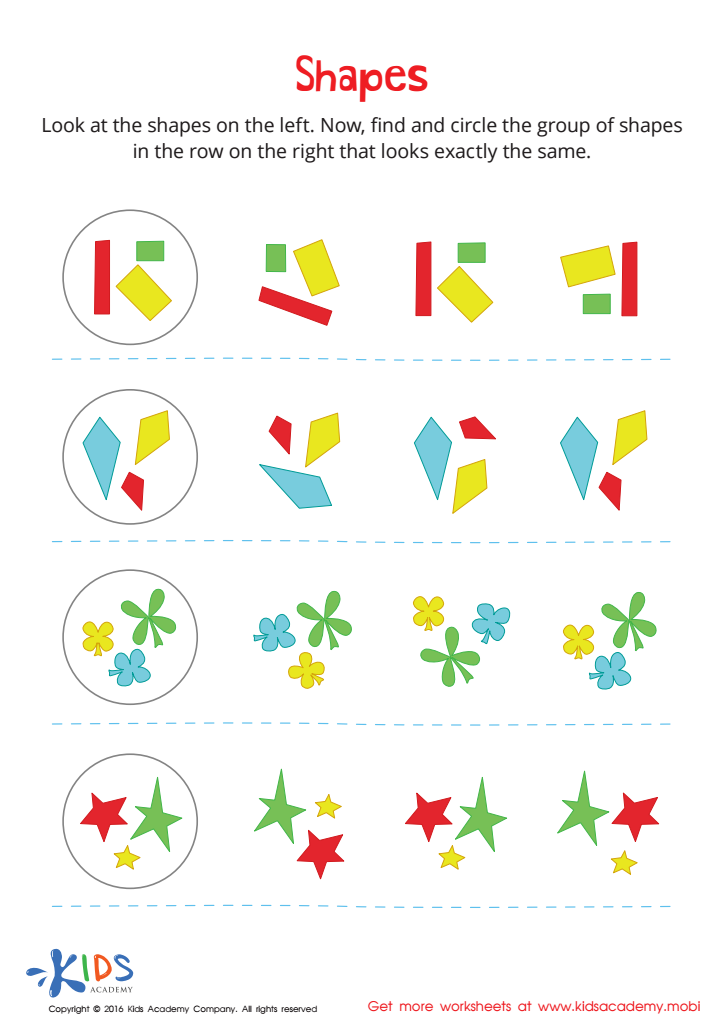
Shapes Worksheet
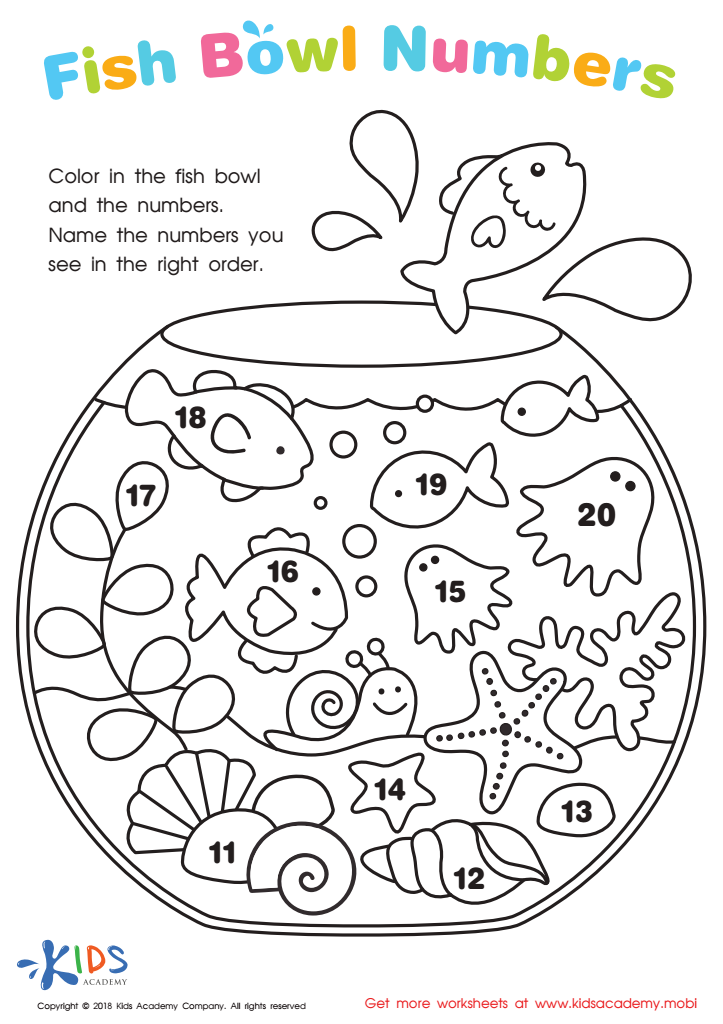
Fish Bowl Numbers Worksheet
 Assign to My Students
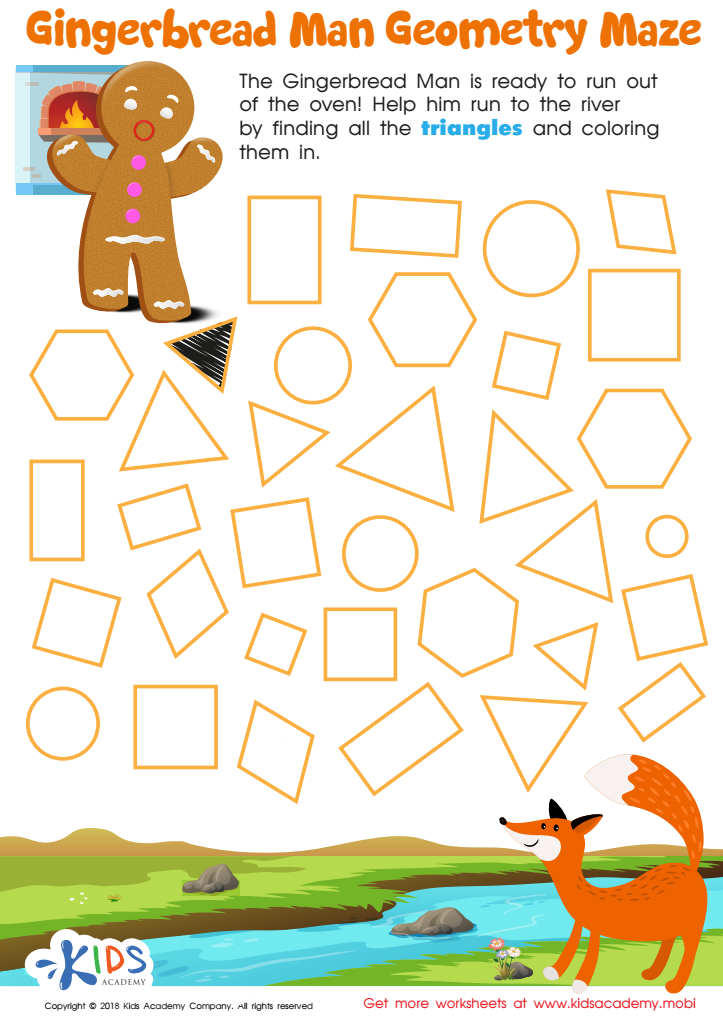
Gingerbread Man Geometry Maze Worksheet
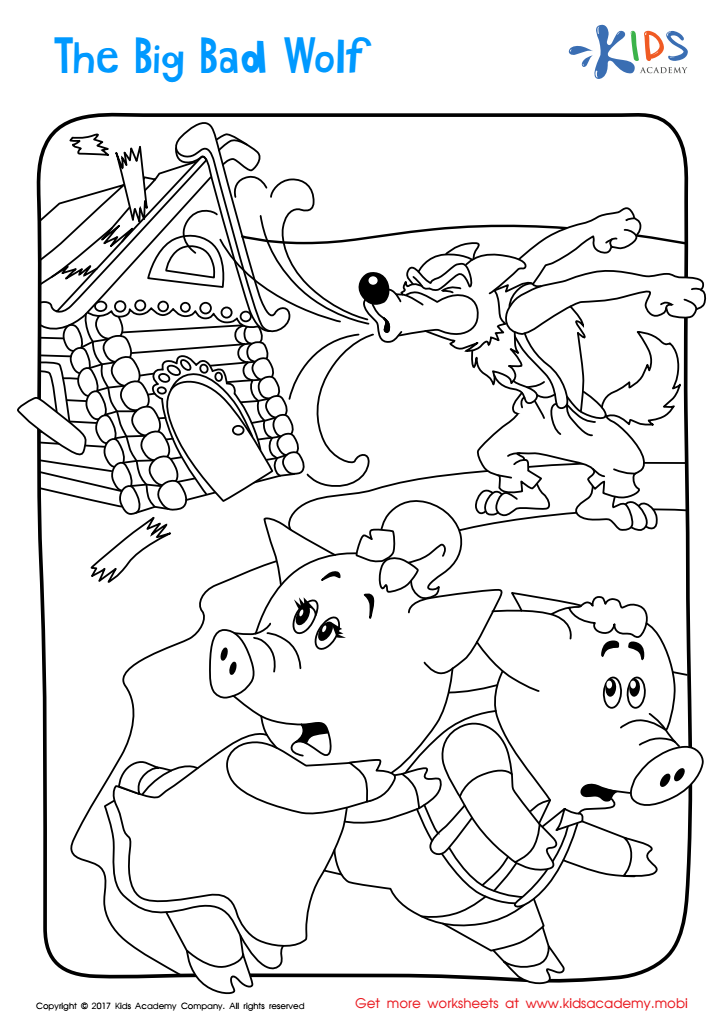
Big Bad Wolf Printable Coloring Page
Assign to My Students
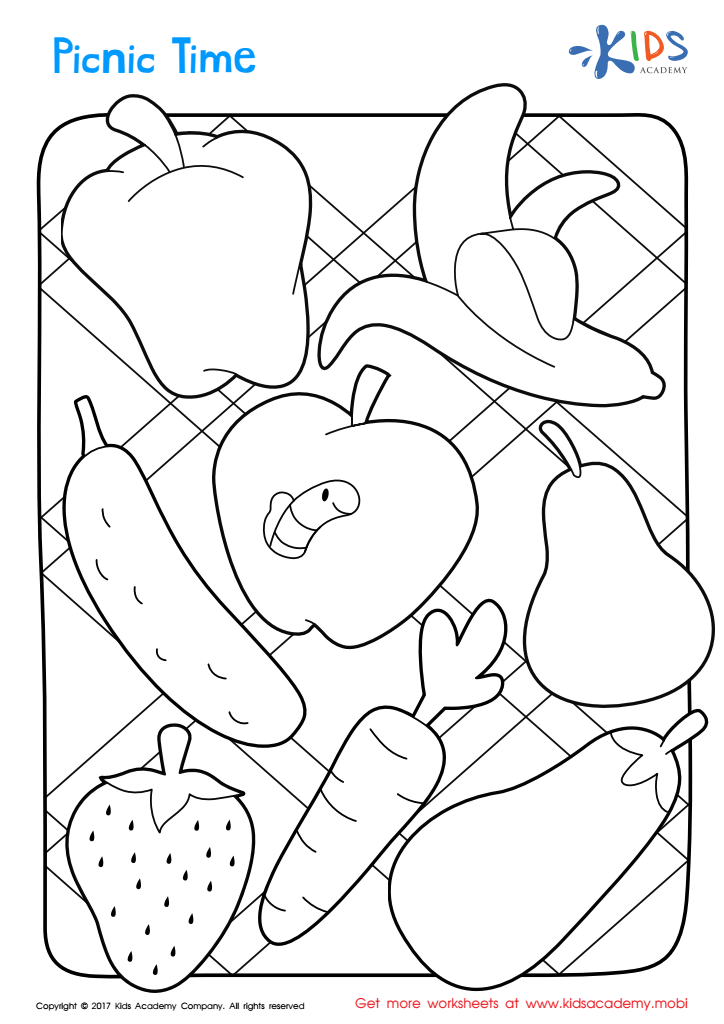
Picnic Time Coloring Page
Assign to My Students
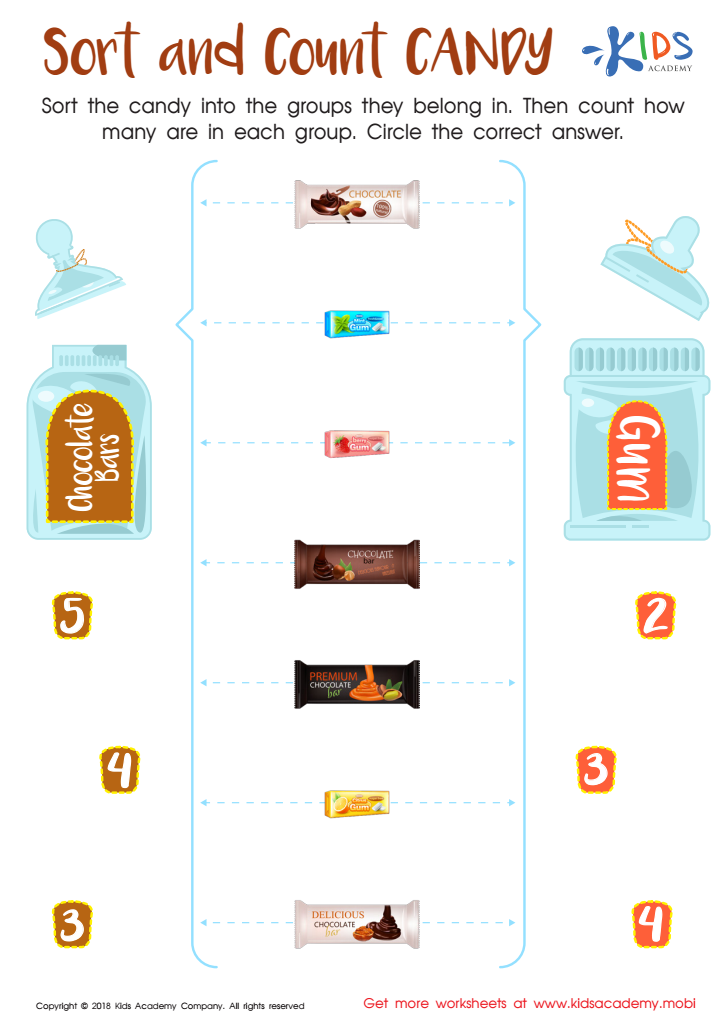
Sort and Count Candy Worksheet
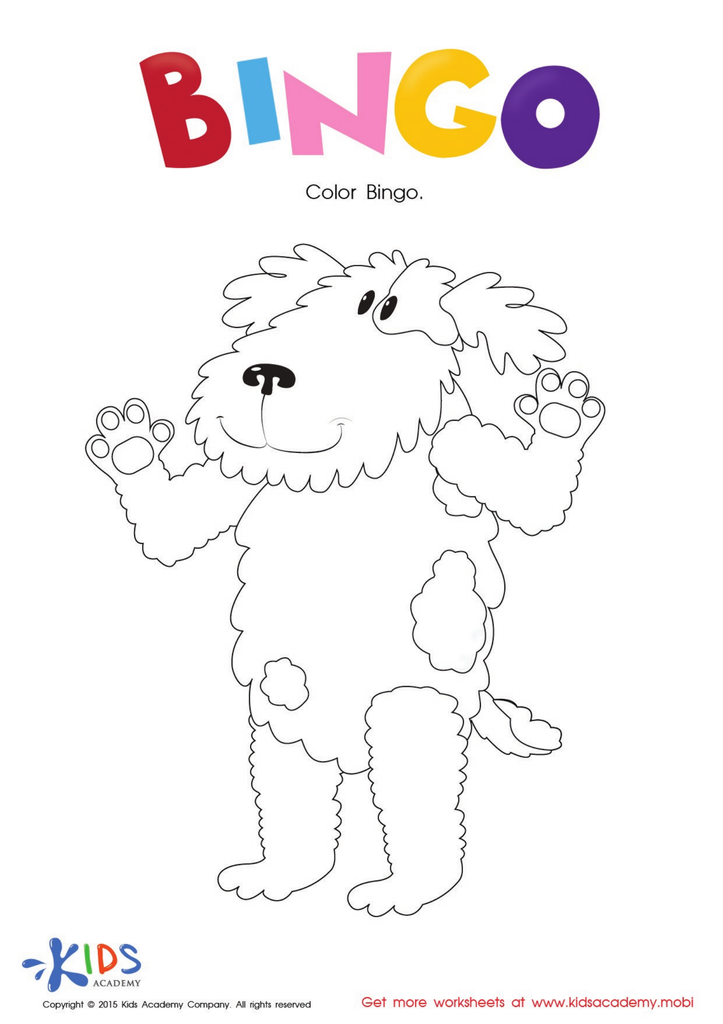
The Bingo Song: Coloring The Dog Worksheet
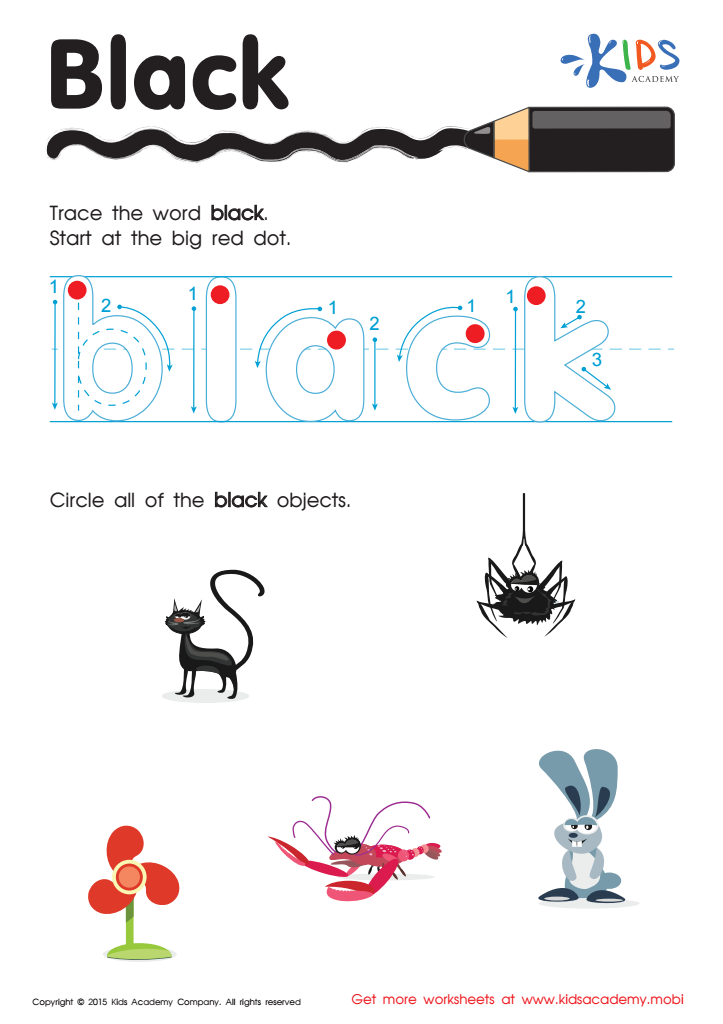
Black Tracing Color Words Printable
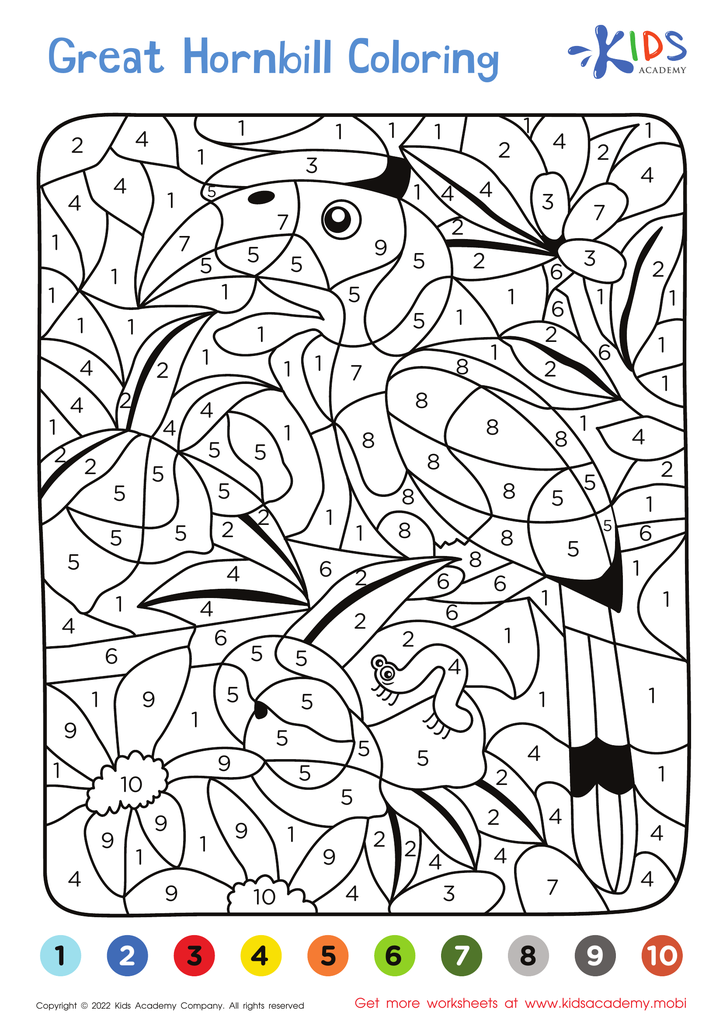
Great Hornbill – Coloring by Numbers
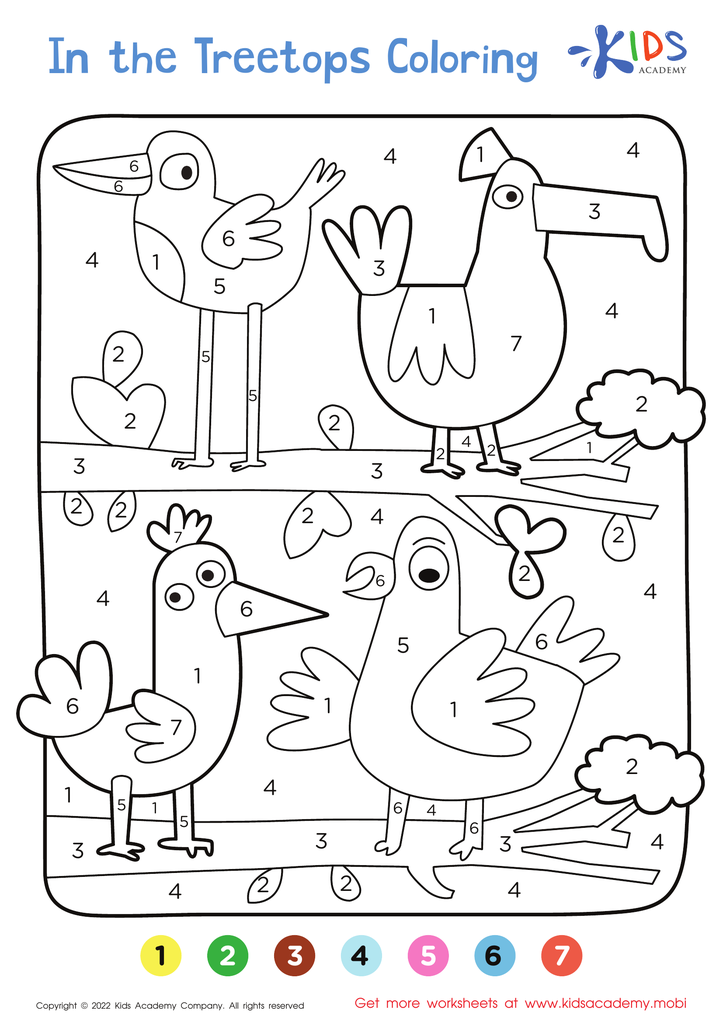
In the Treetops – Coloring Page
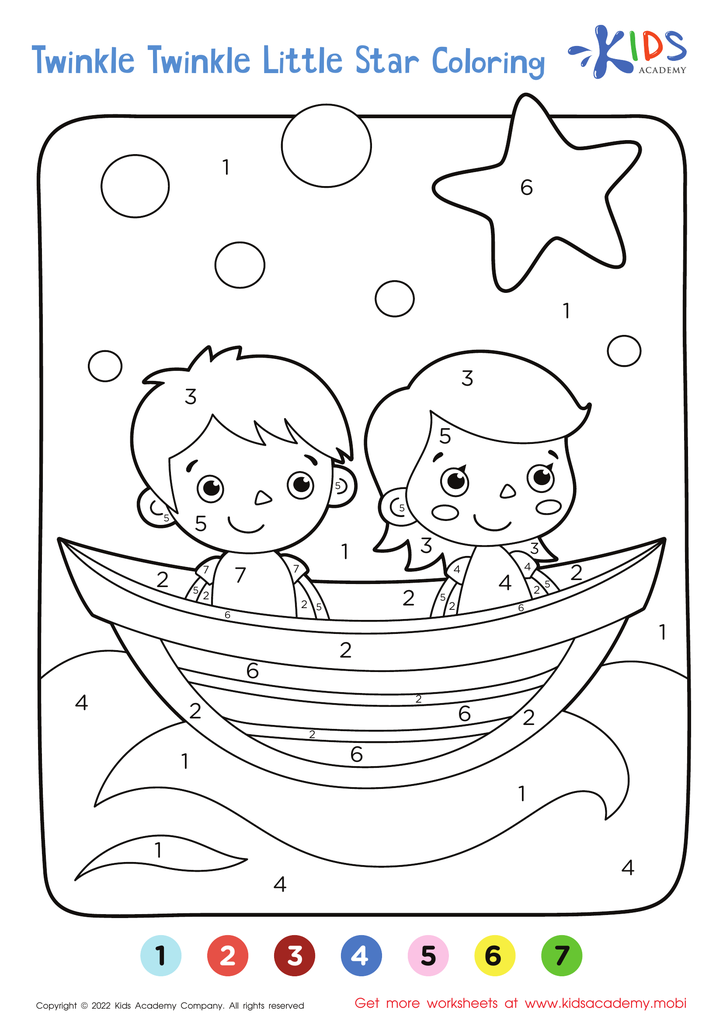
Twinkle, Twinkle, Little Star – Coloring by Numbers
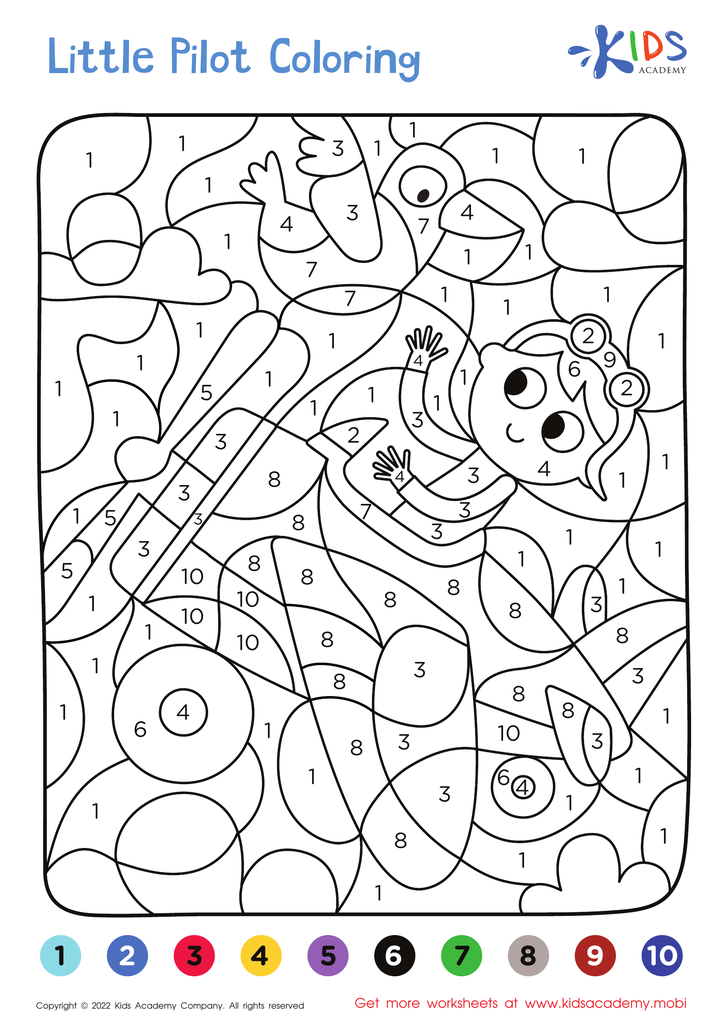
Little Pilot – Coloring by Numbers
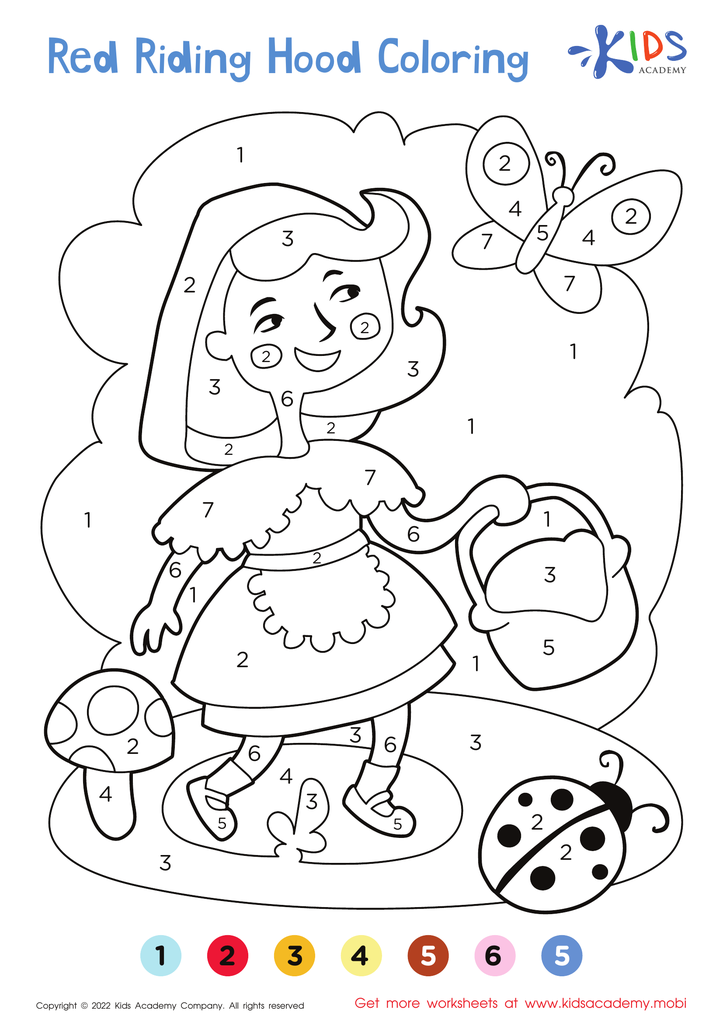
Little Red Riding Hood – Coloring by Numbers
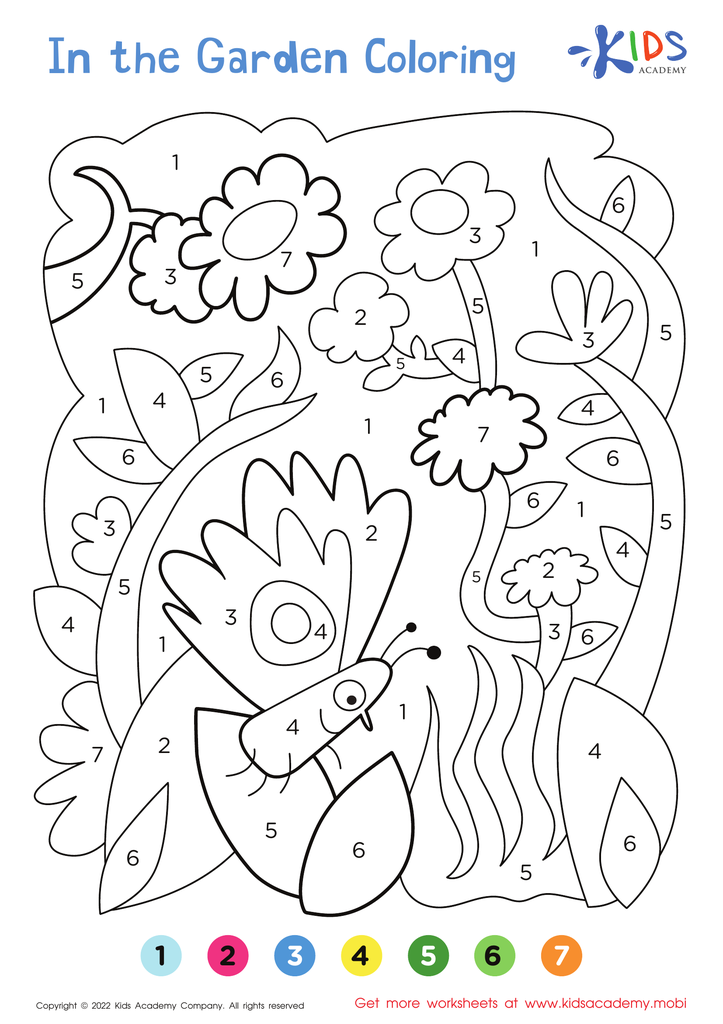
In the Garden – Coloring by Numbers







Color recognition is a fundamental skill that serves as a building block for a child’s overall development, making it essential for parents and teachers to prioritize in kindergarten. Knowing basic colors promotes cognitive growth, as it enhances a child's ability to categorize and identify objects in their environment. This skill is key to developing language skills; as children learn to name and describe colors, they expand their vocabulary and improve their communication abilities.
Moreover, color recognition ties into various subject areas, including art, math, and science. For instance, recognizing colors can aid in understanding patterns, shapes, and even emotional expressions, enriching their learning experience. Additionally, engaging with colors in activities stimulates creativity and fine motor skills through artistic projects and play, fostering both academic and personal growth.
In social contexts, recognizing and naming colors can bolster a child’s self-confidence, contributing positively to peer interactions and group activities. When teachers and parents prioritize color recognition, they not only equip children with vital skills for academic success but also cultivate an enriched and engaging learning environment where children feel inspired to explore and express themselves creatively. Emphasizing color learning is an investment in a child’s holistic development.








