Fine Motor Skills Kindergarten Worksheets - Page 11
244 filtered results
-
From - To
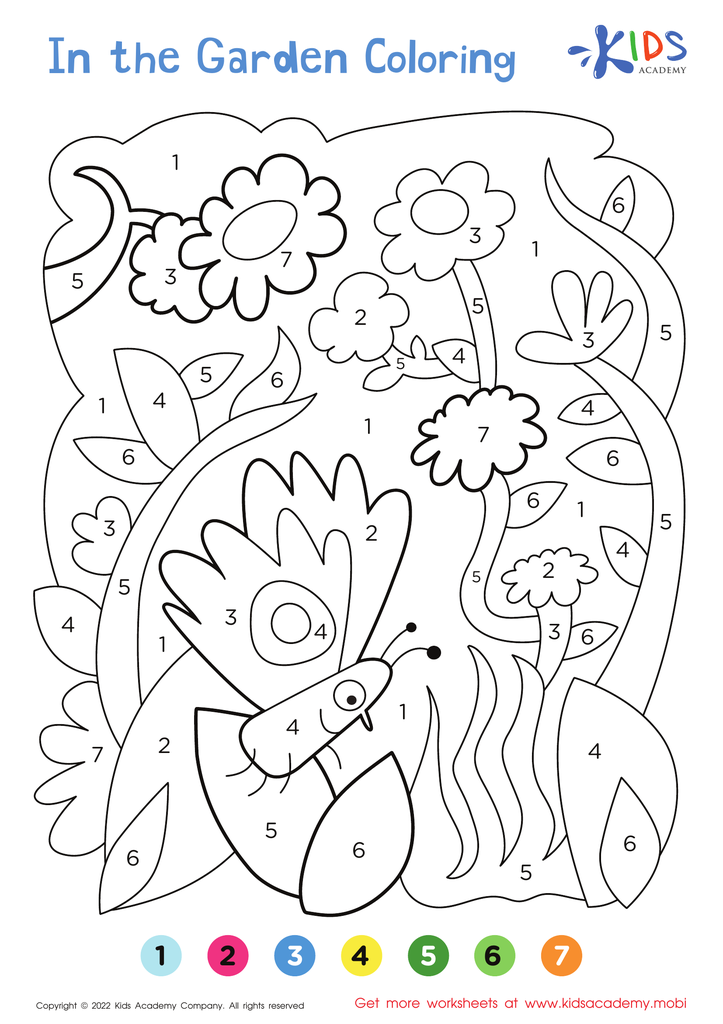
In the Garden – Coloring by Numbers
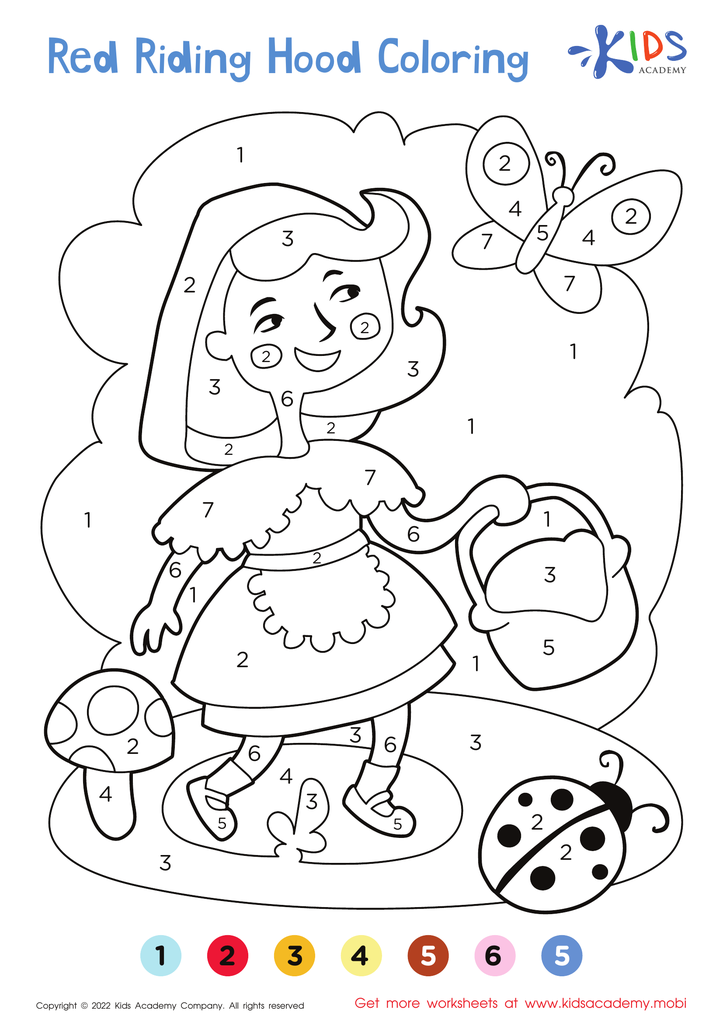
Little Red Riding Hood – Coloring by Numbers
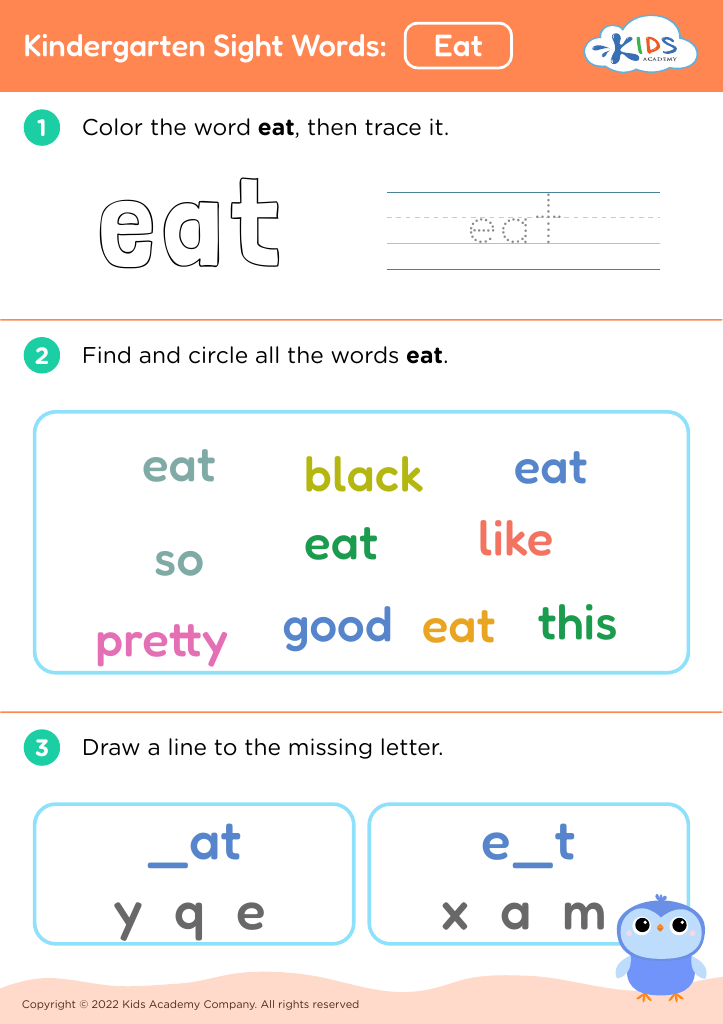
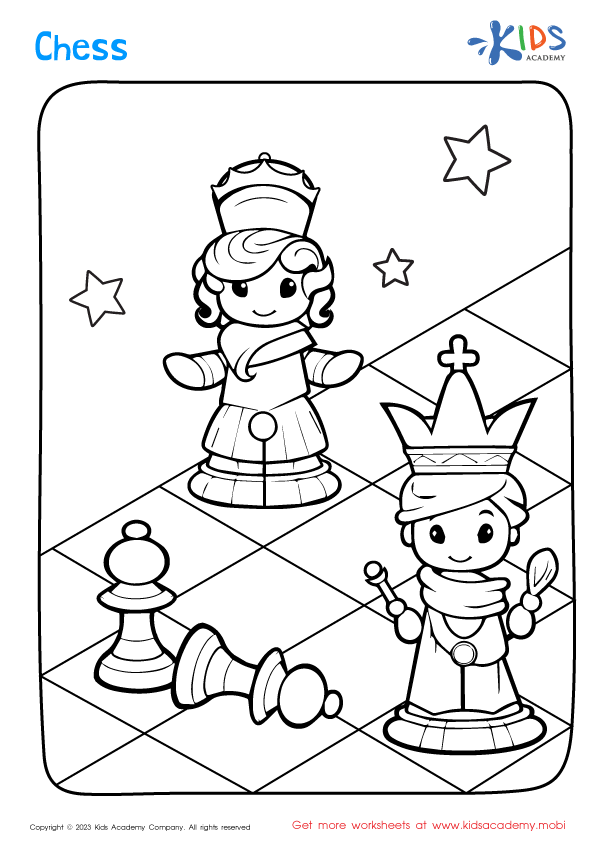








Fine motor skills are essential for young children's development, particularly in kindergarten, where they lay the groundwork for various academic and everyday tasks. These skills involve the coordination of small muscles in the hands and fingers, enabling children to perform precise movements such as holding a pencil, cutting with scissors, and buttoning clothing.
Parents and teachers should prioritize fine motor skills because they directly impact a child's ability to participate effectively in classroom activities. Strong fine motor skills enhance a child's writing abilities, which is crucial for learning. They also foster independence in self-care tasks, important for a child’s confidence and self-esteem.
Moreover, fine motor activities can boost cognitive development—completing puzzles or building with blocks promotes problem-solving and critical thinking. These skills are foundational for later complex tasks, linking to overall academic success and life skills.
Lastly, given that children learn through play, engaging in fun activities that develop fine motor skills can help create a positive learning environment. By supporting the growth of fine motor skills, parents and teachers help children build a strong foundation for future learning and personal development, making it a vital area of focus in early education.








