Fraction simplification Kindergarten Worksheets
3 filtered results
-
From - To
Unlock the wonders of math with our Fraction Simplification Kindergarten Worksheets. Specifically designed for young learners, these engaging worksheets transform the complexities of fractions into fun, comprehendible activities. With vibrant visuals and simple instructions, children will enjoy learning how to simplify fractions through hands-on practice. Perfect for classroom and home use, our worksheets help build a strong arithmetic foundation. Inspire confidence and curiosity in your kindergarten students as they explore the world of fractions. Visit Kids Academy for a treasure trove of educational resources that make learning enjoyable and effective for budding mathematicians.


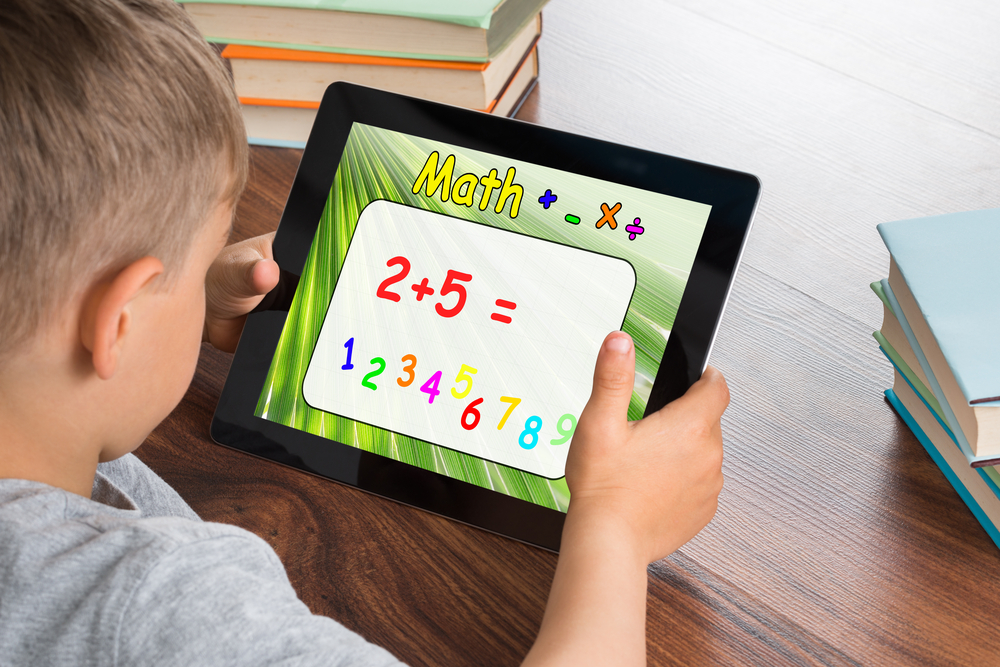




Instilling a foundational understanding of fraction simplification in Kindergarten is essential for several reasons. First, it provides young learners with a critical skill that will support their mathematical development as they progress through school. Understanding how to simplify fractions can make future concepts in mathematics, such as addition, subtraction, multiplication, and division of fractions, easier to grasp.
Furthermore, teaching fraction simplification at an early age helps children develop strong problem-solving skills. They learn to approach problems analytically and think critically about breaking down complex tasks into simpler, more manageable steps. These skills extend beyond mathematics and apply to various subjects and real-life scenarios.
Early exposure to fractions and their simplification also lays the groundwork for better number sense. It enables children to recognize relationships between different values and fosters understanding of proportions and ratios.
Additionally, focusing on this concept aligns with sequential learning, ensuring that young students build upon a stable foundation rather than trying to catch up later when topics assume comprehension of fractions.
In conclusion, fraction simplification is more than a math skill; it's a stepping stone that boosts problem-solving abilities and conceptual understanding across many disciplines, making it a crucial part of early education.