Money identification Kindergarten Worksheets
3 filtered results
-
From - To
Discover a fun and engaging way for your kindergarteners to learn money identification with our specially designed worksheets! These interactive resources help young learners recognize coins and bills, understand their values, and develop essential math skills. Each worksheet features colorful visuals and age-appropriate activities that encourage hands-on practice and improve comprehension. Ideal for classroom or home use, these worksheets make learning about money enjoyable and effective. With a variety of exercises to choose from, children will build confidence in their financial literacy while having fun. Explore our collection of Money Identification Kindergarten Worksheets today and watch your students thrive!
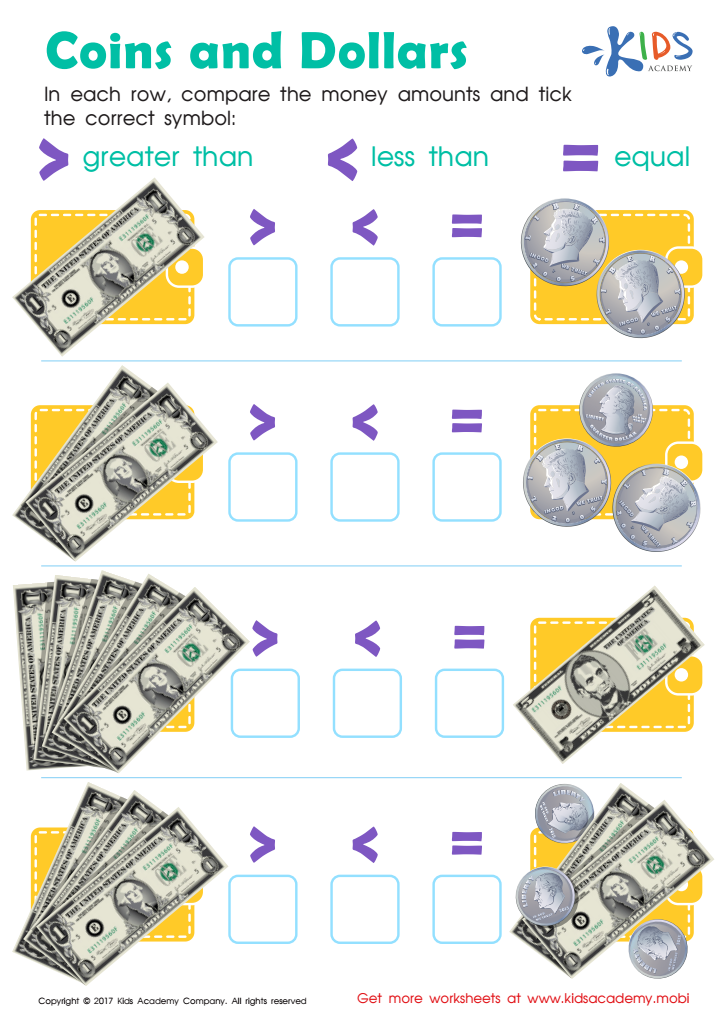
Money: Coins Dollars Printable
 Assign to My Students
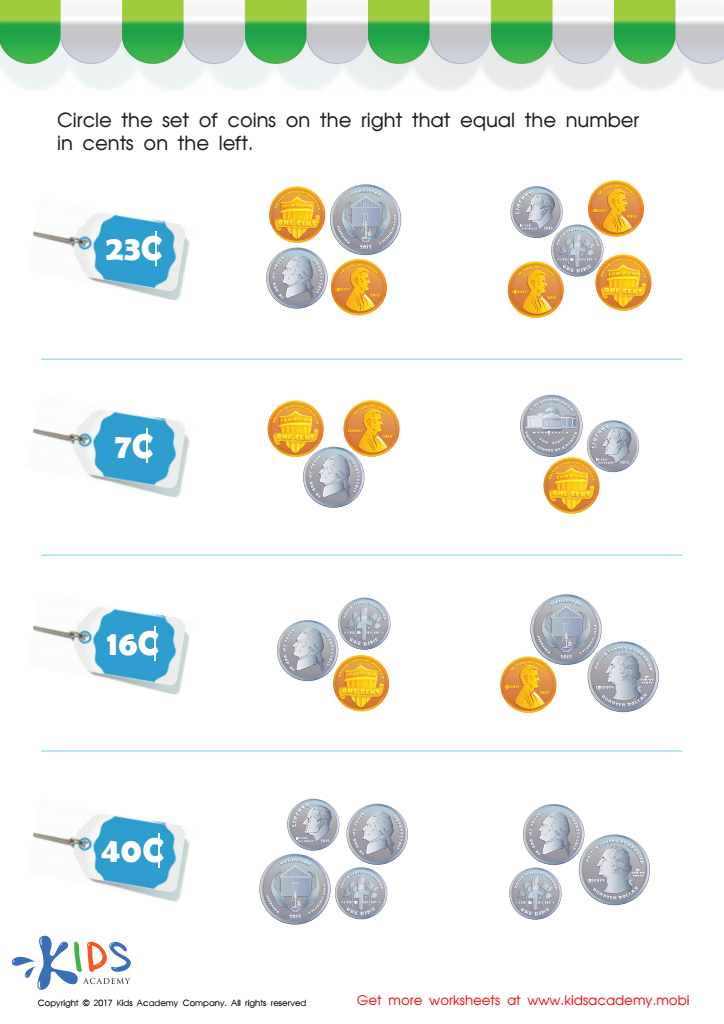
Picking the Coins You Need Money Worksheet
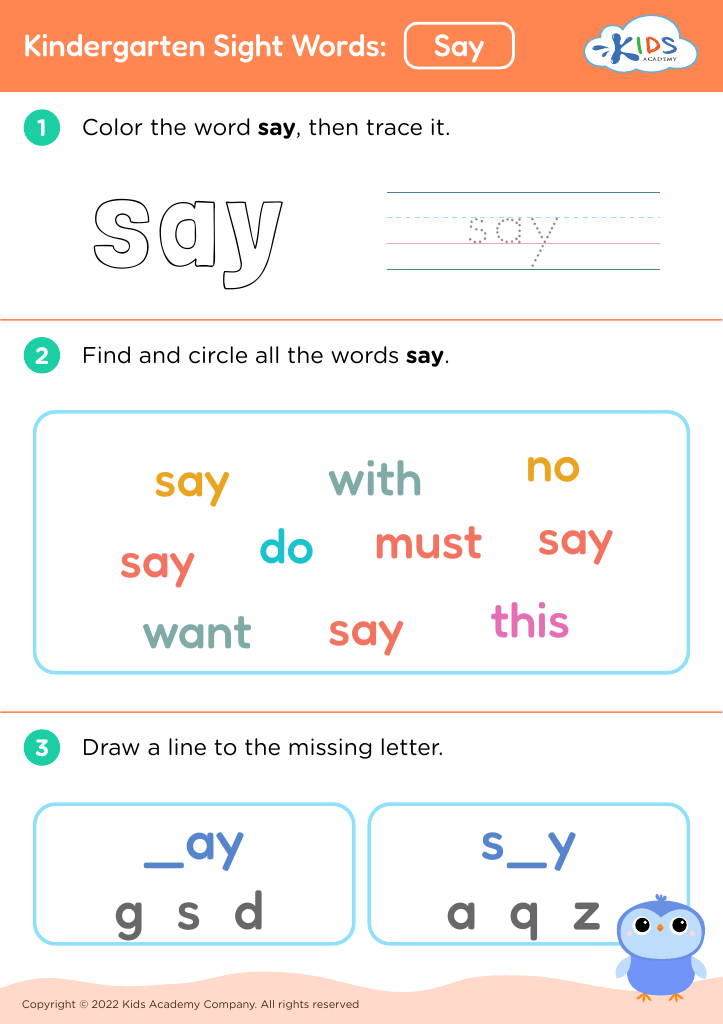








Money identification in kindergarten is a crucial skill that lays the foundation for financial literacy. For parents and teachers, fostering this skill can significantly impact a child's understanding of money and its value. From a young age, children are naturally curious about the world around them, including concepts of buying, selling, and saving. Teaching them how to identify different coins and bills enables them to engage in essential life skills, such as counting, budgeting, and decision-making related to spending.
Moreover, understanding money helps children grasp mathematical concepts they will encounter later in school, such as addition and subtraction. By promoting money identification, educators and parents also encourage critical thinking and practical application in real-life scenarios, whether during play or in everyday situations like grocery shopping.
Additionally, as children learn to differentiate between various denominations, they are empowered to manage small amounts of money, leading to a greater sense of responsibility and confidence. With the rise of digital transactions, having a solid foundation in traditional money forms is essential. Investing time in teaching money identification equips children with lifelong skills that can shape their financial habits positively, ultimately contributing to their overall well-being and future economic stability.








