Understanding symmetry Kindergarten Worksheets
6 filtered results
-
From - To
Explore our engaging "Understanding Symmetry Kindergarten Worksheets" designed to introduce young learners to the concept of symmetry in a fun and interactive way. These worksheets feature colorful images and hands-on activities that help children identify and create symmetrical patterns. Through tracing, coloring, and completing symmetrical designs, kids develop essential skills like fine motor coordination and visual perception. Perfect for classroom or home use, these worksheets encourage creativity and critical thinking while fostering a solid foundational understanding of symmetry. Download our worksheets today and watch your child enjoy learning through play! Ideal for early-grade educators and parents alike.
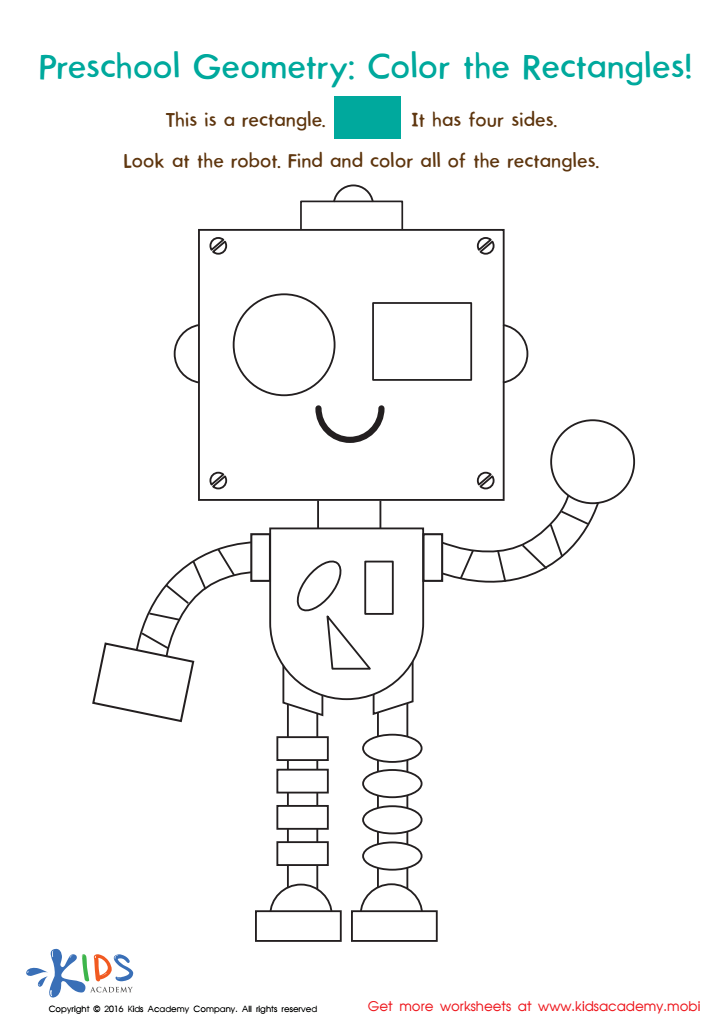
Geometry Worksheet
 Assign to My Students
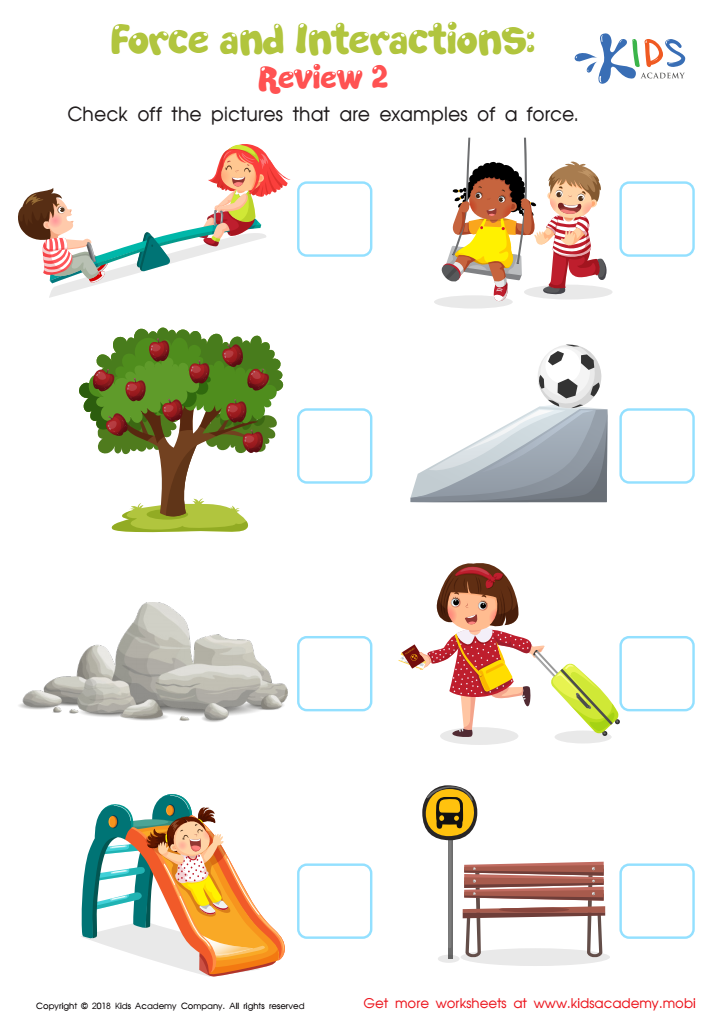
Force and Interactions: Review 2 Worksheet
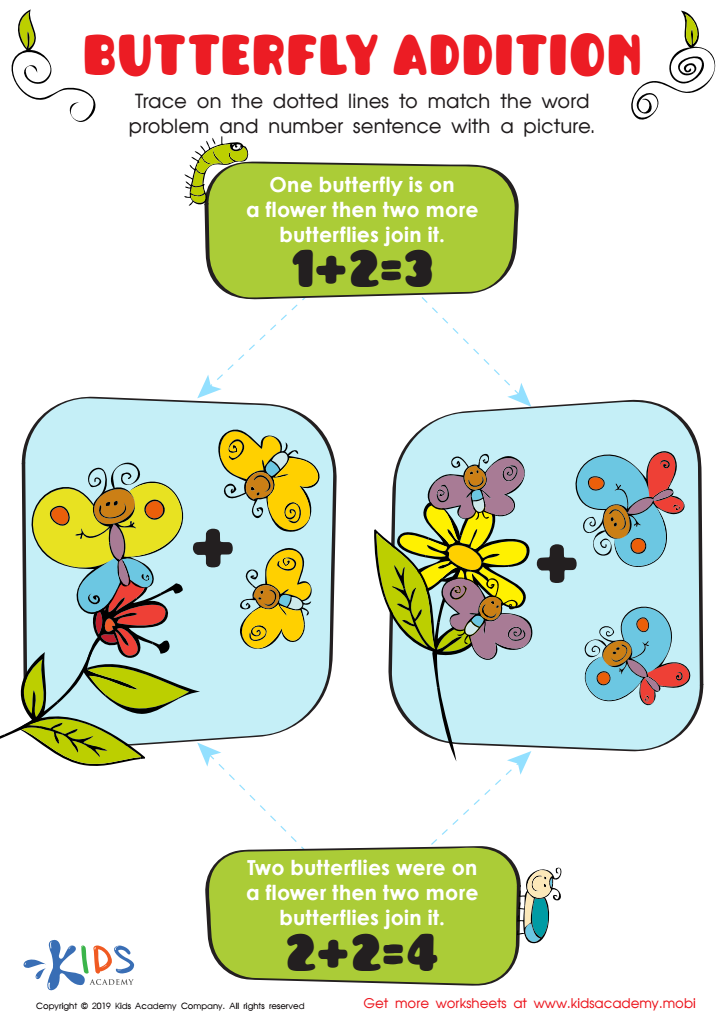
Butterfly Addition Worksheet
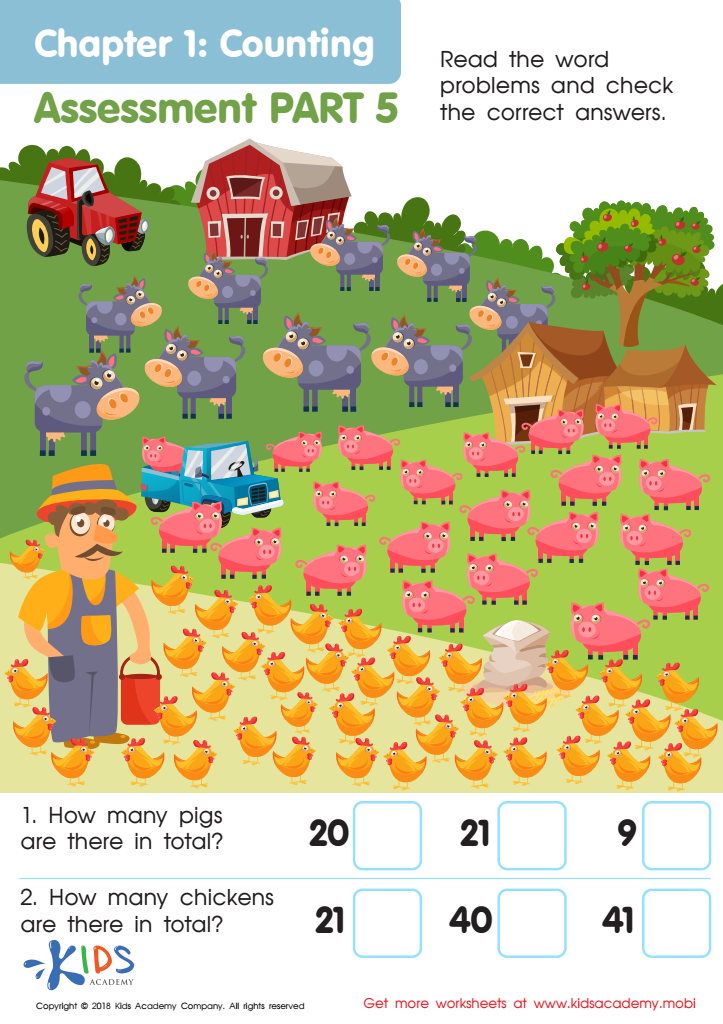
Counting: Assessment 5 Worksheet
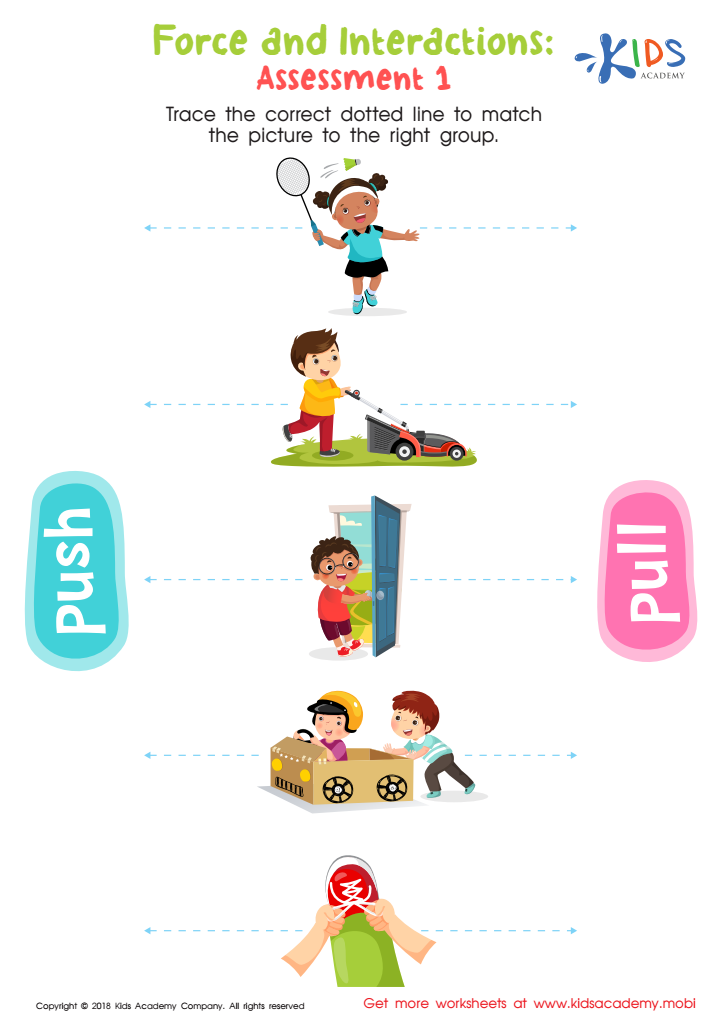
Force and Interactions: Assessment 2 Worksheet







.jpg)
Understanding symmetry in kindergarten is essential for several reasons that directly impact a child's cognitive development and learning. Firstly, it lays the foundation for critical mathematical concepts. Symmetry encourages children to recognize patterns and shapes, essential skills in geometry that will benefit them as they progress in their education. These early experiences with symmetry can enhance problem-solving skills and spatial awareness.
Moreover, engaging with symmetry helps develop fine motor skills through activities such as drawing, folding, and crafting symmetrical designs. These activities not only boost hand-eye coordination but also foster creativity as children explore art and design related to symmetry.
Teachers and parents should also note that understanding symmetry can be linked to developing observational skills. By identifying symmetrical objects in their environment, children become more aware of their surroundings and learn to categorize and classify objects based on physical attributes.
Lastly, promoting a grasp of symmetry can inspire a genuine interest in math and science, subjects that are crucial for overall academic success. By emphasizing microscopic principles like symmetry, educators and parents can spark curiosity, encouraging lifelong learning and encouraging positive attitudes towards STEM fields. Thus, understanding symmetry becomes a vital element of early childhood education.








