Understanding quantity Kindergarten Addition Worksheets
3 filtered results
-
From - To
Introducing "Understanding Quantity Kindergarten Addition Worksheets," an essential resource designed to build foundational math skills for young learners. These engaging and colorful worksheets help kindergartners grasp the concept of quantity and simple addition through interactive activities and relatable visuals. Each worksheet features fun themes and exercises that encourage hands-on learning and boost confidence in math. By practicing with these worksheets, children will enhance their counting abilities, recognize numbers, and develop the critical thinking skills needed for future math success. Ideal for both classroom and at-home learning, these worksheets make understanding addition an exciting and rewarding journey for your little ones!
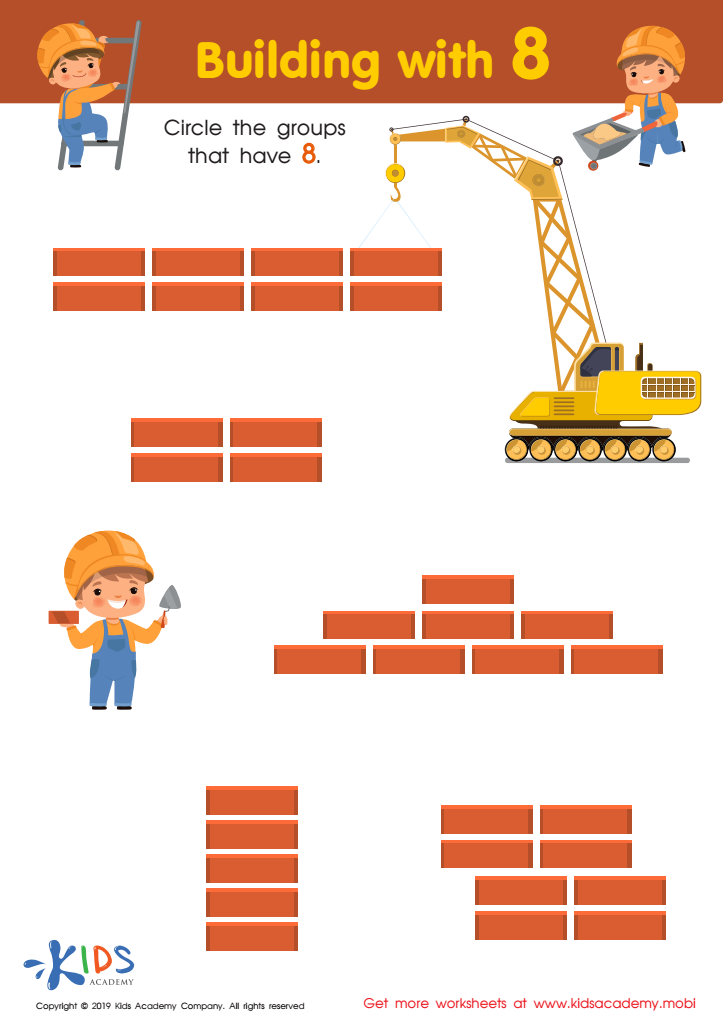
Building with 8 Worksheet
 Assign to My Students
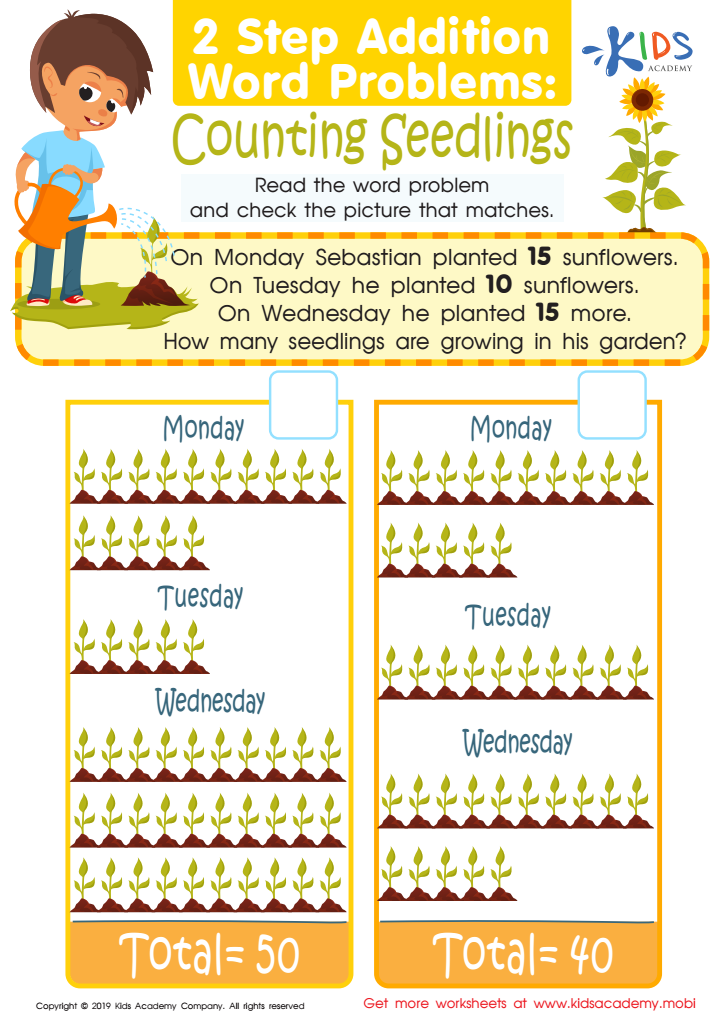
Counting Seedlings Worksheet
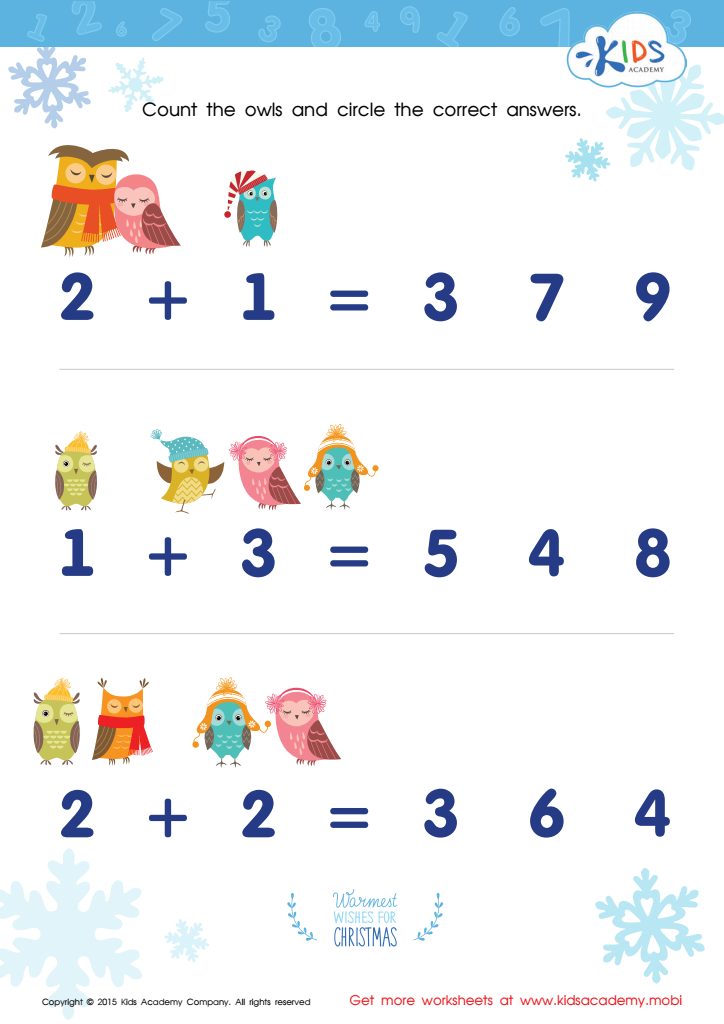
Count Little Owls Worksheet


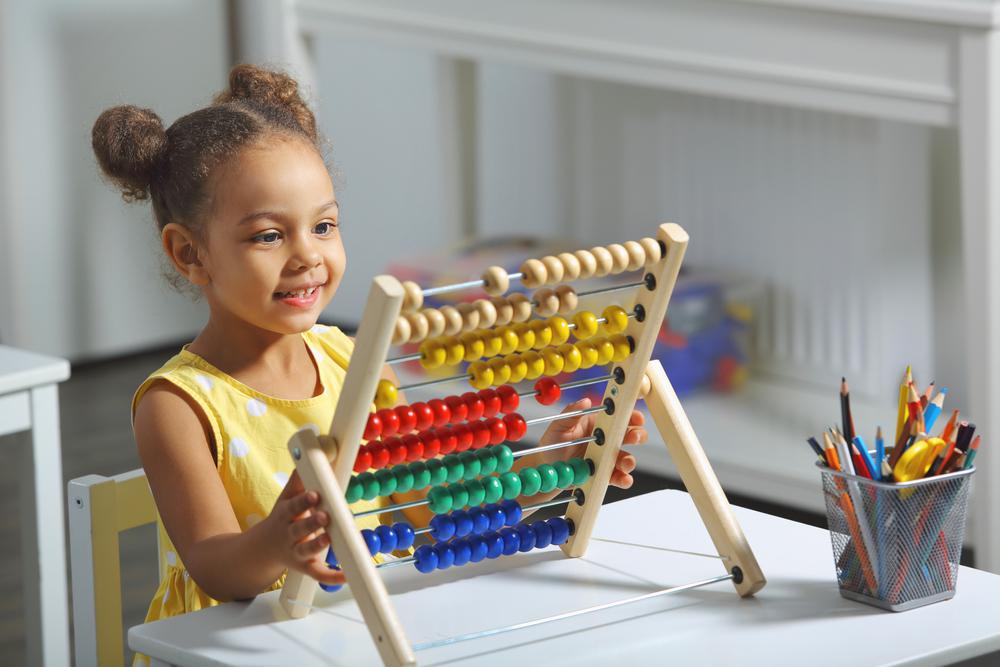





Understanding quantity and kindergarten addition is foundational for young children's mathematical development, and thus, it's crucial for parents and teachers to grasp its importance. At this early stage, children begin to form their sense of numbers and how they relate to one another, which is vital for future mathematical learning.
Learning to quantify objects requires children to recognize the concept of number as more than a mere label—it represents a value that can be manipulated. Kindergarten addition, involves combining sets to produce a total, which helps to solidify this understanding of quantity. This forms the basis for more complex operations they will encounter later on, including subtraction, multiplication, and division.
By emphasizing quantity and basic addition in kindergarten, parents and teachers can help children build confidence and enthusiasm for mathematics. Students become adept at solving simple problems and develop critical thinking and problem-solving skills that are transferable across subjects. Furthermore, early positive experiences in math can mitigate anxiety and foster a love for the subject, making students more likely to excel as they progress through their education. Supporting children in grasping these key concepts ensures they have a strong foundation, setting them up for long-term academic success and an ability to tackle real-world situations that require numerical understanding.








