Analytical thinking Kindergarten Math Worksheets
3 filtered results
-
From - To
Introducing our engaging "Analytical Thinking Kindergarten Math Worksheets," designed to nurture young minds and develop critical reasoning skills through fun activities! These worksheets focus on essential mathematical concepts while encouraging kids to think analytically as they solve problems, recognize patterns, and make predictions. Featuring colorful illustrations and interactive exercises, our resources create an enjoyable learning experience that promotes cognitive development. Perfect for classroom use or at-home practice, these worksheets support early learners on their educational journey. Enhance your child's confidence and abilities in mathematics with our thoughtfully crafted materials designed for curious kindergarteners! Explore our collection today and watch them flourish!
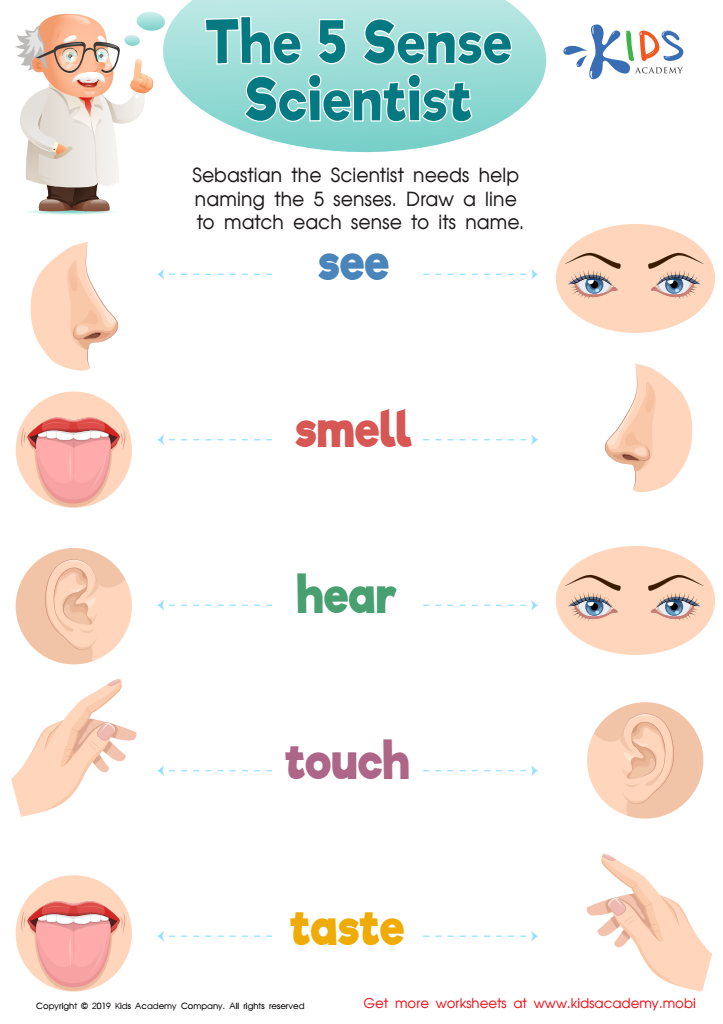
The 5 Sense Scientist Worksheet
 Assign to My Students
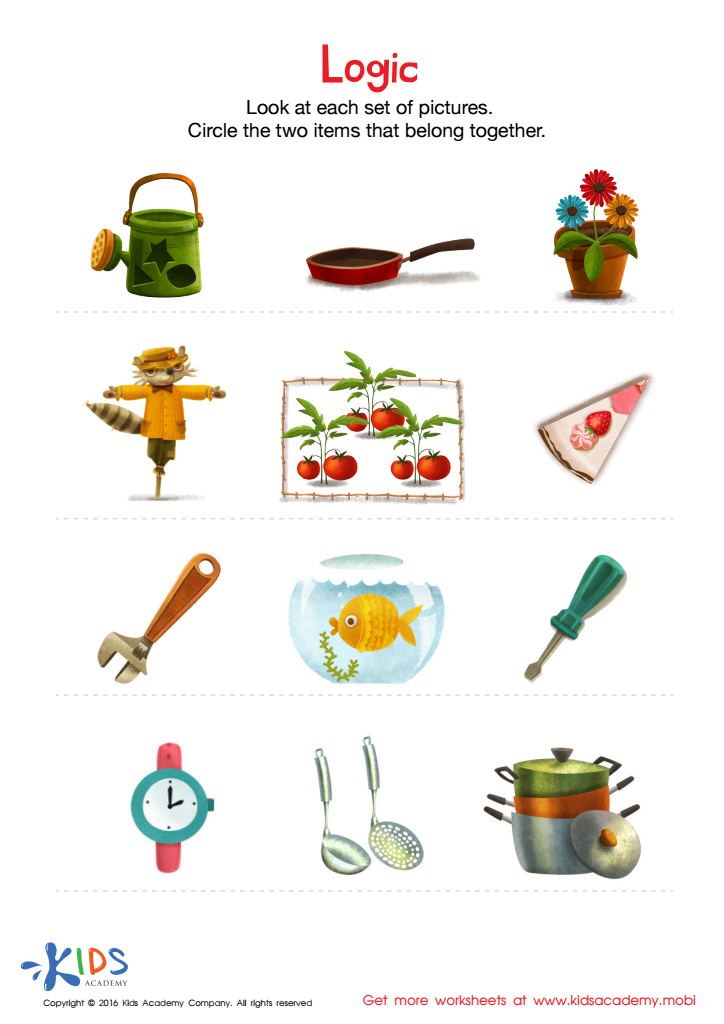
Logic Game Sorting Worksheet
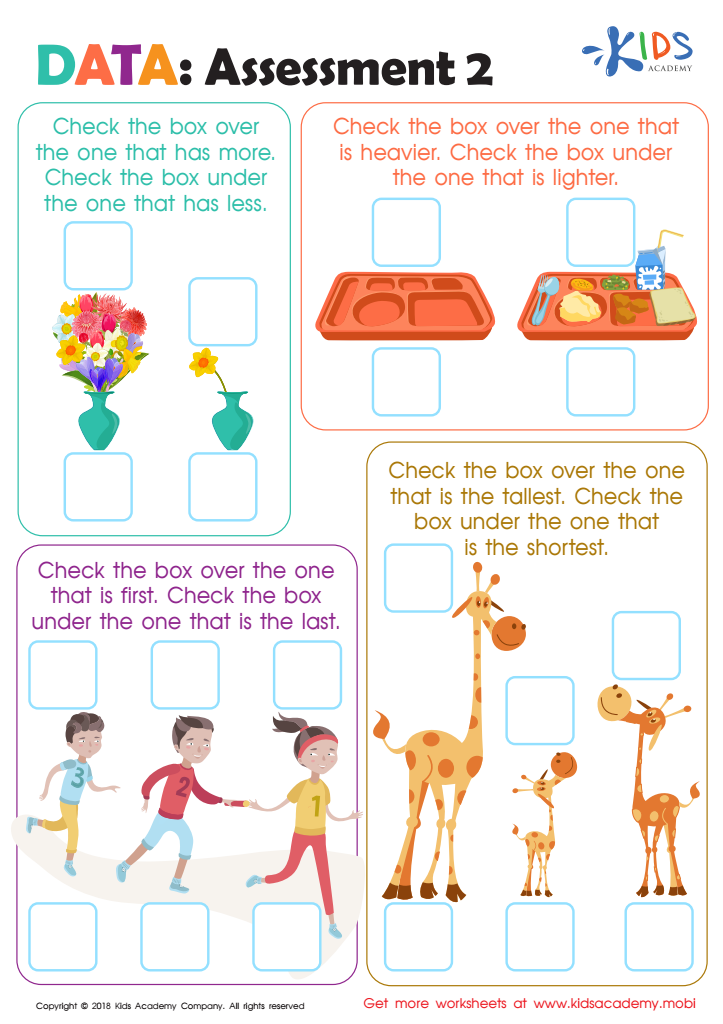
Data: Assessment 2 Worksheet



%20(1).jpg)




Analytical thinking in kindergarten math is essential as it lays the foundation for critical problem-solving skills and logical reasoning. When children engage in analytical thinking during math activities, they learn how to dissect problems, identify patterns, and formulate strategies to arrive at solutions. This skill not only enhances their mathematical understanding but also promotes cognitive development essential for academic success in all subjects.
For parents and teachers, fostering analytical thinking in math during the early years is vital. It encourages a growth mindset in children, teaching them that challenges can be approached in various ways and solvable with persistence. This cultivates resilience and confidence as they tackle more complex concepts later on.
Moreover, analytical skills gained in kindergarten encourage children to think independently, which is crucial as they progress in their education. Engaging children in activities that promote critical thought—such as sorting, categorizing, and comparing objects—provides them with tools to interpret the world around them.
Ultimately, prioritizing analytical thinking in kindergarten math not only enriches children's immediate learning experiences but also prepares them for future academic and life challenges, making it a worthy focus for both parents and educators.








