Problem-Solving Skills Kindergarten Word Problems Worksheets - Page 2
37 filtered results
-
From - To
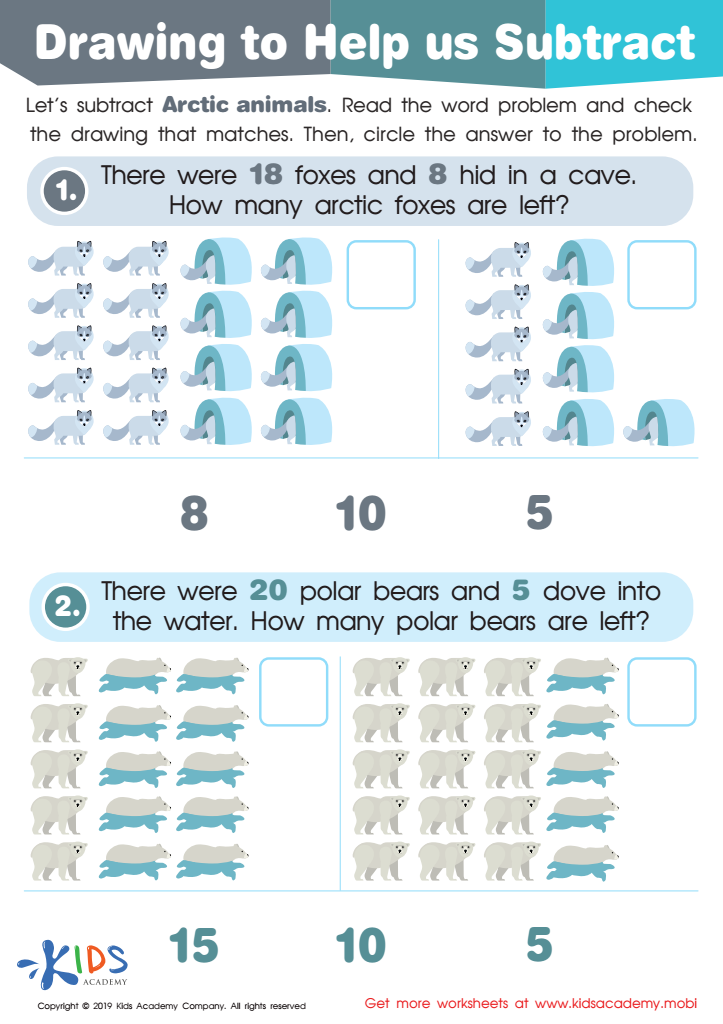
Drawing to Help Us Subtract Worksheet
 Assign to My Students
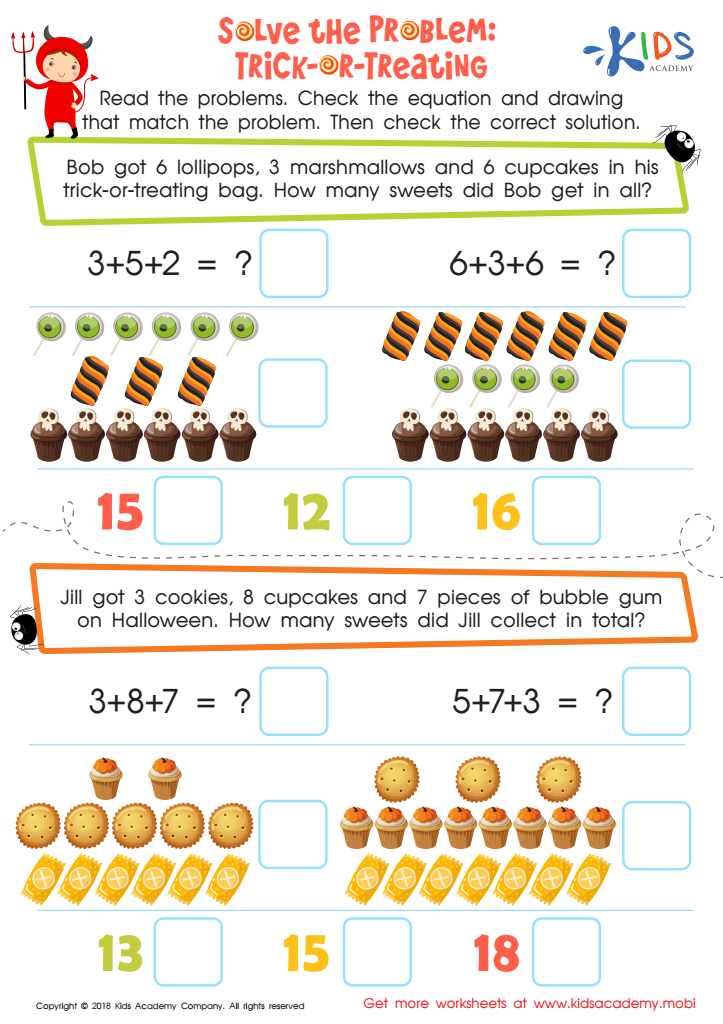
Solve the Problem: Trick–or–treating Worksheet
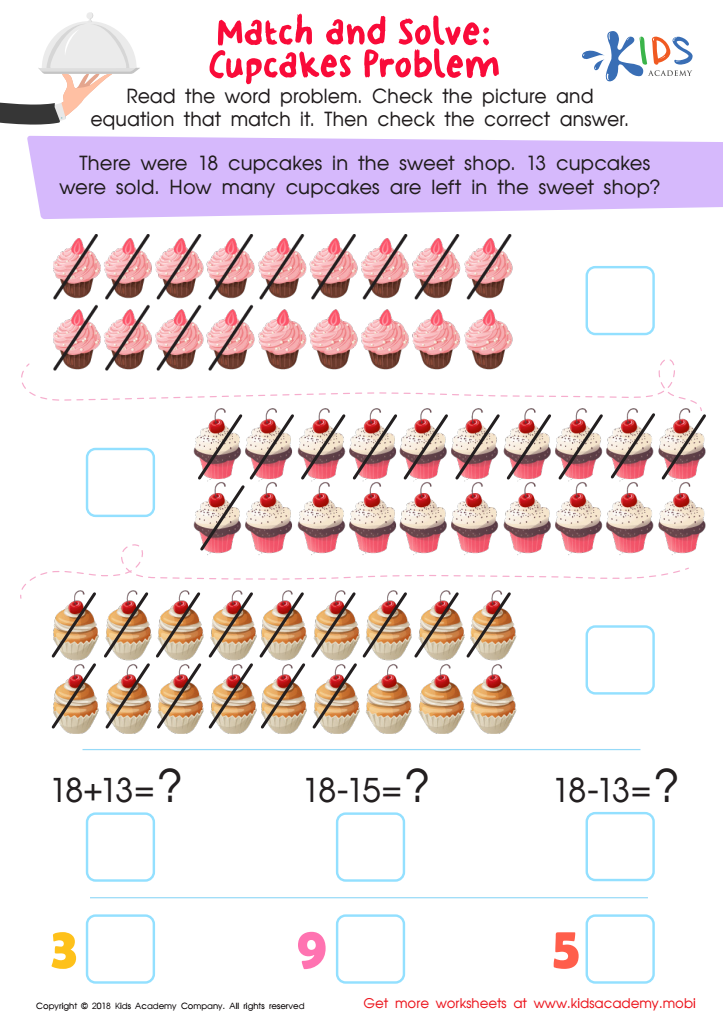
Match and Solve: Cupcakes Problem Worksheet
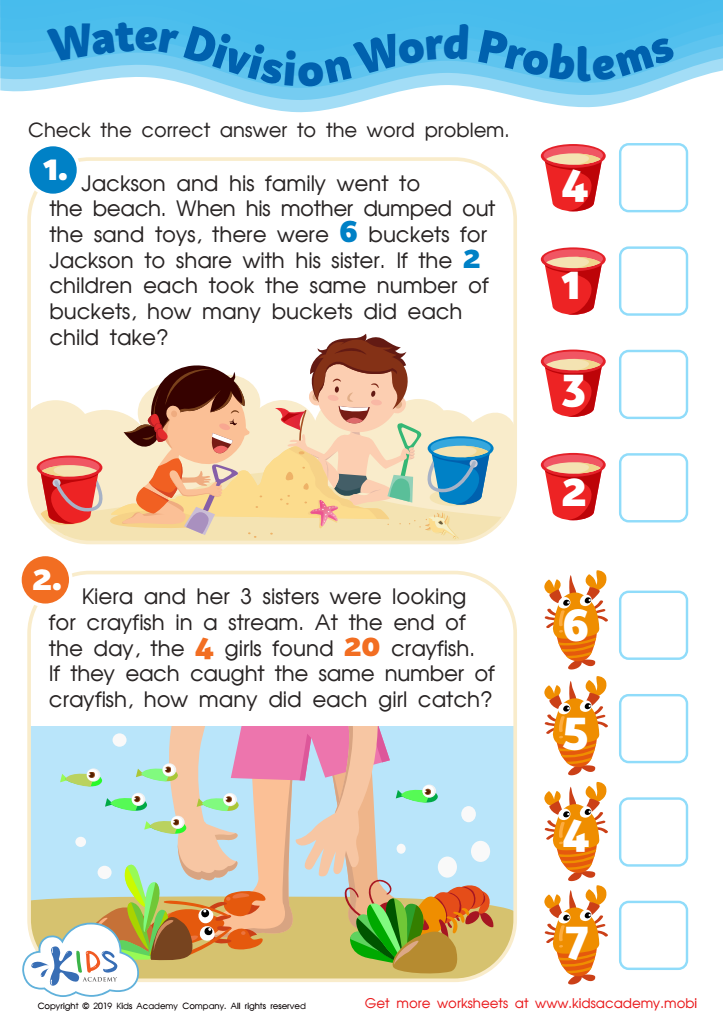
Water Division Word Problems Worksheet
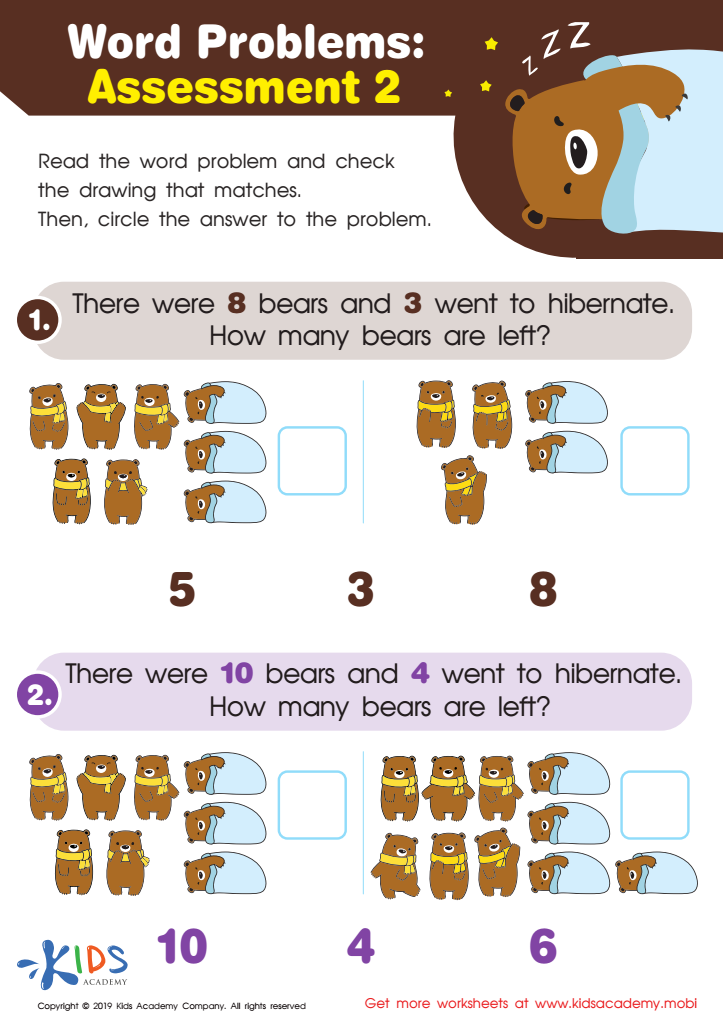
Word Problems: Assessment 2 Worksheet
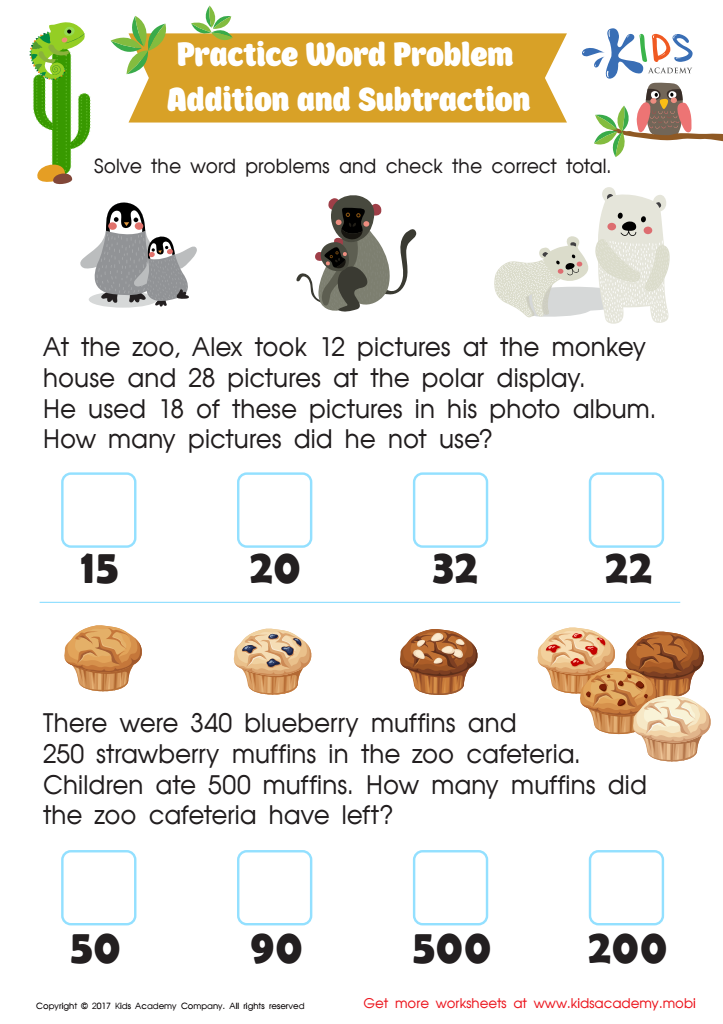
Addition and Subtraction: Word Problems Worksheet
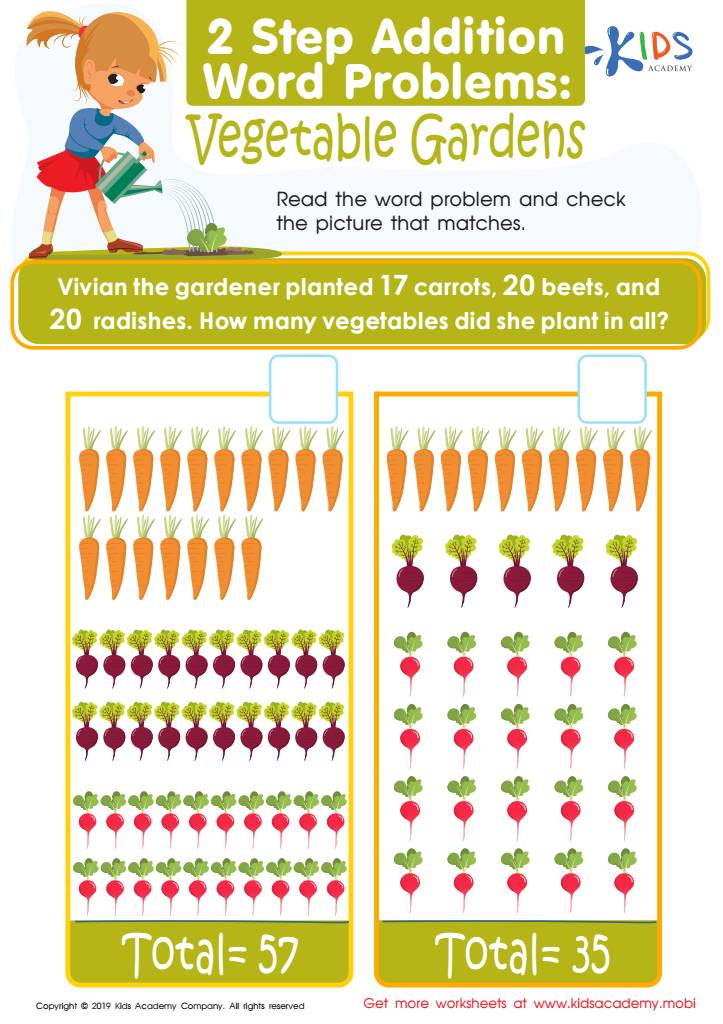
Vegetable Gardens Worksheet
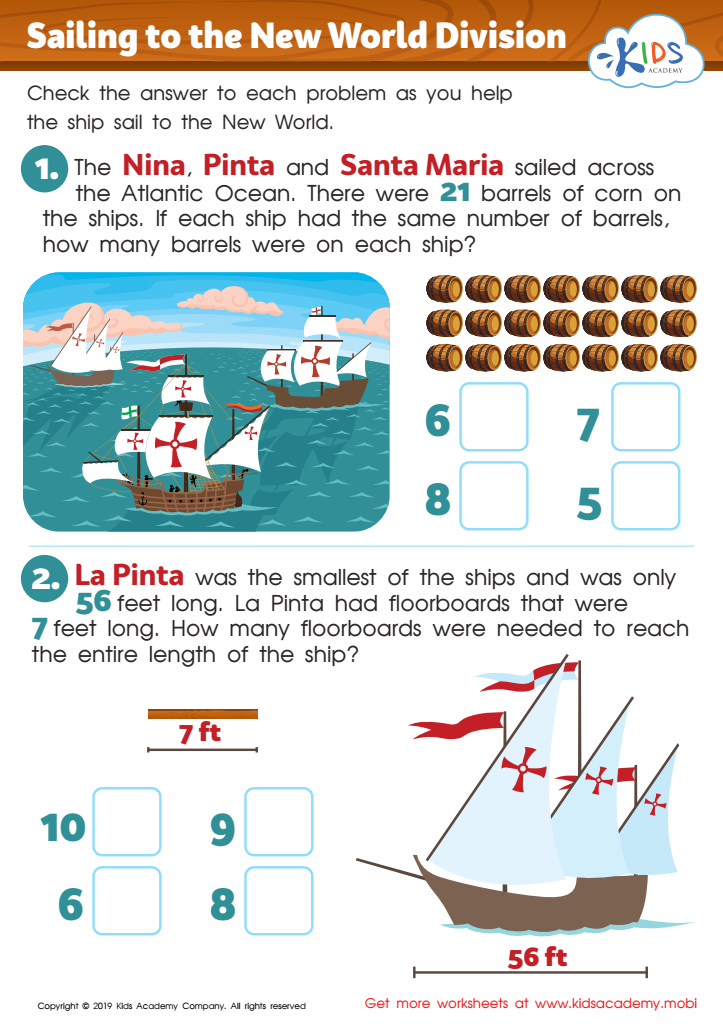
Sailing to the New World Division Worksheet
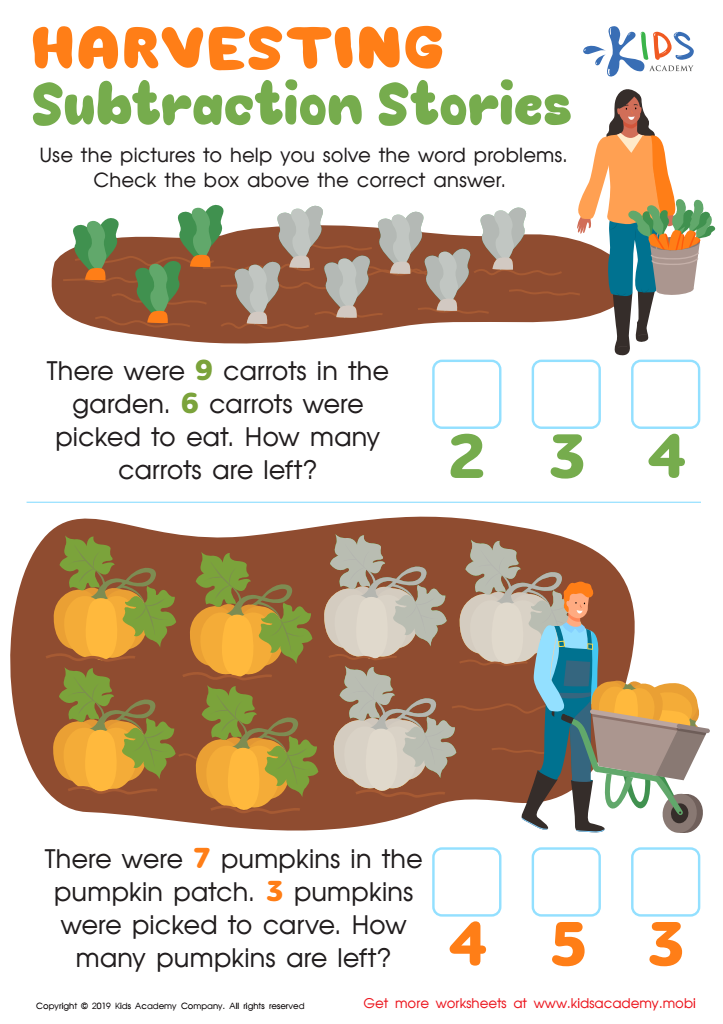
Harvesting Subtraction Stories Worksheet
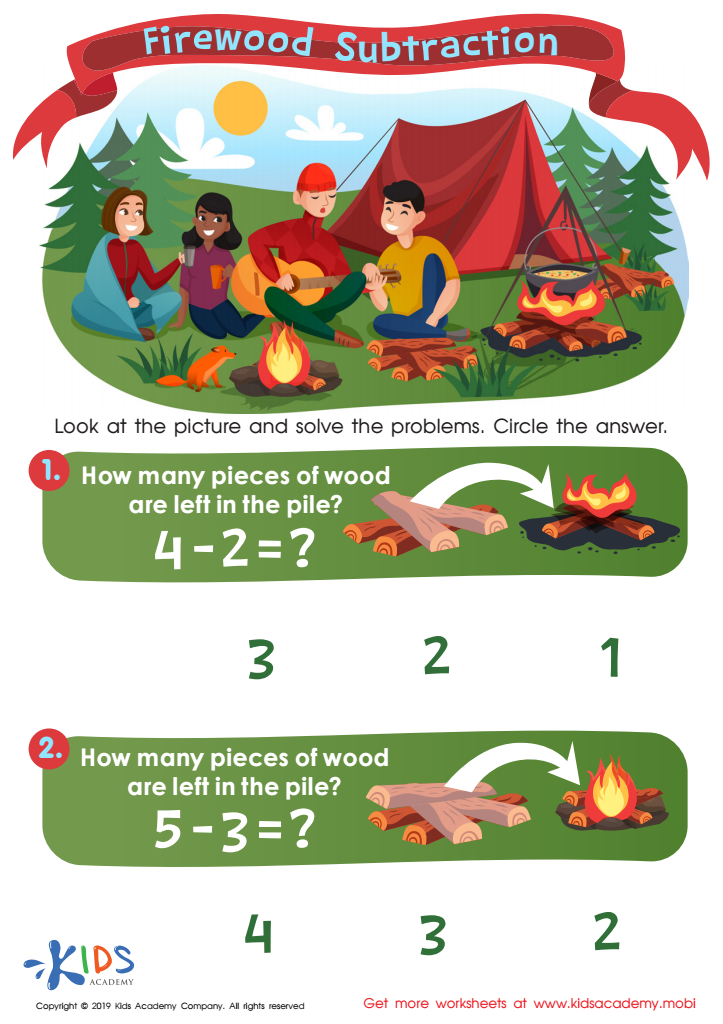
Firewood Subtraction Worksheet
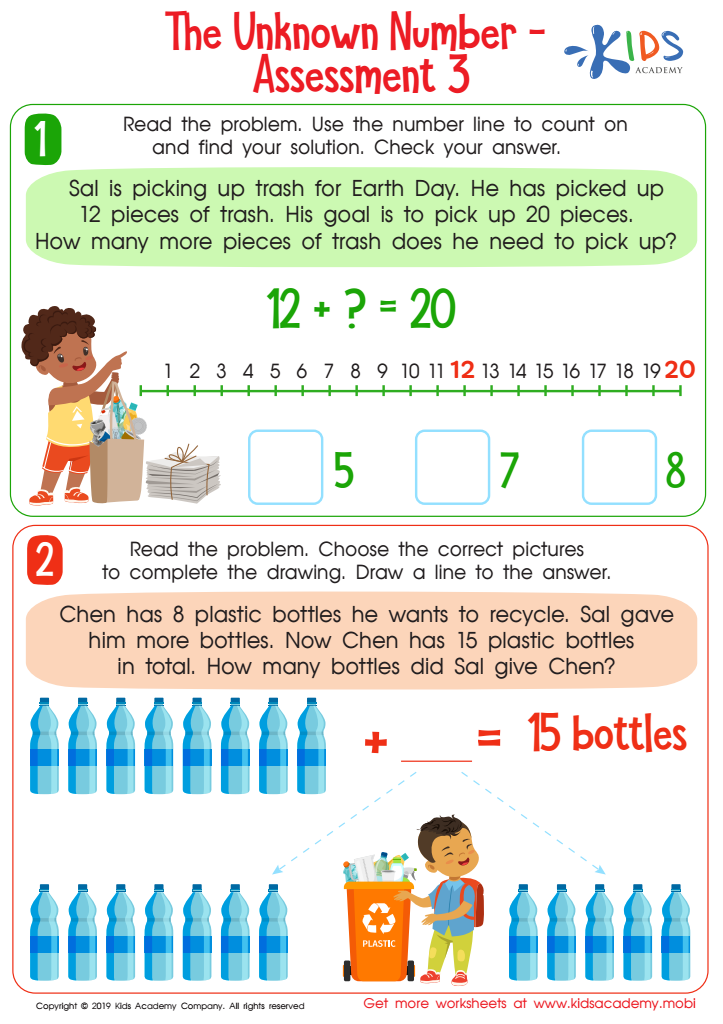
The Unknown Number - Assessment 3 Worksheet
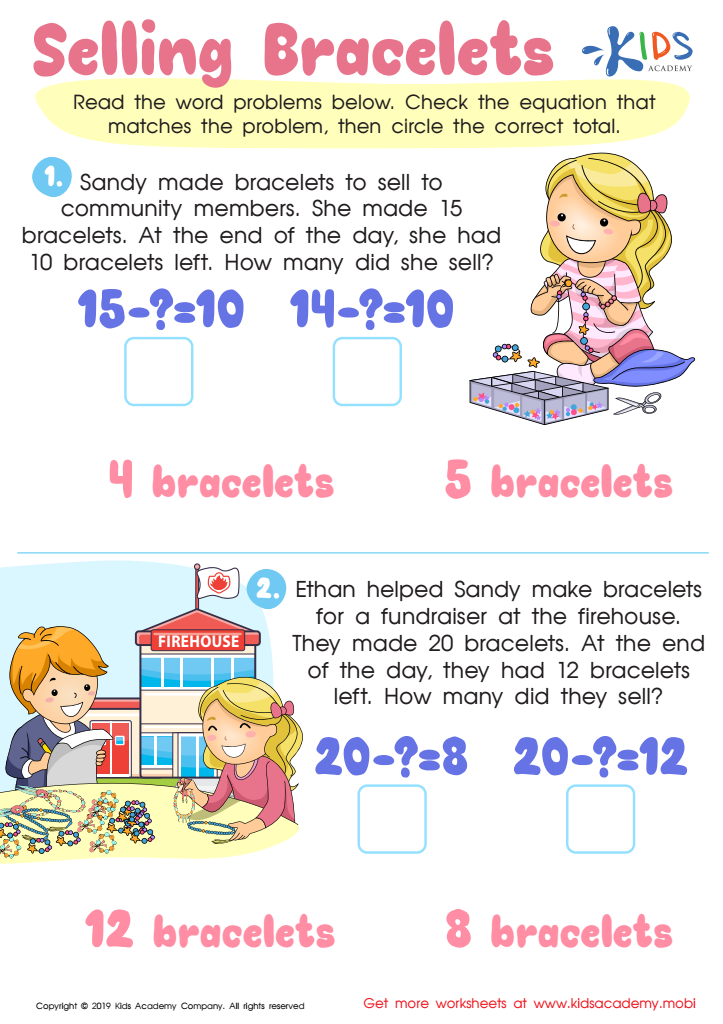
Selling the Bracelets Worksheet
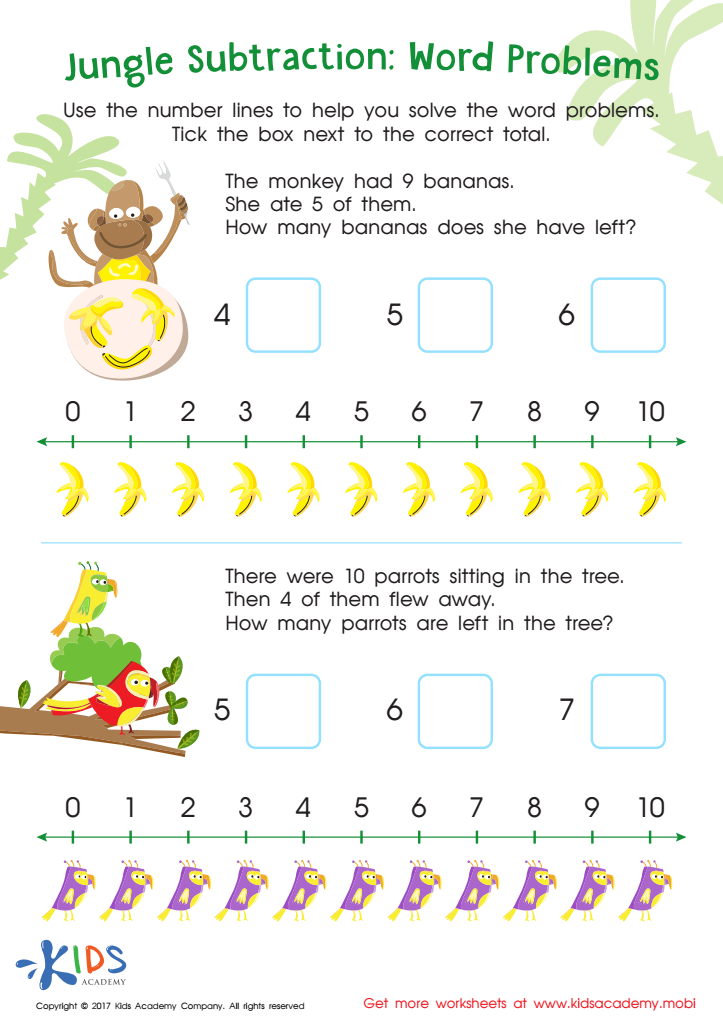
Jungle Subtraction Word Problems Substraction Worksheet








Problem-solving skills in early education, particularly through kindergarten word problems, are crucial for a child’s cognitive and emotional development. When parents and teachers focus on these skills, they lay a foundation for critical thinking and analytical reasoning. Learning to navigate word problems encourages young learners to interpret information, differentiate between relevant and irrelevant details, and formulate strategies for solutions. This not only sharpens their mathematical abilities but also enhances their verbal skills as they articulate their thought processes.
Cultivating problem-solving skills in young children also fosters resilience. When faced with challenging problems, kids learn that mistakes are part of the learning process. This builds a growth mindset, helping them to embrace challenges rather than shy away from them. Moreover, these skills have real-world applications. Effective problem-solvers are better prepared for future academic challenges and life situations that require critical thinking, creativity, and adaptability.
Ultimately, parents and teachers who prioritize problem-solving in kindergarten help children become proactive learners, capable of approaching challenges with confidence. This investment in foundational skills not only benefits their current academic journey but also equips them with essential life skills that will serve them well beyond the classroom.








