Filters

7 filtered results

Clear all filters
Favorites
With answer key
Interactive

7 filtered results

Difficulty Level

Grade


Empower your child's early learning journey with our engaging Fine Motor Skills Kindergarten Science Worksheets. Carefully crafted to blend fun with education, these worksheets provide young learners with hands-on activities to refine their fine motor skills. From completing patterns to tracing lines, kids will develop essential hand-eye coordination, dexterity, and precision—all while exploring fundamental scientific concepts. Perfect for classroom use or at-home learning, our worksheets cater to different learning styles, ensuring every child can achieve skill mastery. Spark curiosity and boost motor skills with these interactive science exercises from Kids Academy today!

Check out this FREE Kindergarten Trial Lesson on Science!

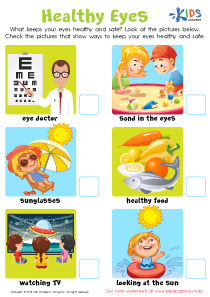
Exactly the Same, or Not

Favorites
With answer key
Interactive
  • Kindergarten
  • Fine Motor Skills
  • Science
Parts of the Body Worksheet

Robot Printable

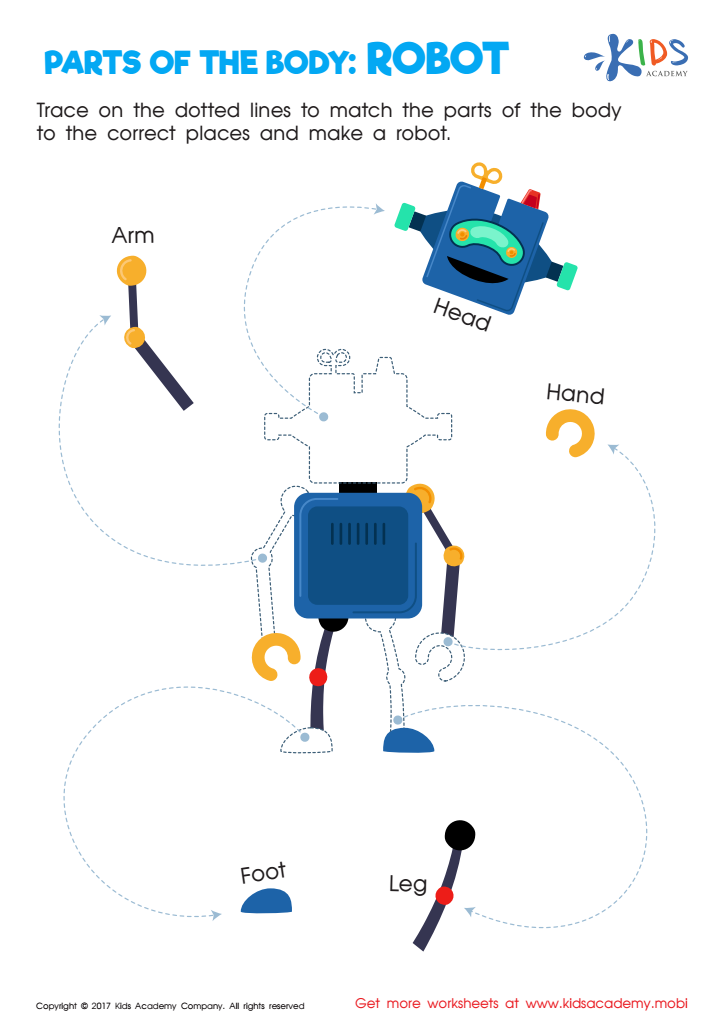
Introduce your child to a fun robot and help her hone her matching skills with this parts of the body worksheet! Your child will trace dotted lines to match the robot's body parts to the right place, helping her focus, use abstract thinking and reason better. This worksheet is sure to get your child excited and help her build essential skills for future success!
Robot Printable
Worksheet
Shapes in the Real World Worksheet

Shapes in the Real World Worksheet

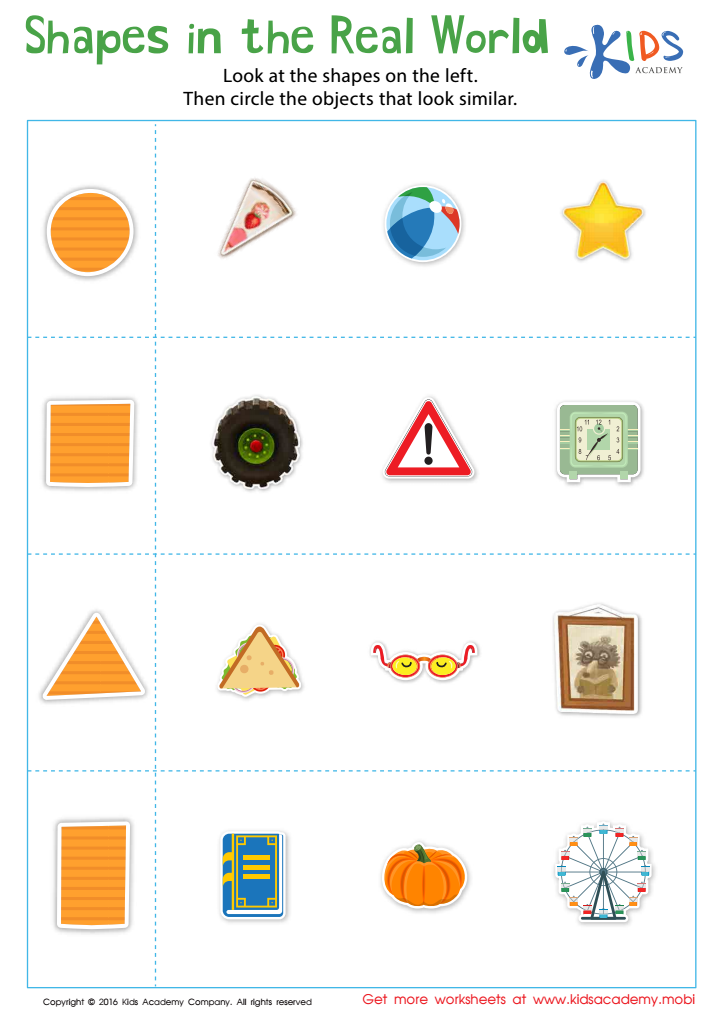
Teach kids math in real-world context with this fun and inviting PDF. Let them explore geometric shapes and match them with everyday objects, giving them practice with fine motor skills and reinforcing basic shapes. Help them understand that math is everywhere in their lives!
Shapes in the Real World Worksheet
Worksheet
Body Parts Worksheet

Alien Worksheet

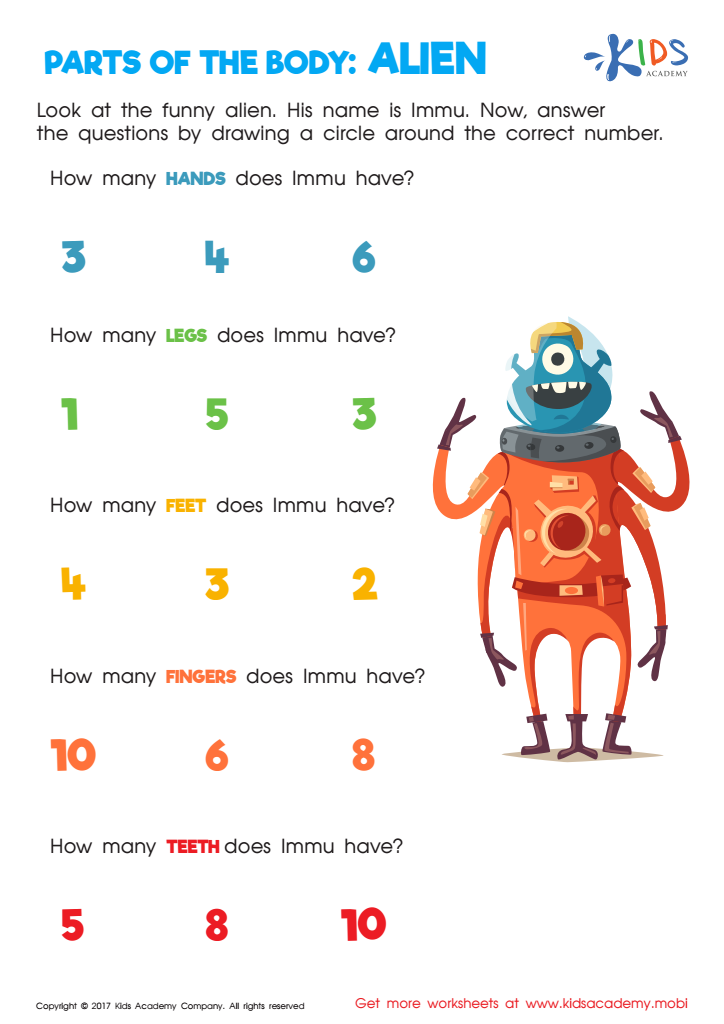
Take your child on an out-of-this-world learning adventure with Immu, our friendly alien! This worksheet helps your child practice counting, recognize body parts and sharpen problem solving skills. Get started with this fun, educational activity today and watch as they learn and grow. Print it now and blast off to outer space!
Alien Worksheet
Worksheet
Prickly Nature Printable Worksheet

Prickly Nature Worksheet

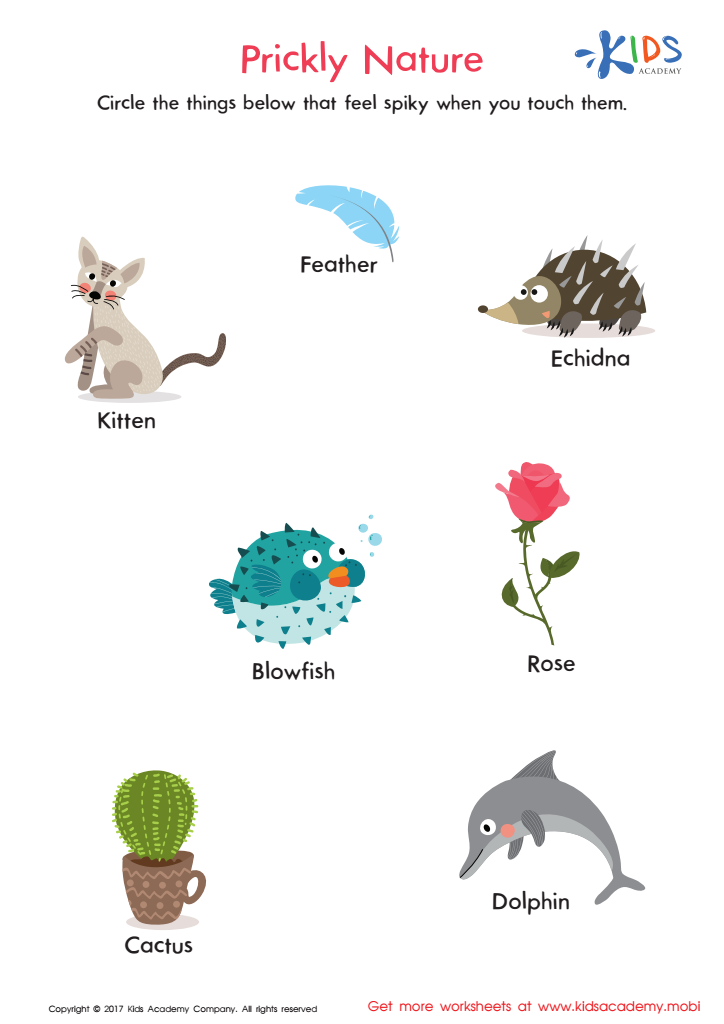
Help your child stay safe and enhance critical thinking skills with this prickly nature worksheet. It can help them recognize spiky objects in their environment by teaching them to differentiate between prickly and soft textures. Plus, your kid will learn how to admire and avoid them. Get started today!
Prickly Nature Worksheet
Worksheet
Connect the Dots Math Worksheet

Little Dipper Worksheet

Little Dipper Worksheet
Worksheet
Earth's Systems: Assessment 1

Earth's Systems: Assessment 1

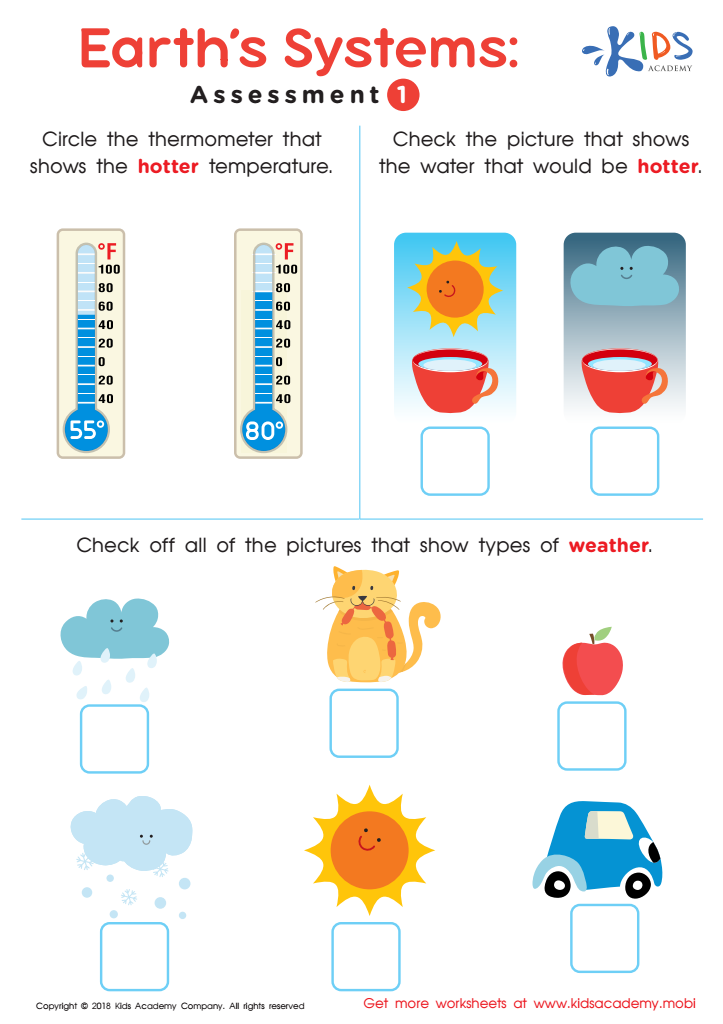
Check your child's knowledge of weather basics with this quick printable worksheet! Using colorful pictures, instruct them to determine which thermometer shows a hotter reading and if water would be warmer in the sun or under clouds. Encourage kids to identify types of weather on the bottom of the page. Assess their readiness to move on!
Earth's Systems: Assessment 1
Worksheet
Rainy Day Printable Maze

Rainy Day Maze Worksheet

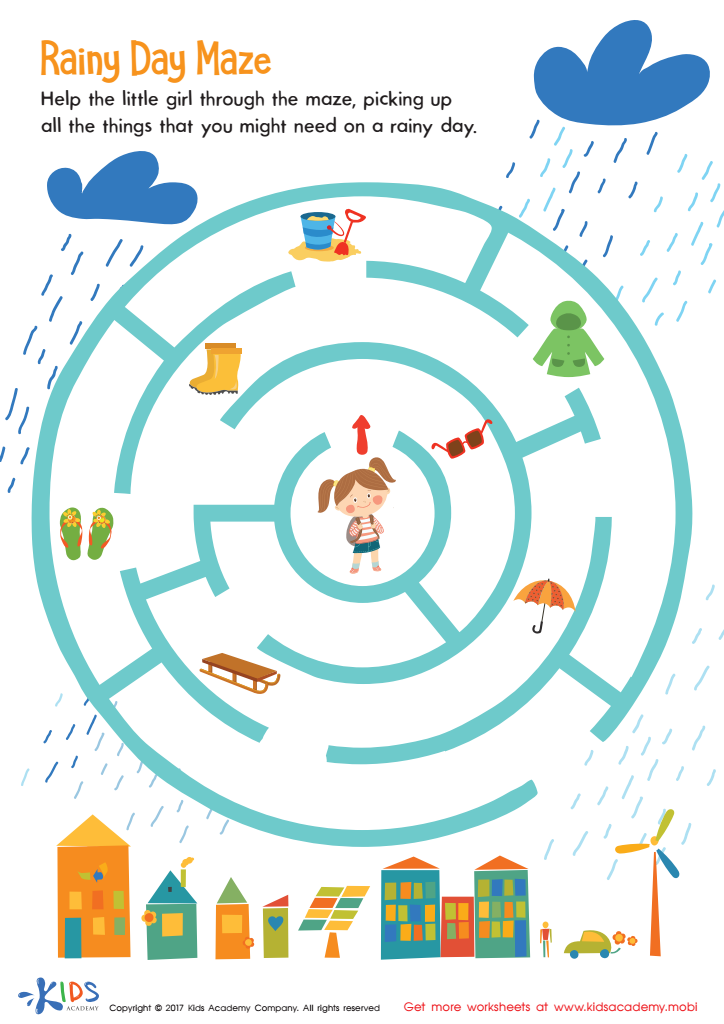
Help your child use critical and problem solving skills to choose the right items! With this fun rainy day worksheet, they'll have a blast helping the character in the maze while learning about weather. Let’s get started!
Rainy Day Maze Worksheet
Worksheet


Fine motor skills are the foundation of a child's ability to perform tasks that require precision and coordination, such as writing, cutting, and manipulating small objects. In Kindergarten Science, developing fine motor skills is crucial because these activities often involve hands-on experimentation and exploration. When children engage in science activities that require fine motor skills, like picking up small items with tweezers, pouring liquids, or assembling objects, they not only learn scientific concepts but also strengthen the muscle control in their hands and fingers.

For parents and teachers, focusing on fine motor skills in science helps pave the way for academic success. Children with strong fine motor skills are better prepared for writing, drawing, and performing tasks that are vital in other subjects as well. Moreover, fine motor development supports cognitive skills like attention to detail, problem-solving, and persistence.

Engaging children in science activities that involve fine motor skills encourages a multifaceted approach to learning. It combines cognitive and physical development, making educational experiences more interactive and enjoyable. Thus, by integrating fine motor skill development in Kindergarten Science, parents and teachers can provide a well-rounded education that promotes overall growth and prepares children for future academic challenges.