Matching skills Kindergarten Science Worksheets
3 filtered results
-
From - To
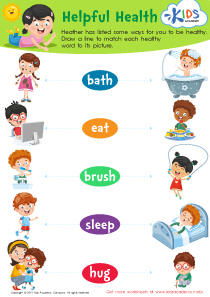
Discover engaging "Matching Skills Kindergarten Science Worksheets" designed to enhance your child's learning experience. These printable worksheets focus on developing essential matching skills through interactive activities that explore scientific concepts. Young learners will enjoy connecting images with corresponding terms, enhancing their vocabulary and comprehension. Each worksheet is crafted to make science fun and age-appropriate, fostering curiosity about the world around them. Perfect for homeschools, classrooms, or extra practice at home, our resources promote both individual learning and collaborative play. Unlock your child's potential in a playful way with these dynamic worksheets and support their early science education journey today!
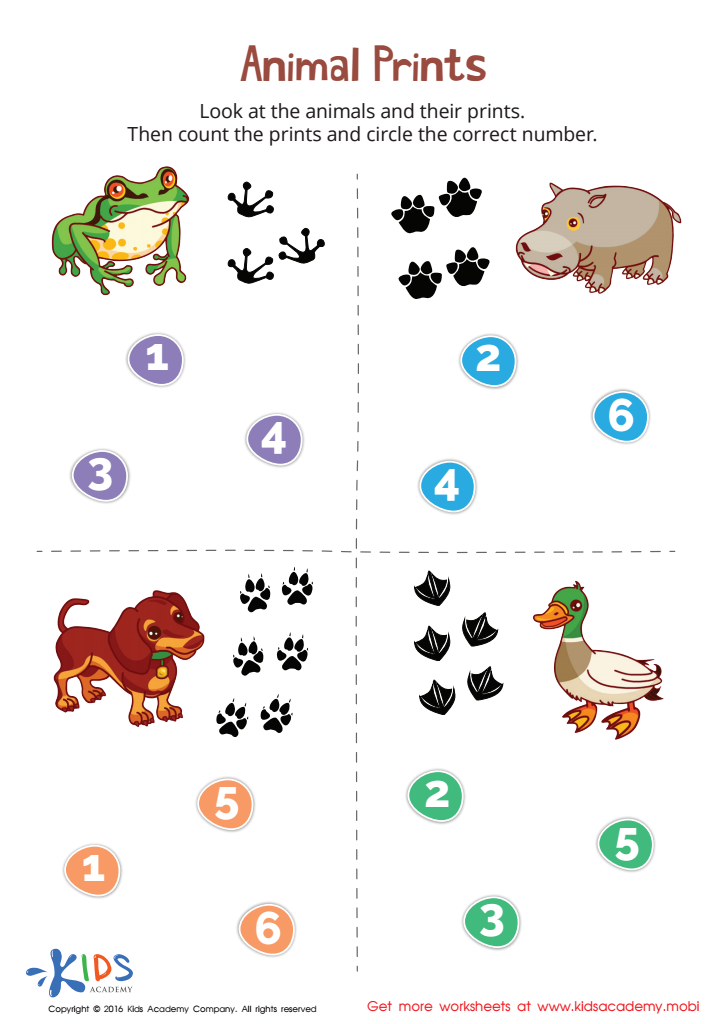
Animal Prints Match-Up Worksheet
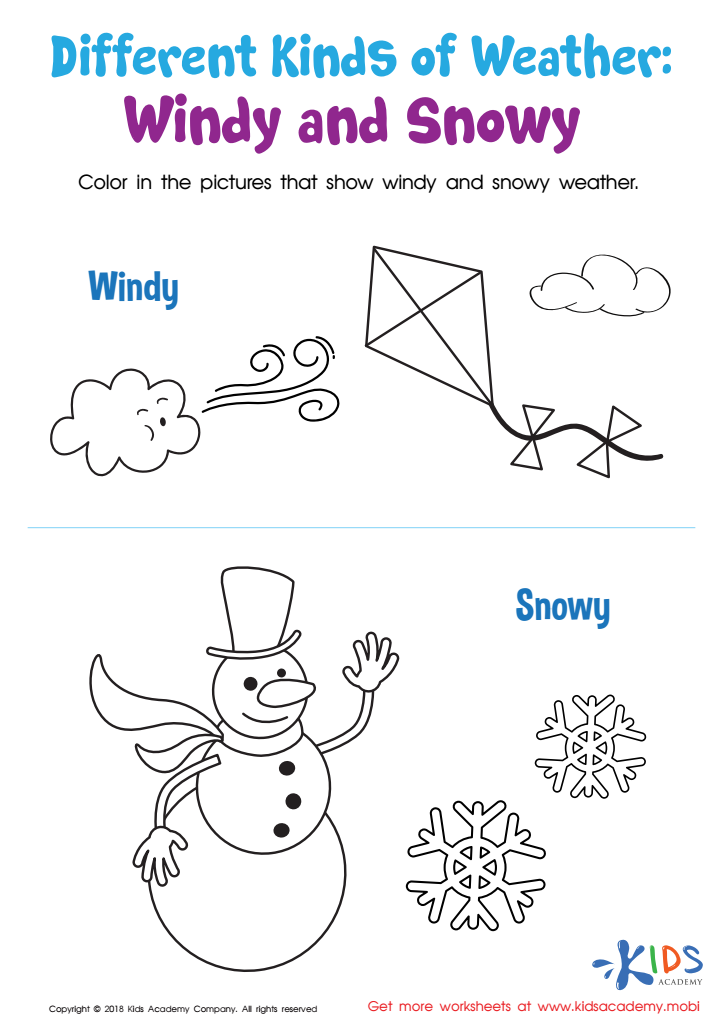
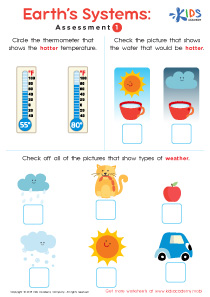
Different Kinds of Weather: Windy and Snowy Worksheet
 Assign to My Students
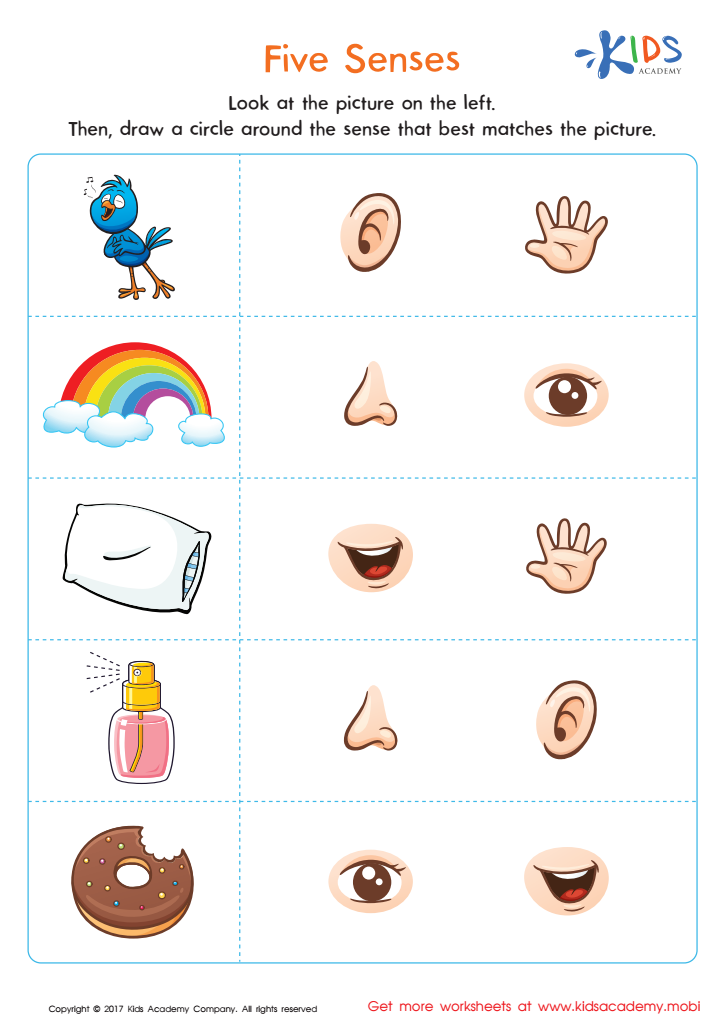
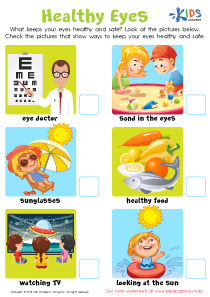
Five Senses Printable








Matching skills in kindergarten science play a crucial role in early childhood development and learning. These skills involve recognizing similarities and differences between objects, which enhances cognitive processes such as critical thinking and problem-solving. When children engage in matching activities, they learn to categorize information, laying the groundwork for more complex scientific concepts they will encounter later.
Additionally, matching skills boost observation abilities and attention to detail, which are essential for scientific inquiry. By carefully comparing items—whether they are living organisms, shapes, or materials—children begin to understand the relationships and characteristics that define the natural world. This foundational knowledge is vital for their later success in more advanced science curricula.
Furthermore, developing matching skills promotes language development as children describe their observations and engage in discussions with peers and teachers. It encourages collaboration and social interaction, making learning an engaging and enjoyable experience. Parents and teachers should prioritize these skills because they foster a love for exploration and discovery, which are the hallmarks of a successful science education. By nurturing these abilities, adults empower children to become inquisitive learners, providing them with the tools they need for lifelong learning and curiosity about the world around them.