Reading comprehension Kindergarten Science Worksheets - Page 2
31 filtered results
-
From - To
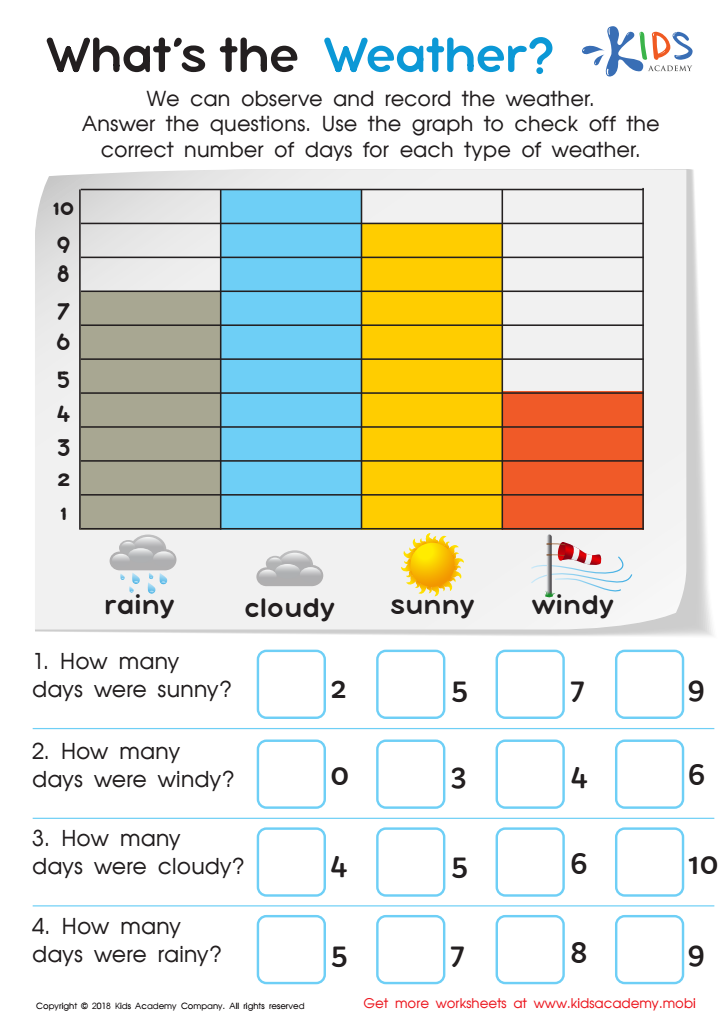
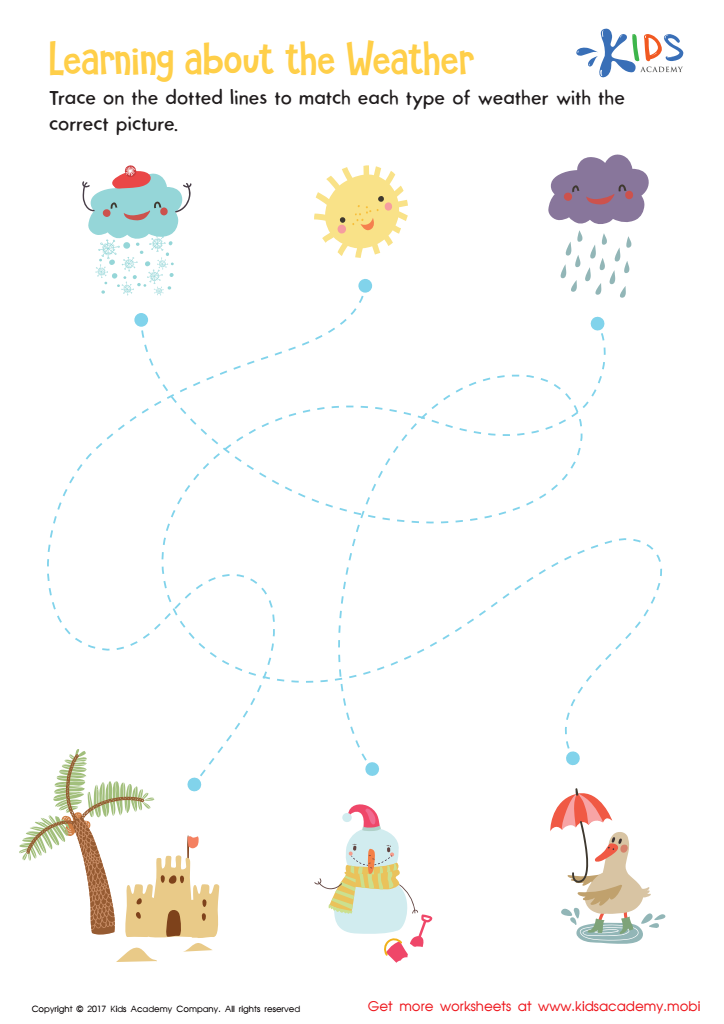
What's the Weather? Worksheet
 Assign to My Students
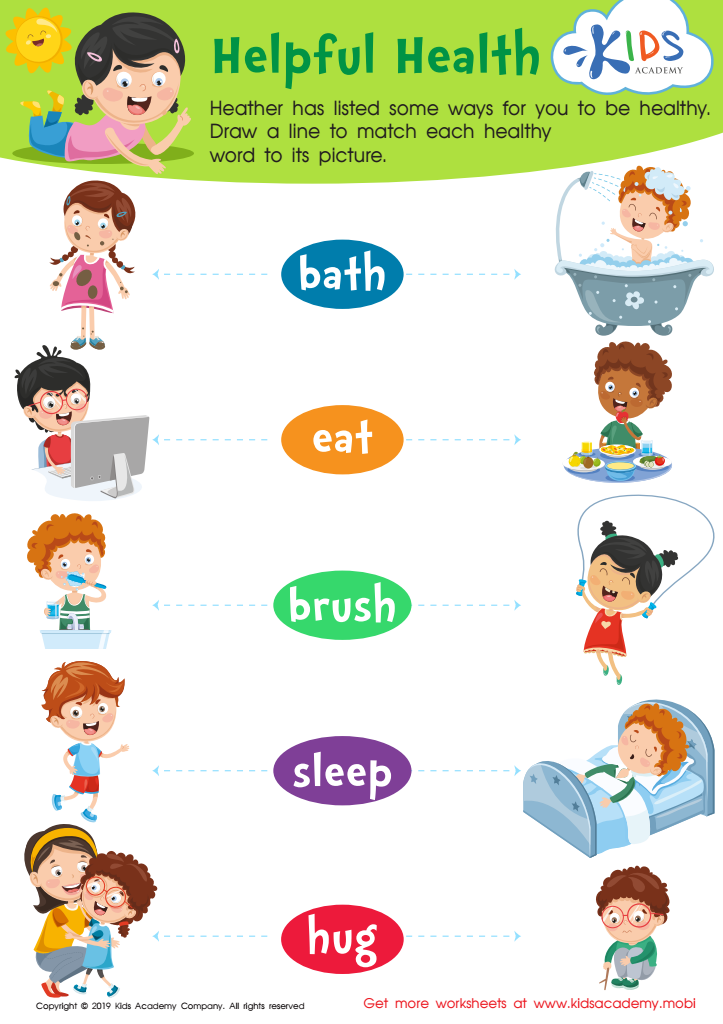
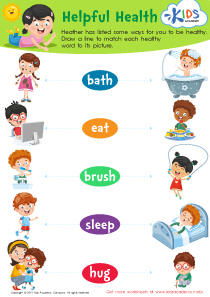
Helpful Health Worksheet
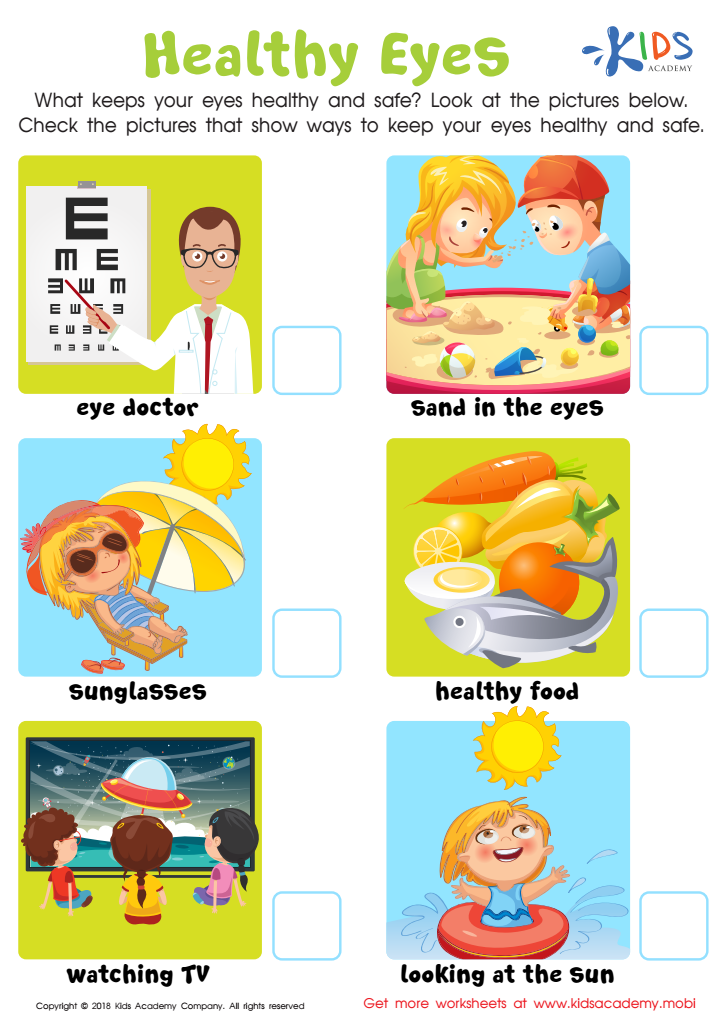
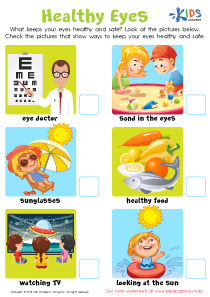
Healthy Eyes Worksheet
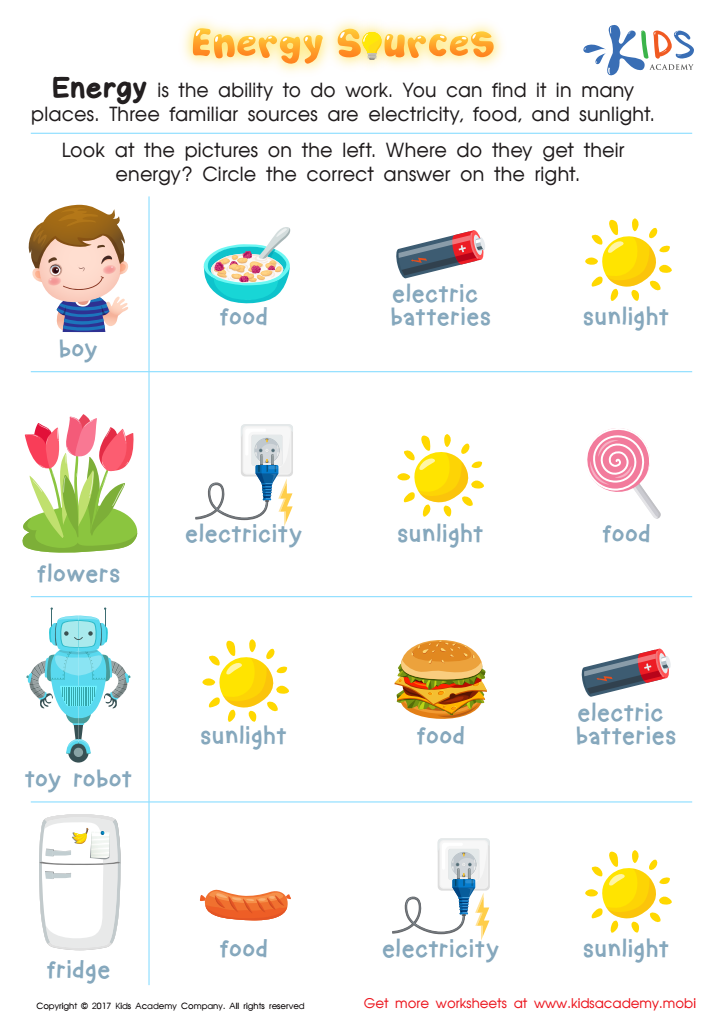
Energy Sources Printable
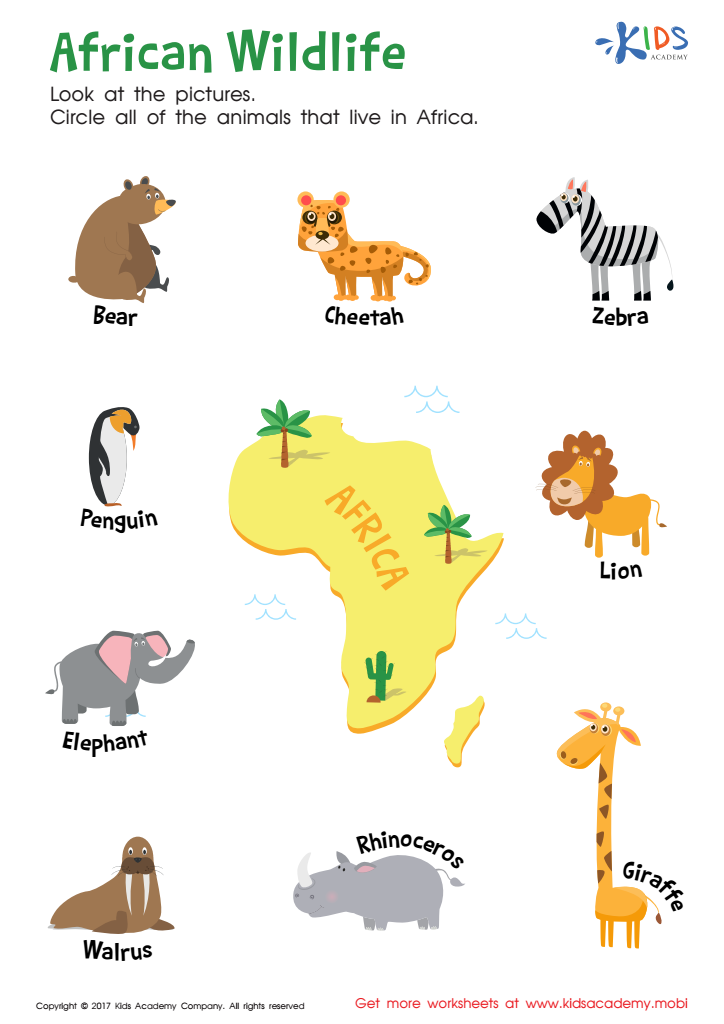
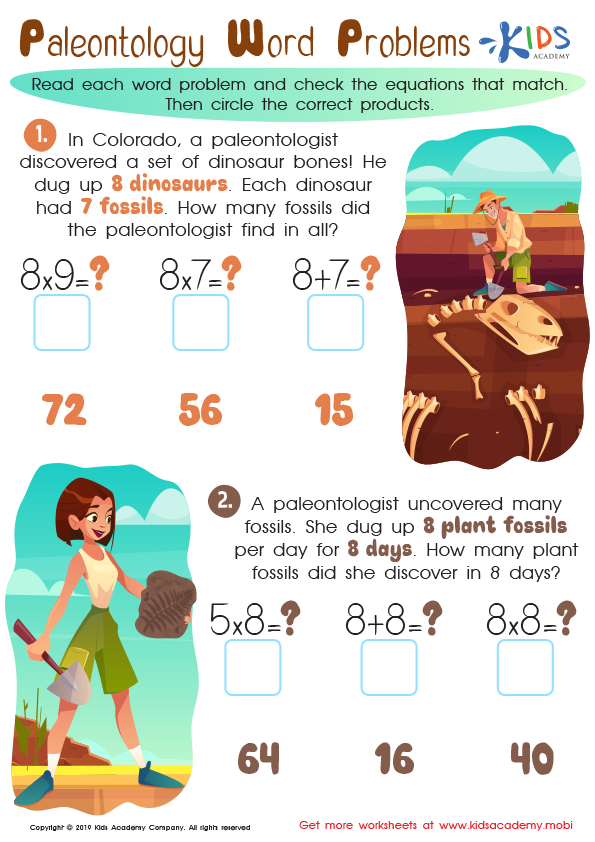
Archeology Word Problems Worksheet



.jpg)


.jpg)
Reading comprehension is a fundamental skill that significantly impacts children's academic success and lifelong learning abilities. When it comes to reading comprehension in the context of Kindergarten Science, the importance is magnified for several reasons.
Firstly, reading comprehension develops essential critical thinking skills. By understanding scientific concepts through reading, children begin to ask questions, make predictions, and seek evidence, laying the groundwork for scientific inquiry and logical reasoning.
Secondly, it builds vocabulary and language skills, crucial at this formative stage. Science texts introduce young learners to specific terminology and concepts, expanding their vocabulary and language comprehension, which are vital for all areas of learning.
Additionally, teaching science through reading fosters curiosity and a love for learning. Engaging stories and information about the world around them captivate children's interest and inspire a sense of wonder. This intrinsic motivation can lead to a lifelong passion for exploring new ideas and solving problems.
Moreover, strong reading comprehension skills are linked to better performance across all academic subjects, not just science. As students advance through their education, proficient reading comprehension enables them to tackle increasingly complex texts and subjects with confidence.
Therefore, nurturing reading comprehension in Kindergarten Science is an investment in a child's holistic academic development and curiosity-driven learning journey.