Critical Thinking Kindergarten Plants and Animals Worksheets
3 filtered results
-
From - To
Explore our engaging Critical Thinking Kindergarten Plants and Animals Worksheets designed to foster curiosity and cognitive skills in young learners. These worksheets encourage children to observe, analyze, and make connections between various plants and animals, enhancing their understanding of the natural world. With fun activities, thoughtful questions, and vibrant illustrations, students will develop essential reasoning abilities while exploring topics like habitats, life cycles, and the characteristics of different species. Ideal for complementing classroom learning or at-home study, our worksheets are a valuable resource for nurturing critical thinking and instilling a love for science in kindergarten students. Start their adventure today!
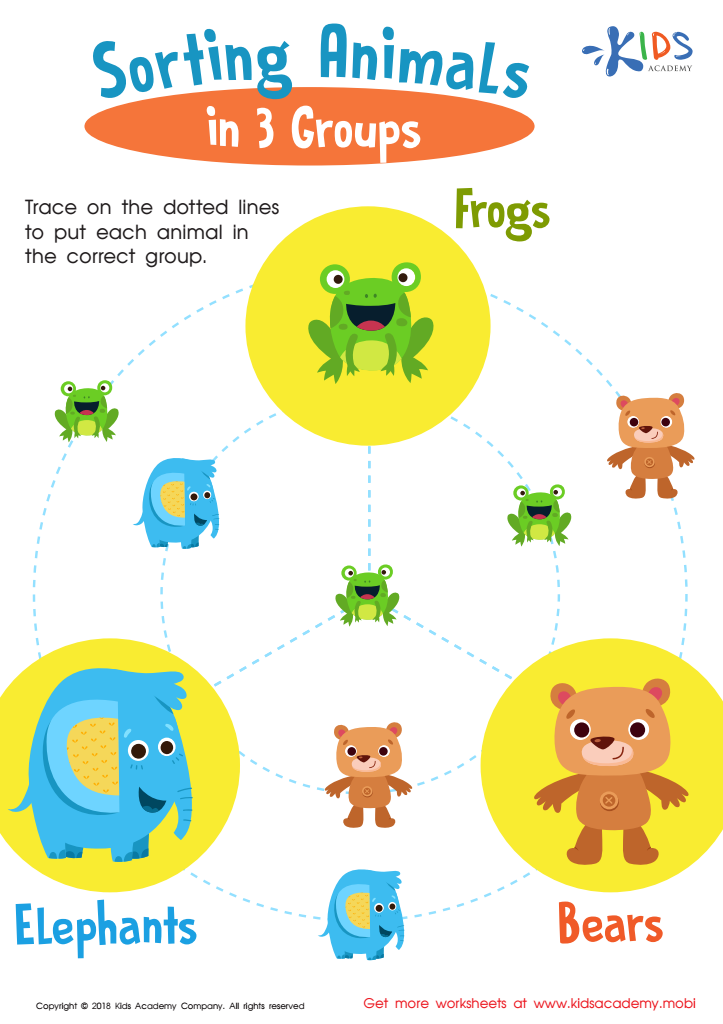
Sorting Animals in 3 Groups Worksheet
 Assign to My Students
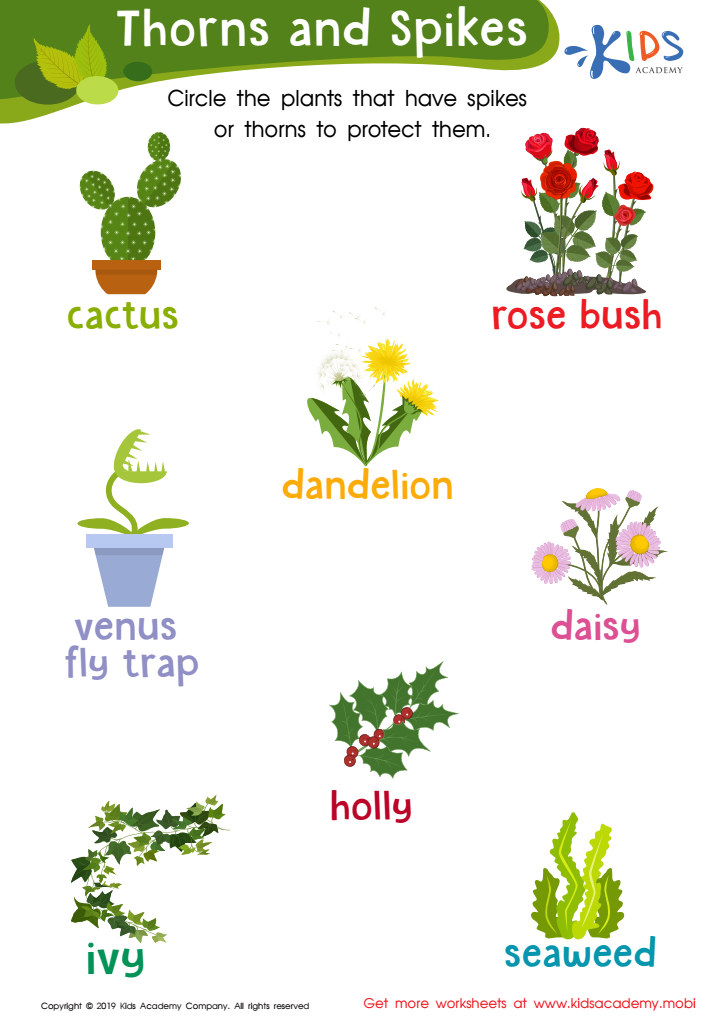
Thorns and Spikes Worksheet
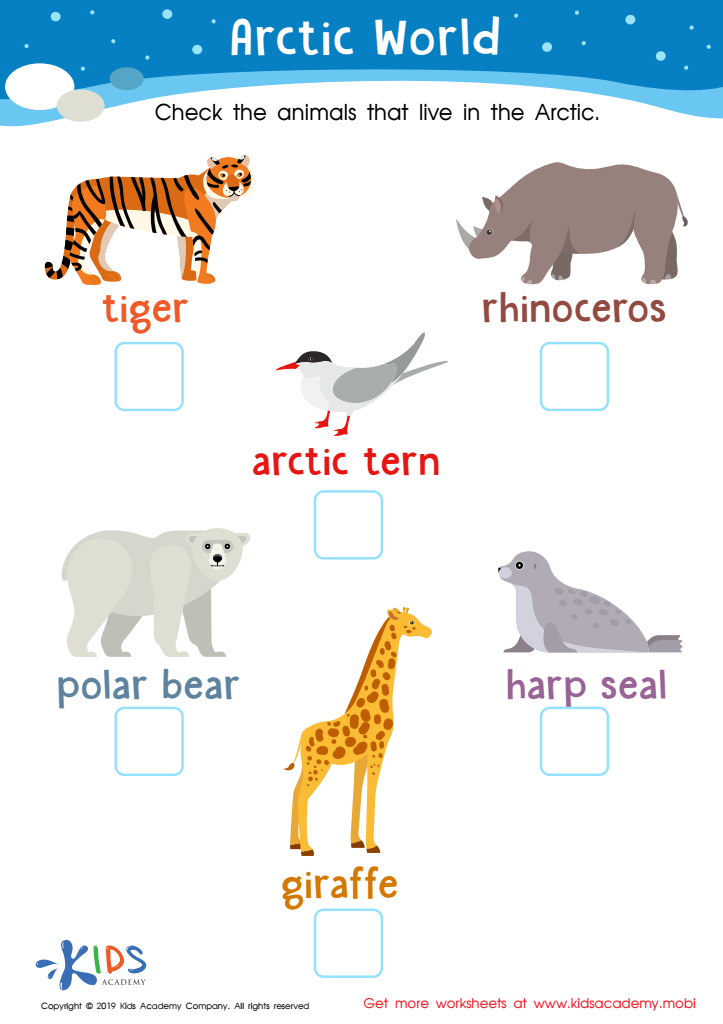
Arctic World Worksheet





Parents and teachers should care about critical thinking in the context of kindergarten plants and animals because it lays the foundation for cognitive development and problem-solving skills essential for future learning. At this age, children are naturally curious, and engaging them in critical thinking activities related to plants and animals helps to harness that curiosity into analytical skills.
When children explore questions like "Why do plants need sunlight?" or "How do animals adapt to their environment?", they learn to observe, analyze, and draw conclusions. This type of inquiry not only strengthens their understanding of the natural world but also cultivates skills such as reasoning, classification, and prediction. Moreover, as children work together to answer these questions, they also develop collaboration and communication skills.
Incorporating critical thinking into lessons about plants and animals promotes a love for science and nature, enhancing engagement and fostering lifelong learning habits. Parents and teachers who prioritize this approach equip children with the tools to approach challenges thoughtfully and creatively, setting them up for success in academics and beyond. By nurturing critical thinking in early education, we empower children to become informed and inquisitive adults capable of making responsible decisions about their world.