Identifying tools Worksheets for Kids
1 filtered results
-
From - To
Question/Answer

How does the mastery of the Identifying tools skill affect a student's performance at an early age?
The mastery of the Identifying tools skill at an early age significantly boosts a student's performance by enhancing their cognitive abilities, including problem-solving, critical thinking, and decision-making. It fosters independence, promotes hands-on learning experiences, and provides a foundation for understanding technology and technical concepts, all of which contribute to holistic academic and practical life skills development.
How to test a Grade 2 student’s Identifying tools skills?
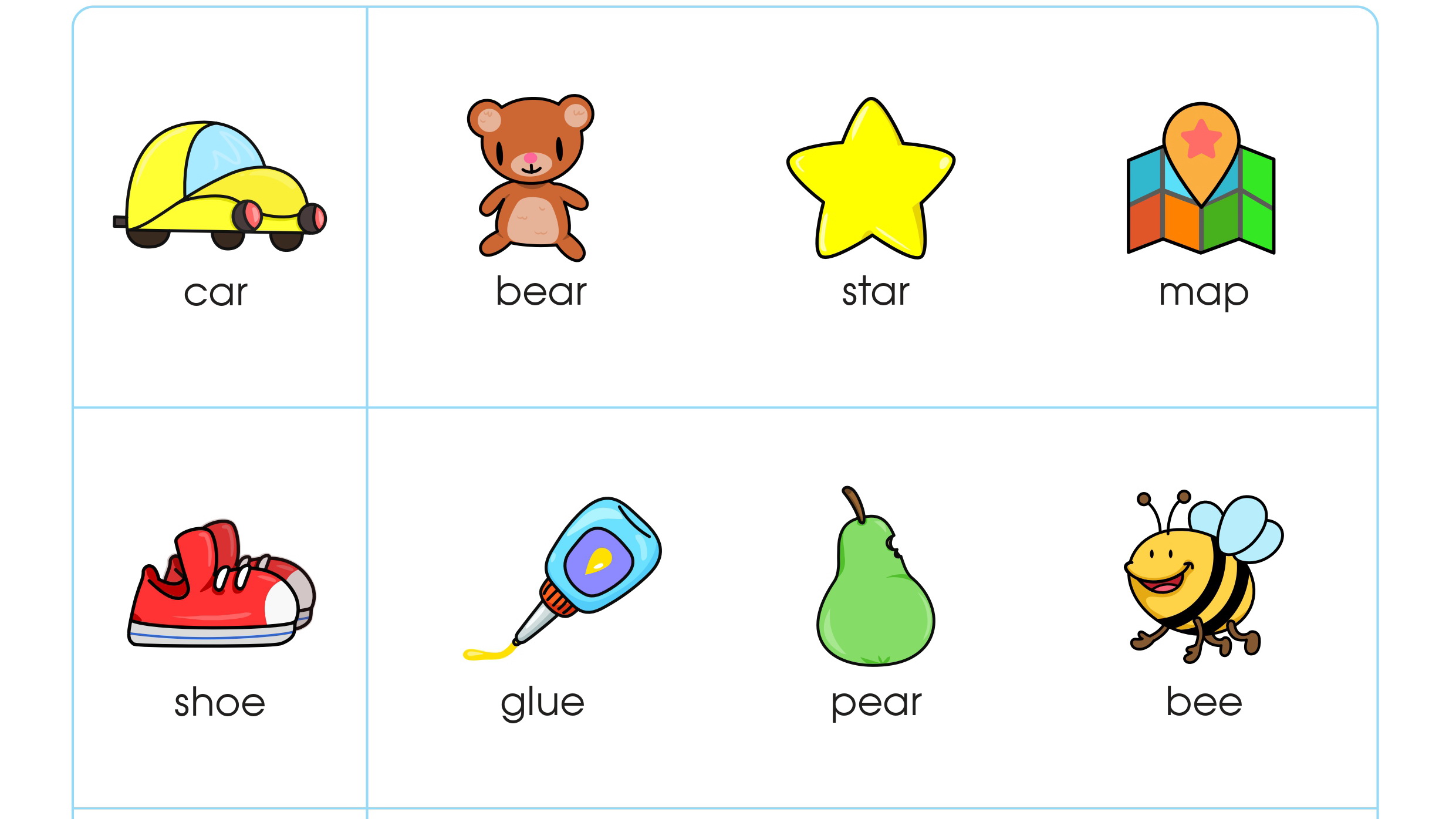
To test a Grade 2 student's identifying tools skills, provide them with a selection of common household and classroom tools. Ask them to name each tool and describe its basic function. This can be done through a hands-on activity where they physically handle the tools or by using pictures of tools in a worksheet or digital presentation.
Why is the Identifying tools skill important for Grade 2 students?
The Identifying tools skill is important for Grade 2 students because it helps them recognize and understand the purpose of various tools and instruments in their surroundings. This foundational knowledge aids in developing problem-solving and critical thinking skills, encouraging curiosity, and fostering independence by allowing them to identify the correct tools for specific tasks or projects.