Motor skills development (drawing) Worksheets for Kids
1 filtered results
Difficulty Level
Grade
Age
-
From - To
Subject
Activity
Standards
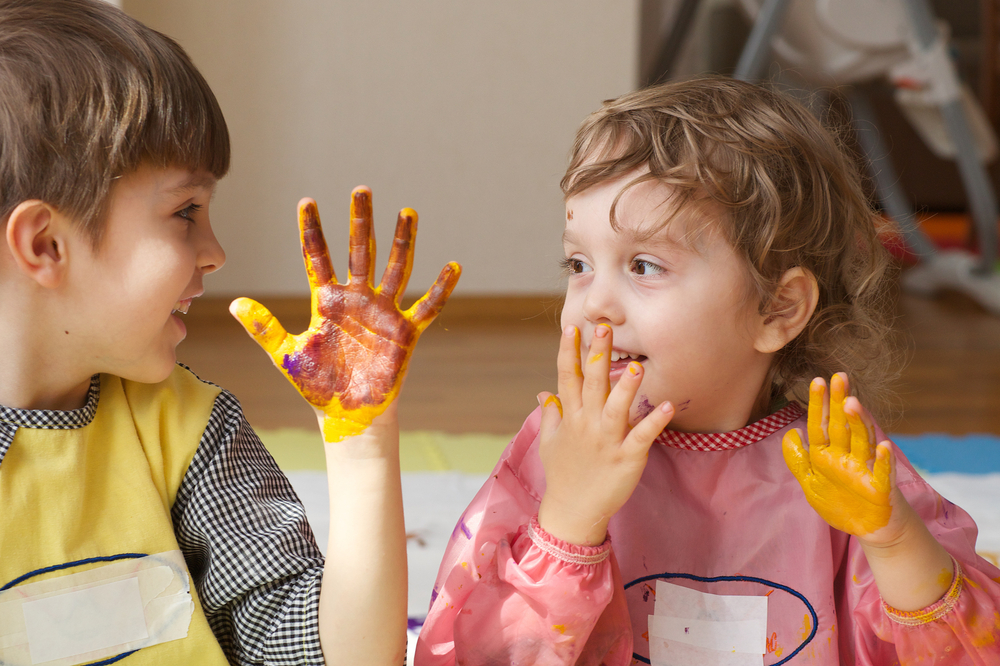
Motor skills development worksheets help children boost fine motor abilities through exercises that improve hand-eye coordination, pencil control, and creativity. Practicing strokes, patterns, and shapes enhances hand movement control, aiding better drawing and writing. The sheets also foster imagination as kids explore colors and designs. Repetitive tracing and coloring promote concentration and focus, making these worksheets valuable for artistic, academic, and cognitive growth.
Favorites
With answer key
Interactive
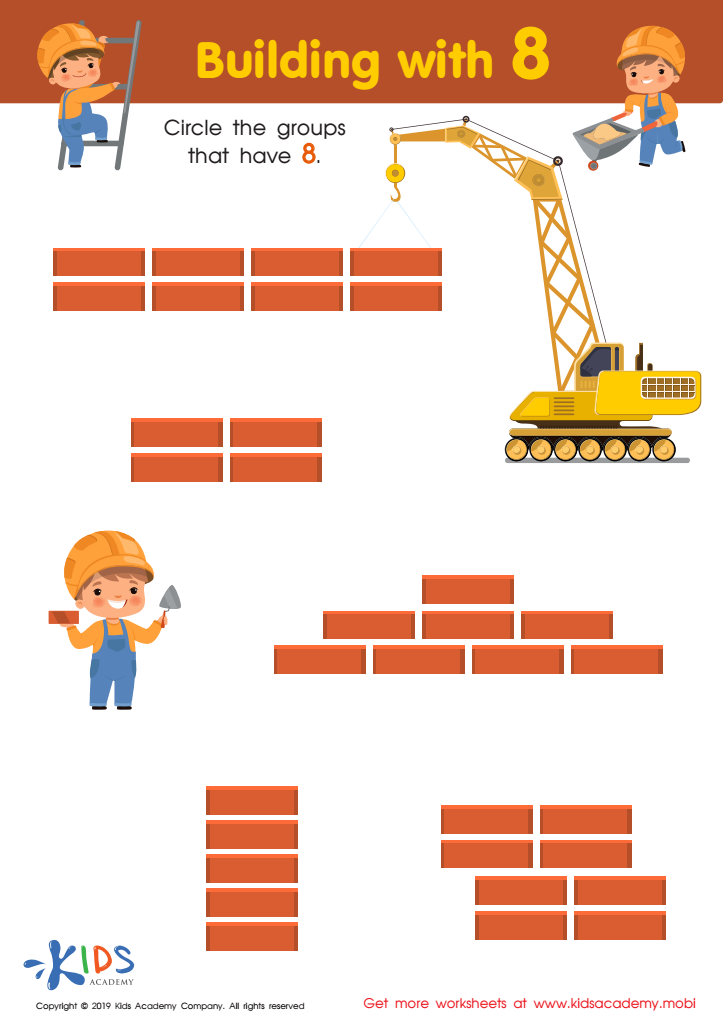
Building with 8 Worksheet
Your child can learn more with this simple exercise! Get them counting and help them circle the groups of 8 bricks. It's a great addition to their post-school lessons, supporting their counting skills. Plus, it's a fun way to learn!
 Assign to My Students
Building with 8 Worksheet
Worksheet
Question/Answer

How does the mastery of the Motor skills development (drawing) skill affect a student's performance at an early age?
Mastery of motor skills development, particularly in drawing, at an early age significantly enhances a student's performance by improving hand-eye coordination, fine motor skills, and spatial awareness. It also boosts creativity, critical thinking, and problem-solving abilities, leading to better academic outcomes. Furthermore, it fosters self-expression and confidence, contributing positively to emotional and cognitive development.
How to test a Preschool student’s Motor skills development (drawing) skills?
To test a preschool student’s motor skills development in drawing, provide them with paper and crayons, and ask them to draw simple shapes (circle, square), objects (house, tree), or people. Observe their grip, control, stroke precision, ability to follow instructions, and the complexity of their drawings to assess their fine motor development and drawing skills.
What are some effective activities to train students’ Motor skills development (drawing) skill when teaching them about Numbers?
To enhance motor skills in drawing while teaching numbers, engage students in activities like tracing and coloring numbers, connecting dots to form numbers, drawing objects corresponding to numbers (e.g., 3 apples for the number 3), and creating number-themed crafts (e.g., number collages). These exercises not only improve fine motor skills but also reinforce numerical understanding in a fun, interactive way.
Join Kids Academy for Free
Who is primarily going to use this learning content?