Practicing number sequencing Worksheets for Kids
2 filtered results
-
From - To
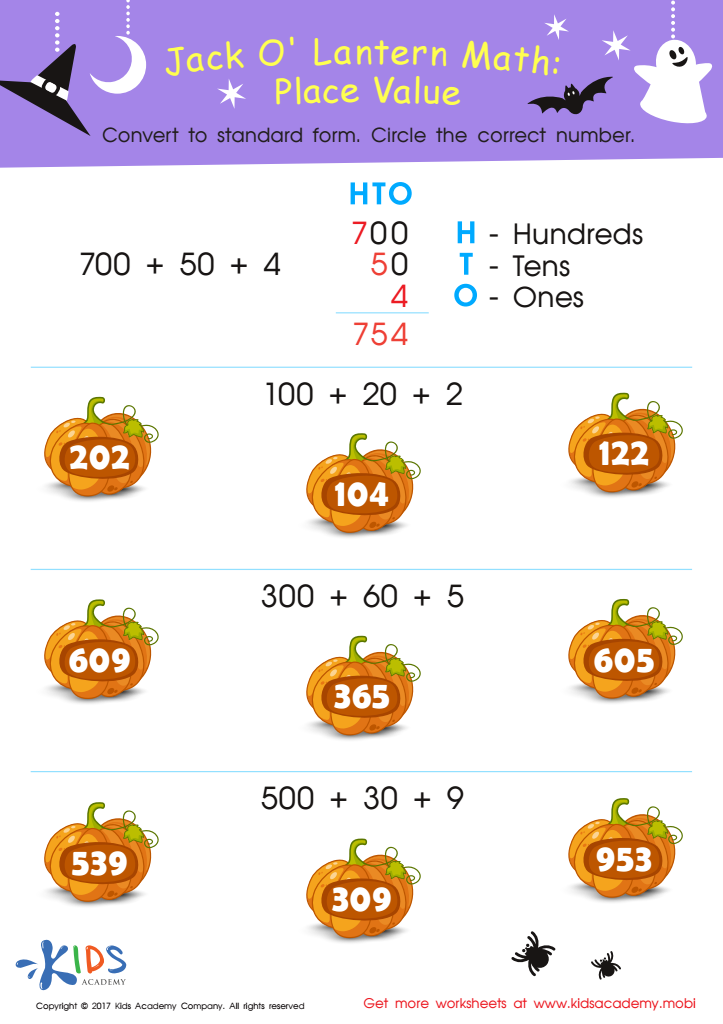
Free Place Value Worksheet
 Assign to My Students
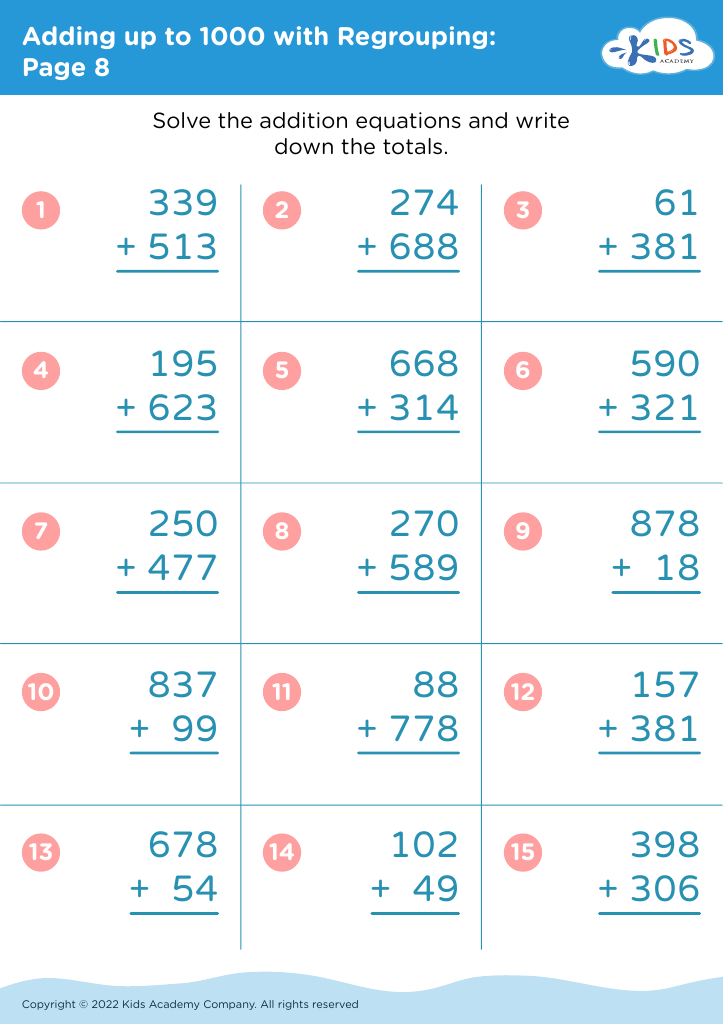
Question/Answer

How to test a Grade 2 student’s Practicing number sequencing skills?
To test a Grade 2 student's number sequencing skills, provide a series of numbers with missing elements and ask the student to fill in the blanks correctly. Alternatively, give them a jumbled series of numbers and instruct them to rearrange them in ascending or descending order. Incorporating visual aids and manipulatives can also help assess their understanding of number sequences.
How to train the Practicing number sequencing skill in Grade 2 students learning about Numbers?
To train Grade 2 students in practicing number sequencing, start with simple sequences using small numbers. Use visual aids like number lines or charts. Incorporate engaging activities like filling in missing numbers, arranging number cards in order, and playing sequencing games. Regularly practice with both ascending and descending sequences, gradually increasing the difficulty as students become more proficient.
How does the mastery of the Practicing number sequencing skill affect a student's performance at an early age?
Mastery of practicing number sequencing at an early age significantly enhances a student's mathematical skills by building a foundational understanding of order and patterns. This early competence facilitates improved problem-solving abilities, fosters mathematical thinking, and boosts overall academic performance. It lays the groundwork for more complex mathematical concepts and operations, making learning more accessible and engaging for young students.