Comparing Fractions Adding up to 100 Worksheets
30 filtered results
-
From - To
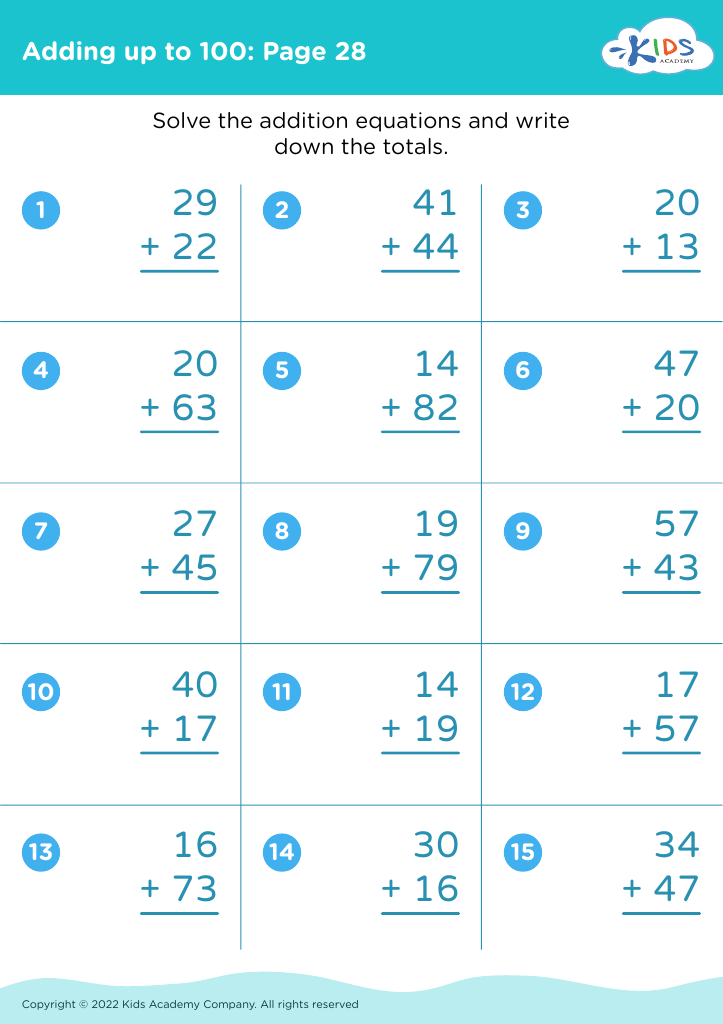
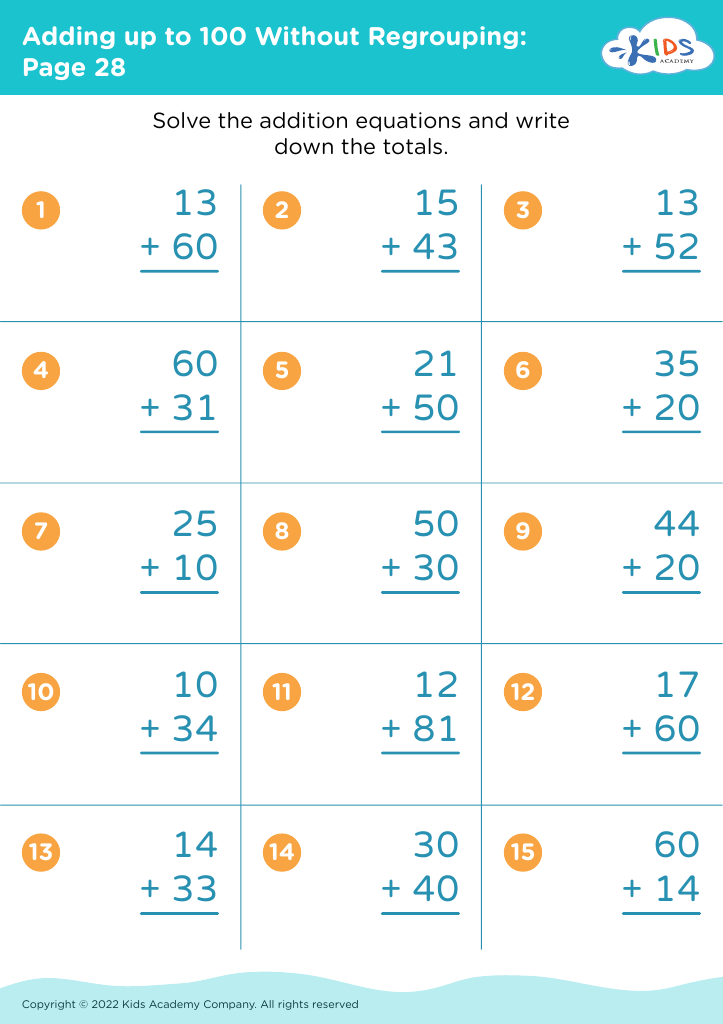
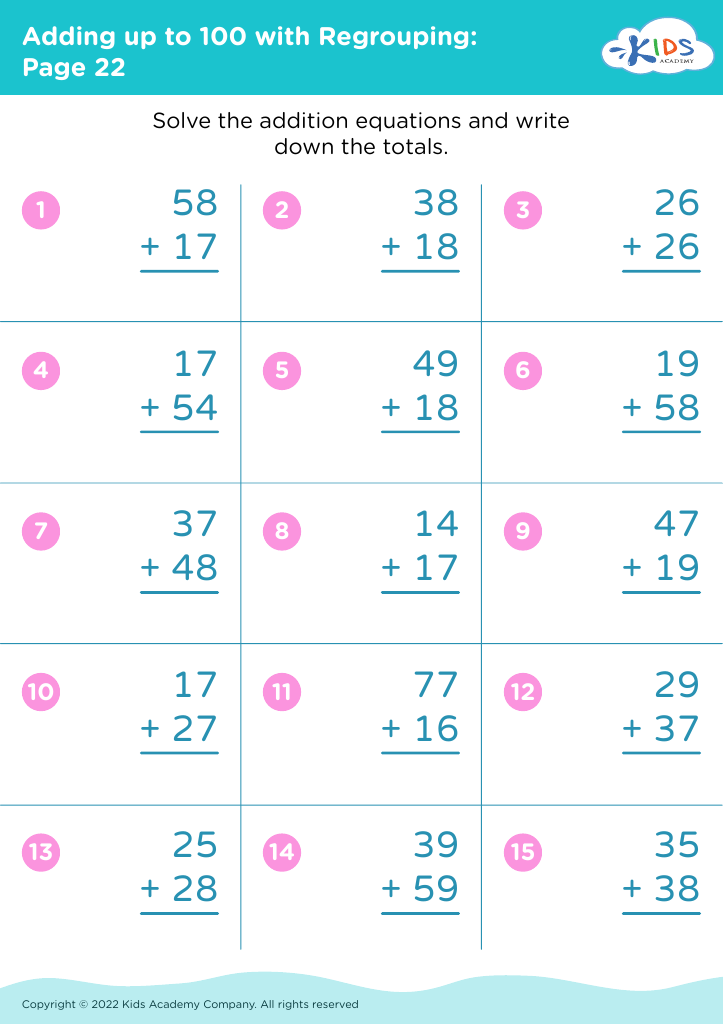
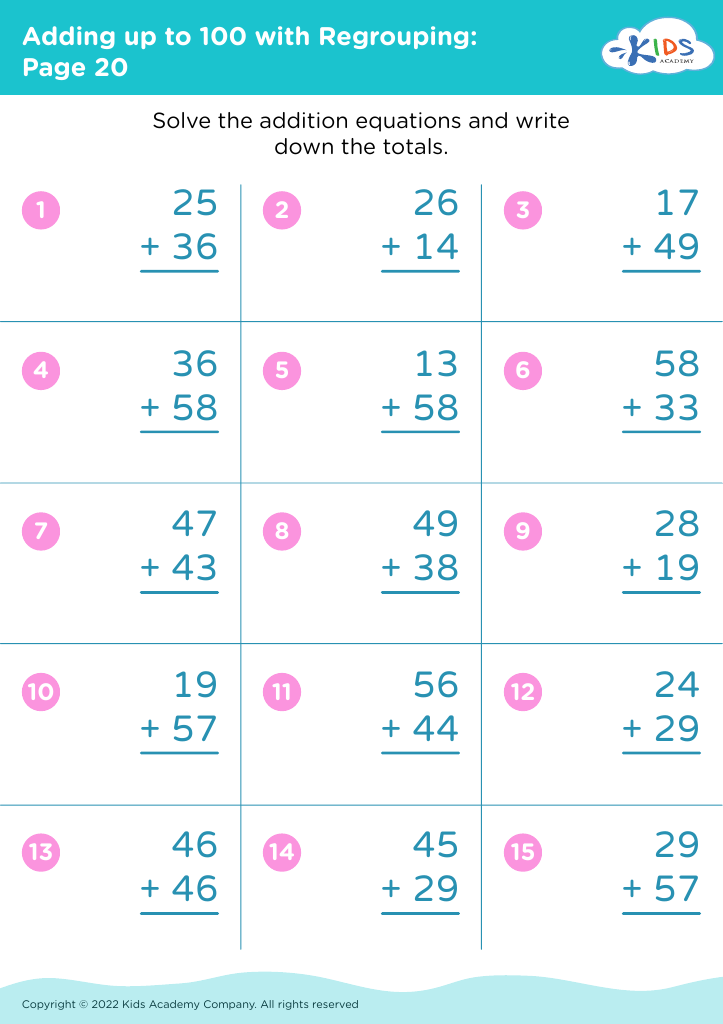
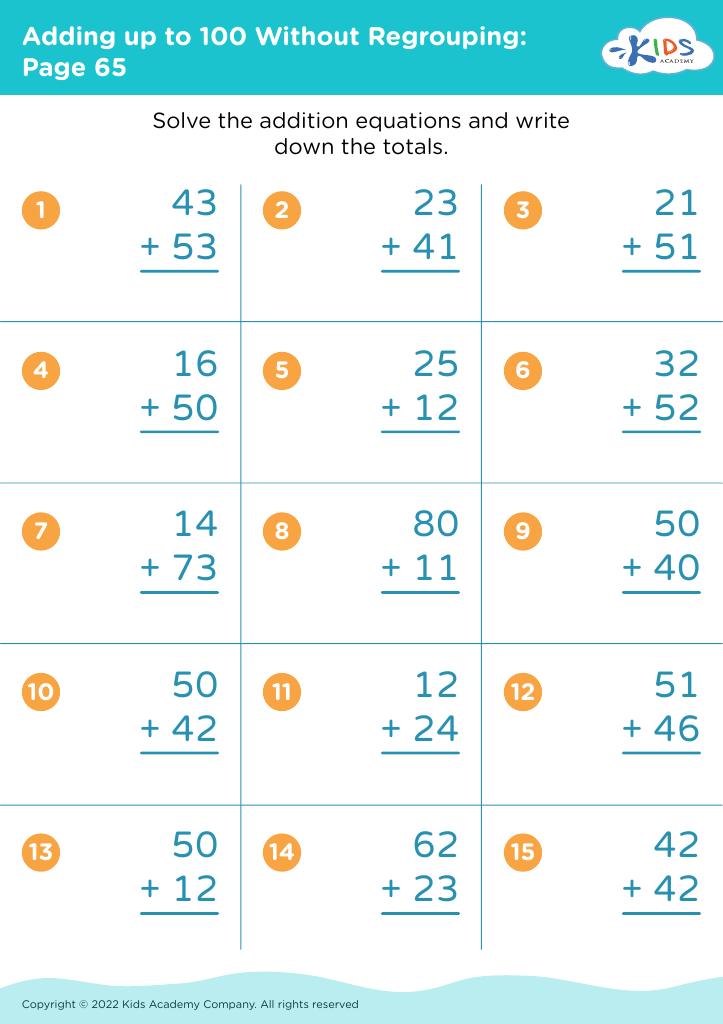
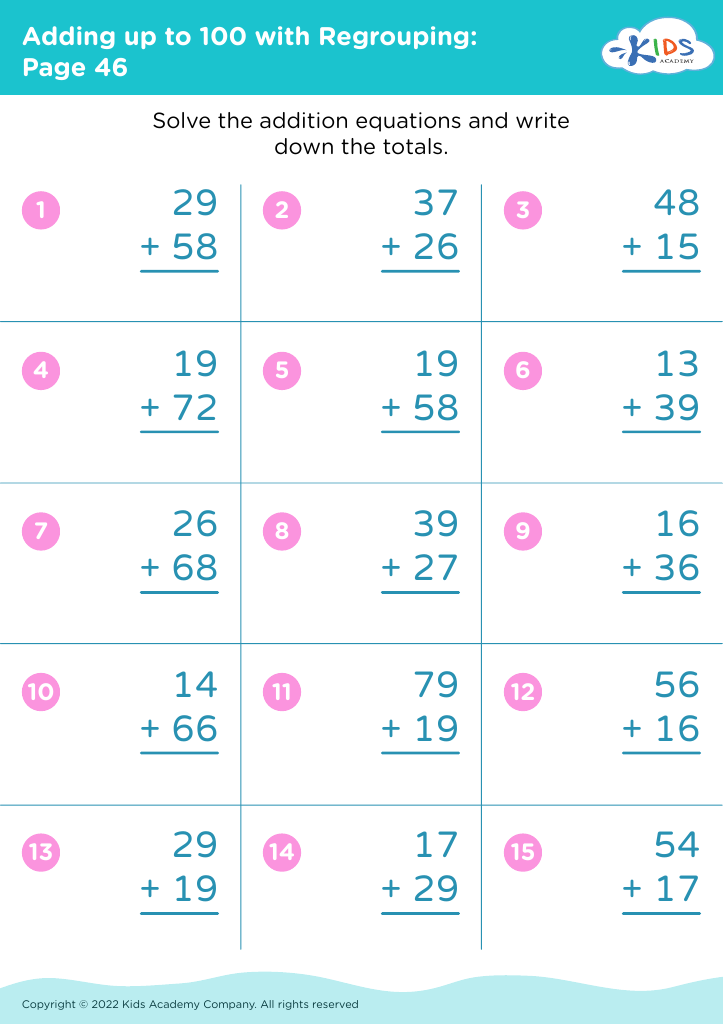
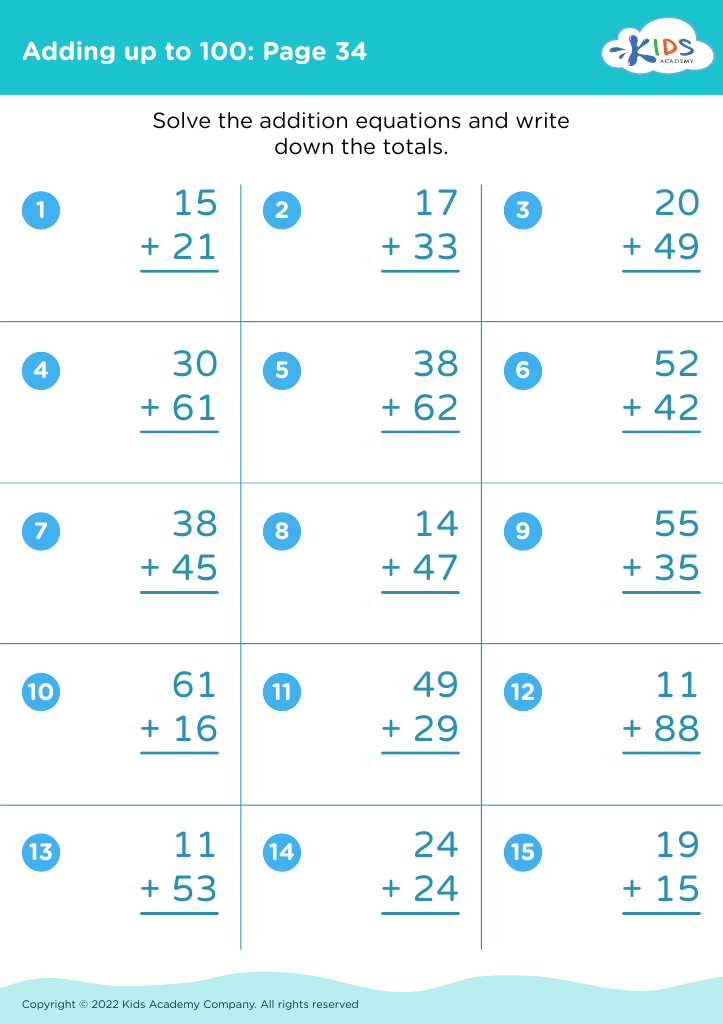
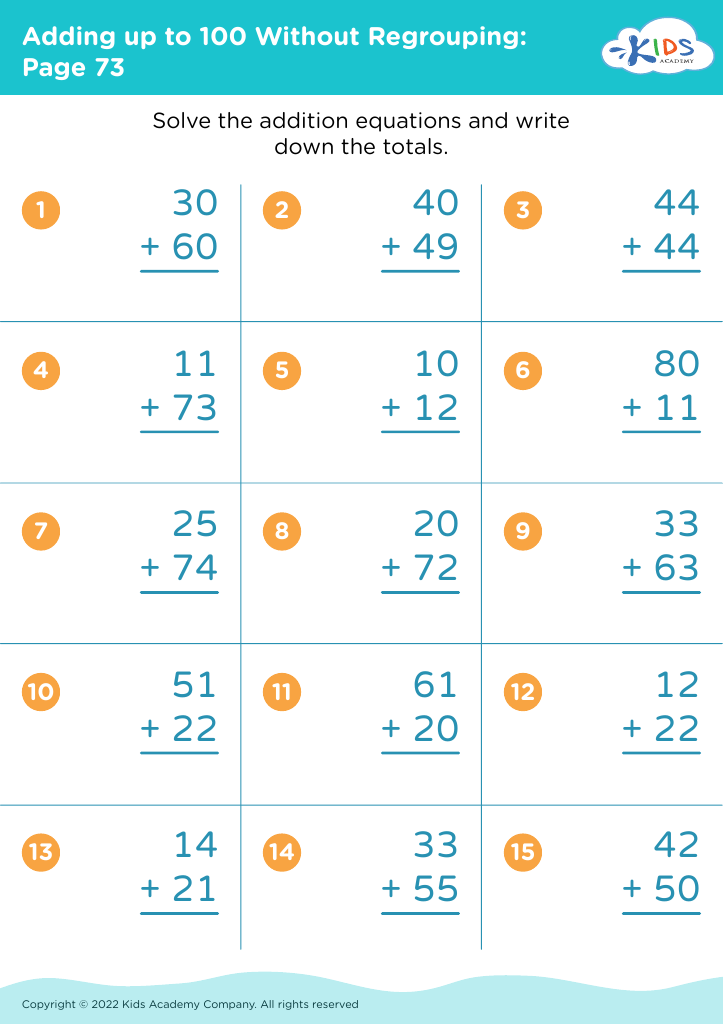
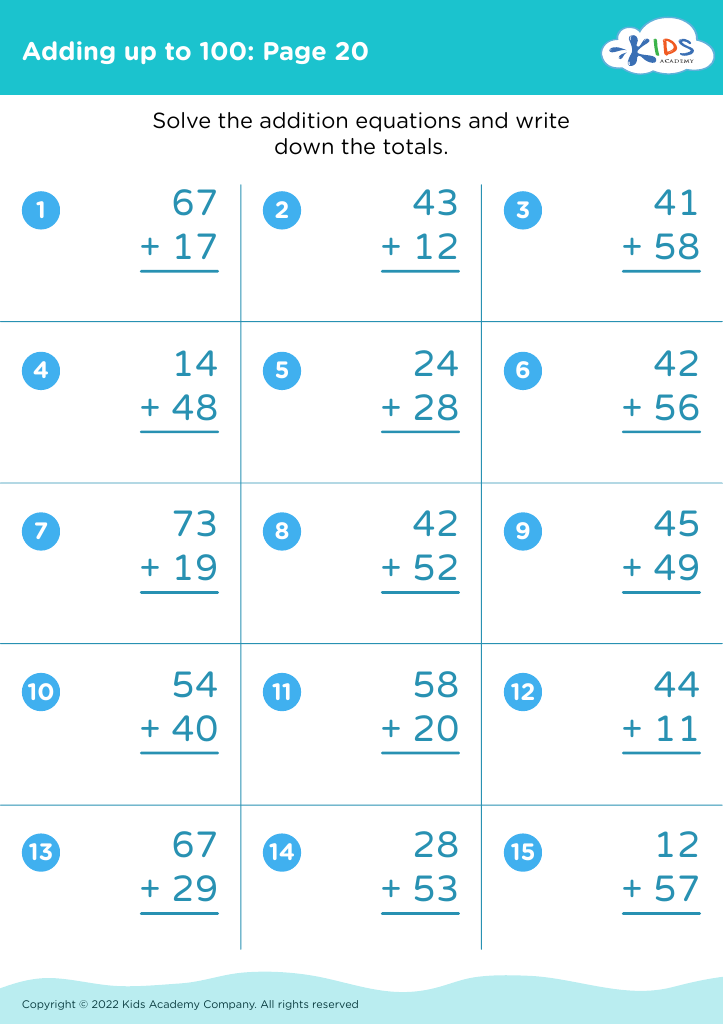
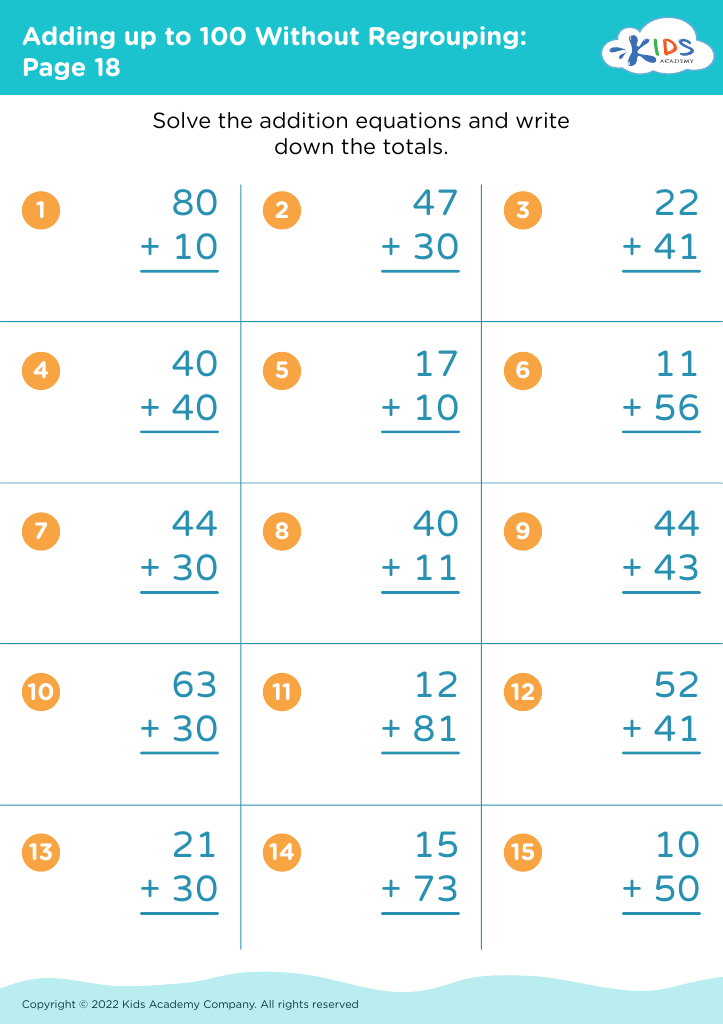
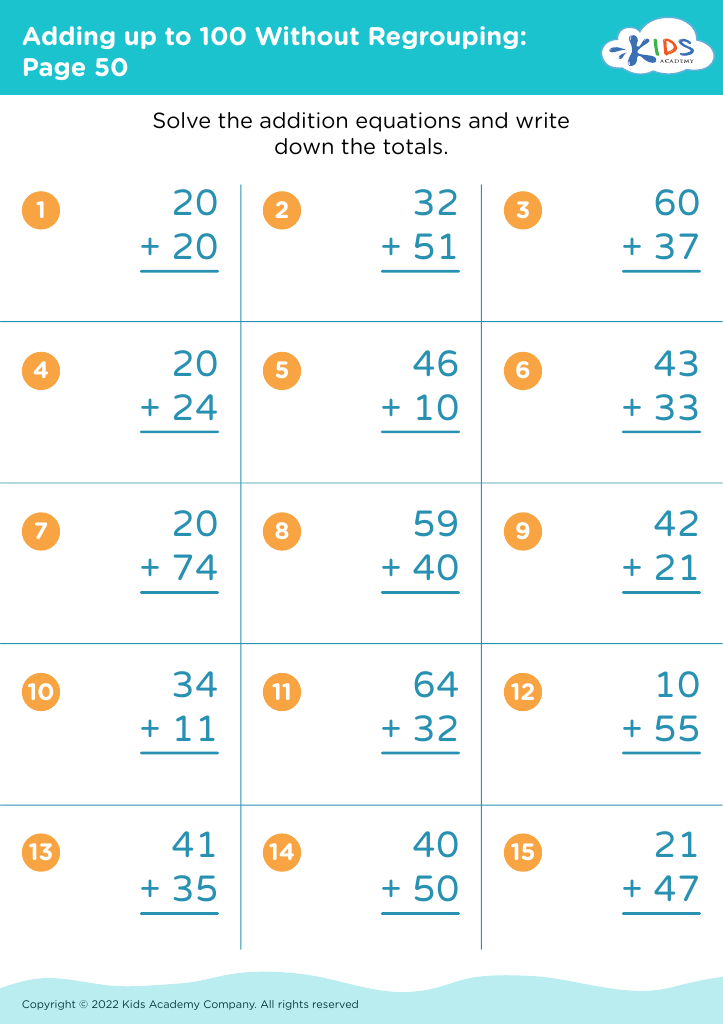
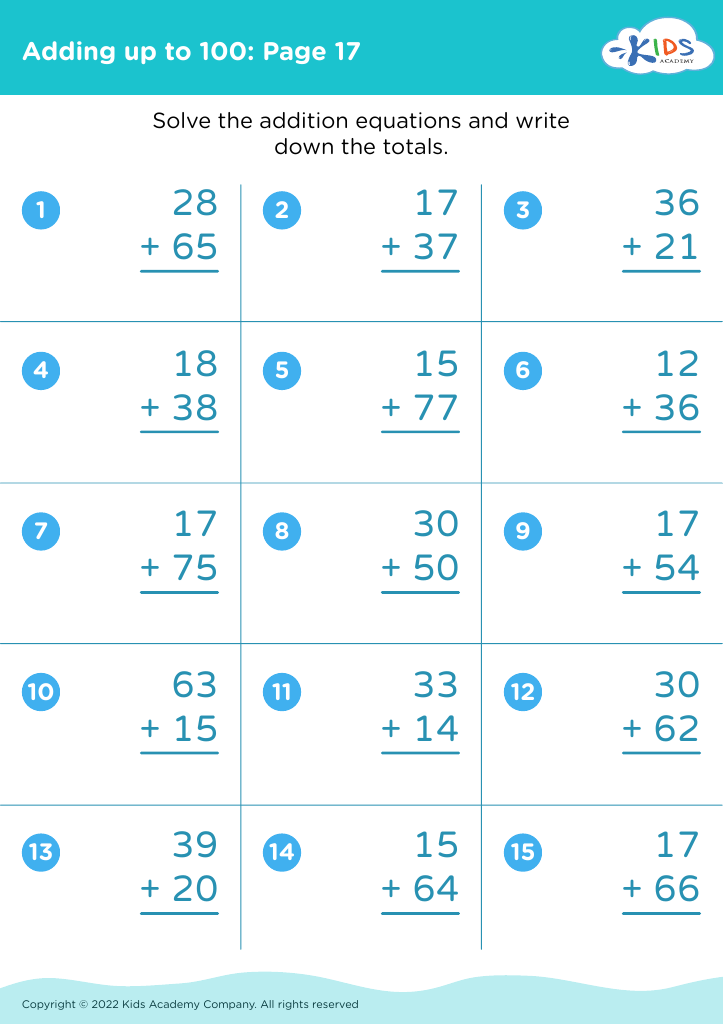
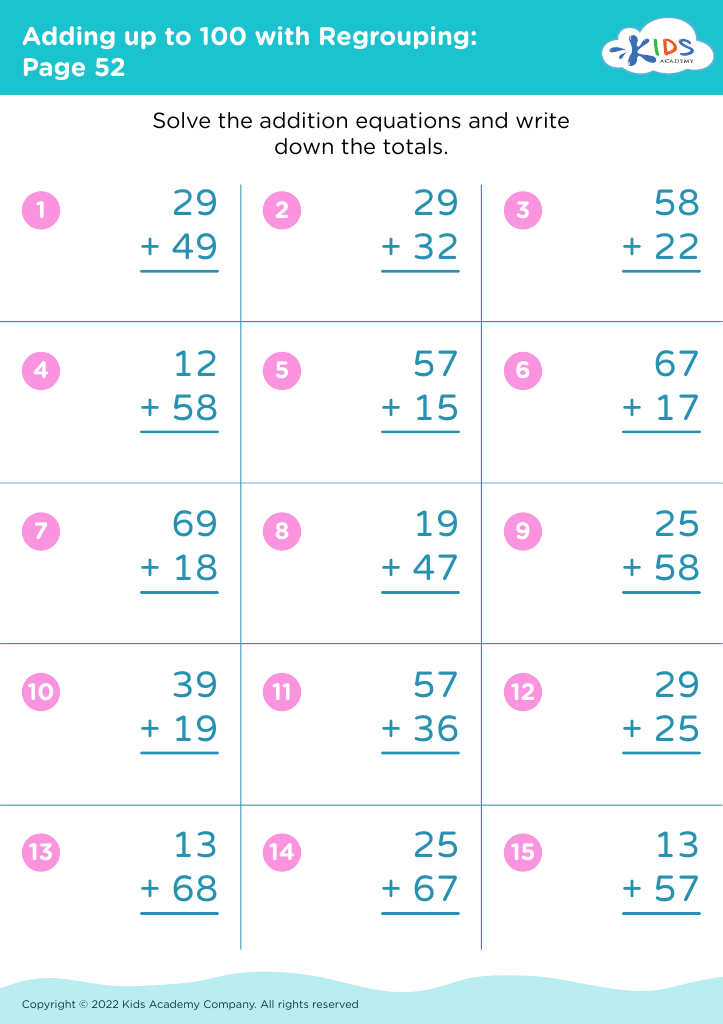
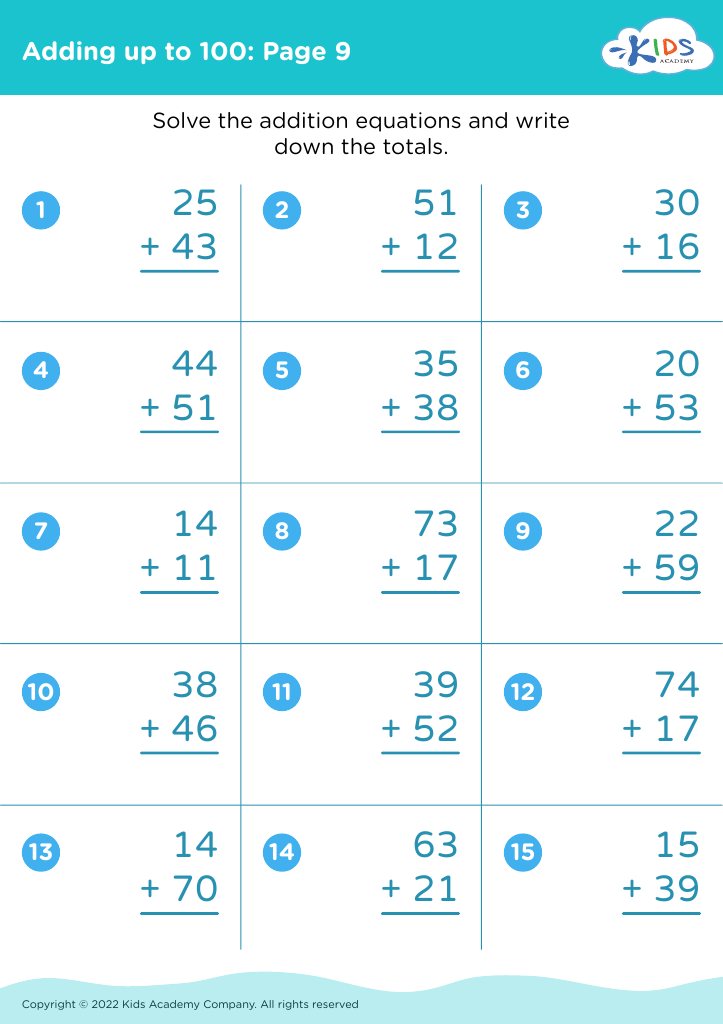
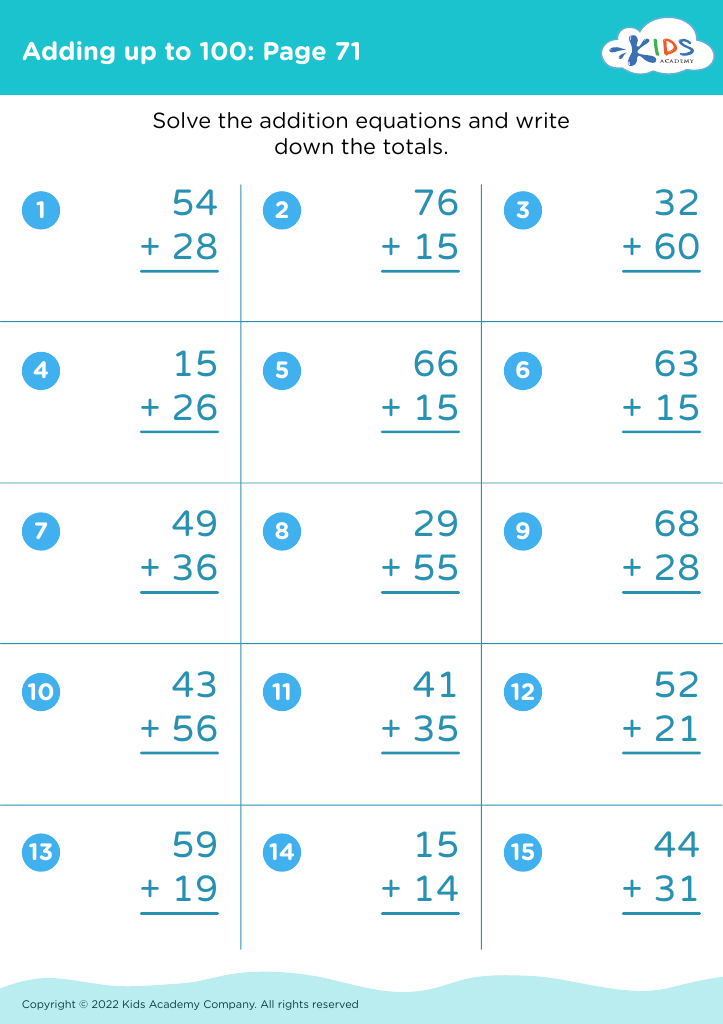
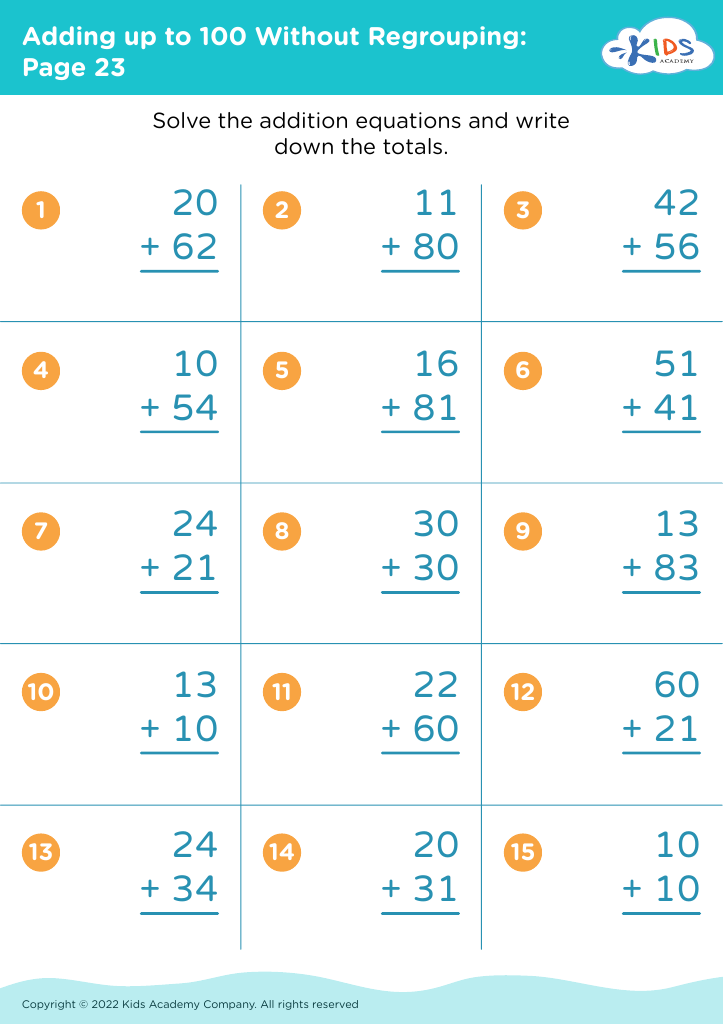
Enhance your child's math skills with our "Comparing Fractions Adding up to 100 Worksheets." These engaging resources are designed for early grades, helping young learners understand and compare fractions with ease. Each worksheet provides clear instructions and varied exercises that encourage critical thinking and problem-solving. Students will practice identifying greater and lesser fractions while adding to 100, fostering a solid grasp of fractions in practical contexts. Perfect for classroom use or at-home learning, these worksheets empower children to build confidence in their mathematical abilities. Download now and give your child the tools they need to succeed in comparing fractions!
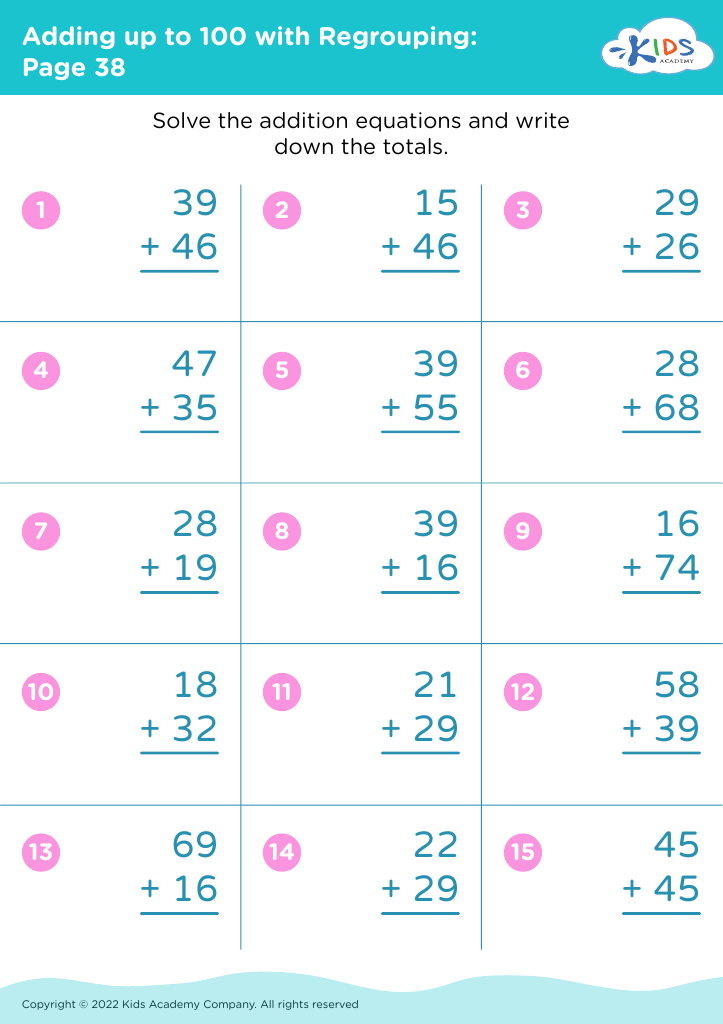
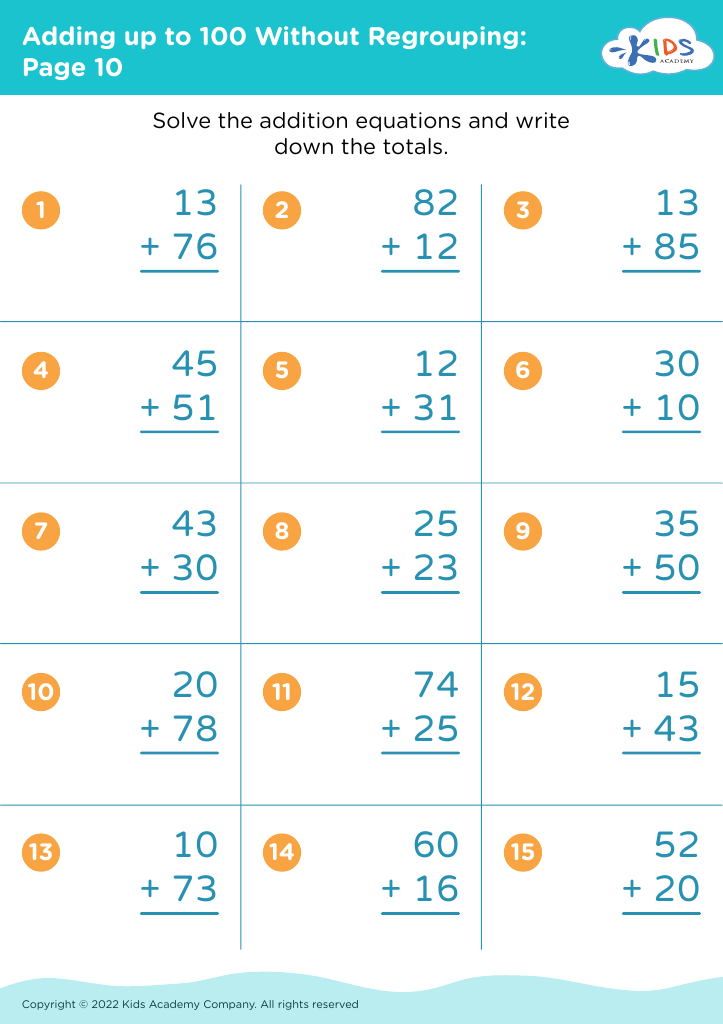
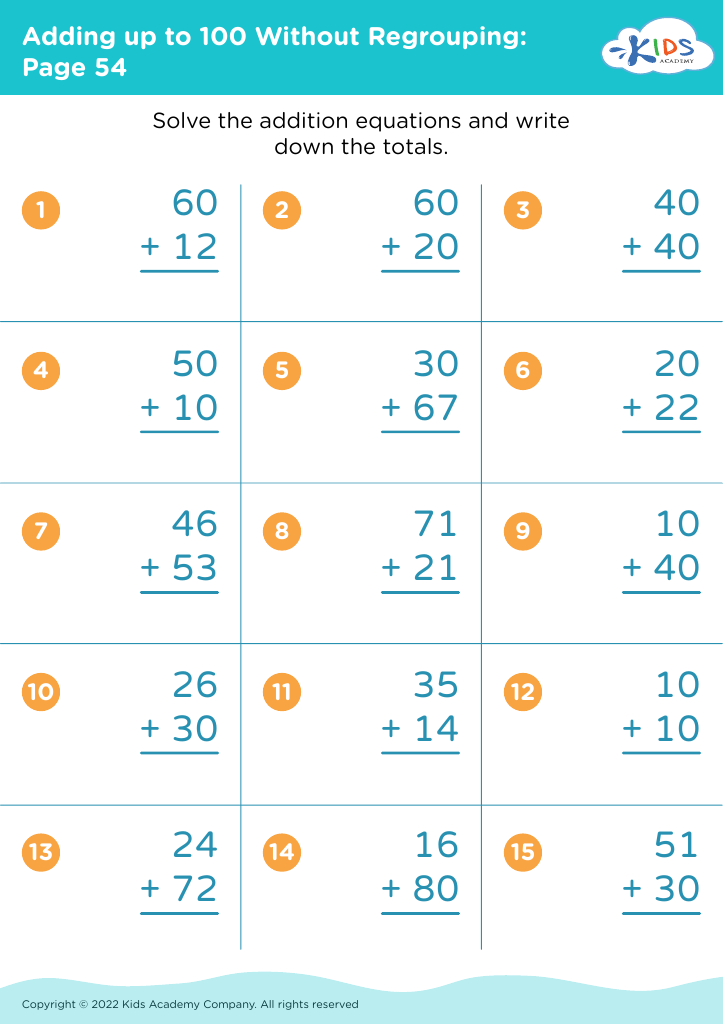
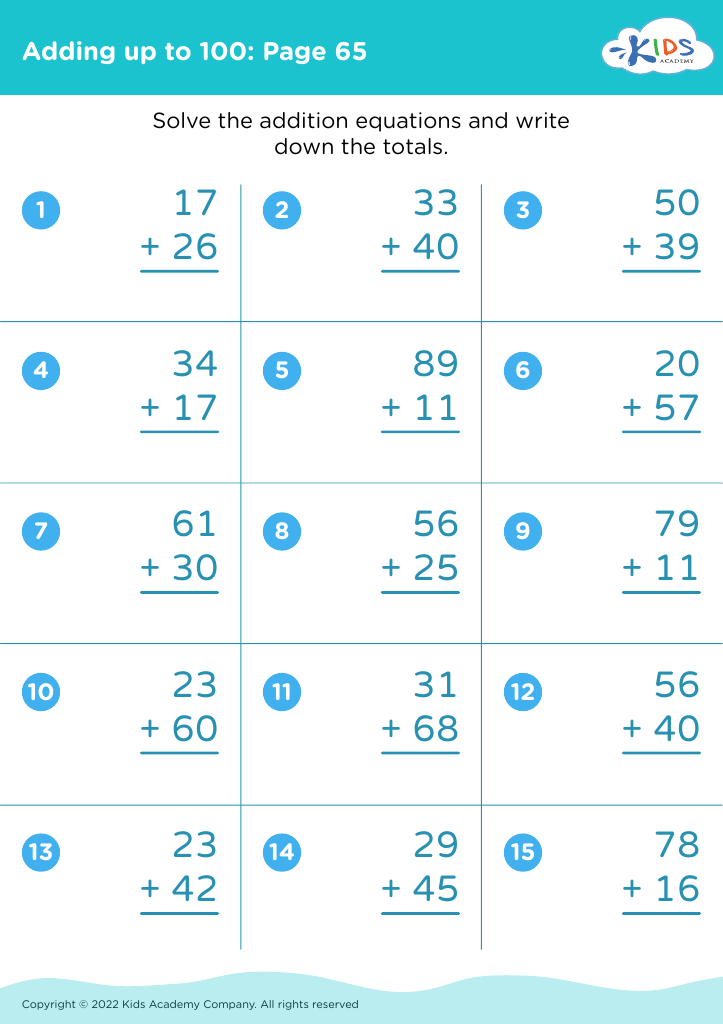
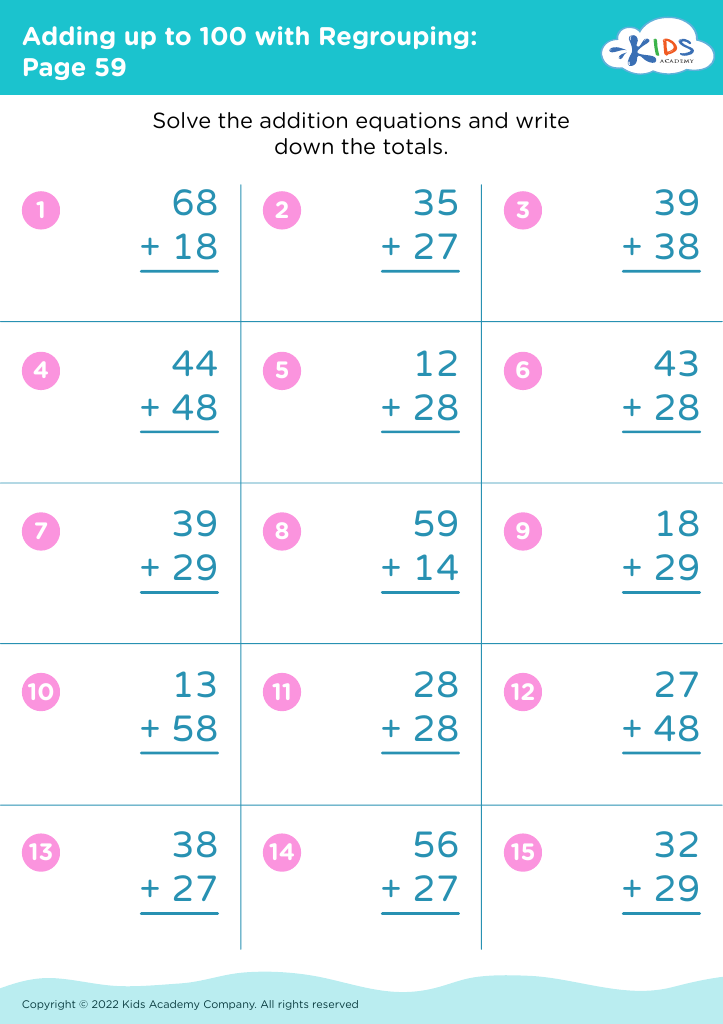
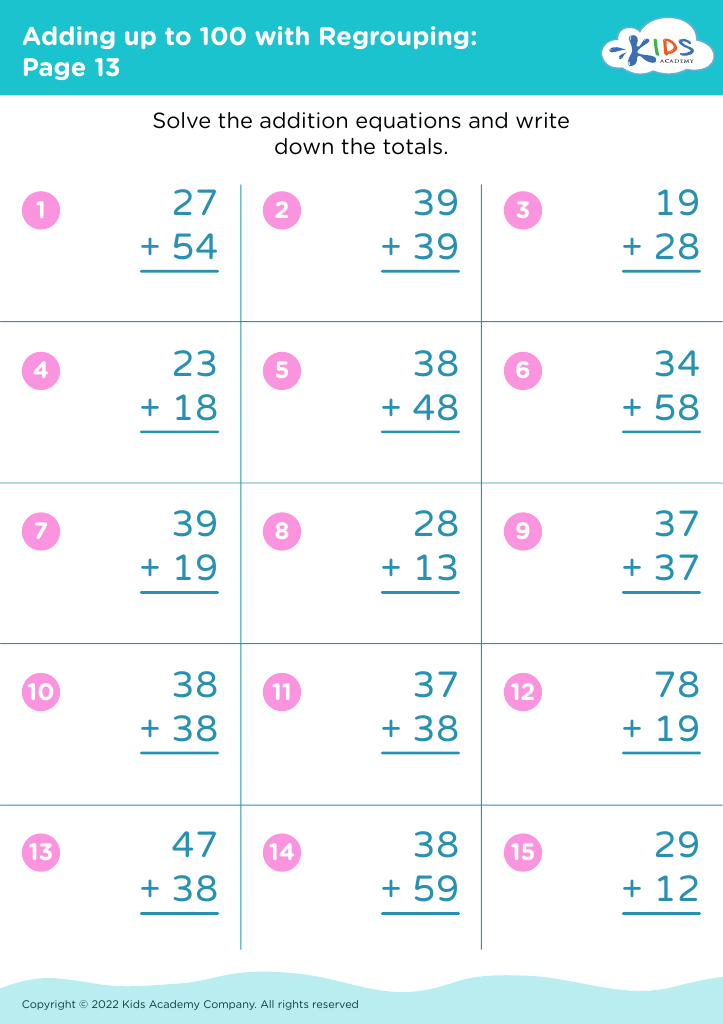
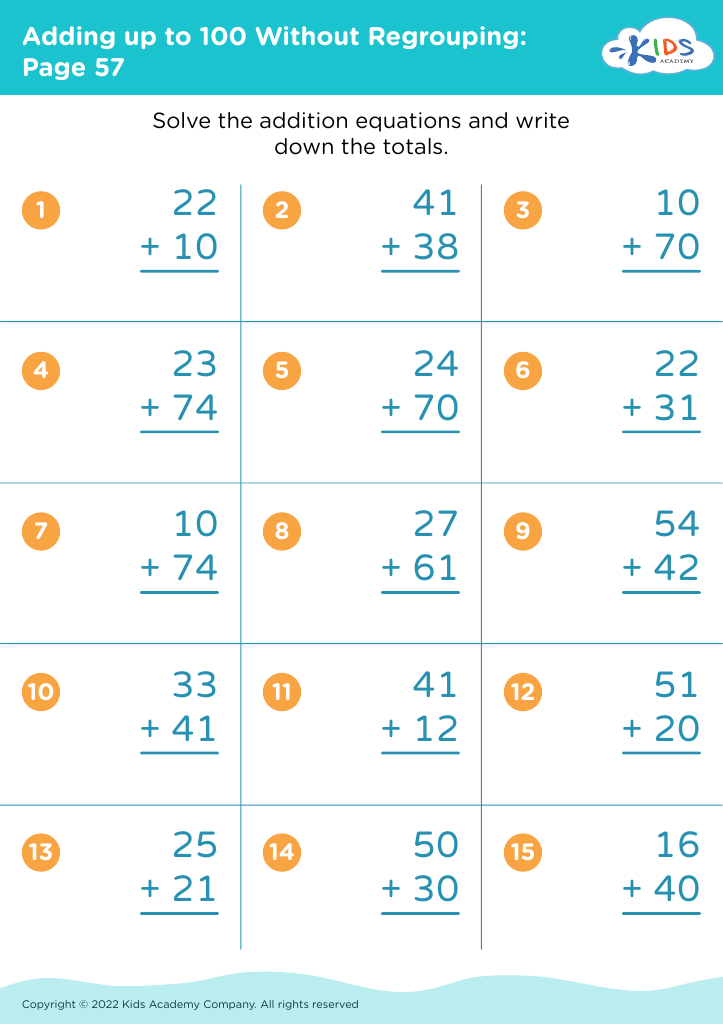
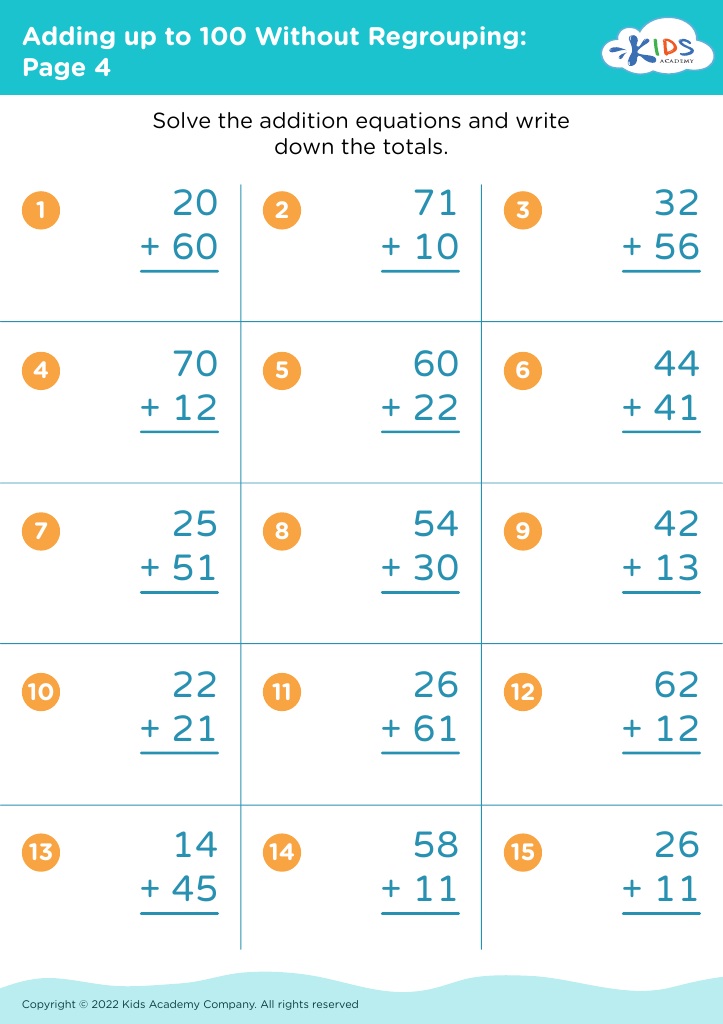



%20(1).jpg)



Teaching students to compare fractions that add up to 100 is essential for several reasons. First, it fosters a strong foundational understanding of fractions, a critical component of mathematics. By recognizing how various fractions relate to each other when combined, students develop better numerical reasoning and problem-solving skills.
Parents and teachers should care because comparing fractions enhances children's ability to grasp more complex mathematical concepts in later grades. It encourages analytical thinking, as students must assess and visualize relationships between different fractions. This skill not only applies to mathematics but also contributes to understanding real-world situations involving fractions, such as cooking or budgeting.
Moreover, this concept nurtures a sense of achievement and confidence in children. When they can successfully compare fractions, it bolsters their self-esteem and encourages a positive attitude towards mathematics—a subject often perceived as challenging. Engaging students in comparing fractions can also nurture their ability to work collaboratively, as they engage in discussions and share strategies with peers.
Overall, by emphasizing the importance of comparing fractions, parents and teachers help prepare students for academic success, promote critical thinking, and foster a love for mathematics that can last a lifetime.








