Filters

51 filtered results

Clear all filters
Favorites
With answer key
Interactive

51 filtered results

Difficulty Level

Grade


Check out this FREE Trial Lesson on Adding up to 100!

Sorting Objects into 3 Categories

Favorites
With answer key
Interactive
  • Understanding fractions
  • Adding up to 100
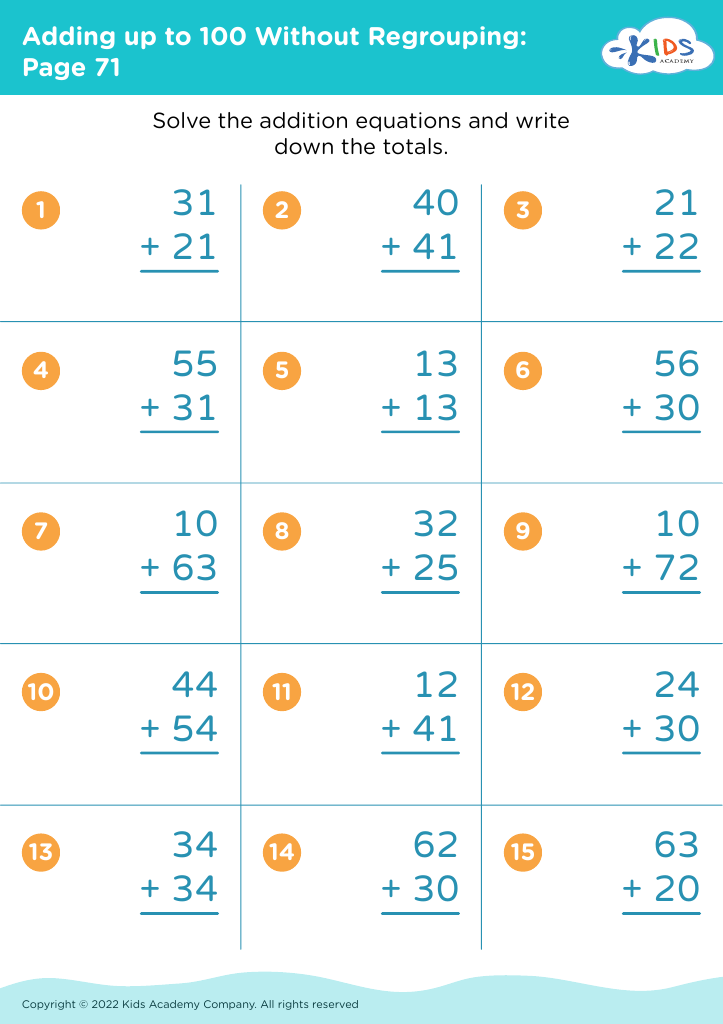
Adding up to 100 Without Regrouping: Page 71
Worksheet
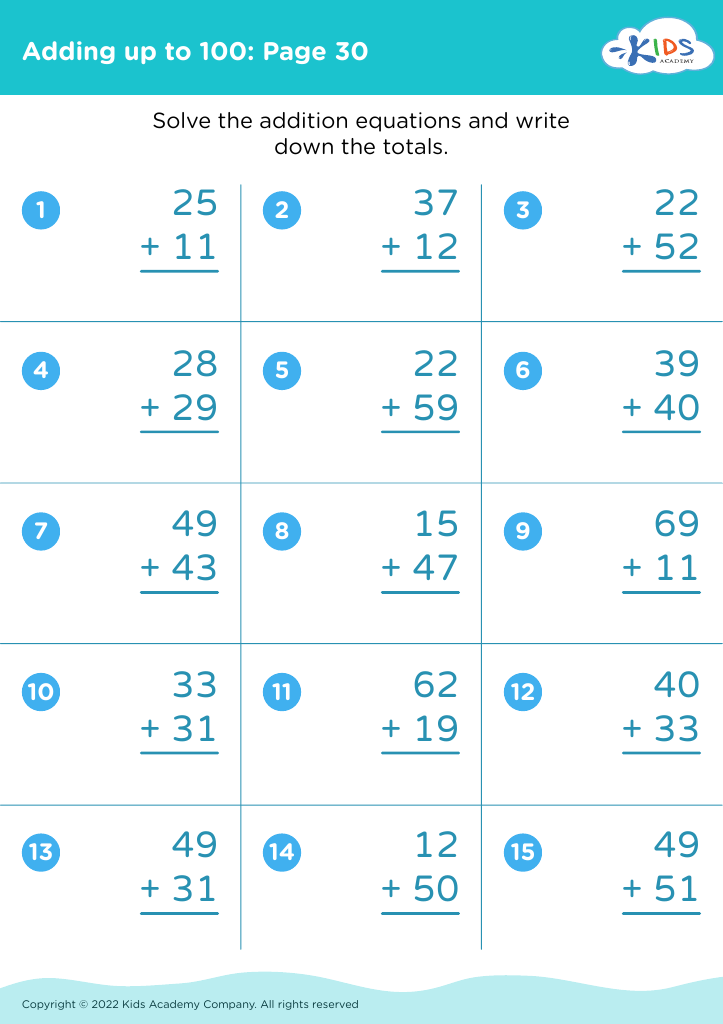
Adding up to 100: Page 30

Adding up to 100: Page 30

Adding up to 100: Page 30
Worksheet
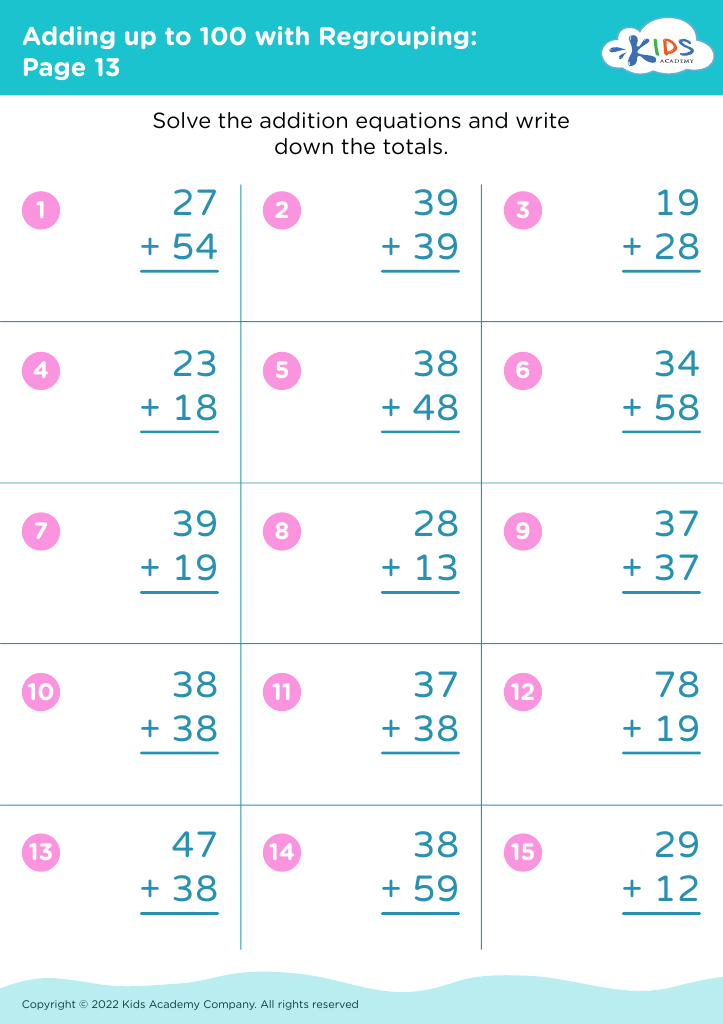
Adding up to 100 with Regrouping: Page 13
Worksheet
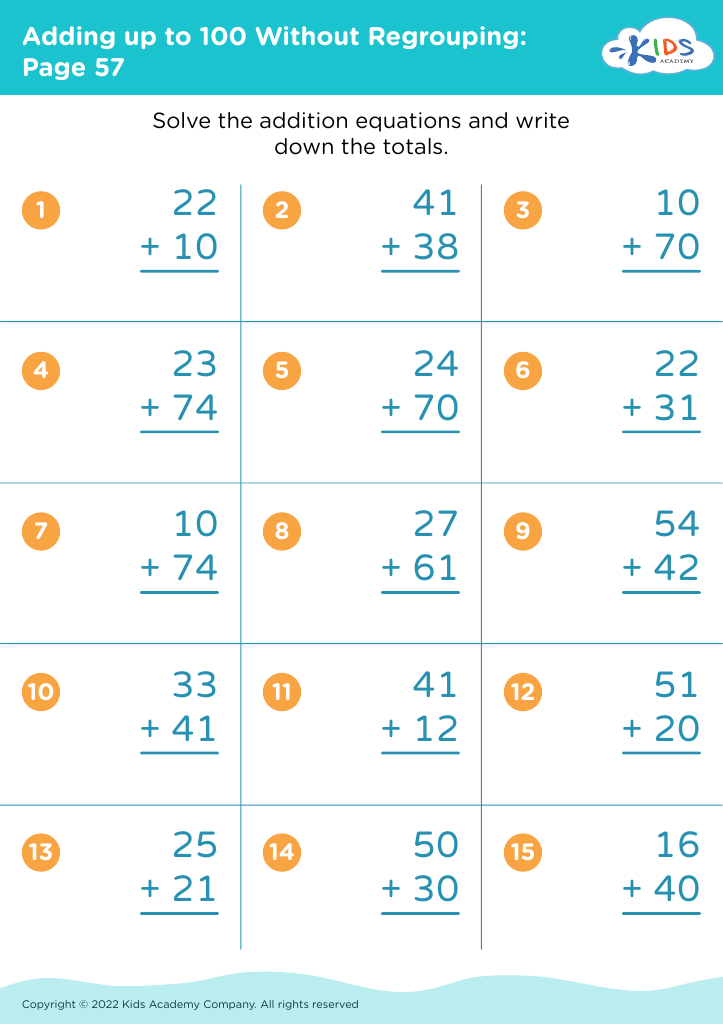
Adding up to 100 Without Regrouping: Page 57
Worksheet
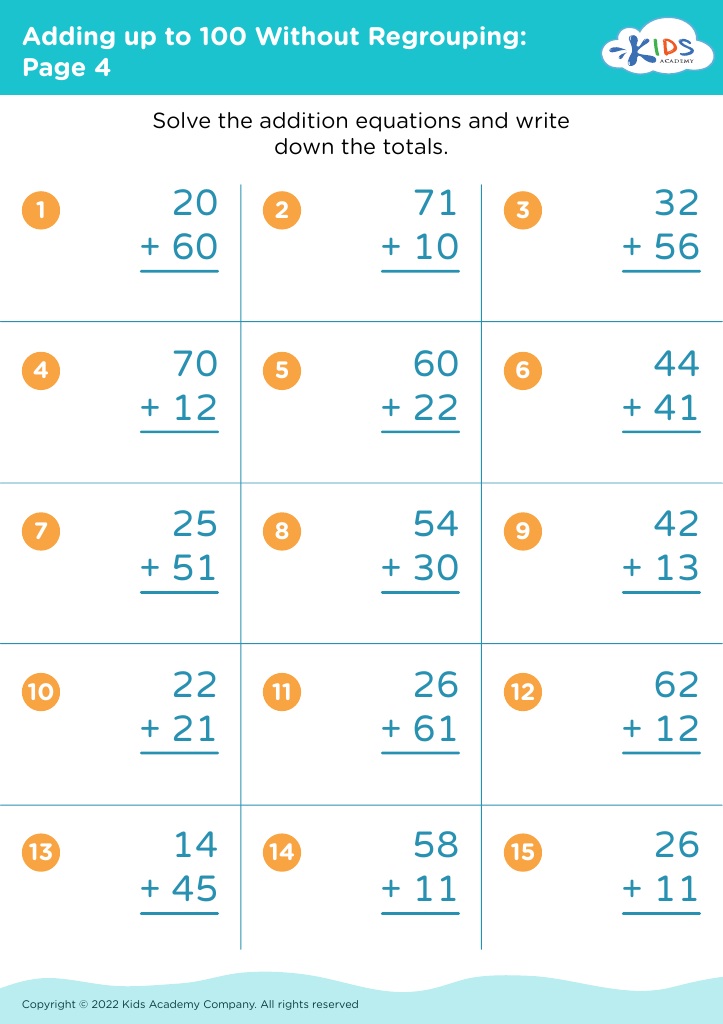
Adding up to 100 Without Regrouping: Page 4
Worksheet
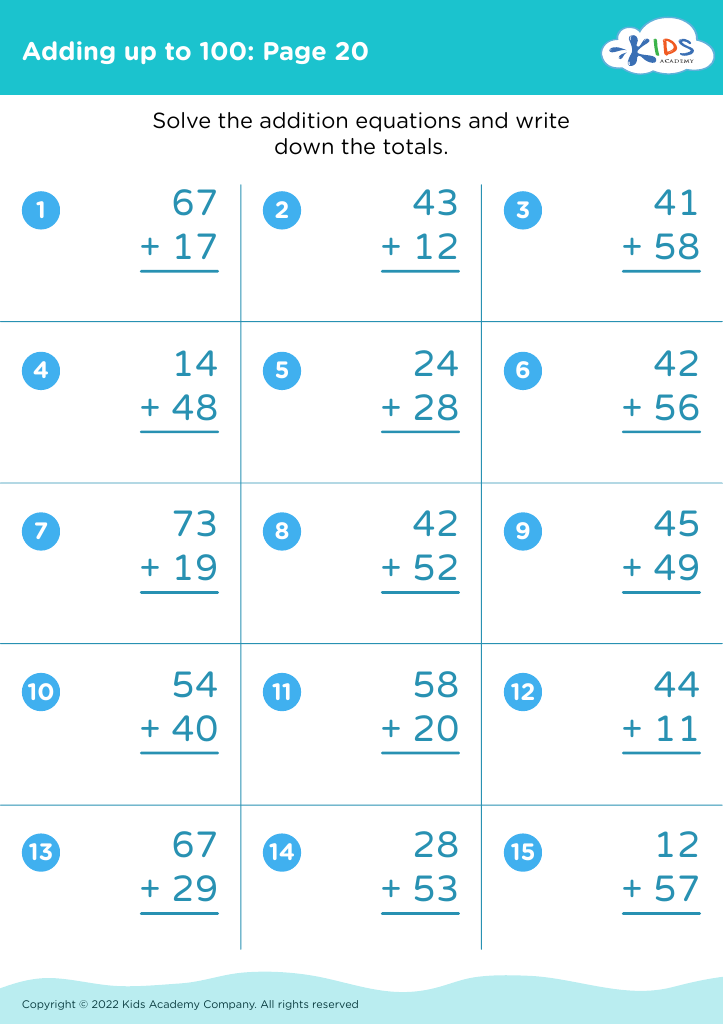
Adding up to 100: Page 20

Adding up to 100: Page 20

Adding up to 100: Page 20
Worksheet
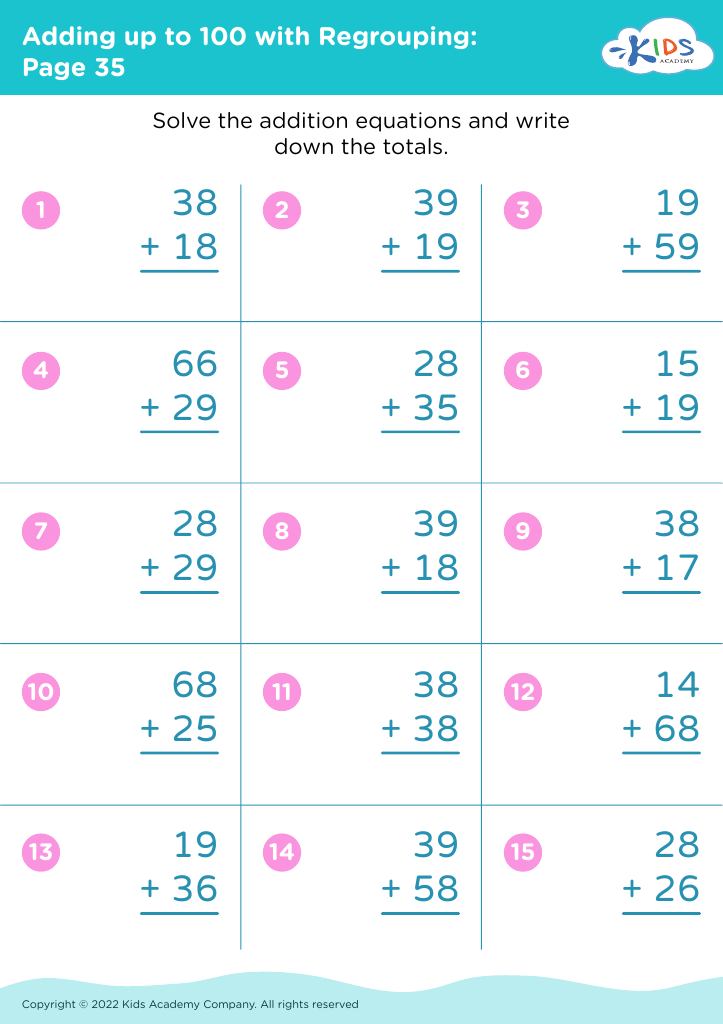
Adding up to 100 with Regrouping: Page 35
Worksheet
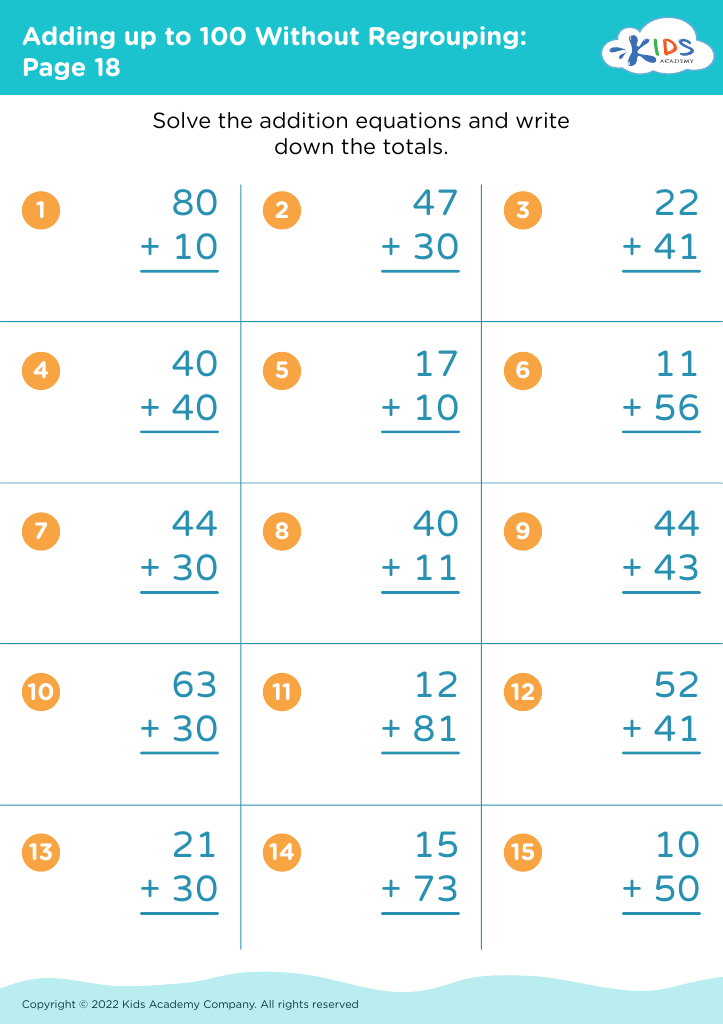
Adding up to 100 Without Regrouping: Page 18
Worksheet
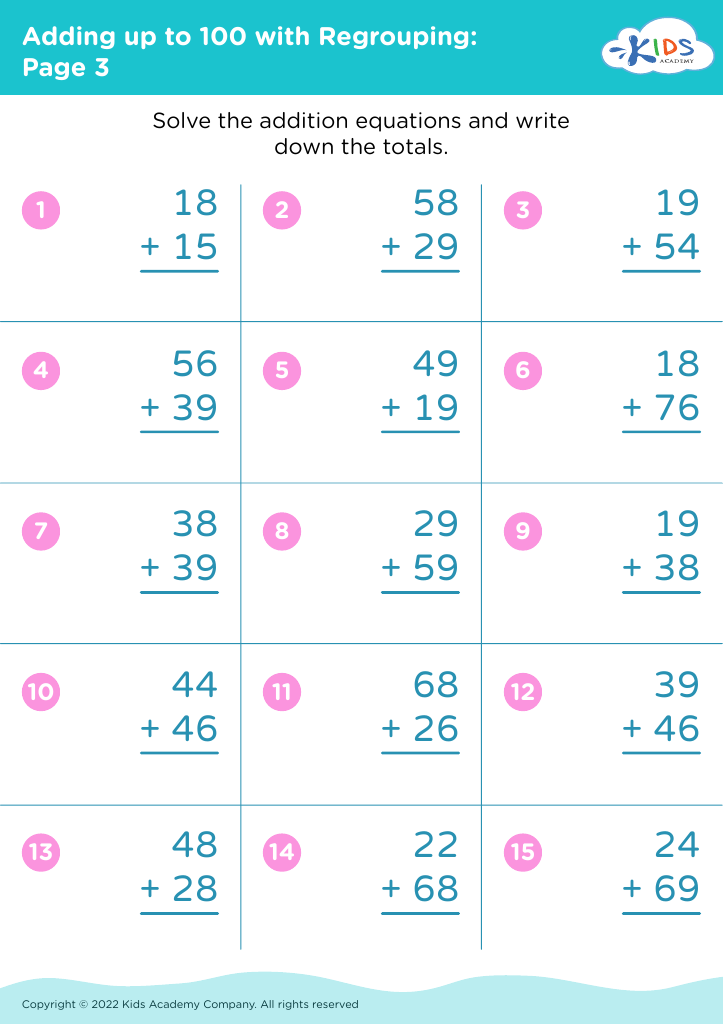
Adding up to 100 with Regrouping: Page 3
Worksheet
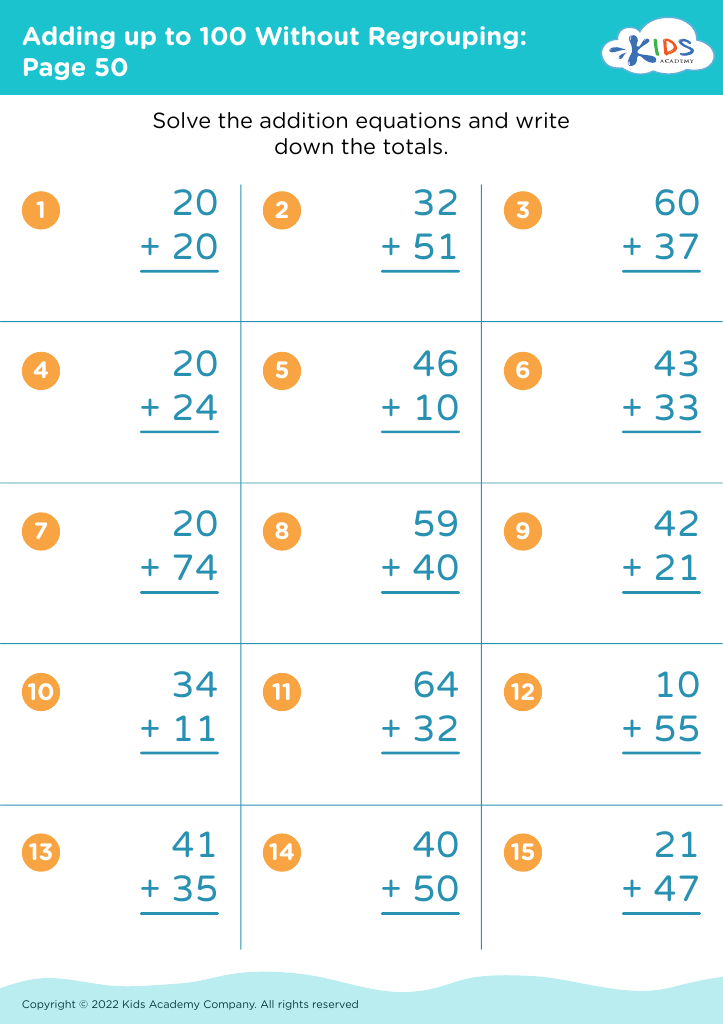
Adding up to 100 Without Regrouping: Page 50
Worksheet
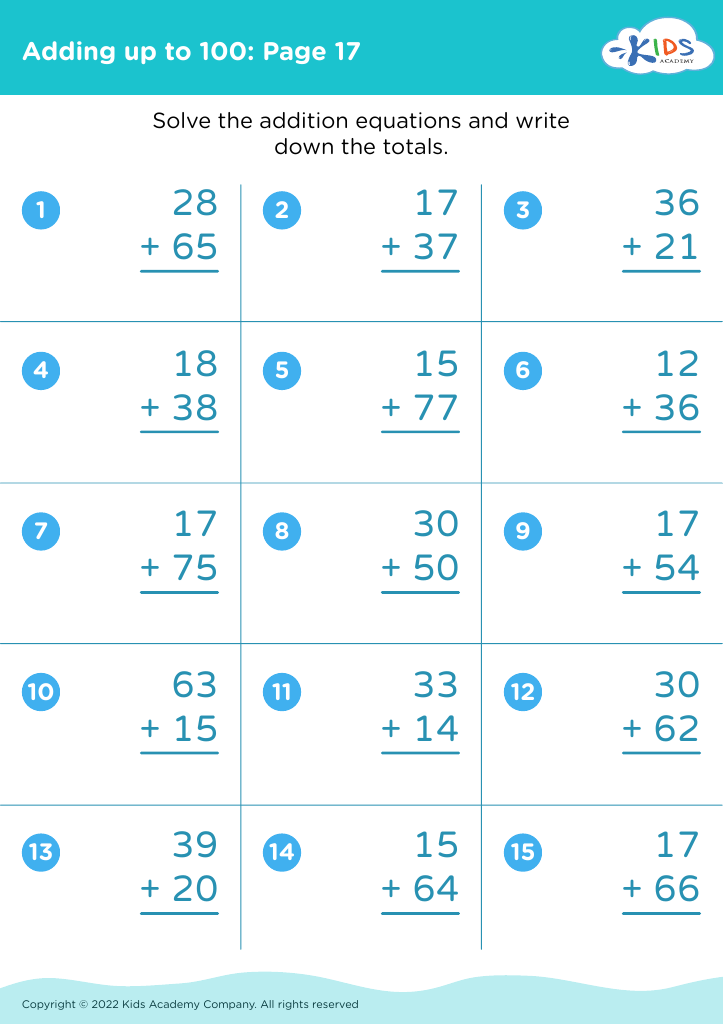
Adding up to 100: Page 17

Adding up to 100: Page 17

Adding up to 100: Page 17
Worksheet
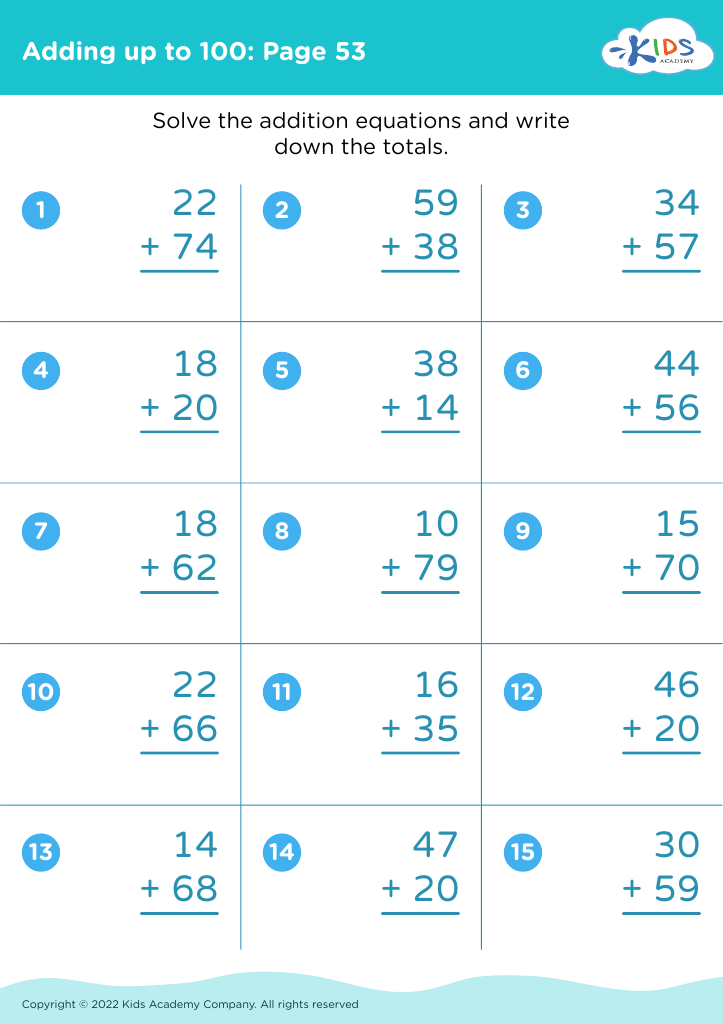
Adding up to 100: Page 53

Adding up to 100: Page 53

Adding up to 100: Page 53
Worksheet
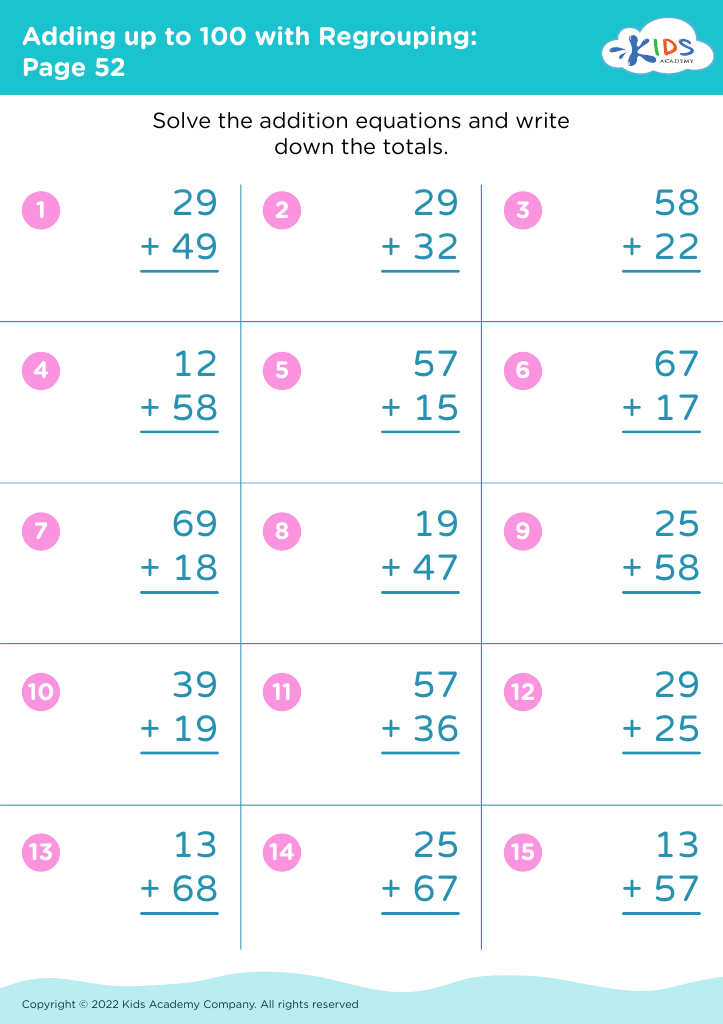
Adding up to 100 with Regrouping: Page 52
Worksheet
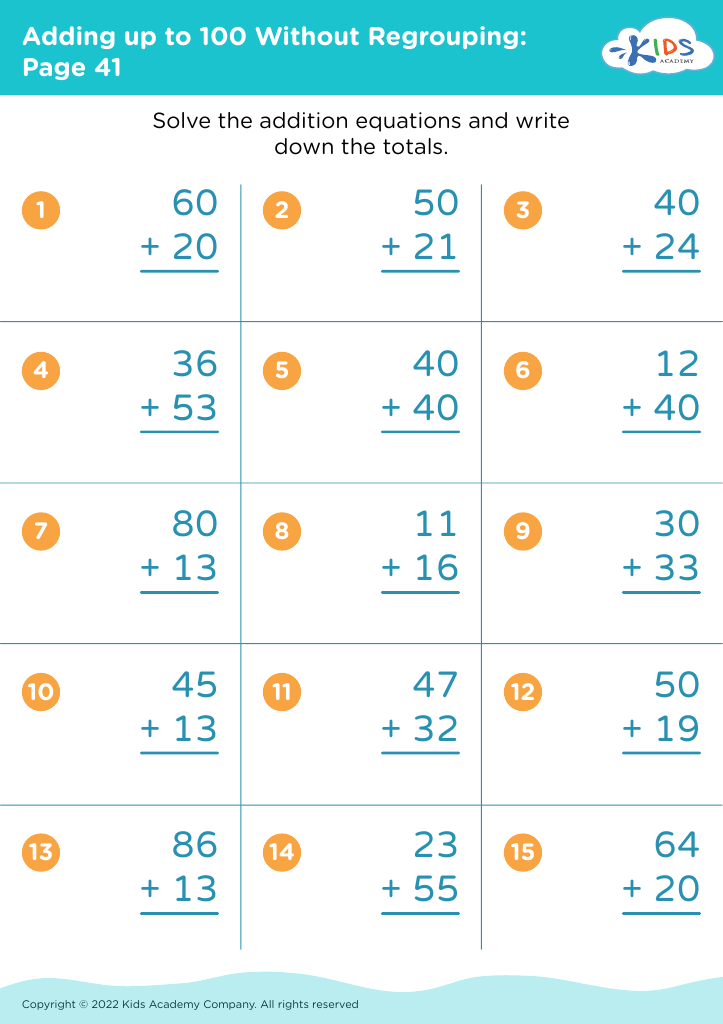
Adding up to 100 Without Regrouping: Page 41
Worksheet
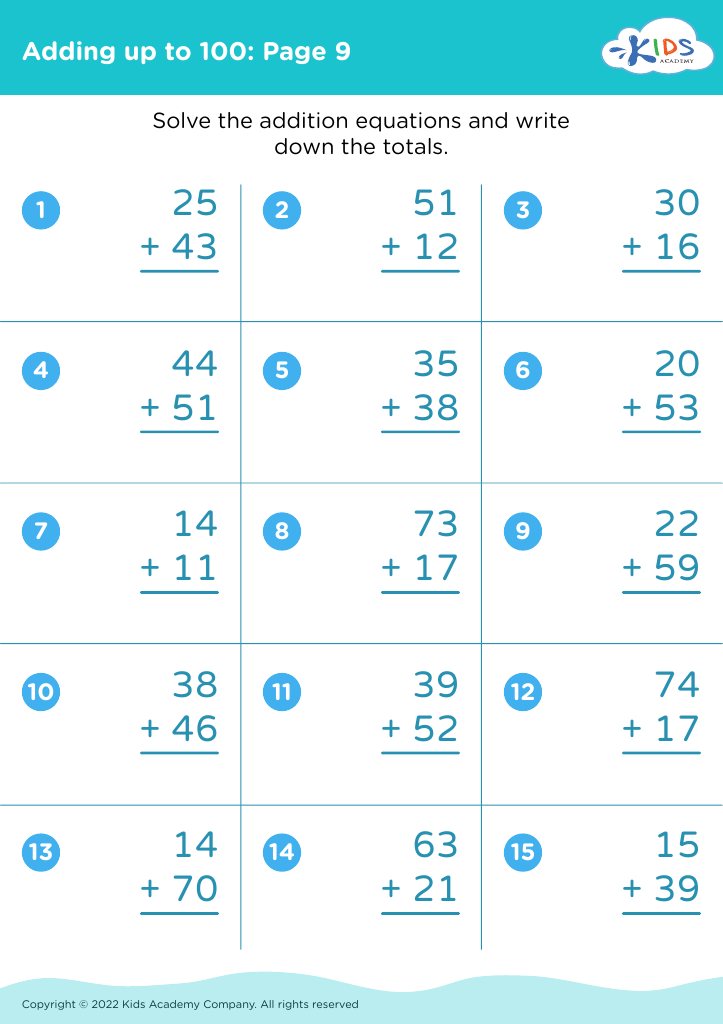
Adding up to 100: Page 9

Adding up to 100: Page 9

Adding up to 100: Page 9
Worksheet
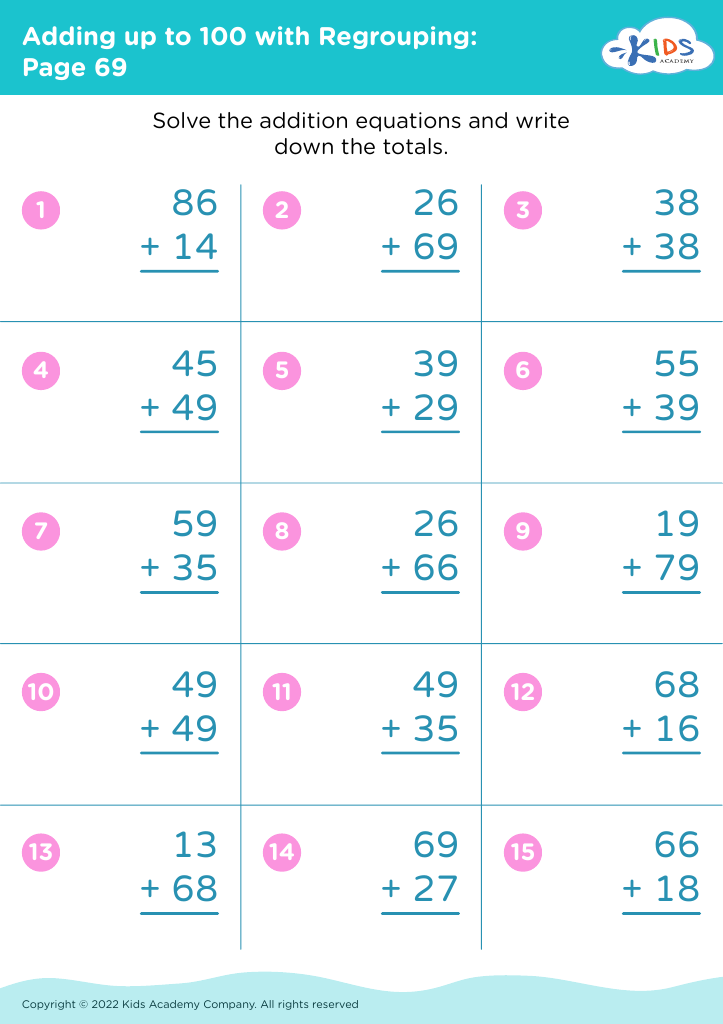
Adding up to 100 with Regrouping: Page 69
Worksheet
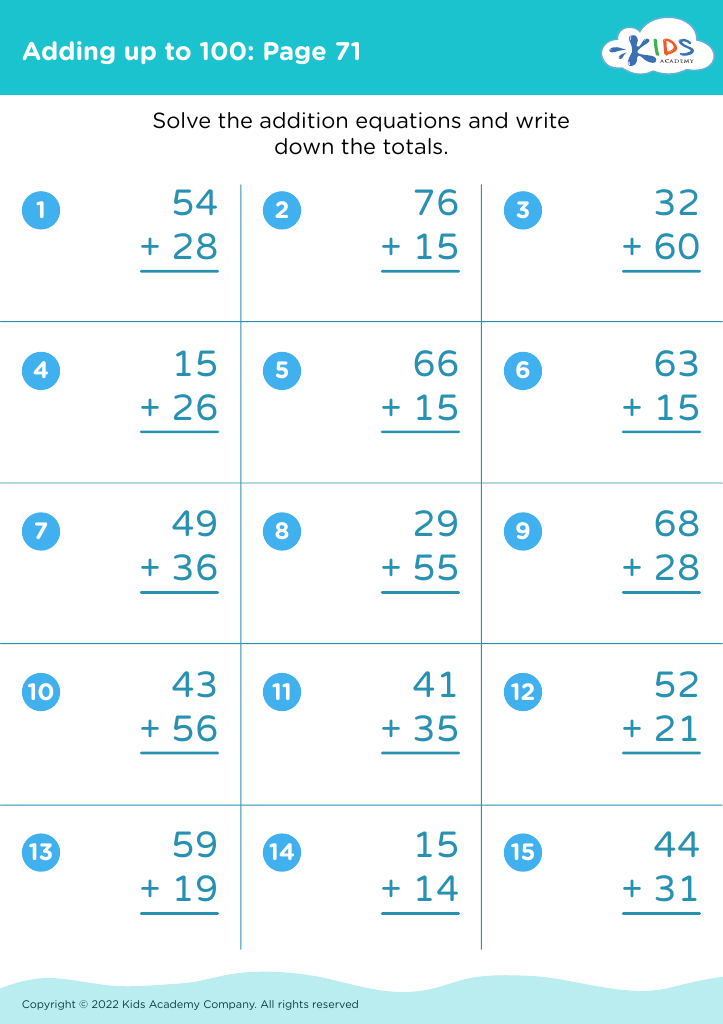
Adding up to 100: Page 71

Adding up to 100: Page 71

Adding up to 100: Page 71
Worksheet
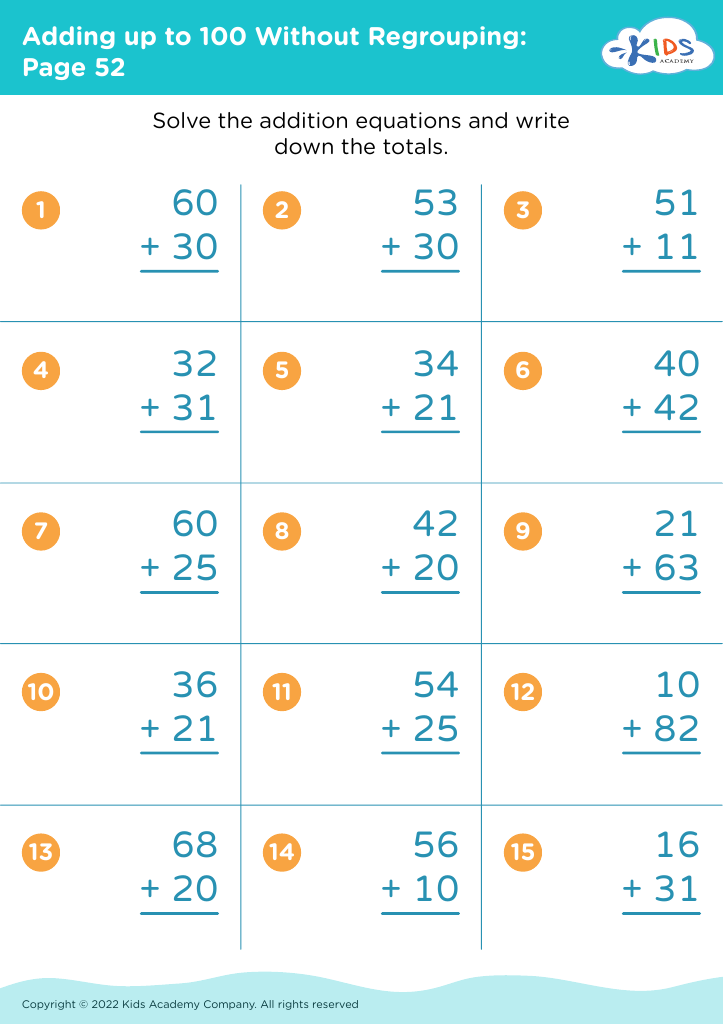
Adding up to 100 Without Regrouping: Page 52
Worksheet
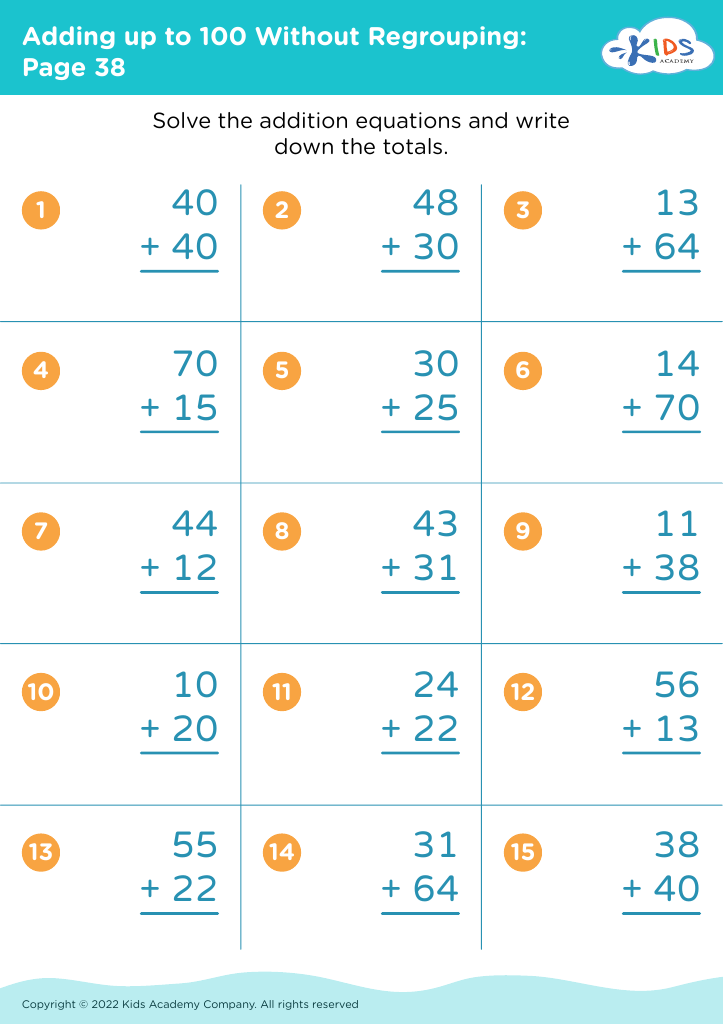
Adding up to 100 Without Regrouping: Page 38
Worksheet
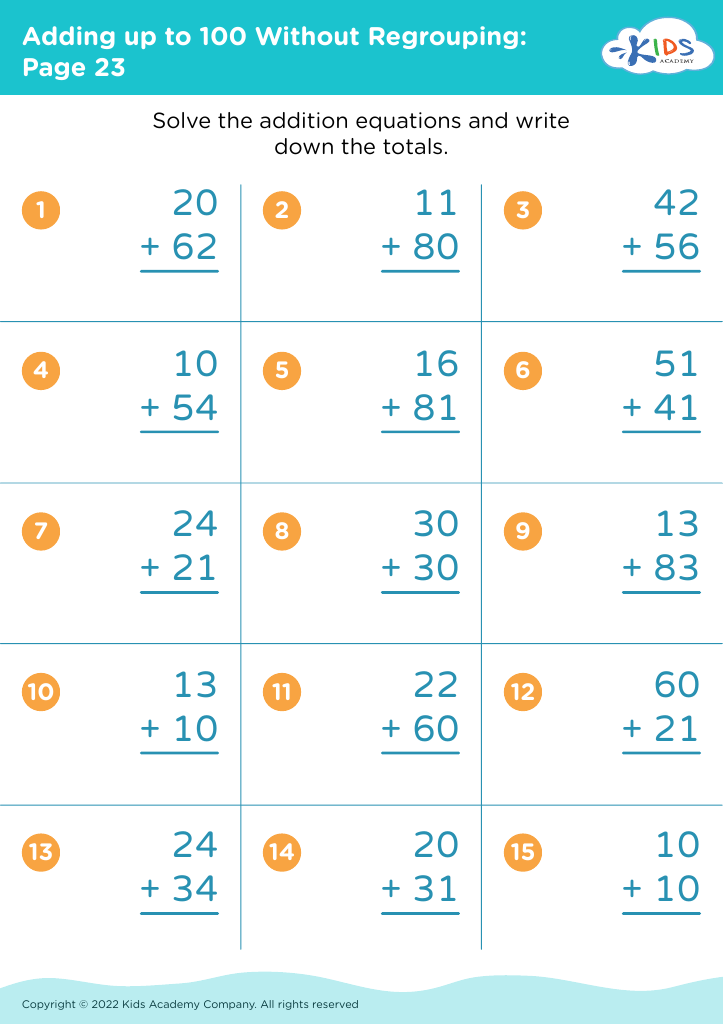
Adding up to 100 Without Regrouping: Page 23
Worksheet
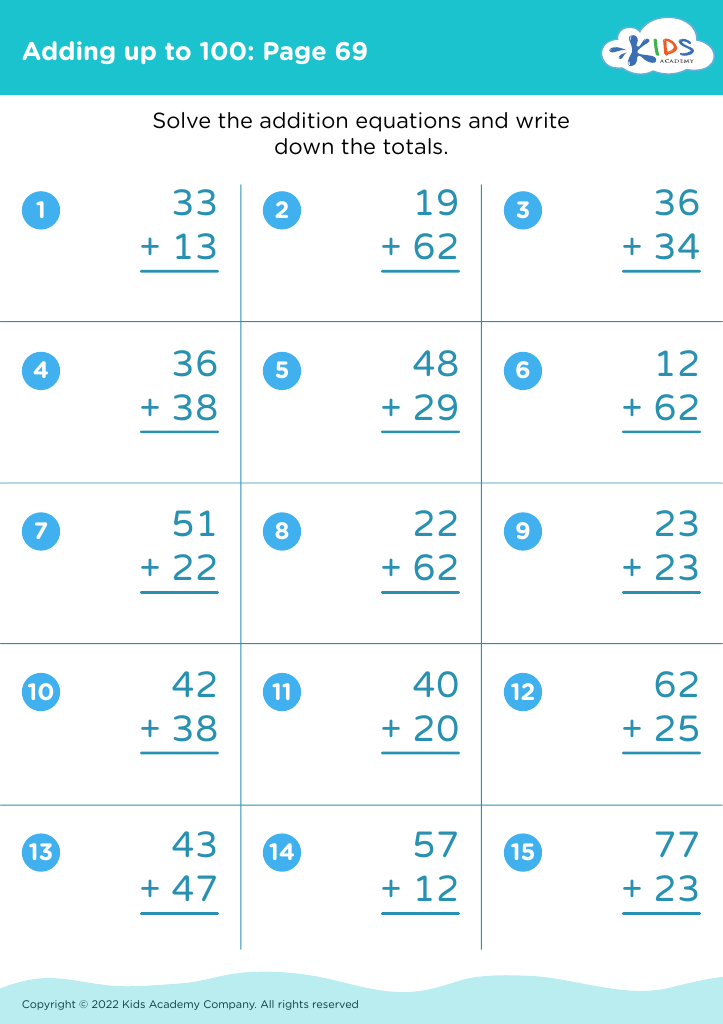
Adding up to 100: Page 69

Adding up to 100: Page 69

Adding up to 100: Page 69
Worksheet
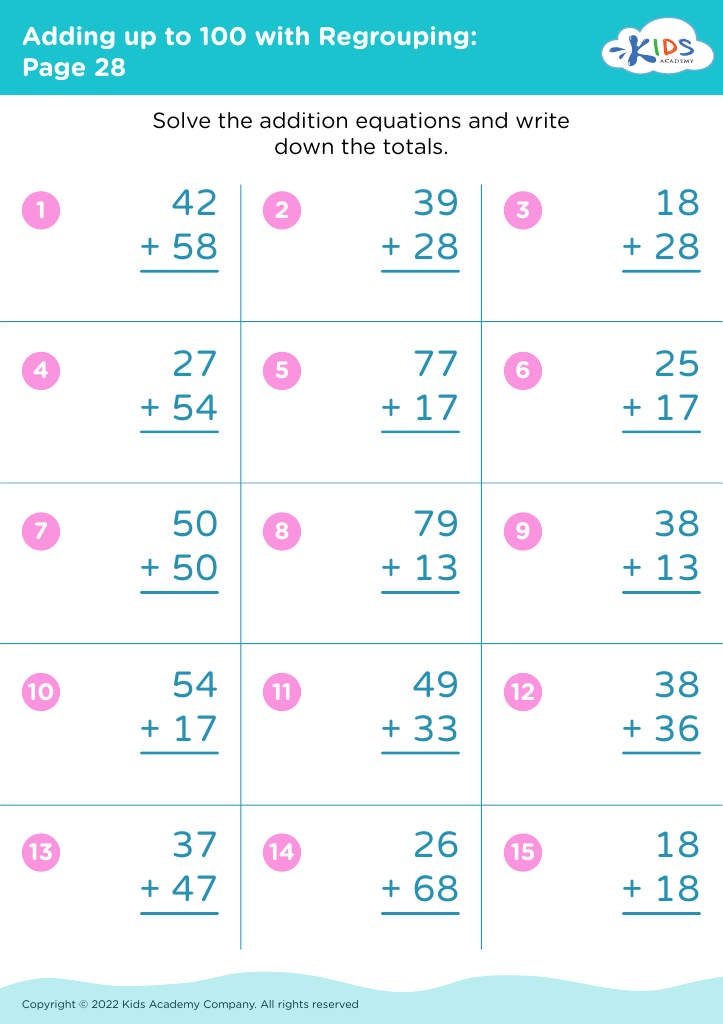
Adding up to 100 with Regrouping: Page 28
Worksheet
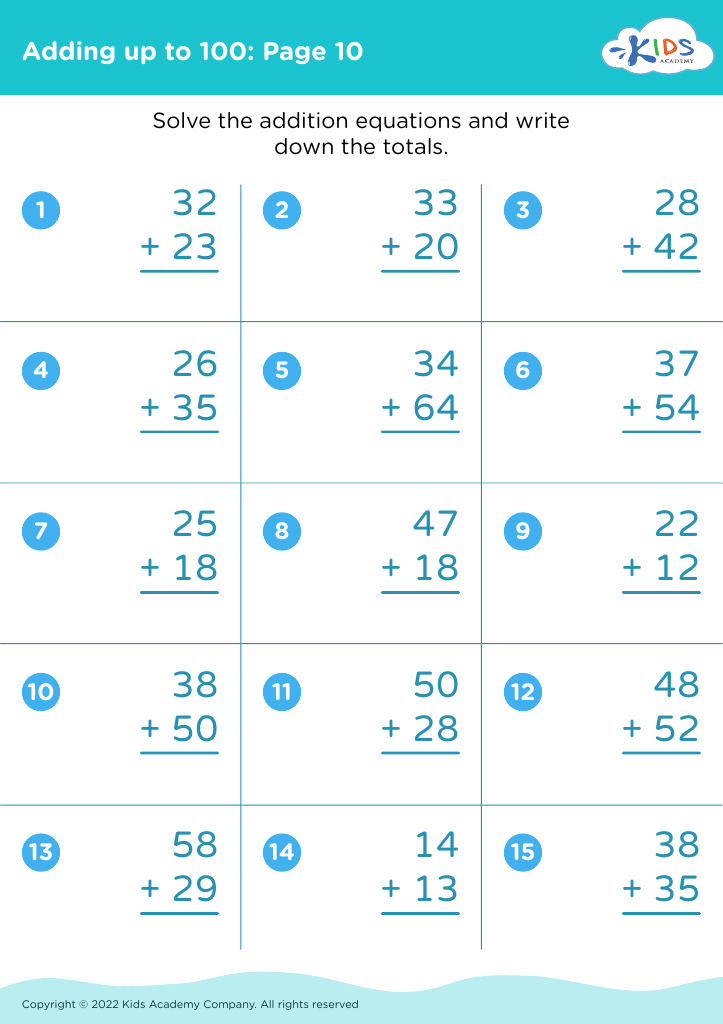
Adding up to 100: Page 10

Adding up to 100: Page 10

Adding up to 100: Page 10
Worksheet
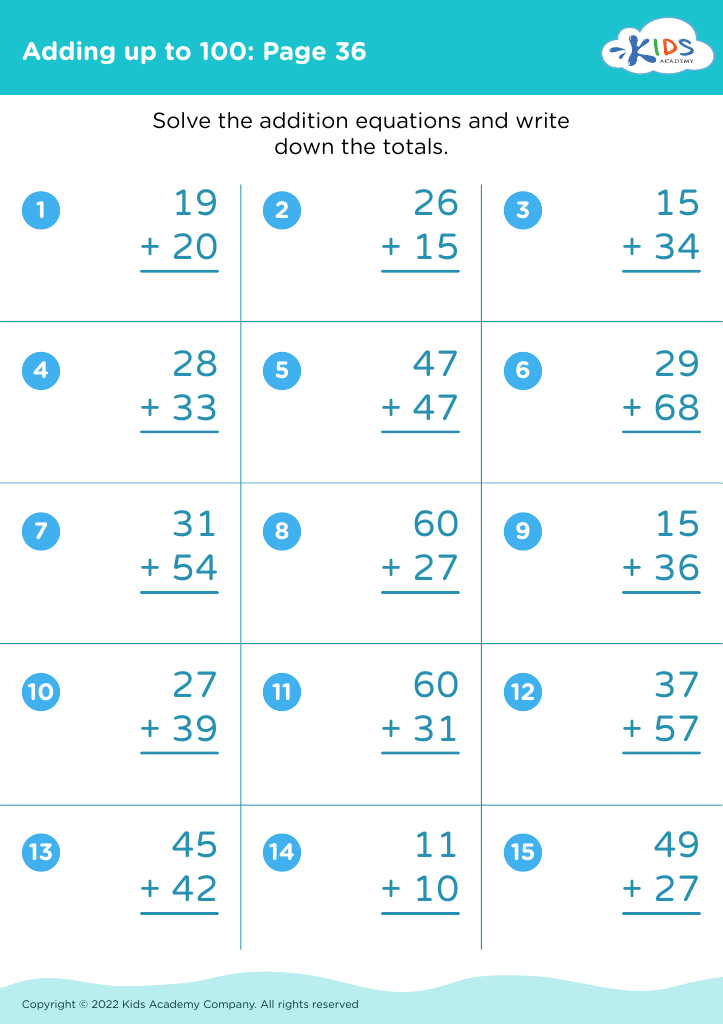
Adding up to 100: Page 36

Adding up to 100: Page 36

Adding up to 100: Page 36
Worksheet


Understanding fractions that add up to 100 is crucial for both parents and teachers because it lays the foundation for essential math skills that extend beyond the classroom. First, mastering the concept of fractions enhances students' problem-solving abilities and critical thinking skills. When children learn that different fractions can represent portions of a whole, they develop a deeper understanding of numerical relationships and spending budgets, which are vital for everyday life.

Moreover, mastering fractions helps children grasp more complex mathematical concepts that they will encounter later, such as percentages, ratios, and proportions. This knowledge is particularly beneficial in subjects such as science and economics, where these concepts are prevalent.

Additionally, by emphasizing the importance of fractions, parents and teachers can foster a more engaging learning environment. Collaborative activities that utilize fractions in practical situations—like cooking or managing finances—encourage children to appreciate math's real-world applications. When parents and teachers work together in this regard, children are more likely to develop a positive attitude toward math, increasing their overall academic success.

Ultimately, understanding fractions is not just about math; it equips children with valuable life skills critical for their future success.