Filters

47 filtered results

Clear all filters
Favorites
With answer key
Interactive

47 filtered results

Difficulty Level

Grade


Check out this FREE Trial Lesson on Adding up to 50!

T

Favorites
With answer key
Interactive
  • Understanding fractions
  • Adding up to 50
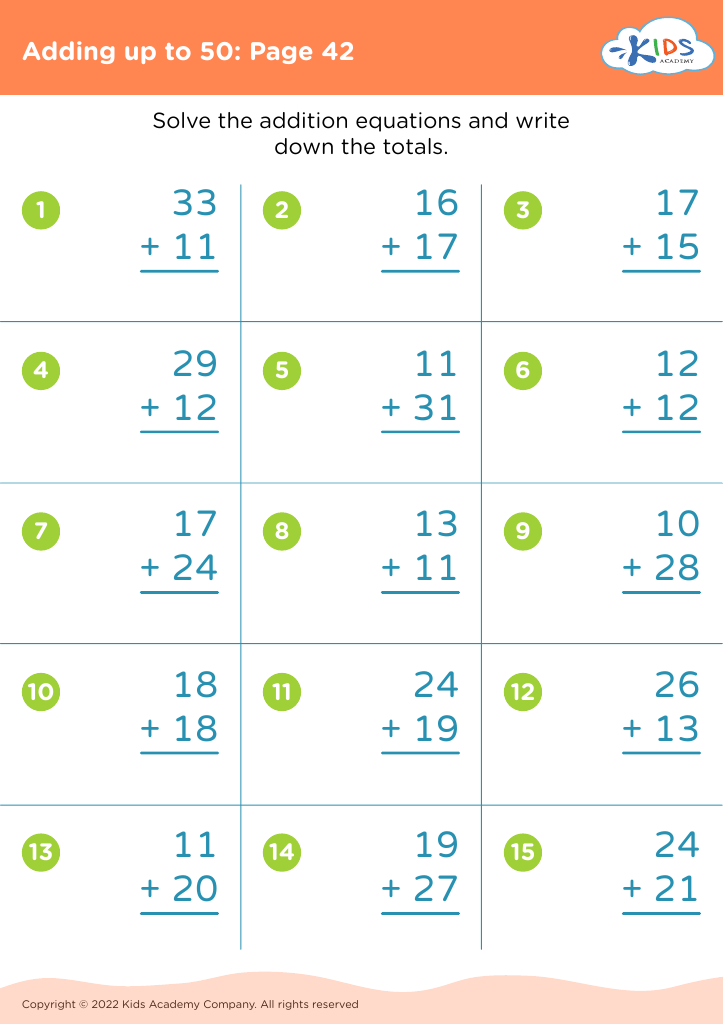
Adding up to 50: Page 42

Adding up to 50: Page 42

Adding up to 50: Page 42
Worksheet
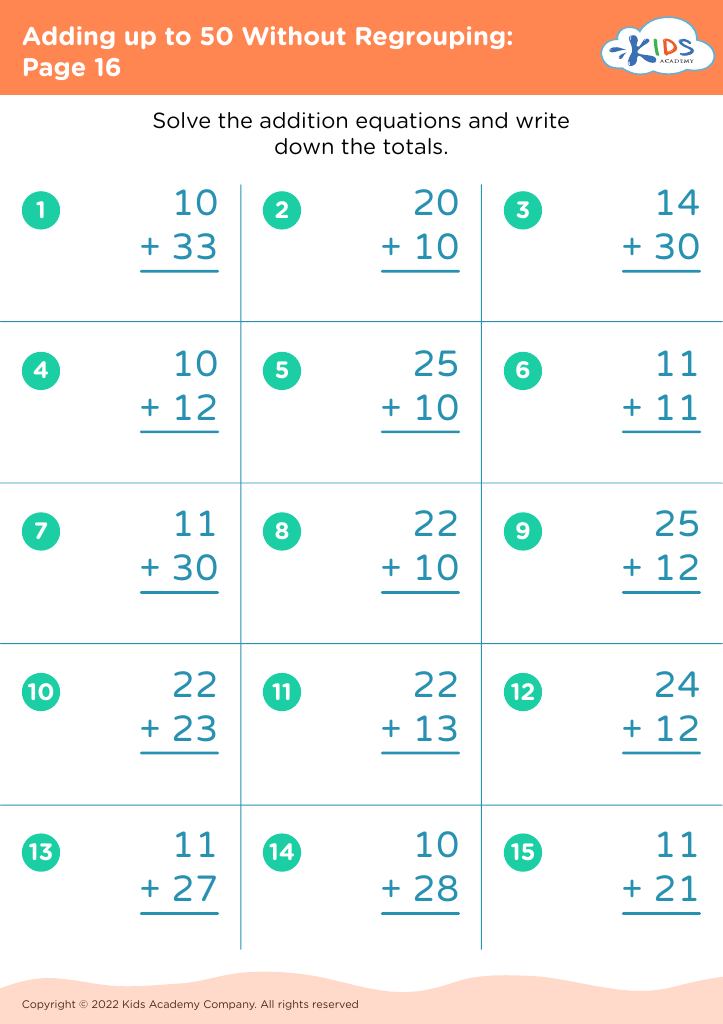
Adding up to 50 Without Regrouping: Page 16
Worksheet
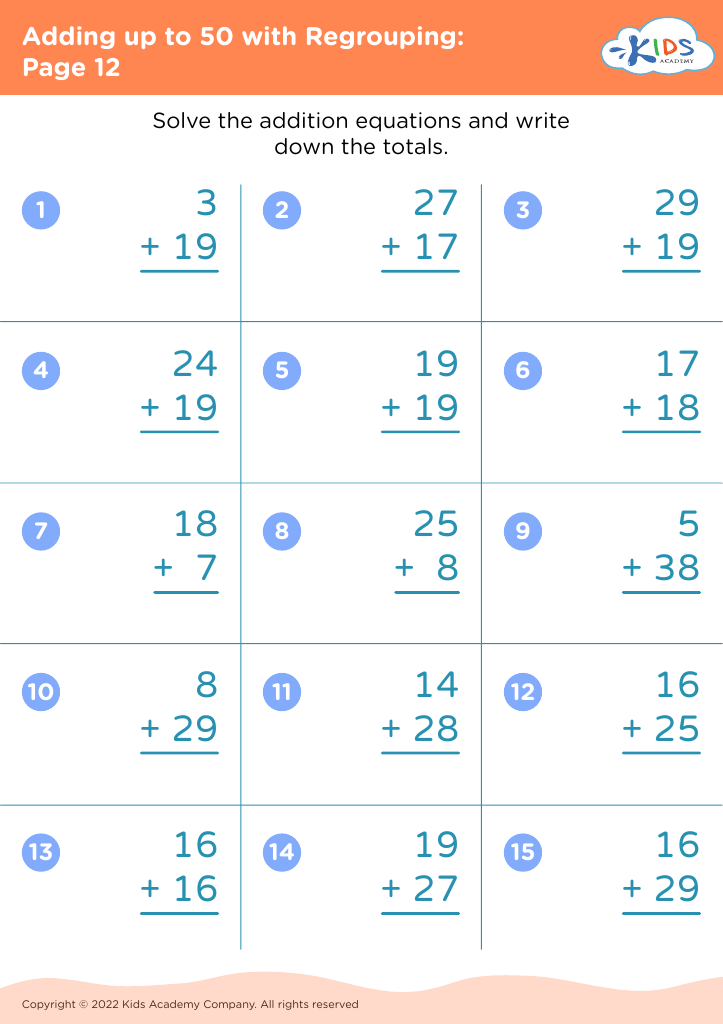
Adding up to 50 with Regrouping: Page 12
Worksheet
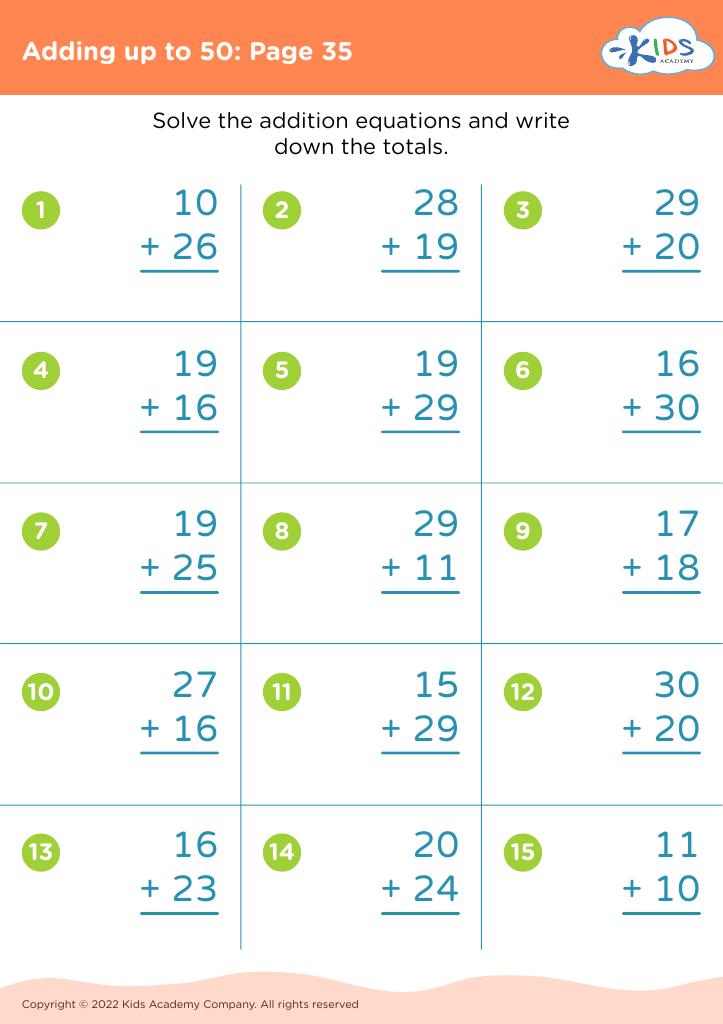
Adding up to 50: Page 35

Adding up to 50: Page 35

Adding up to 50: Page 35
Worksheet
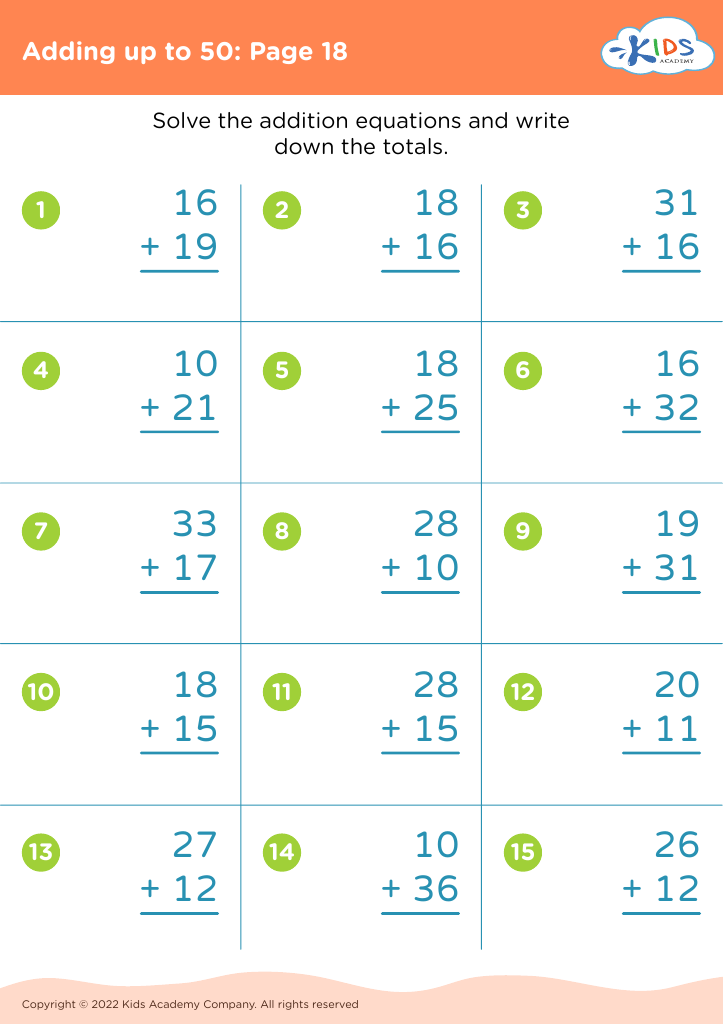
Adding up to 50: Page 18

Adding up to 50: Page 18

Adding up to 50: Page 18
Worksheet
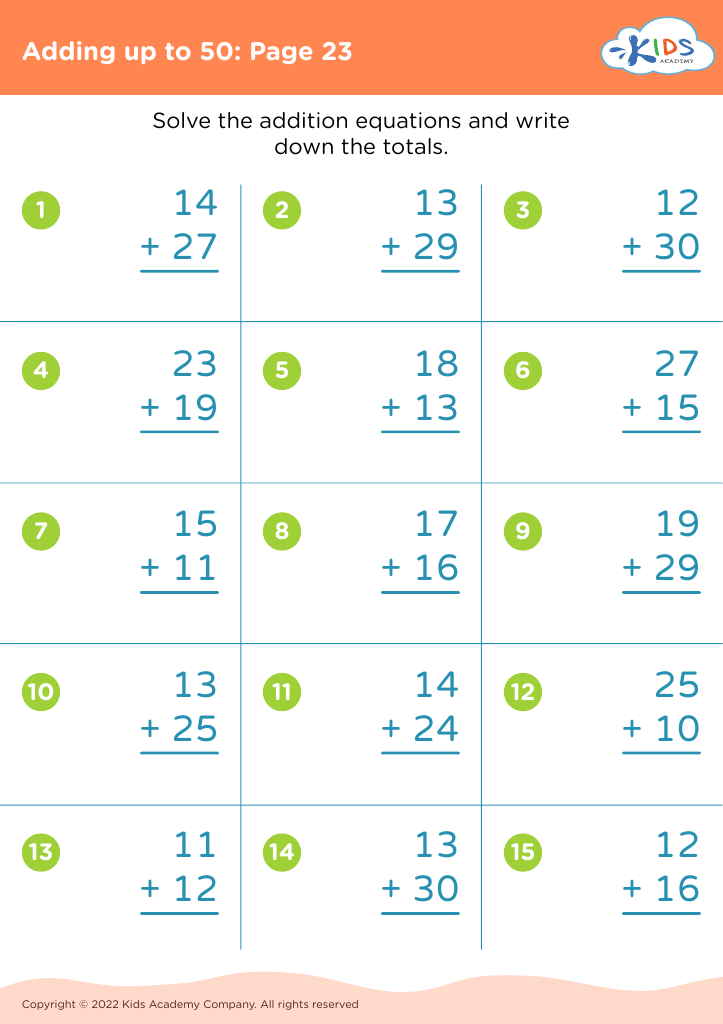
Adding up to 50: Page 23

Adding up to 50: Page 23

Adding up to 50: Page 23
Worksheet
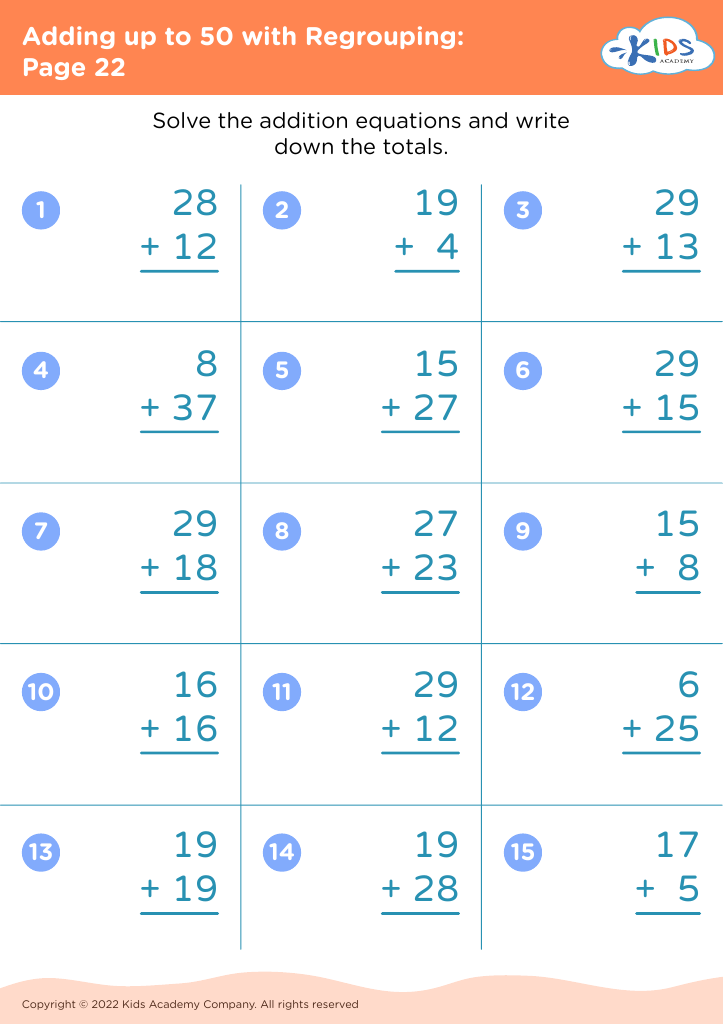
Adding up to 50 with Regrouping: Page 22
Worksheet
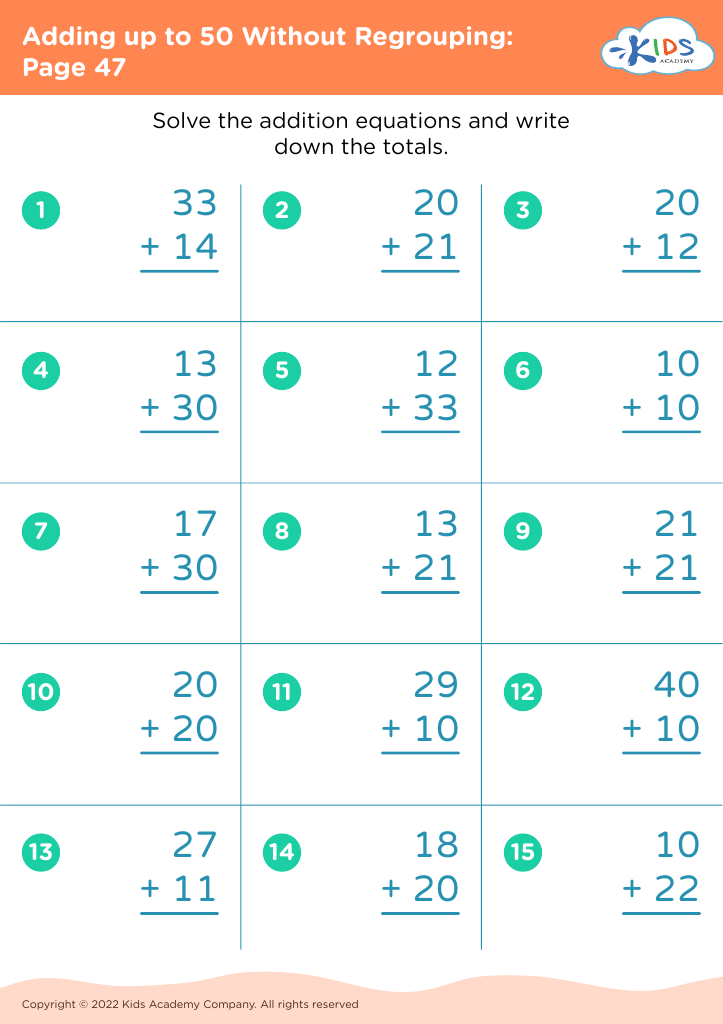
Adding up to 50 Without Regrouping: Page 47
Worksheet
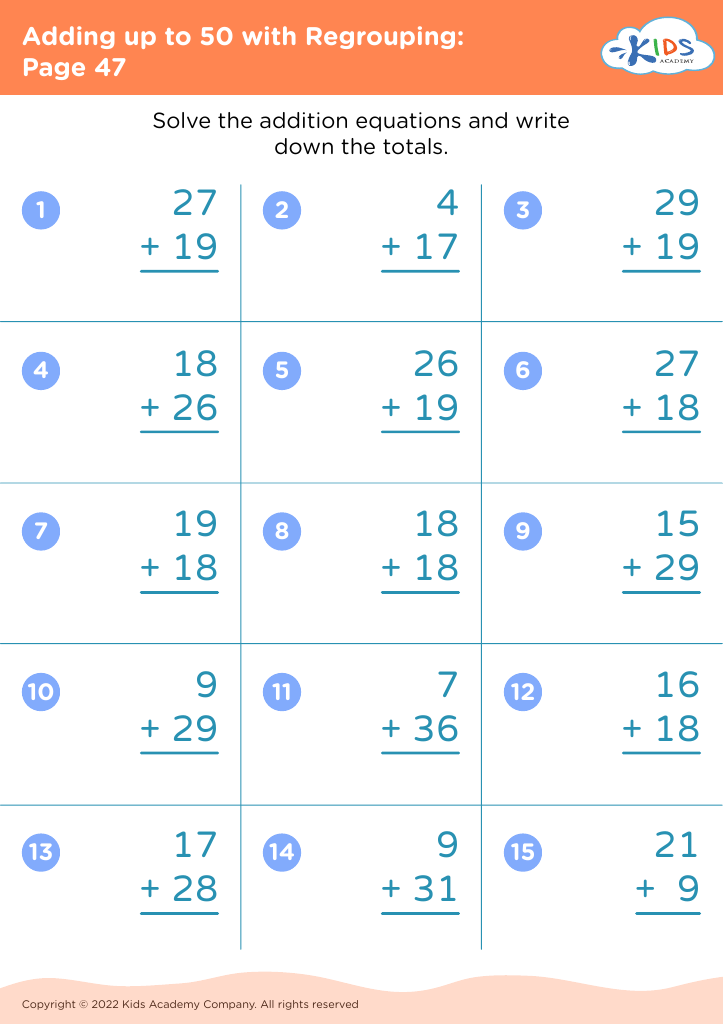
Adding up to 50 with Regrouping: Page 47
Worksheet
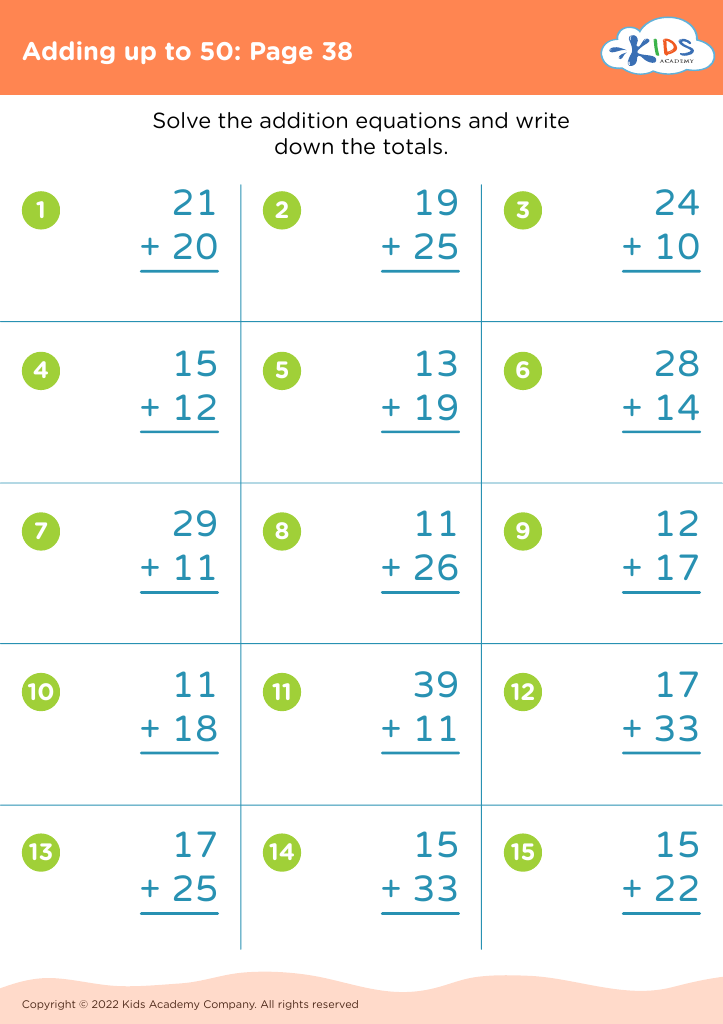
Adding up to 50: Page 38

Adding up to 50: Page 38

Adding up to 50: Page 38
Worksheet
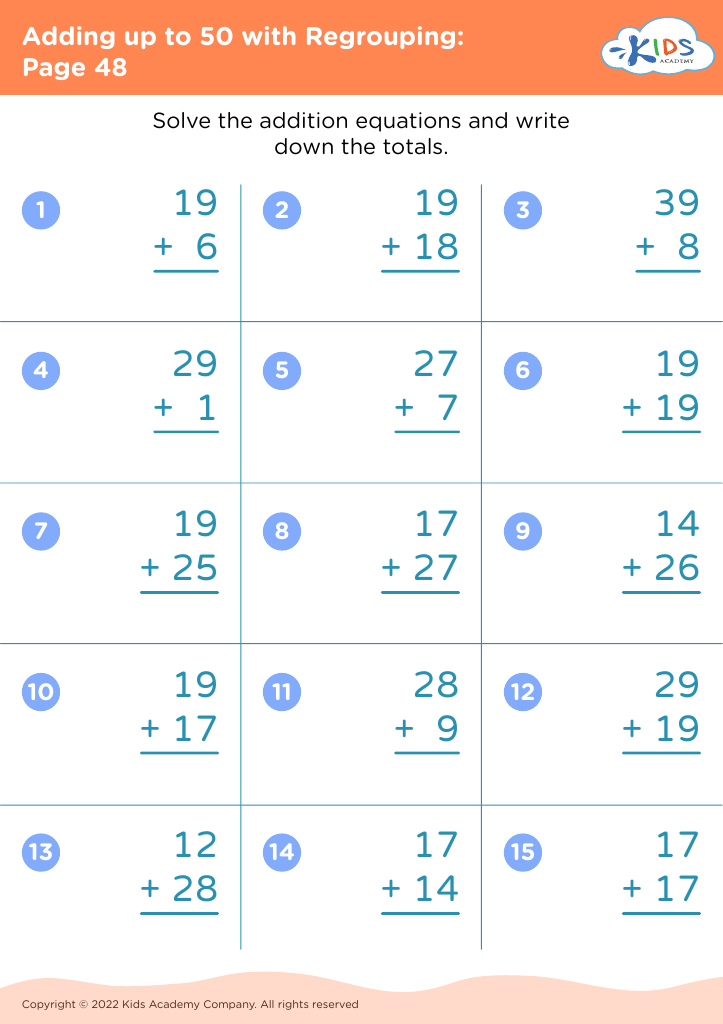
Adding up to 50 with Regrouping: Page 48
Worksheet
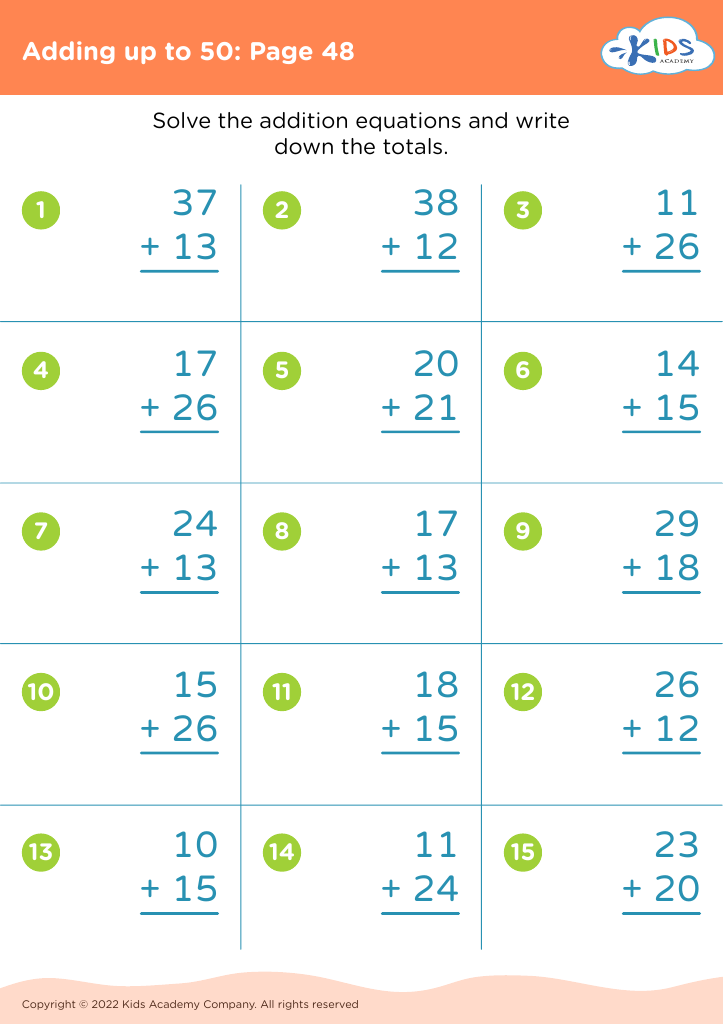
Adding up to 50: Page 48

Adding up to 50: Page 48

Adding up to 50: Page 48
Worksheet
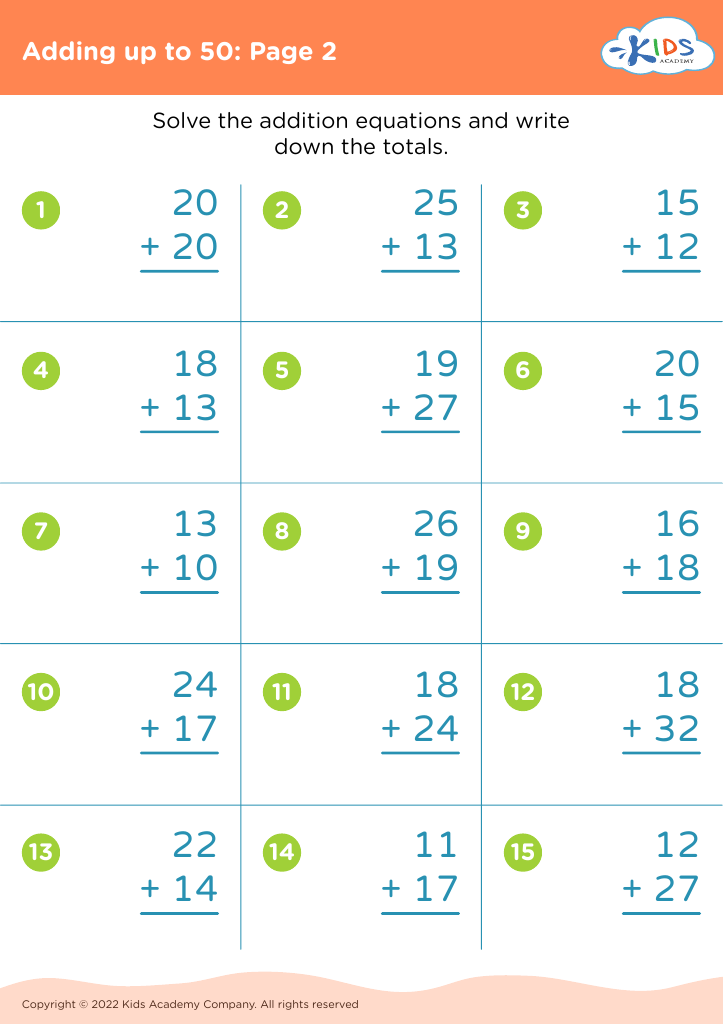
Adding up to 50: Page 2

Adding up to 50: Page 2

Adding up to 50: Page 2
Worksheet
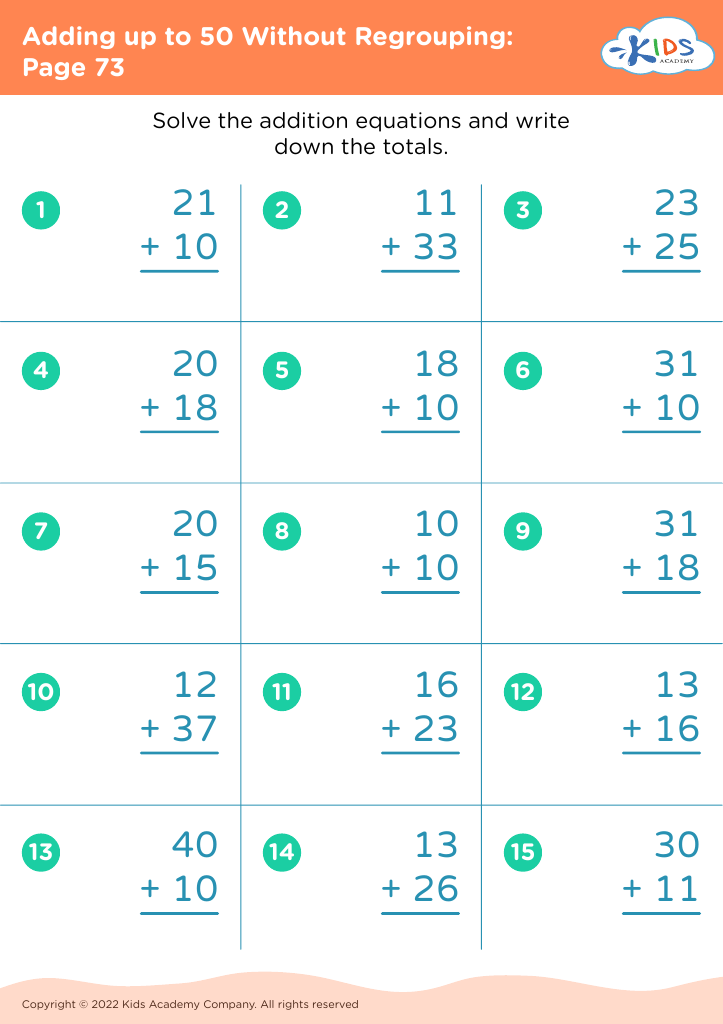
Adding up to 50 Without Regrouping: Page 73
Worksheet
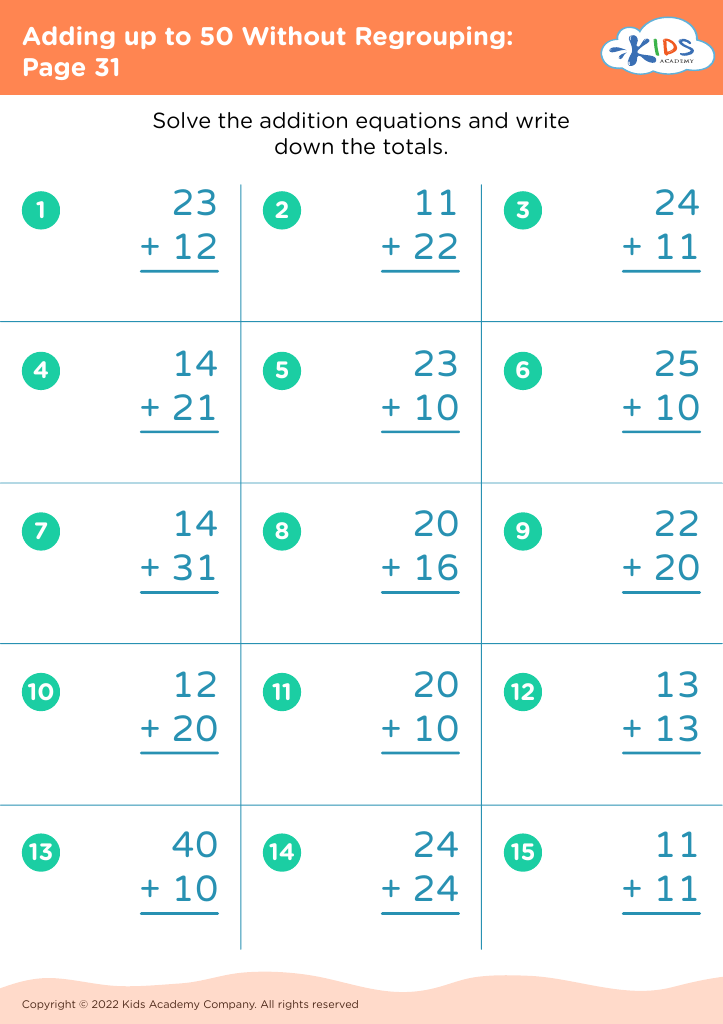
Adding up to 50 Without Regrouping: Page 31
Worksheet
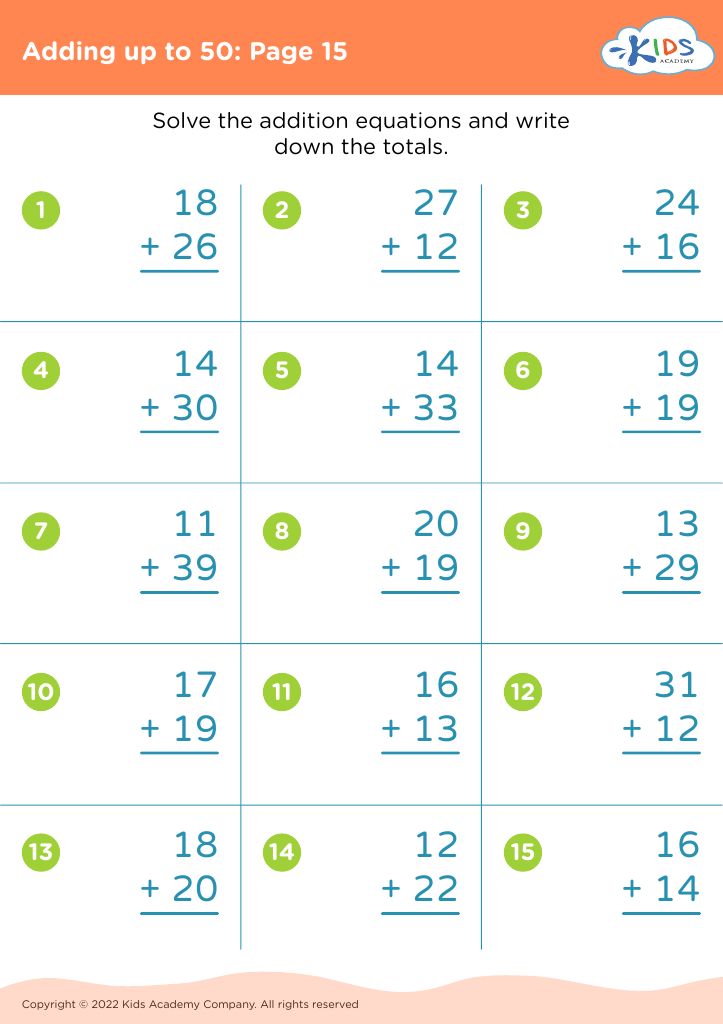
Adding up to 50: Page 15

Adding up to 50: Page 15

Adding up to 50: Page 15
Worksheet
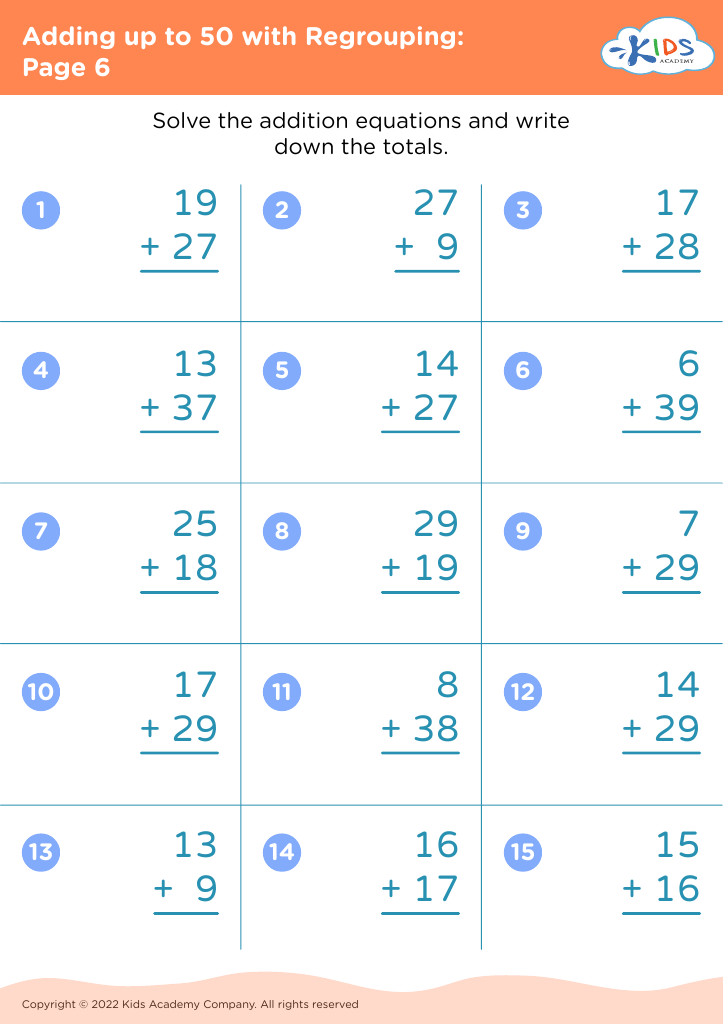
Adding up to 50 with Regrouping: Page 6
Worksheet
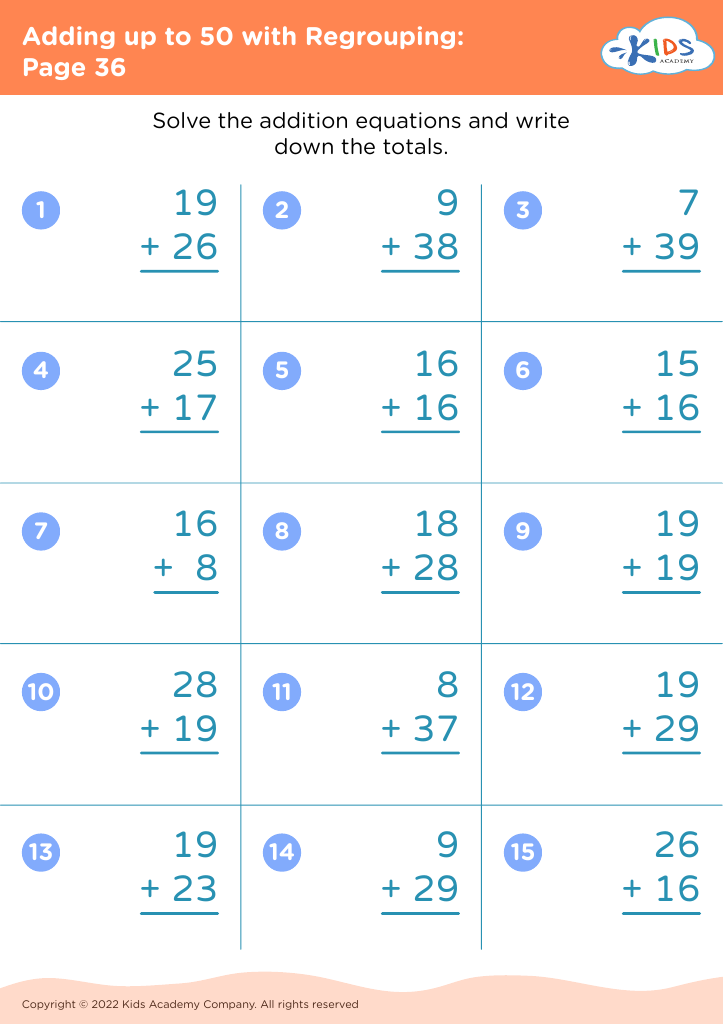
Adding up to 50 with Regrouping: Page 36
Worksheet
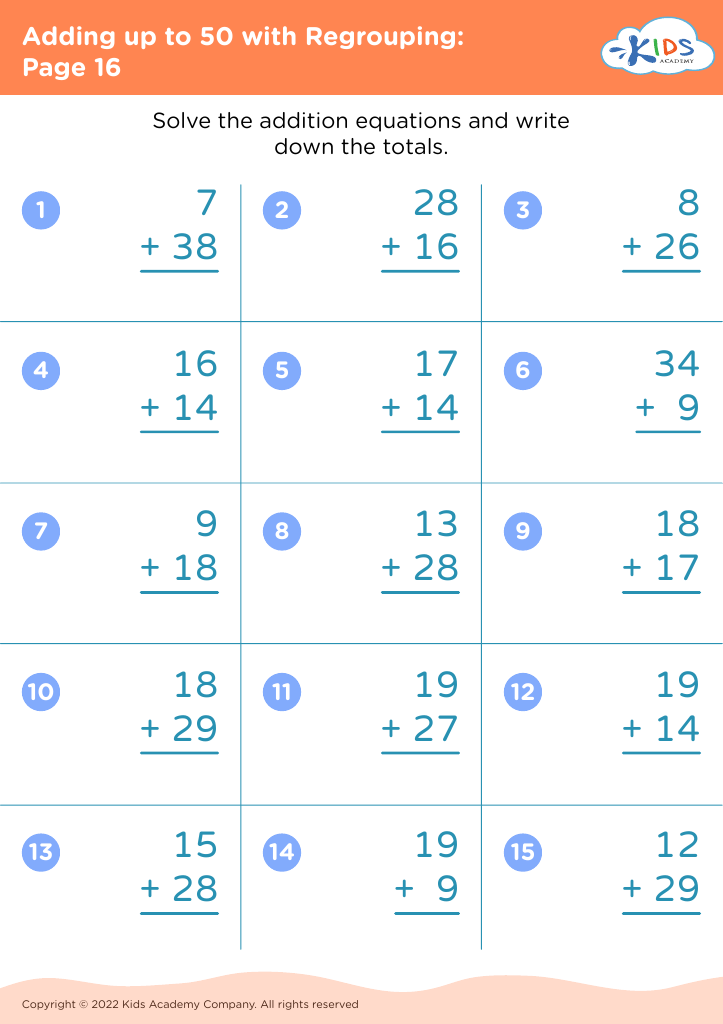
Adding up to 50 with Regrouping: Page 16
Worksheet
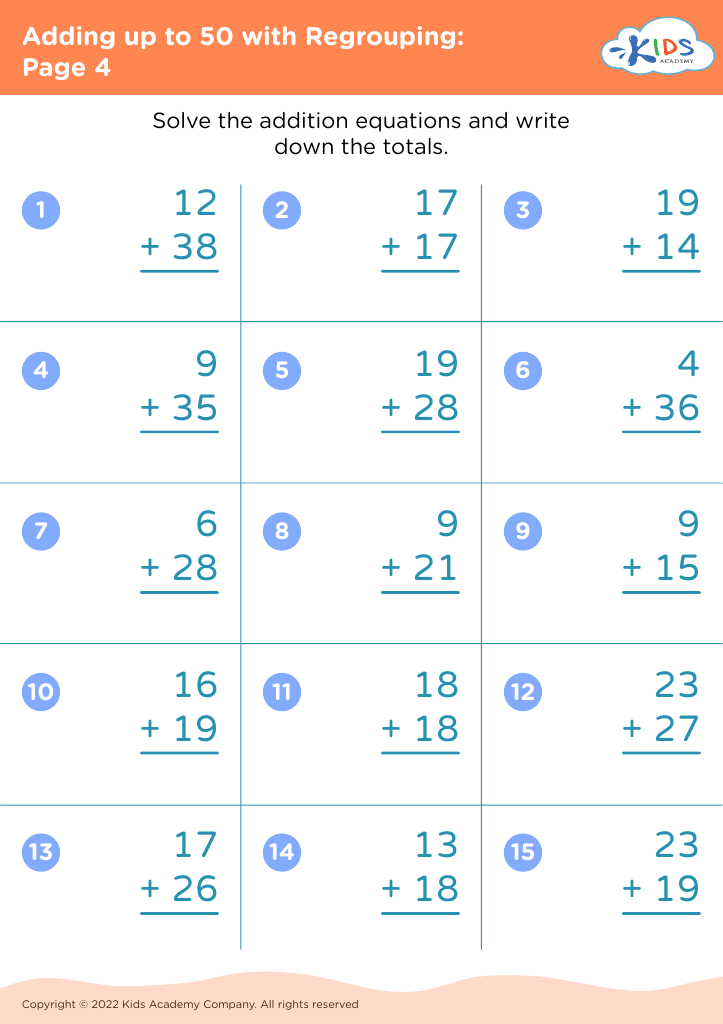
Adding up to 50 with Regrouping: Page 4
Worksheet
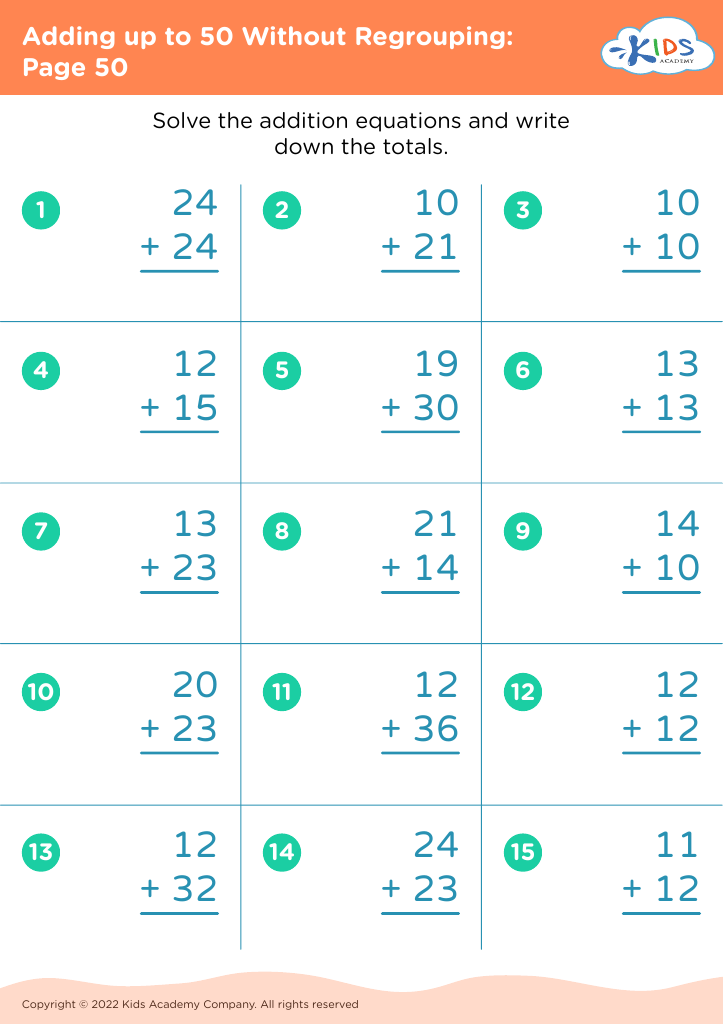
Adding up to 50 Without Regrouping: Page 50
Worksheet
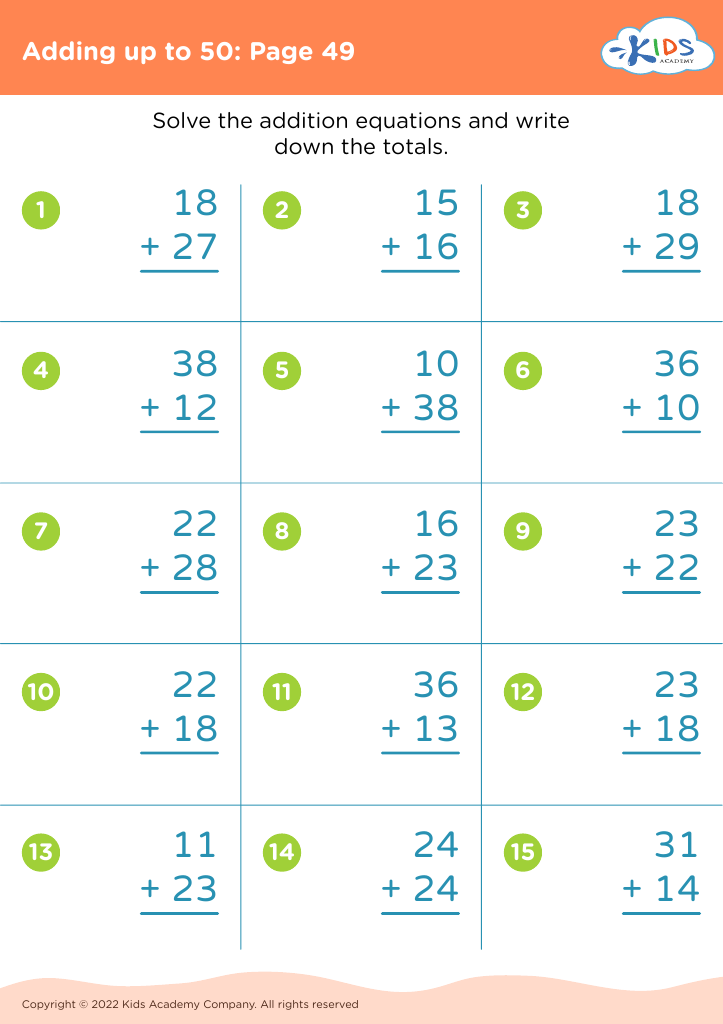
Adding up to 50: Page 49

Adding up to 50: Page 49

Adding up to 50: Page 49
Worksheet
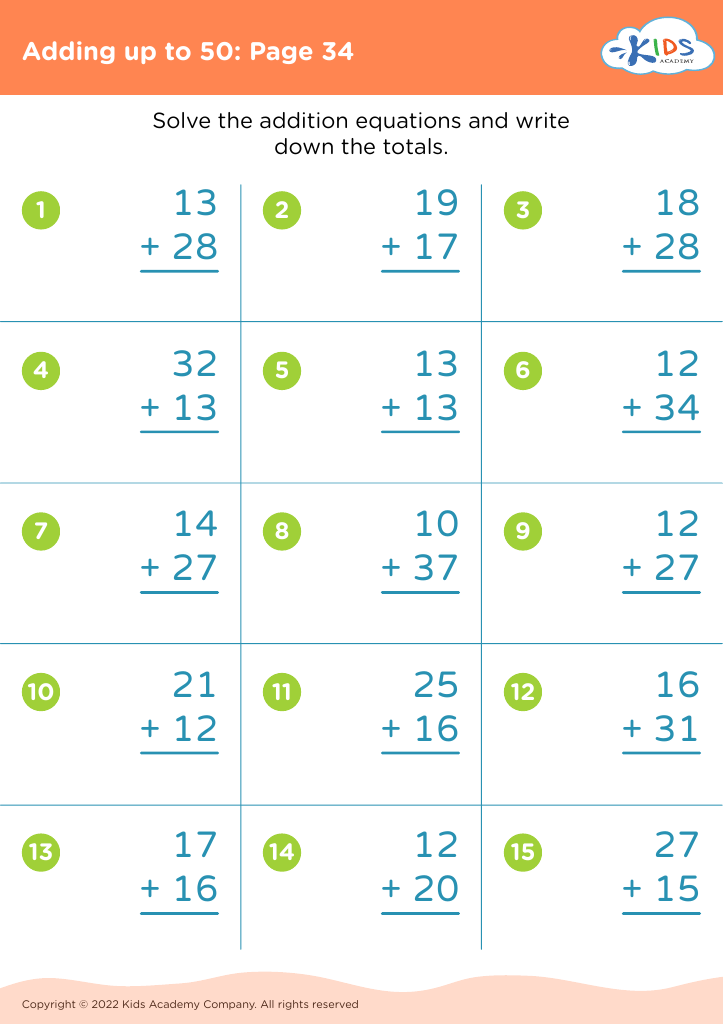
Adding up to 50: Page 34

Adding up to 50: Page 34

Adding up to 50: Page 34
Worksheet


Understanding fractions and their relationship to whole numbers, such as the concept of adding up to 50, is essential for early grade students. Firstly, fractions form a crucial mathematical foundation that helps children comprehend and interpret parts of a whole, aiding in their overall number sense. Parents and teachers should prioritize this understanding as it fosters critical thinking and problem-solving skills that are fundamental throughout a child's education.

Furthermore, mastering fractions is vital for real-world applications. As students encounter situations like cooking, sharing, or managing finances, a solid grasp of fractions allows them to make informed decisions, such as dividing pizza or understanding money management. Adding fractions leads to a deeper comprehension of addition as a whole, reinforcing the idea that numbers can represent various entities, not just whole numbers.

Moreover, as children progress through their education, advanced mathematical concepts build on these foundational skills. A strong grasp of fractions ensures students are prepared for more complex topics in later grades, setting the stage for academic success. Therefore, both parents and teachers play a pivotal role in nurturing this understanding, ultimately promoting a love for math and helping students develop essential life skills.