Filters

305 filtered results

Clear all filters
Favorites
With answer key
Interactive

305 filtered results

Difficulty Level

Grade


Check out this FREE Trial Lesson on Addition & Subtraction!

T

Favorites
With answer key
Interactive
  • Counting practice
  • Addition & Subtraction
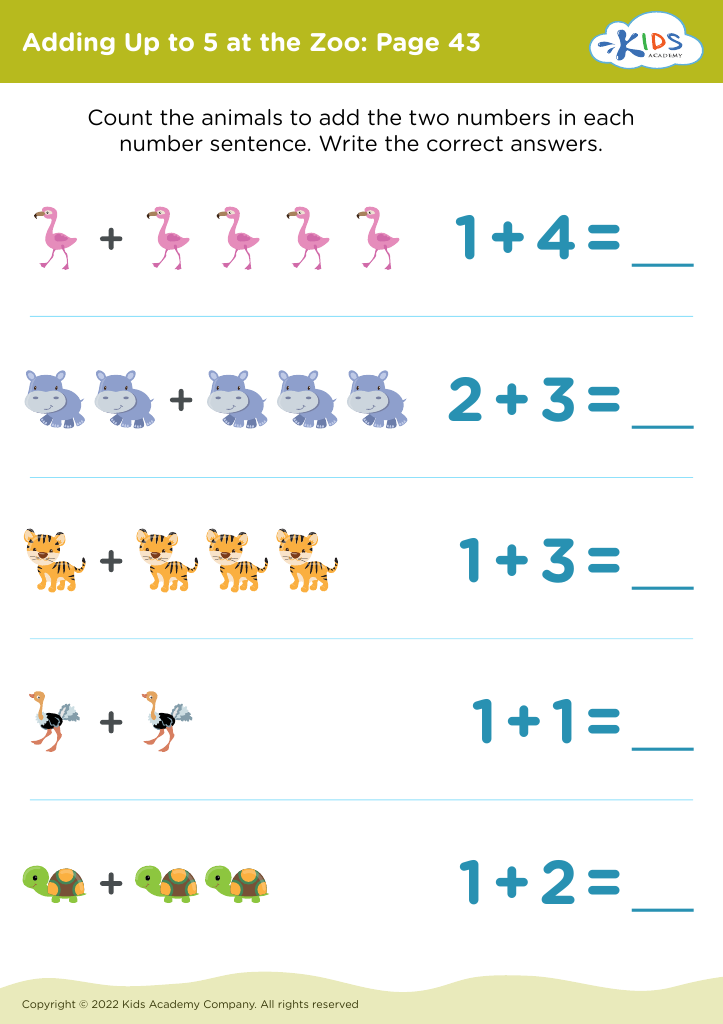
Adding Up to 5 at the Zoo: Page 43
Worksheet
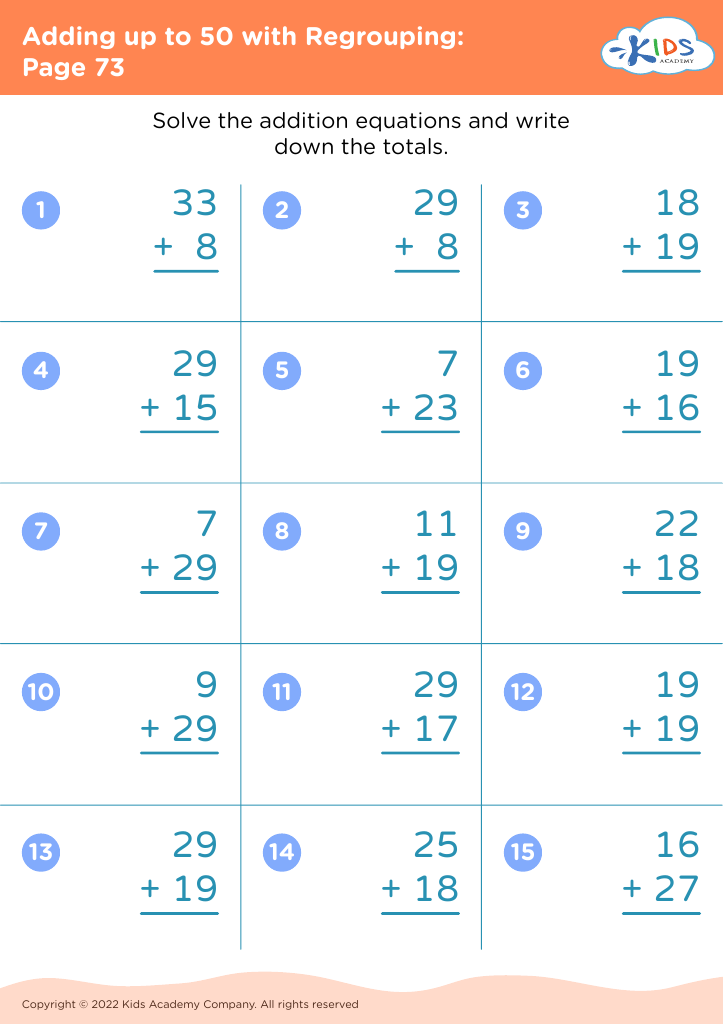
Adding up to 50 with Regrouping: Page 73
Worksheet
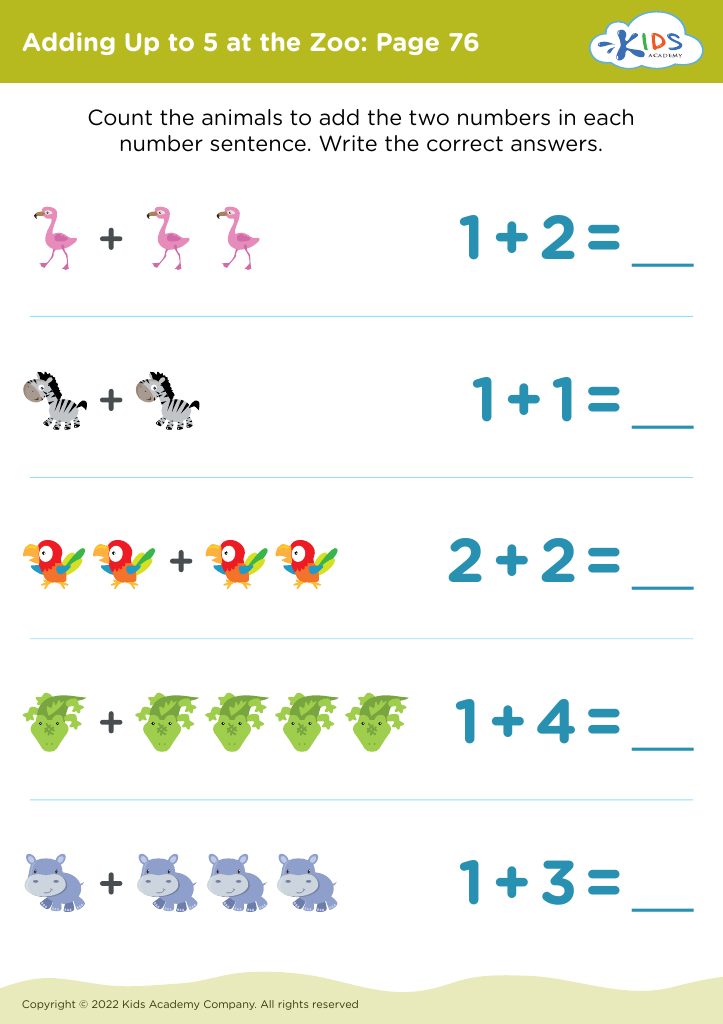
Adding Up to 5 at the Zoo: Page 76
Worksheet
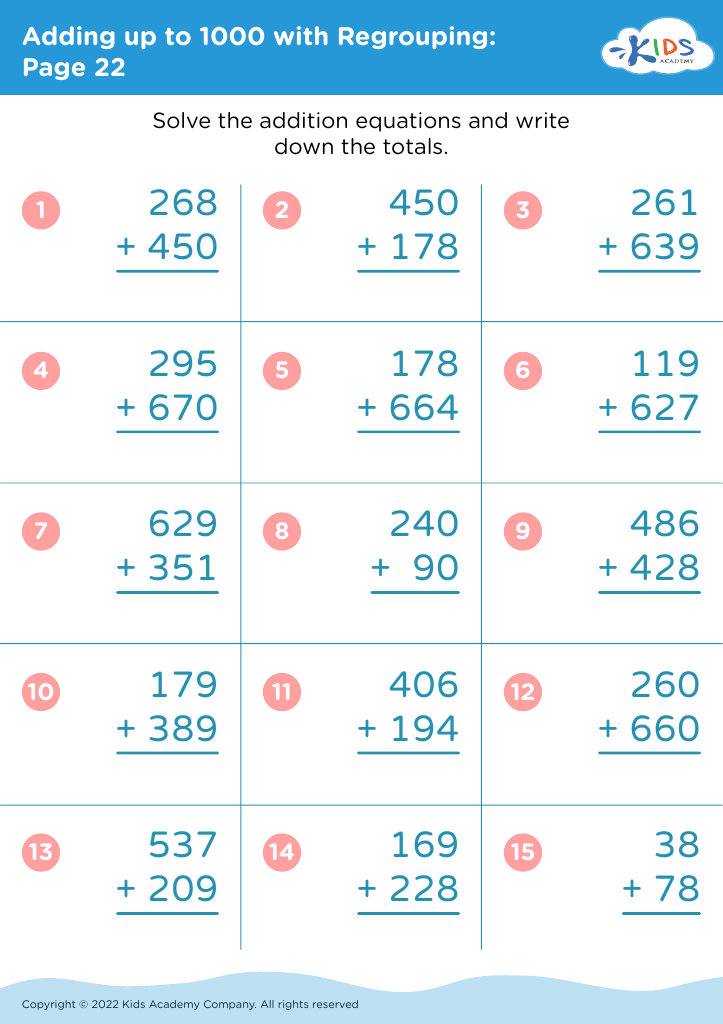
Adding up to 1000 with Regrouping: Page 22
Worksheet
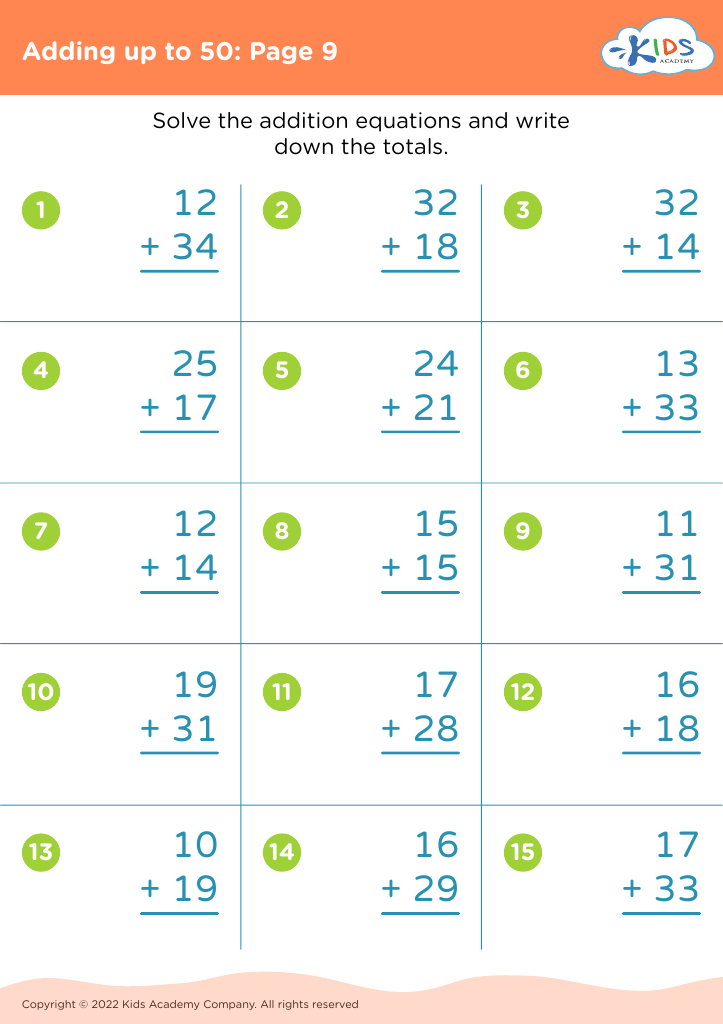
Adding up to 50: Page 9

Adding up to 50: Page 9

Adding up to 50: Page 9
Worksheet
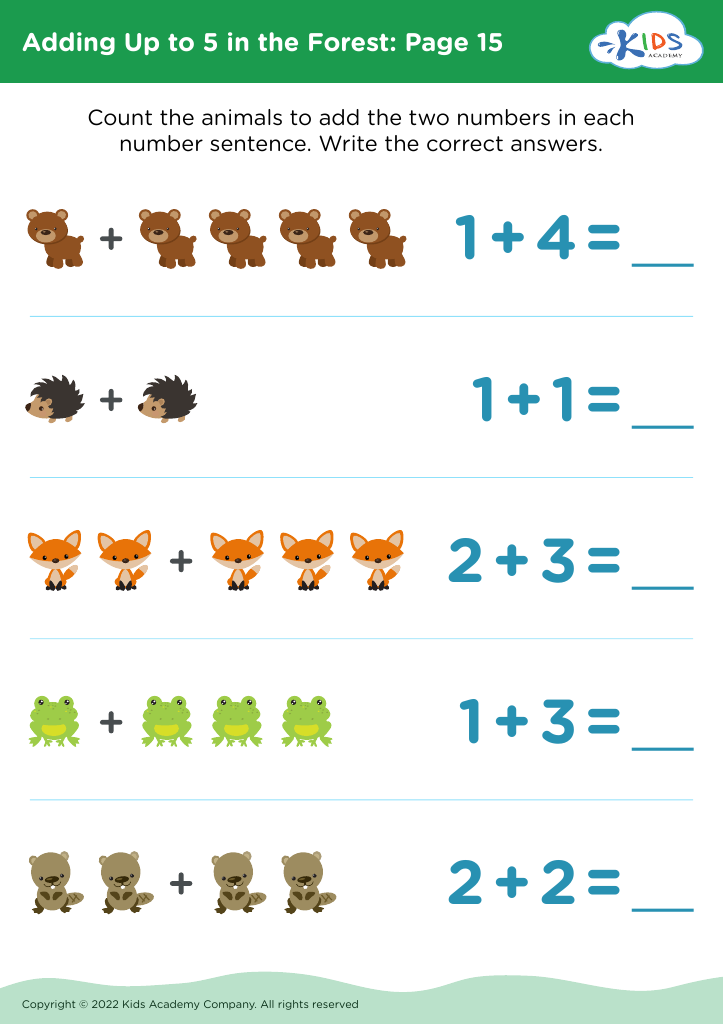
Adding Up to 5 in the Forest: Page 15
Worksheet
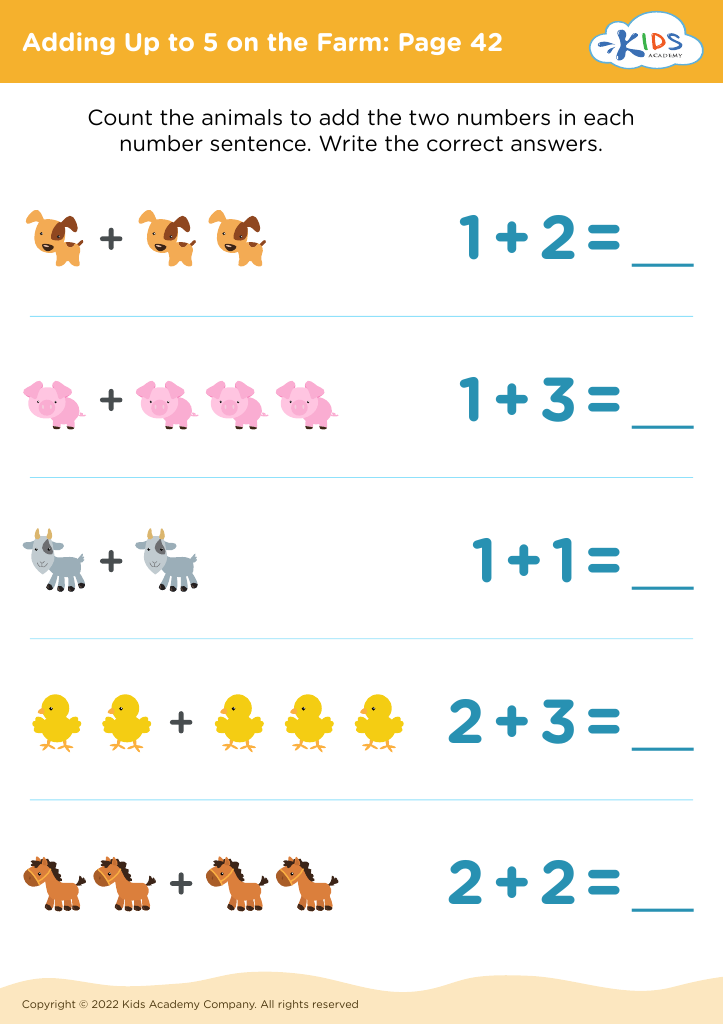
Adding Up to 5 on the Farm: Page 42
Worksheet
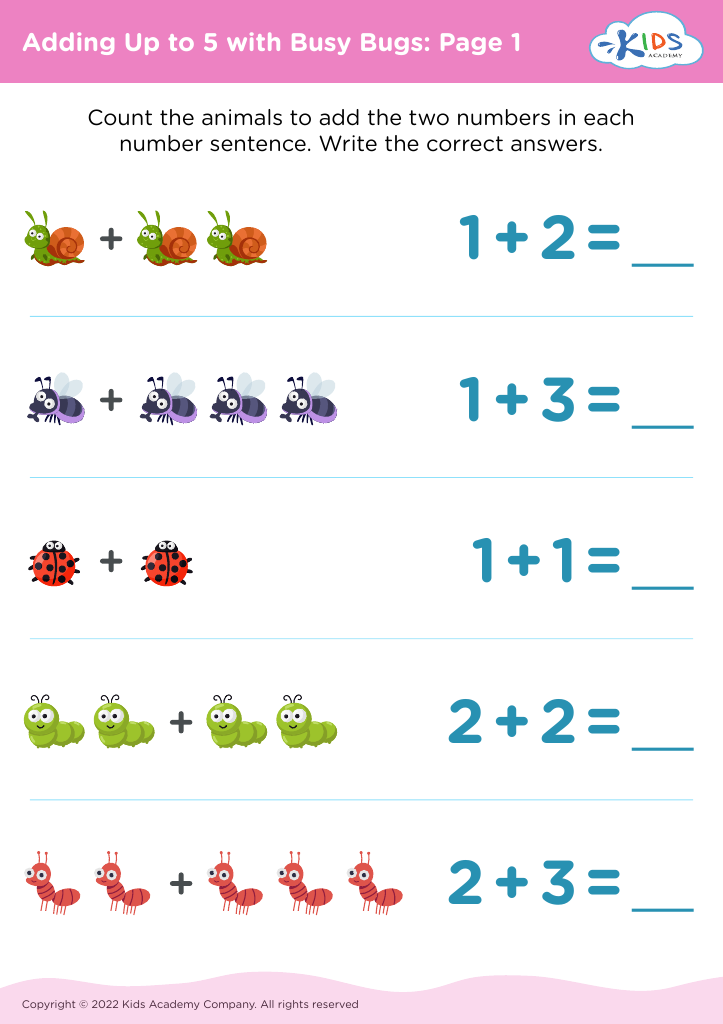
Adding Up to 5 with Busy Bugs: Page 1
Worksheet
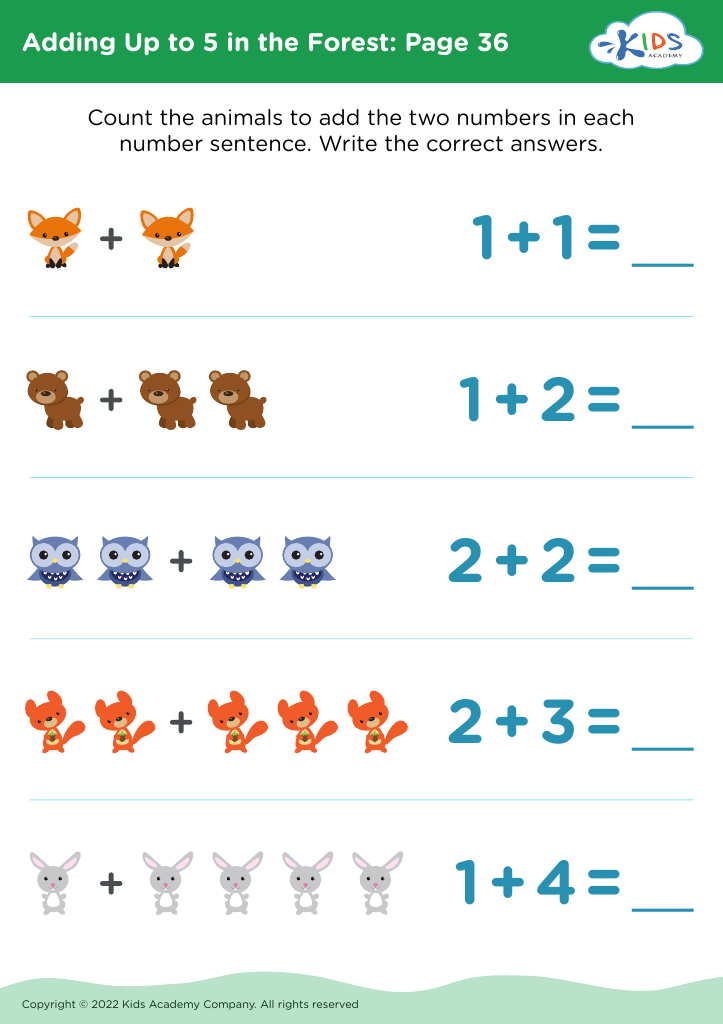
Adding Up to 5 in the Forest: Page 36
Worksheet
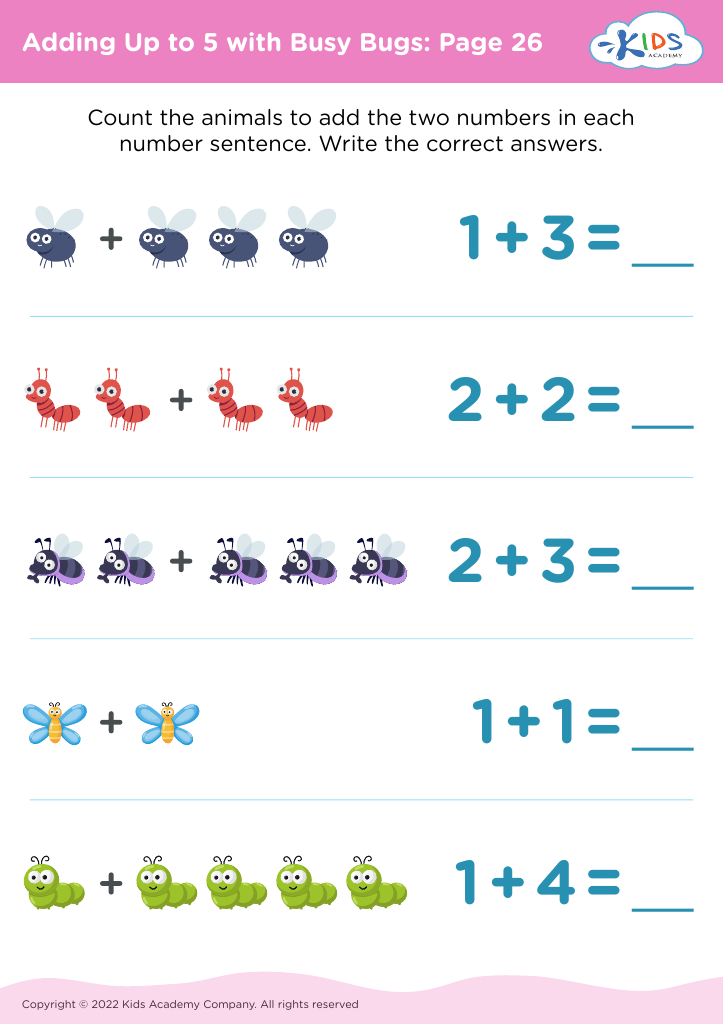
Adding Up to 5 with Busy Bugs: Page 26
Worksheet
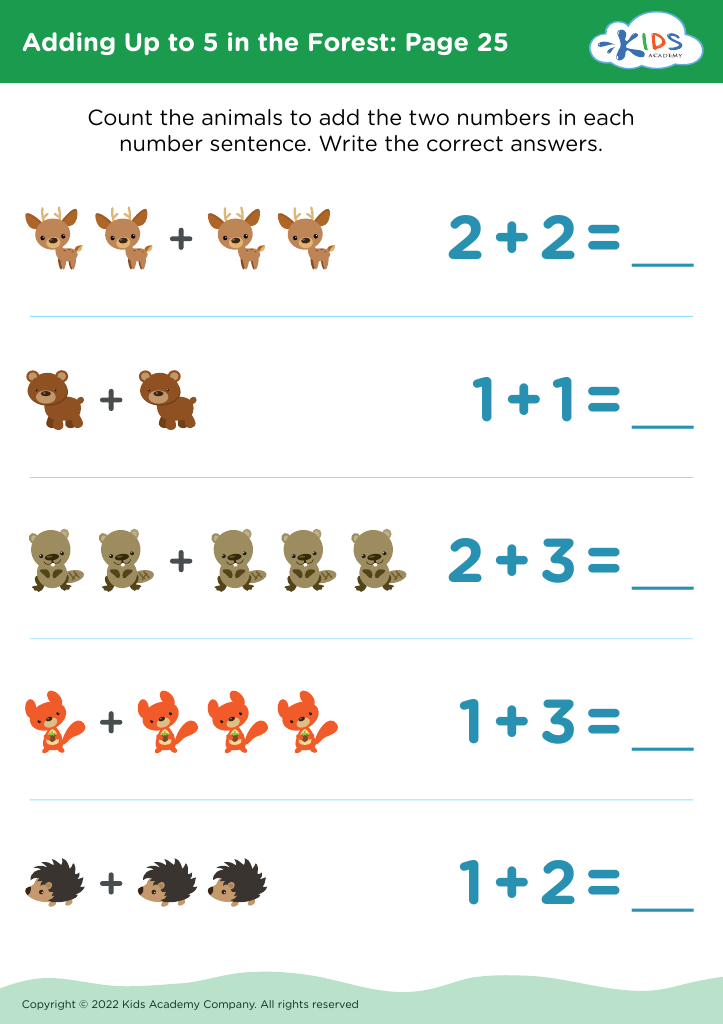
Adding Up to 5 in the Forest: Page 25
Worksheet
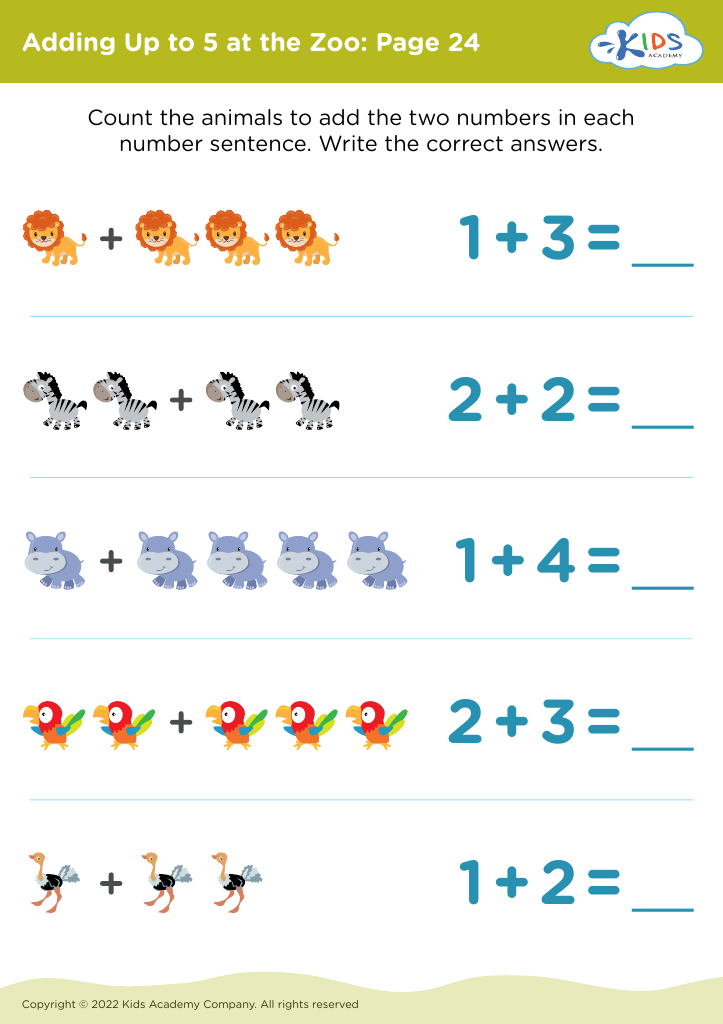
Adding Up to 5 at the Zoo: Page 24
Worksheet
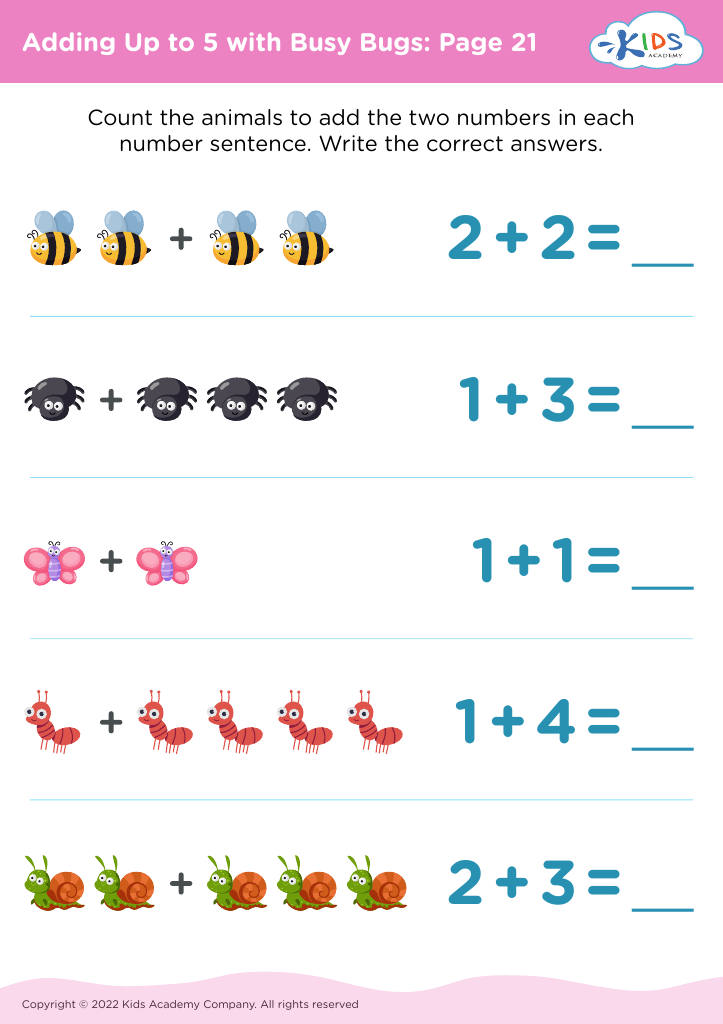
Adding Up to 5 with Busy Bugs: Page 21
Worksheet
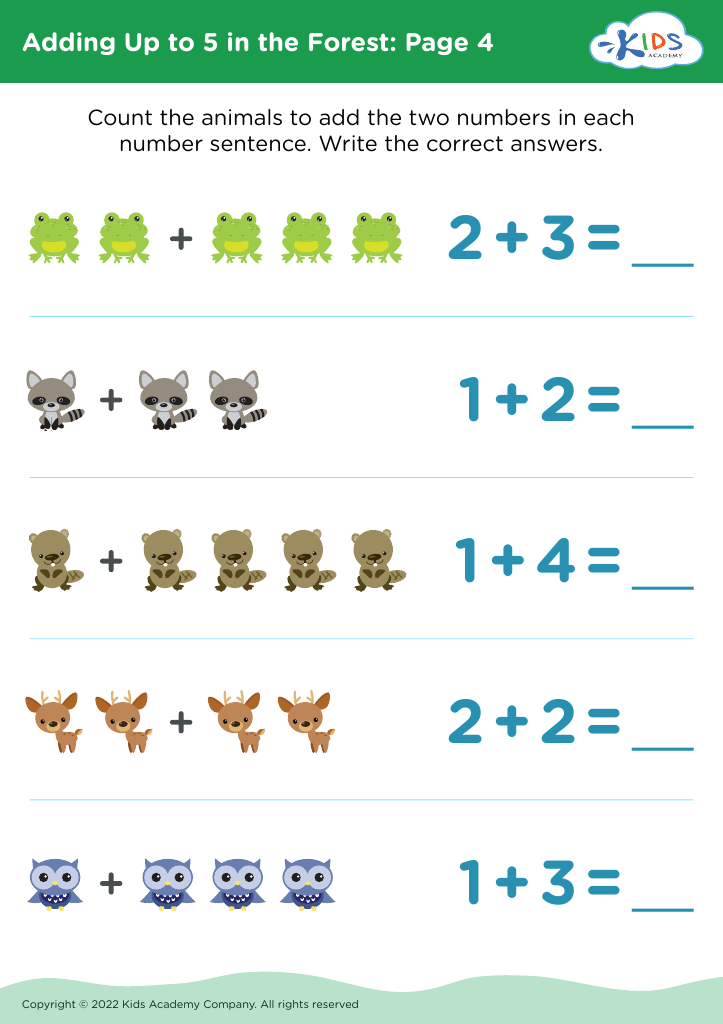
Adding Up to 5 in the Forest: Page 4
Worksheet
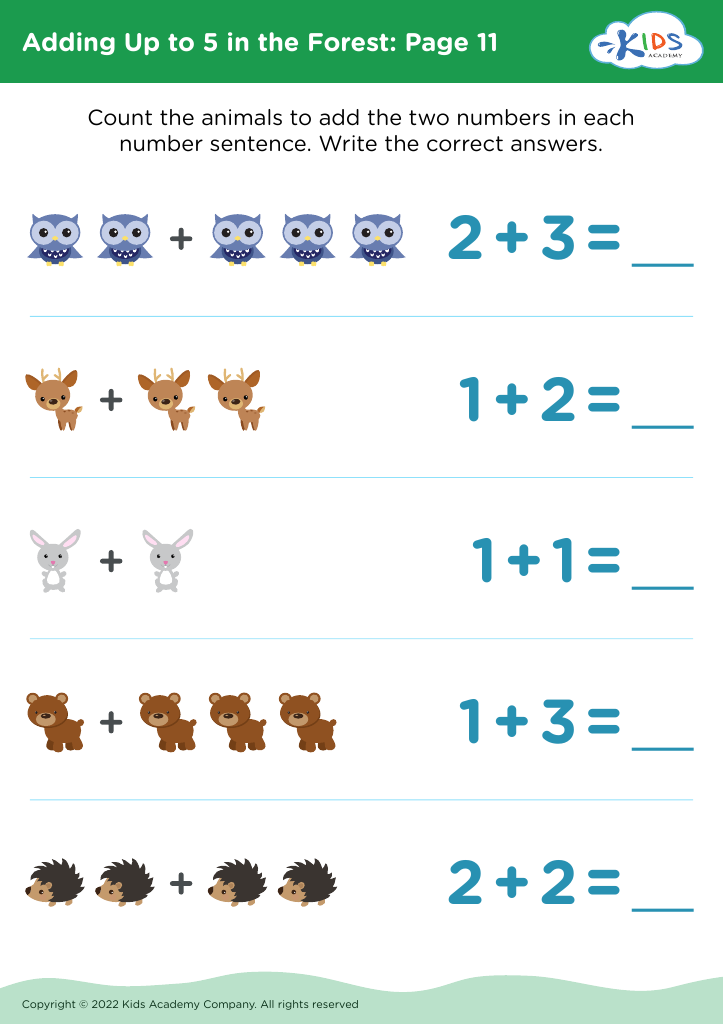
Adding Up to 5 in the Forest: Page 11
Worksheet
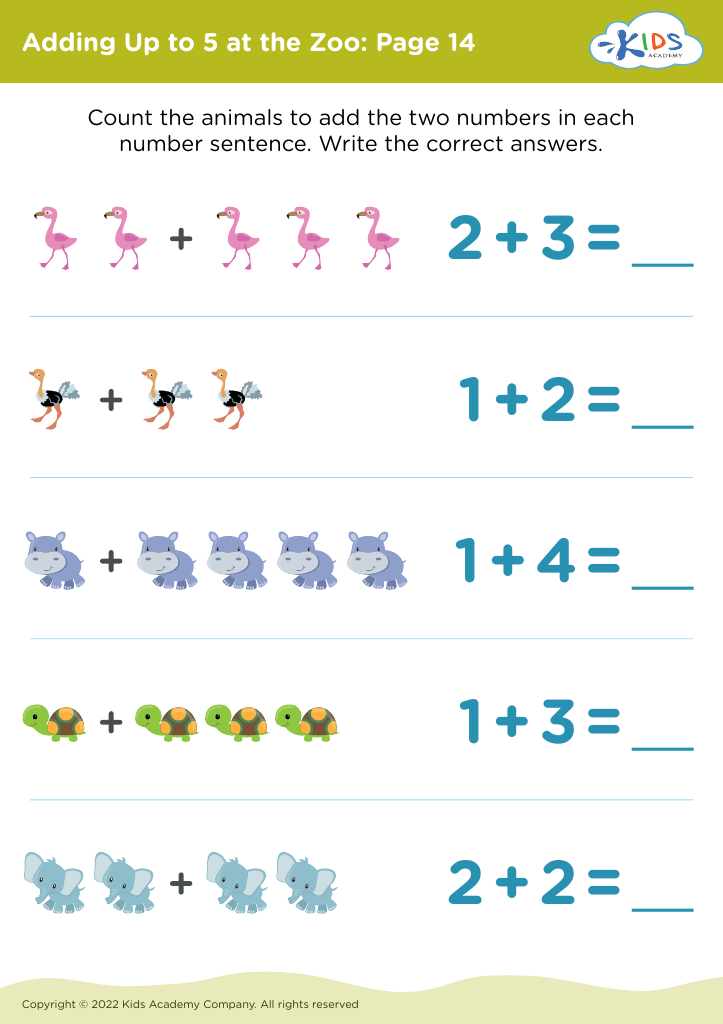
Adding Up to 5 at the Zoo: Page 14
Worksheet
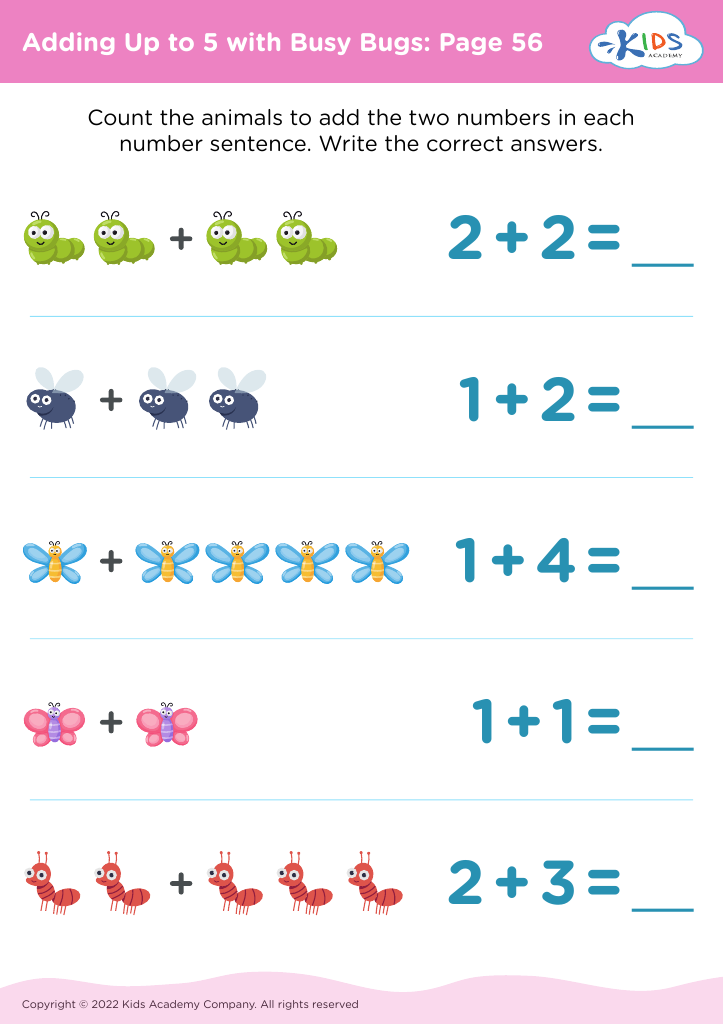
Adding Up to 5 with Busy Bugs: Page 56
Worksheet
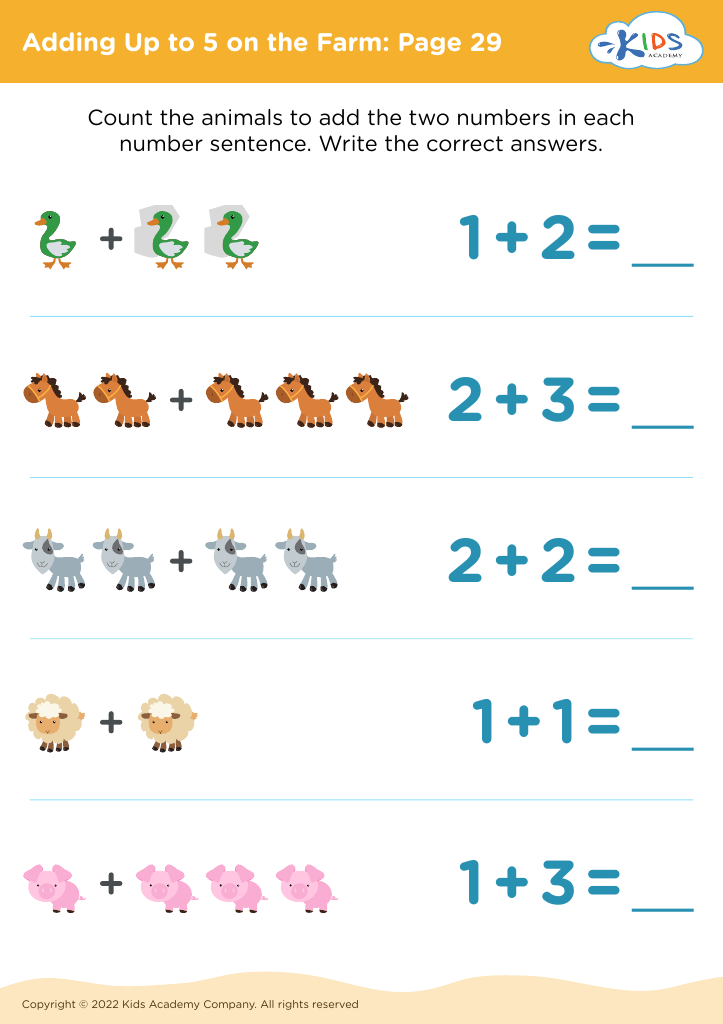
Adding Up to 5 on the Farm: Page 29
Worksheet
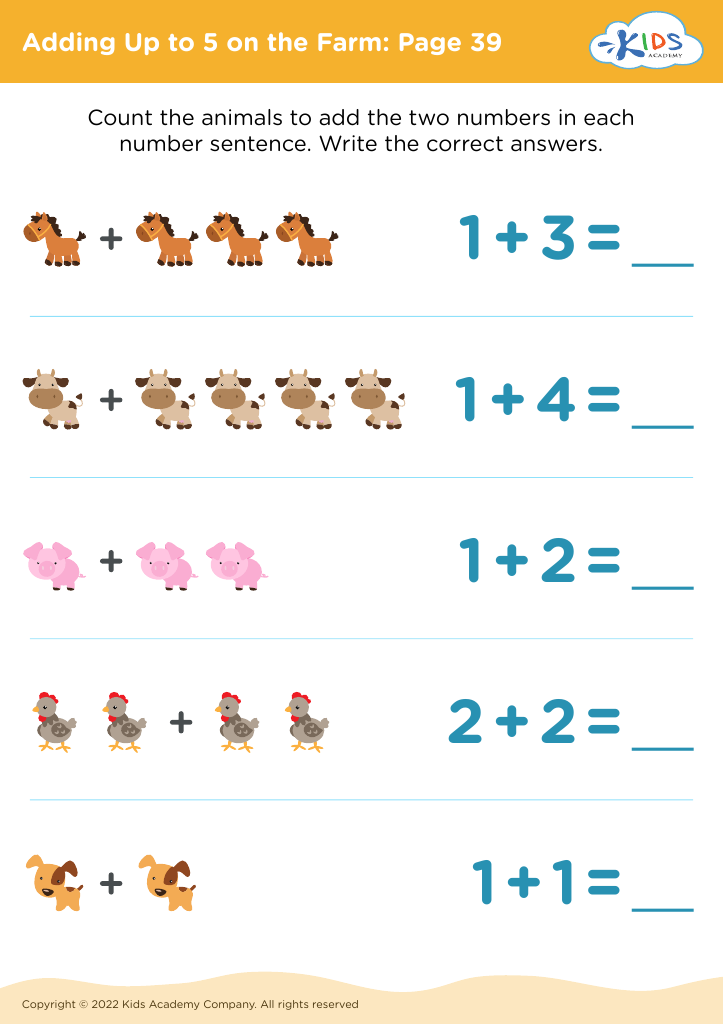
Adding Up to 5 on the Farm: Page 39
Worksheet
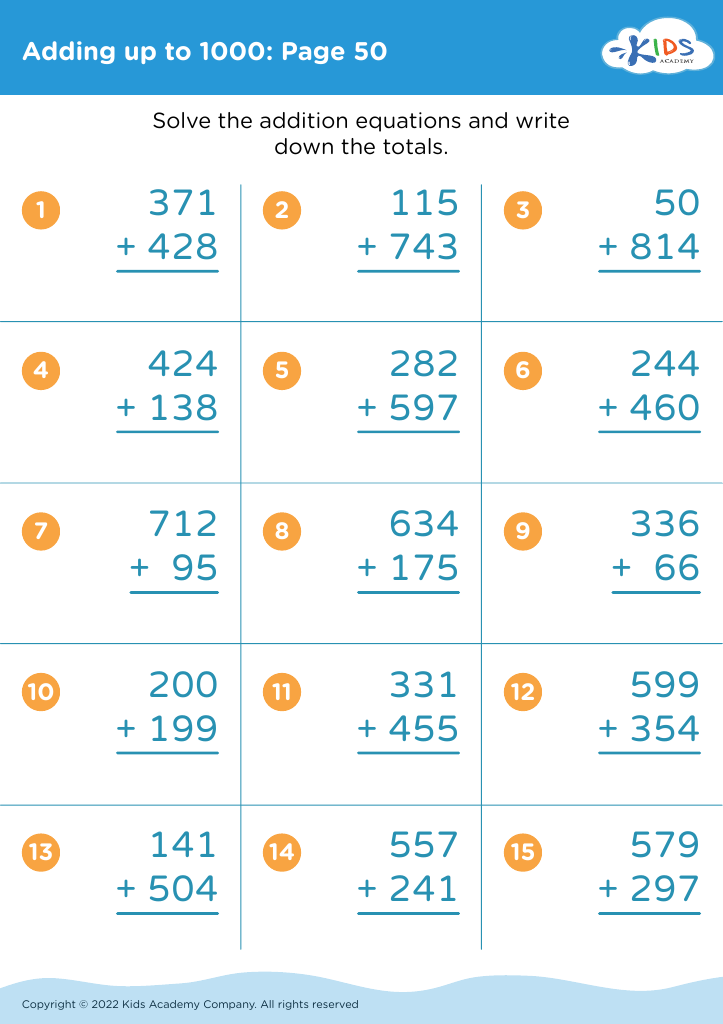
Adding up to 1000: Page 50

Adding up to 1000: Page 50

Adding up to 1000: Page 50
Worksheet
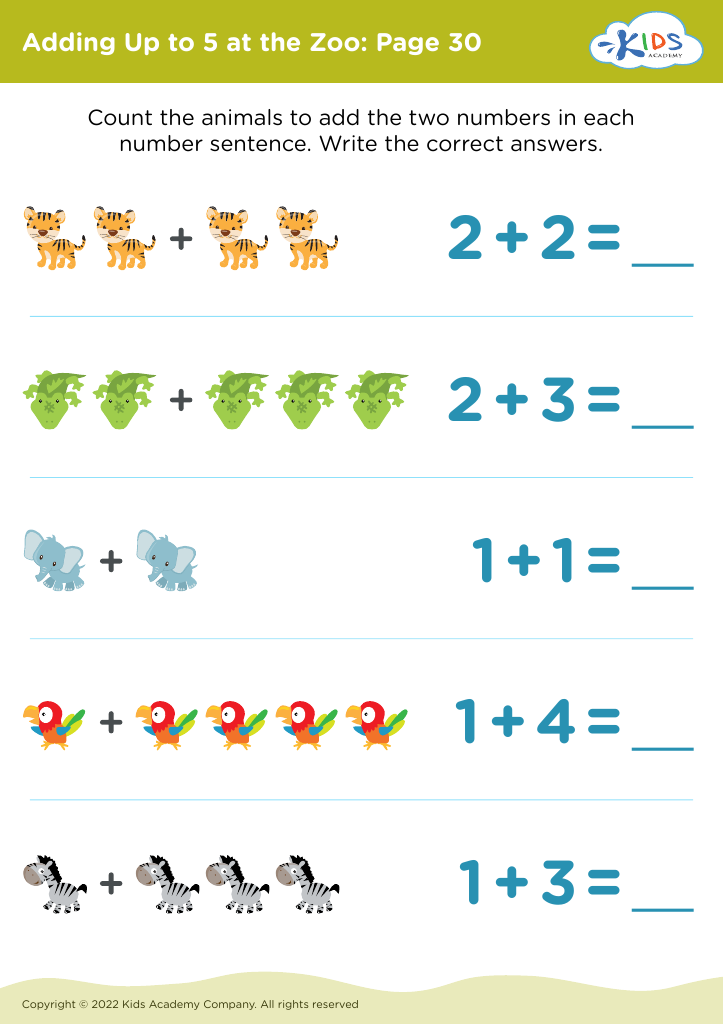
Adding Up to 5 at the Zoo: Page 30
Worksheet
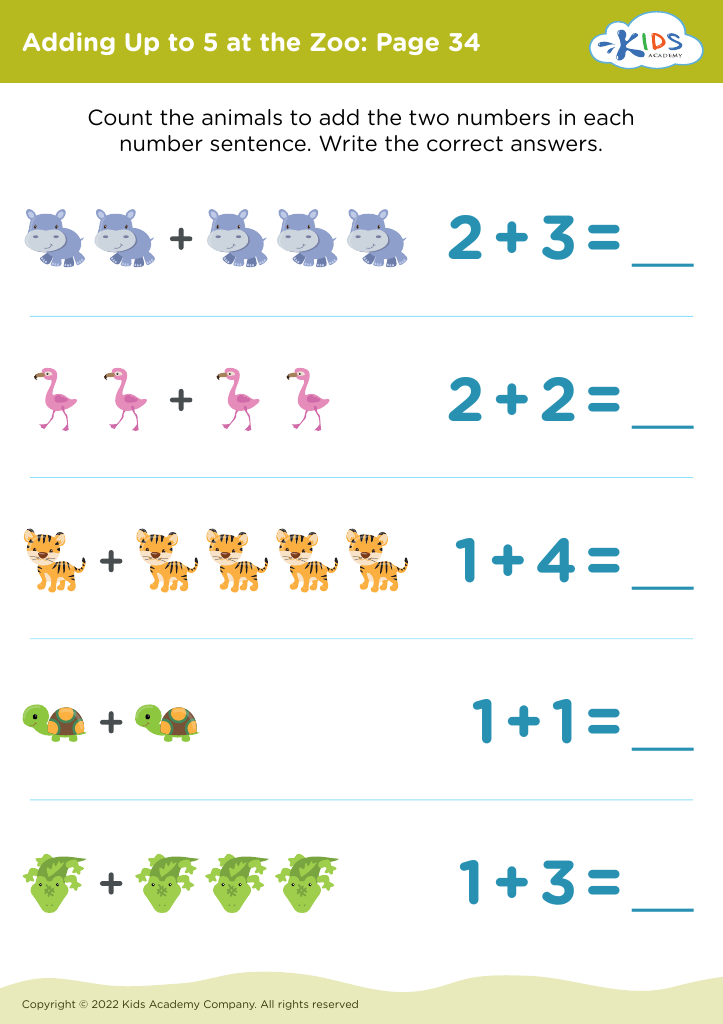
Adding Up to 5 at the Zoo: Page 34
Worksheet
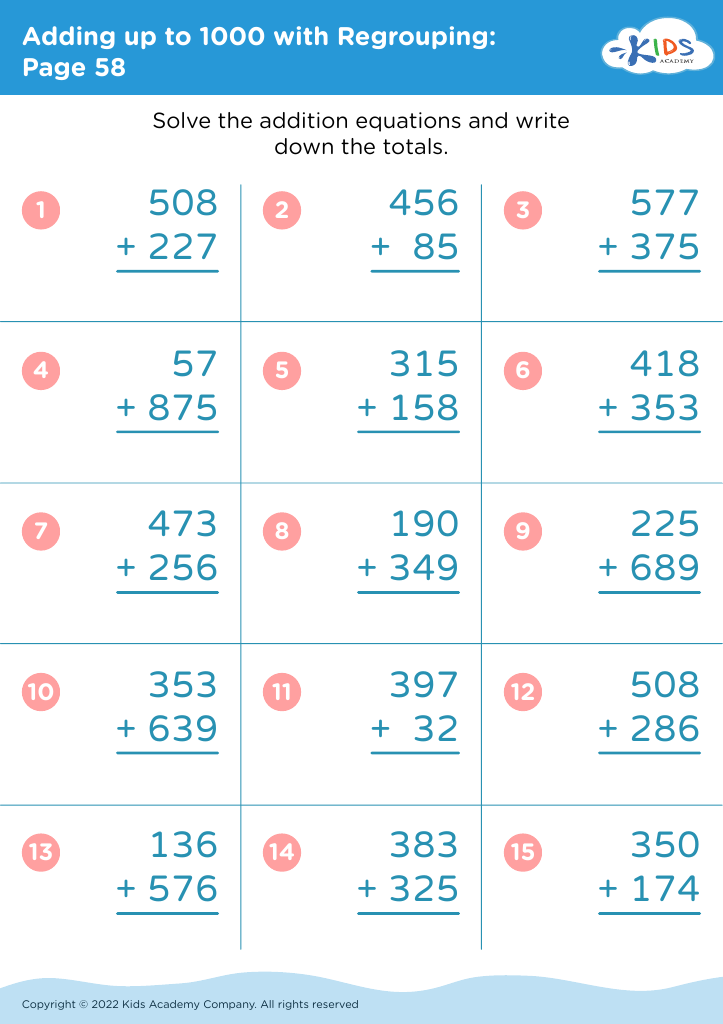
Adding up to 1000 with Regrouping: Page 58
Worksheet
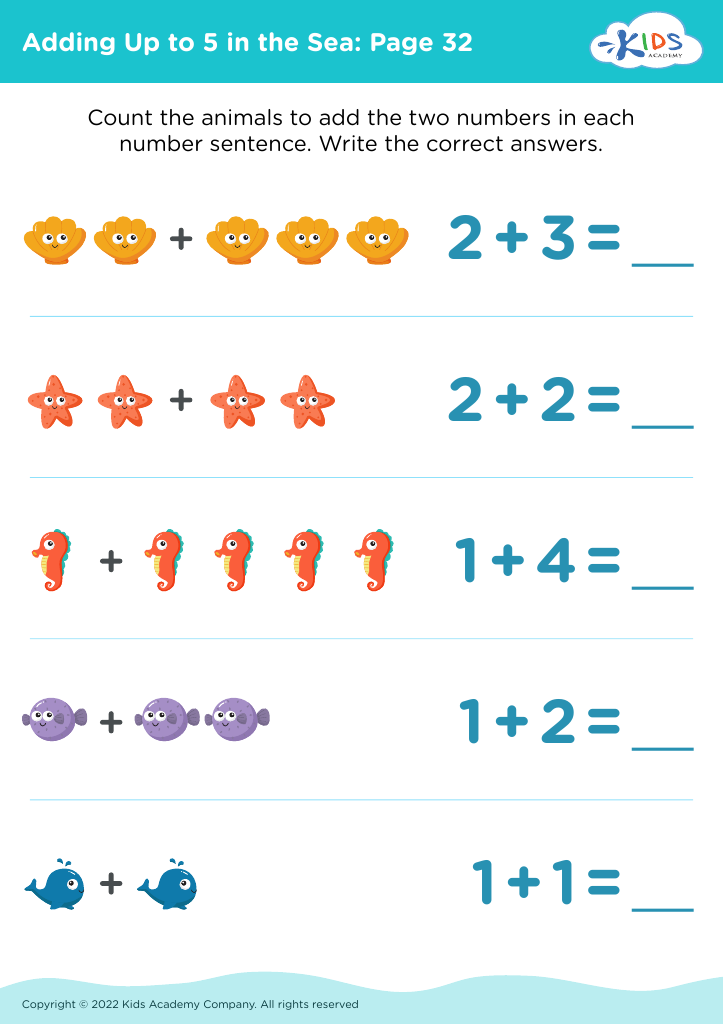
Adding Up to 5 in the Sea: Page 32
Worksheet


Counting practice, particularly in addition and subtraction, is foundational to a child's mathematical development and overall academic success. First, these basic skills foster number sense, which is crucial for children to understand more complex mathematical concepts later on. Proficiency in counting and performing basic arithmetic boosts confidence, making children more likely to engage with and enjoy mathematics as they progress through school.

Moreover, addition and subtraction are essential life skills. They help children navigate everyday situations, like managing money, whether shopping or saving for a toy. Practicing these skills also encourages problem-solving abilities and critical thinking, promoting cognitive development.

Additionally, counting practice reinforces other subjects and daily activities. For instance, children encounter math in science, cooking, and art. Teachers and parents notice that consistent practice emphasizes perseverance, attention to detail, and discipline, valuable traits extending beyond academia.

Finally, by actively involving themselves in a child’s counting practice, parents and teachers can foster a love for learning and support individual learning styles, ultimately paving the way for a successful educational journey and productive life skills in adulthood. Investing time in these early math foundations enriches children’s futures in many interconnected ways.