
Enhance fine motor skills Addition & Subtraction Worksheets
4 filtered results
Difficulty Level
Grade
Age
-
From - To
Subject
Activity
Standards
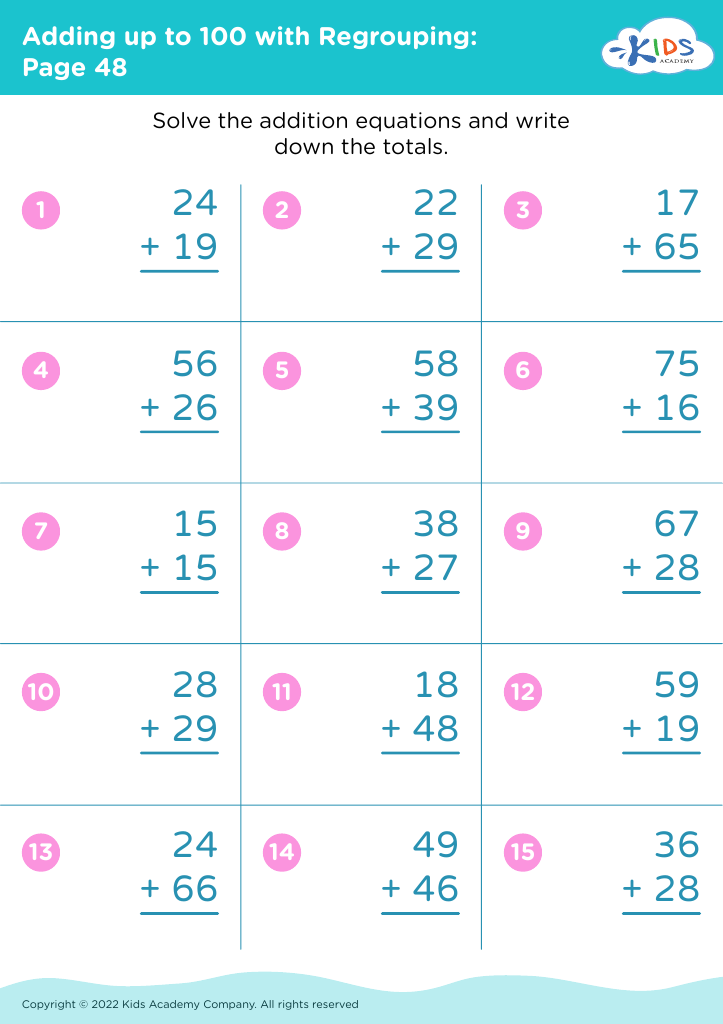
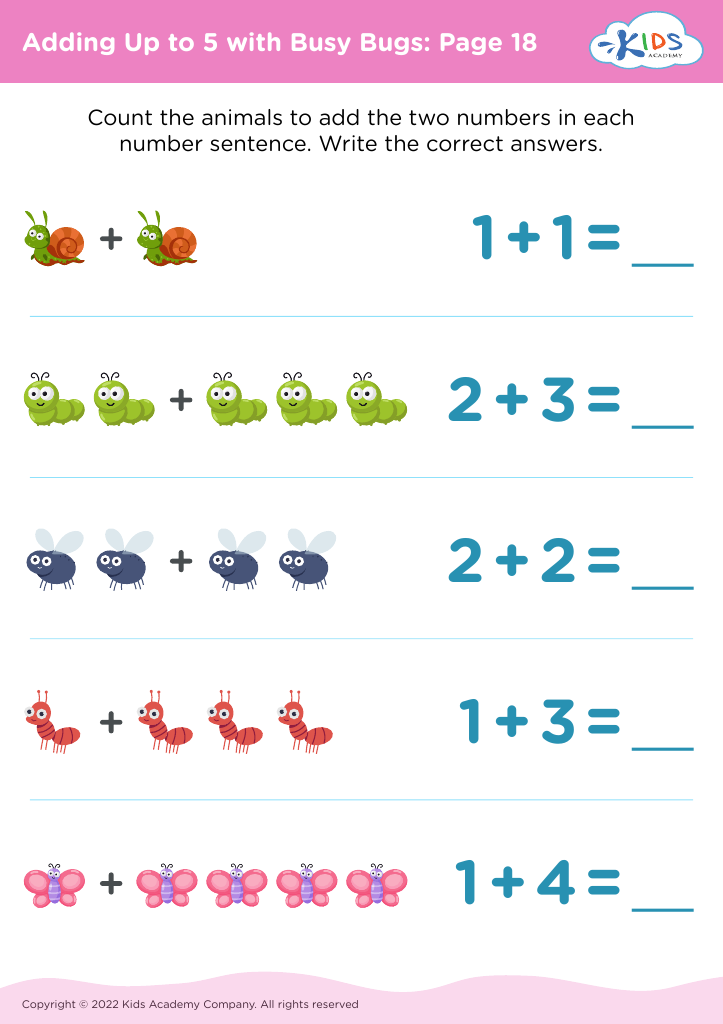
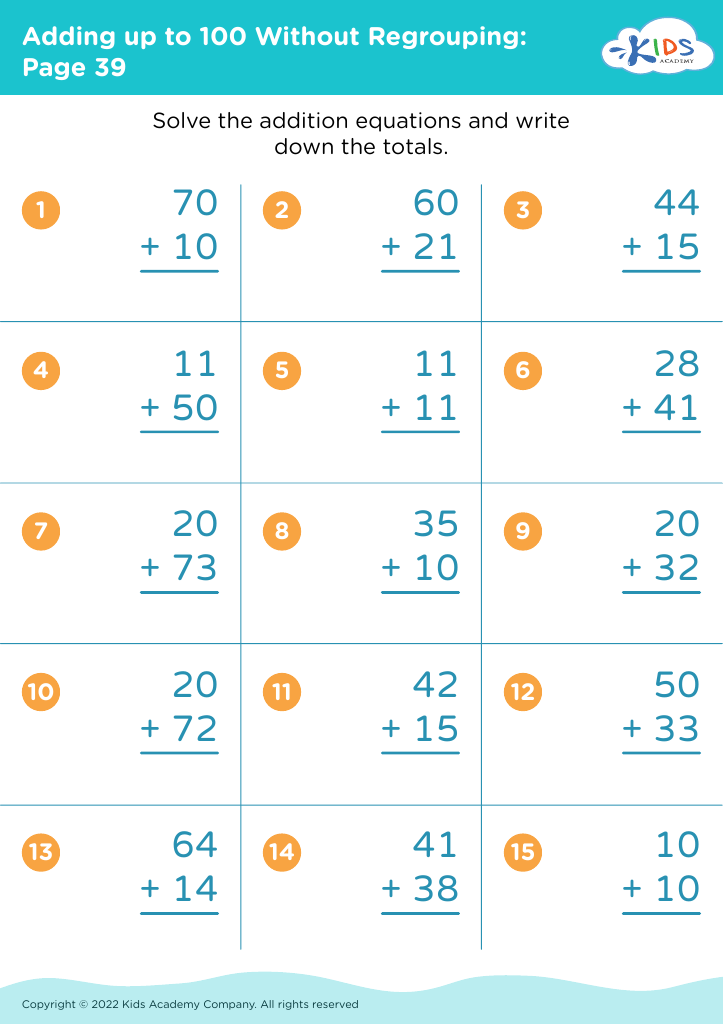
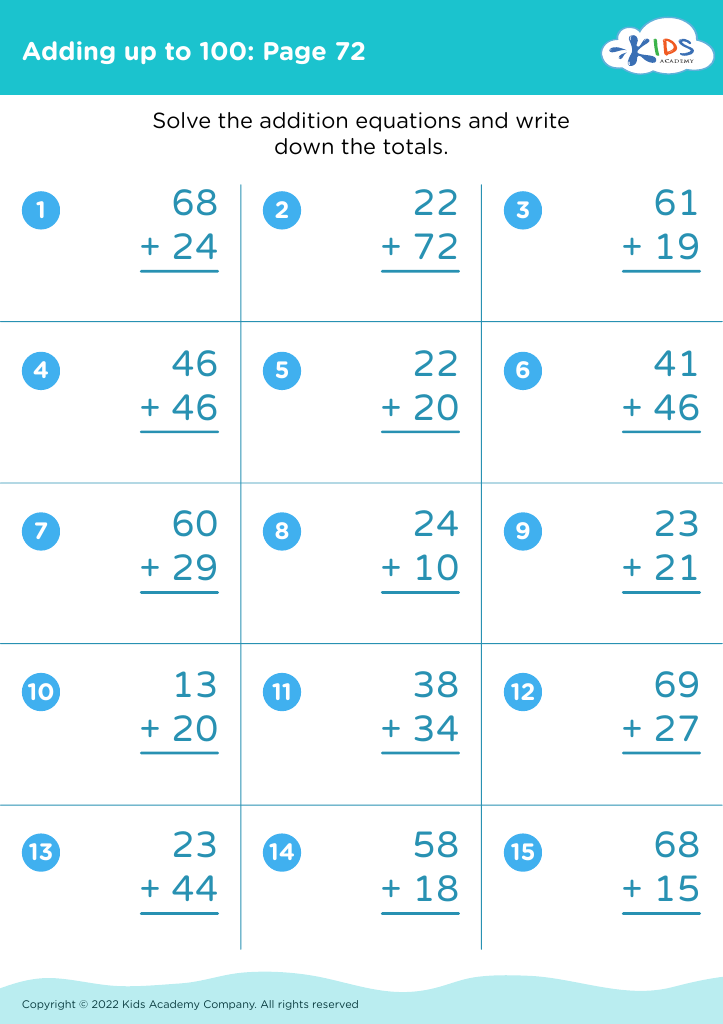
Enhance fine motor skills while mastering addition and subtraction with our engaging worksheets! Designed specifically for young learners, these printable activities combine math practice with vital hand-eye coordination exercises. Each worksheet encourages children to work with various tools, such as scissors, colored pencils, and crayons, promoting dexterity and control. Kids will enjoy solving math problems while improving their fine motor skills, laying a strong foundation for future learning. Ideal for preschool and early grade activities, our worksheets make learning fun and interactive. Download now to help your child build confidence and skill in both mathematics and motor development!
Favorites
With answer key
Interactive
Join Kids Academy for Free
Who is primarily going to use this learning content?








Enhancing fine motor skills in young learners is crucial for several reasons, particularly when it comes to foundational math concepts like addition and subtraction. Fine motor skills refer to the small, precise movements typically involving the hands and fingers, such as grasping, pinching, and manipulating objects. These abilities are essential for writing, using tools, and engaging in hands-on activities.
When children develop their fine motor skills, they find it easier to handle pencils, chalk, and manipulatives used in math instruction. These skills directly impact their ability to physically manipulate numbers and objects, which is fundamental in understanding addition and subtraction. For example, using counters or number lines reinforces these concepts and improves confidence.
Moreover, as students advance in their education, strong fine motor skills contribute to better handwriting and overall academic performance. Fine motor development also fosters problem-solving and critical thinking. As children engage in tasks that require coordination and control, they not only build mathematical concepts but also gain perseverance and dexterity.
Ultimately, teachers and parents play an integral role in providing activities that enhance fine motor skills, leading to more successful and enjoyable learning experiences in math and beyond.








