Check out this FREE Trial Lesson on Addition & Subtraction!

Sorting Objects into 3 Categories

Favorites
With answer key
Interactive
  • Fraction simplification
  • Addition & Subtraction
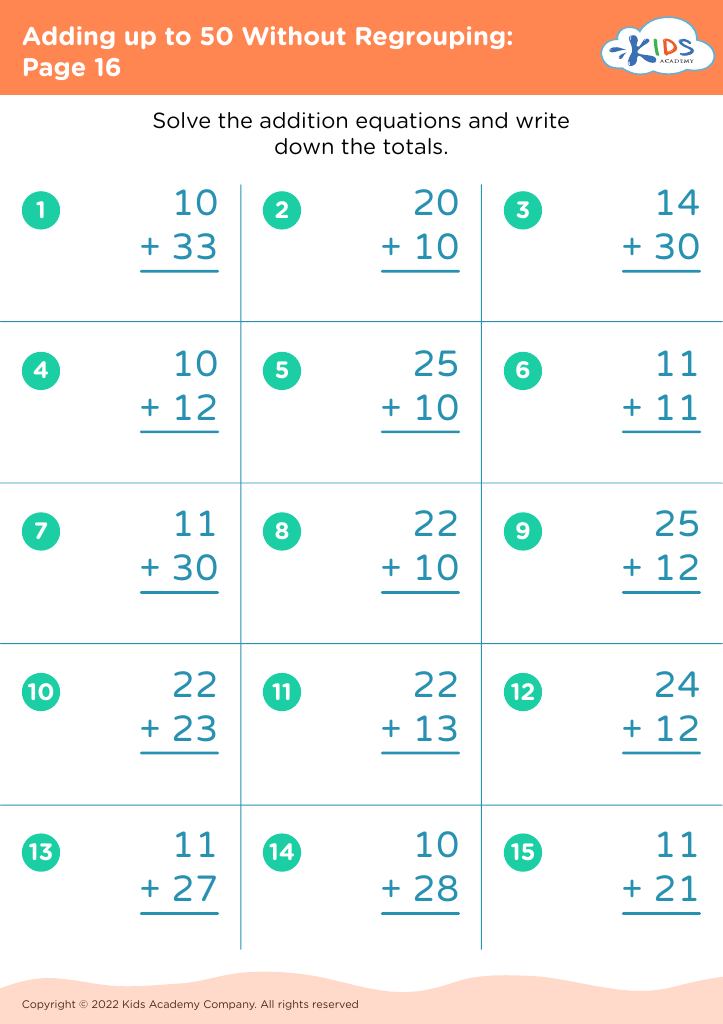
Adding up to 50 Without Regrouping: Page 16
Worksheet
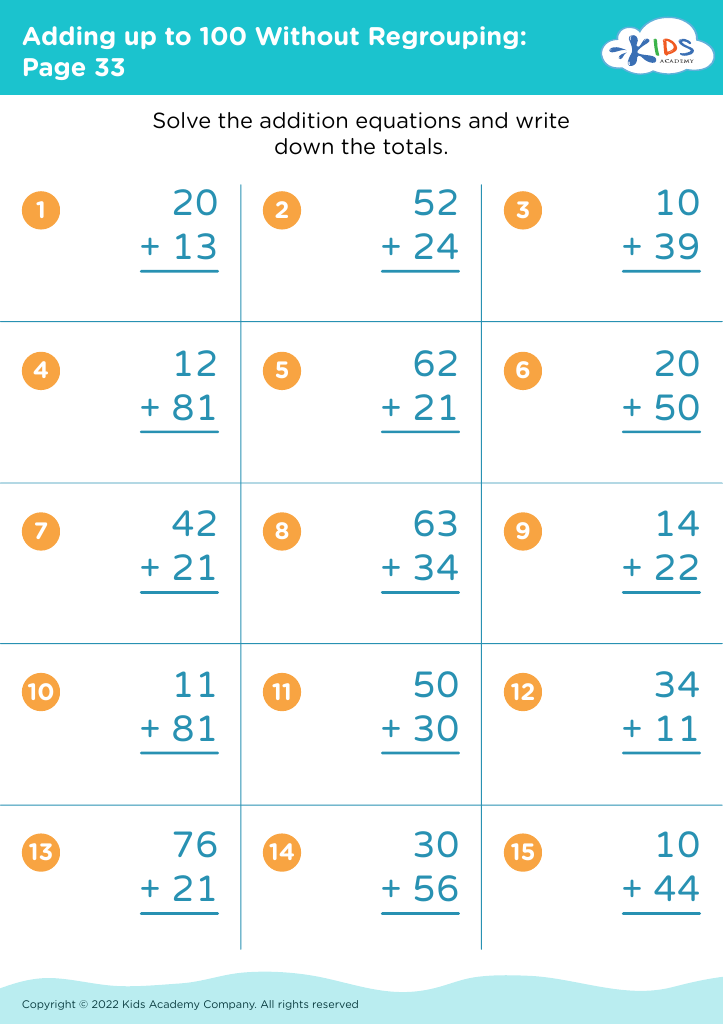
Adding up to 100 Without Regrouping: Page 33
Worksheet
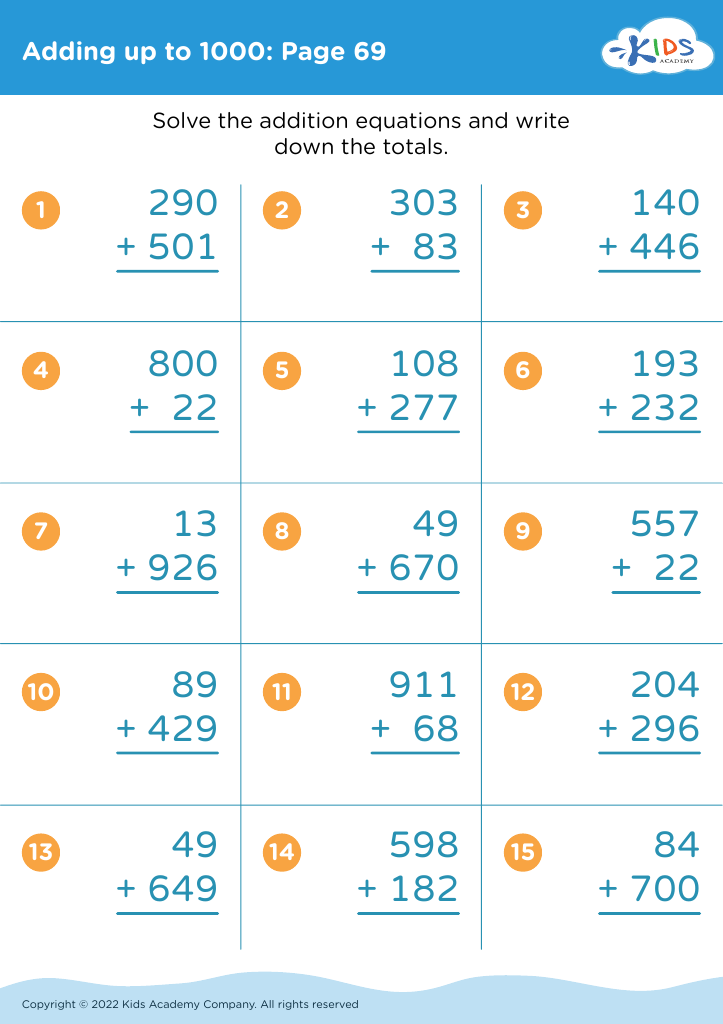
Adding up to 1000: Page 69

Adding up to 1000: Page 69

Adding up to 1000: Page 69
Worksheet
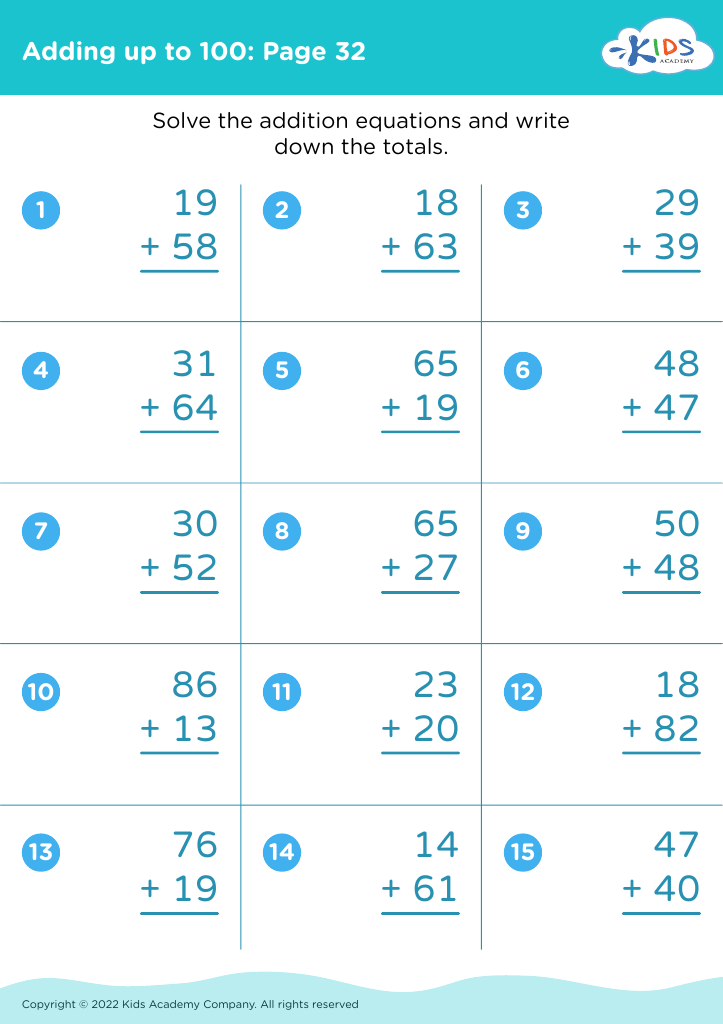
Adding up to 100: Page 32

Adding up to 100: Page 32

Adding up to 100: Page 32
Worksheet
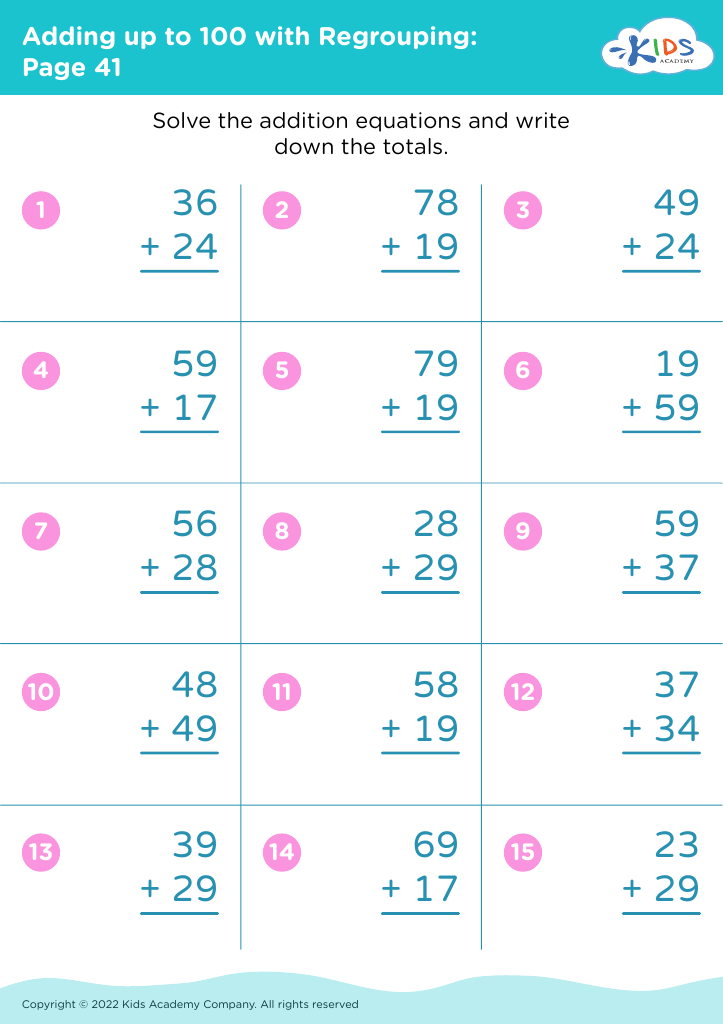
Adding up to 100 with Regrouping: Page 41
Worksheet
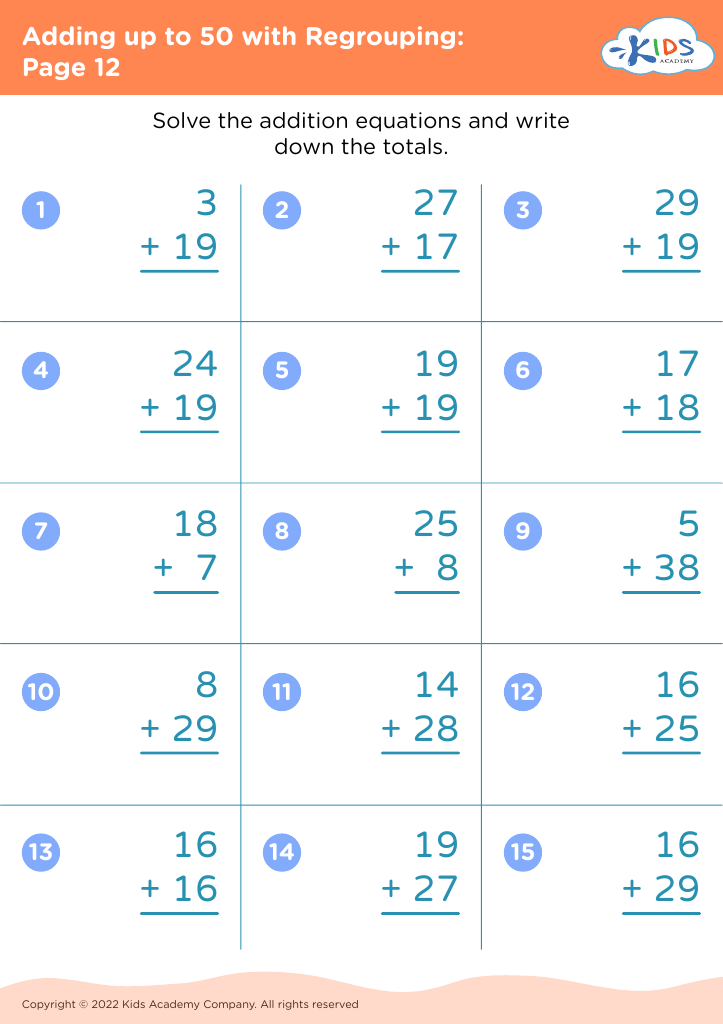
Adding up to 50 with Regrouping: Page 12
Worksheet
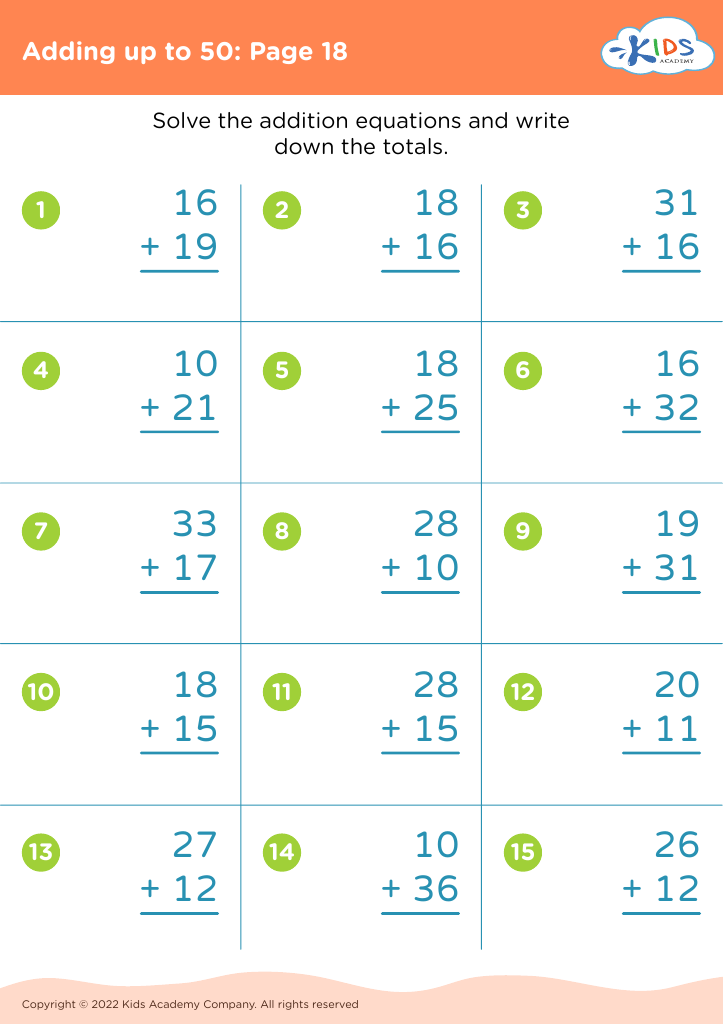
Adding up to 50: Page 18

Adding up to 50: Page 18

Adding up to 50: Page 18
Worksheet
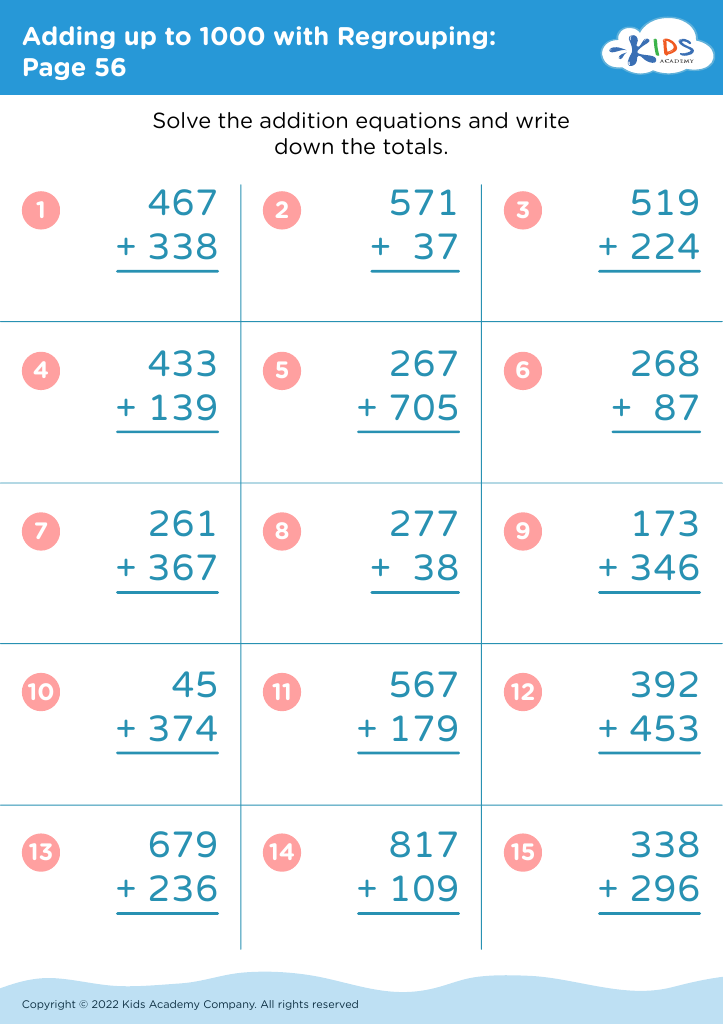
Adding up to 1000 with Regrouping: Page 56
Worksheet
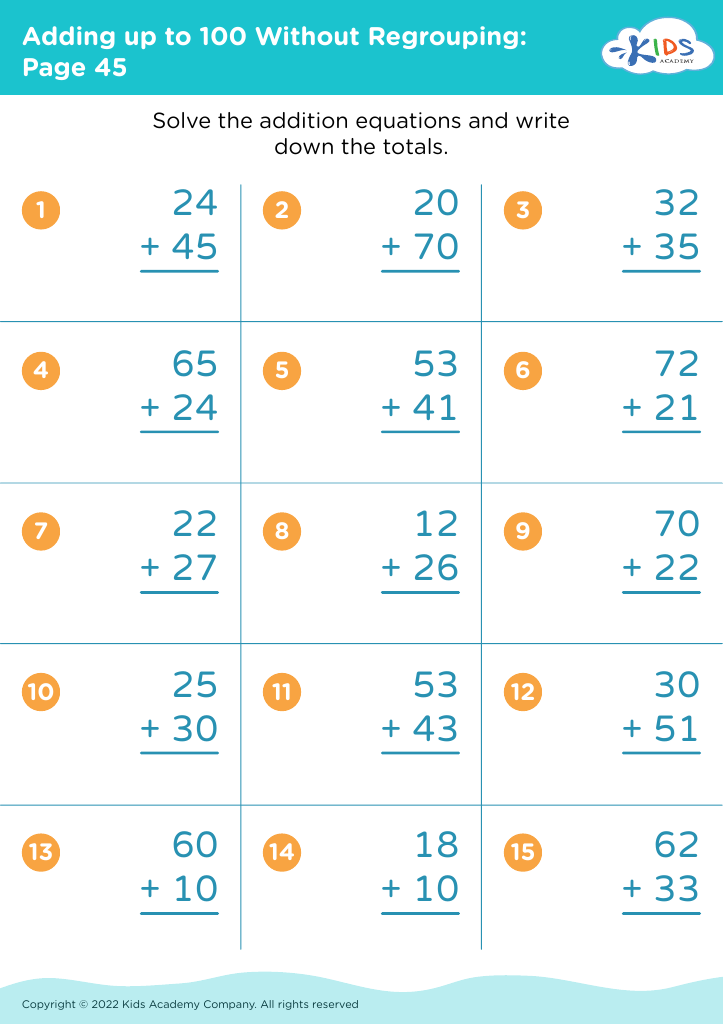
Adding up to 100 Without Regrouping: Page 45
Worksheet
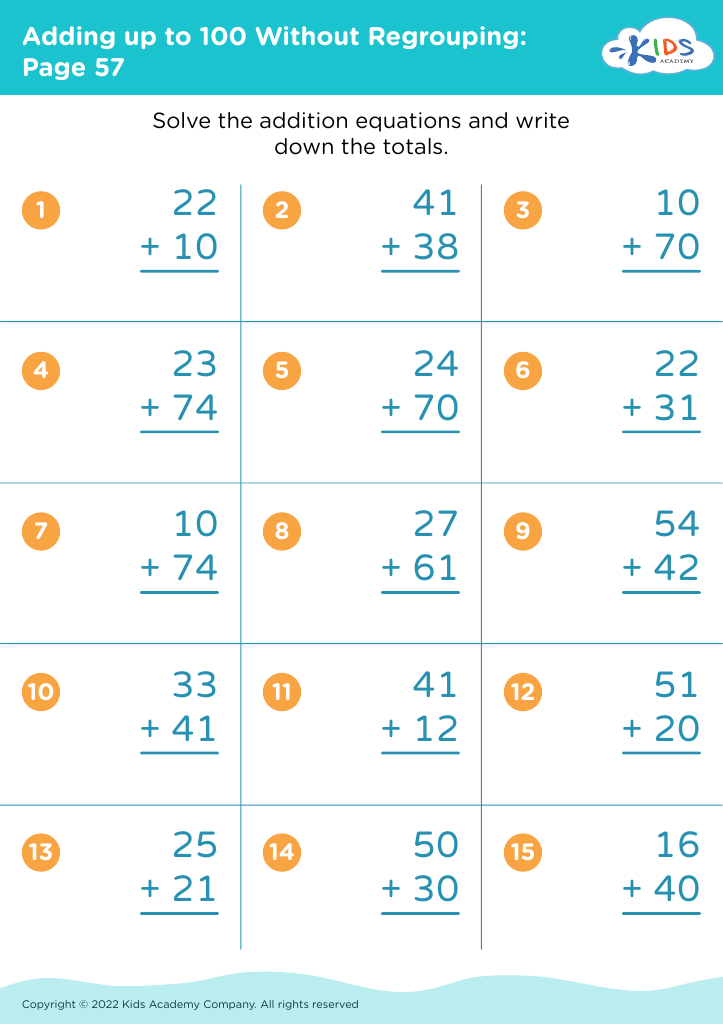
Adding up to 100 Without Regrouping: Page 57
Worksheet
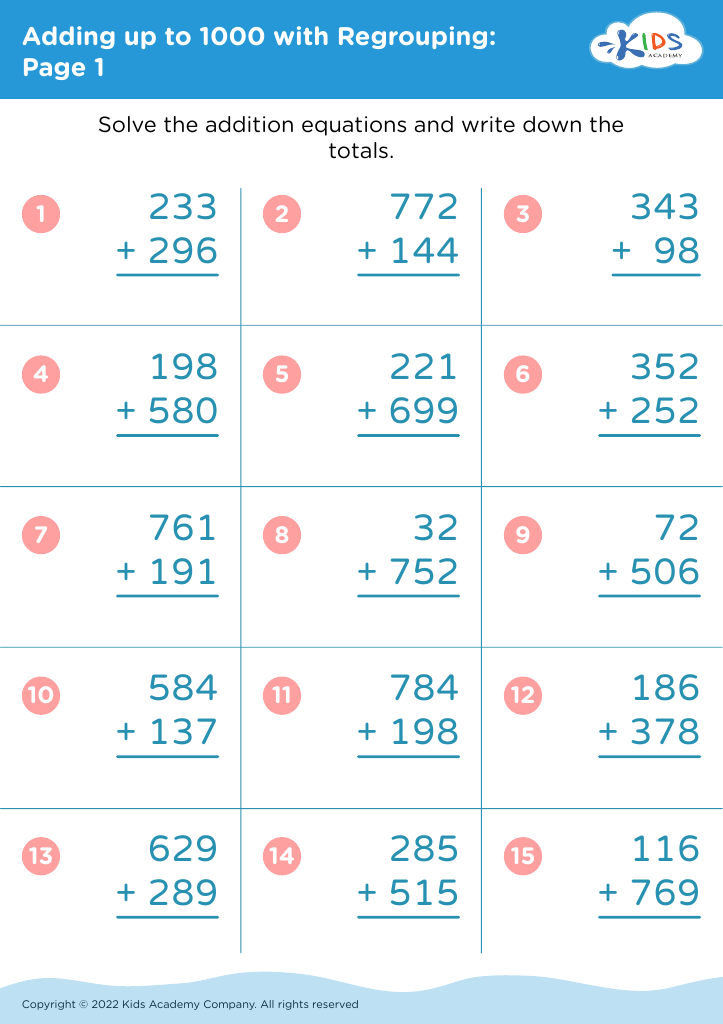
Adding up to 1000 with Regrouping: Page 1
Worksheet
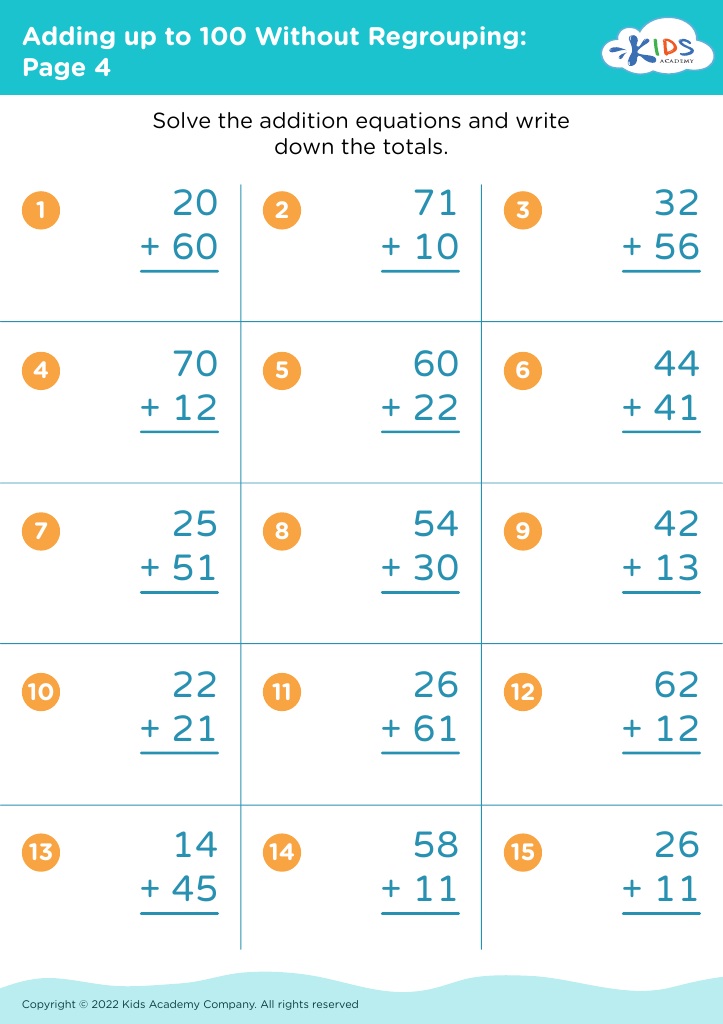
Adding up to 100 Without Regrouping: Page 4
Worksheet
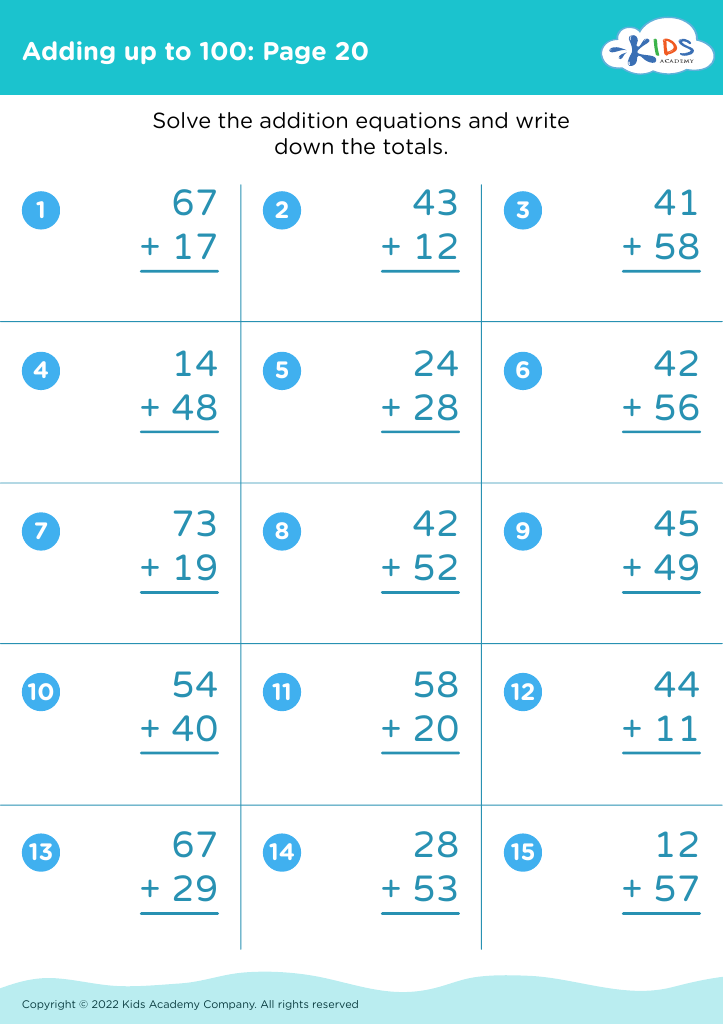
Adding up to 100: Page 20

Adding up to 100: Page 20

Adding up to 100: Page 20
Worksheet
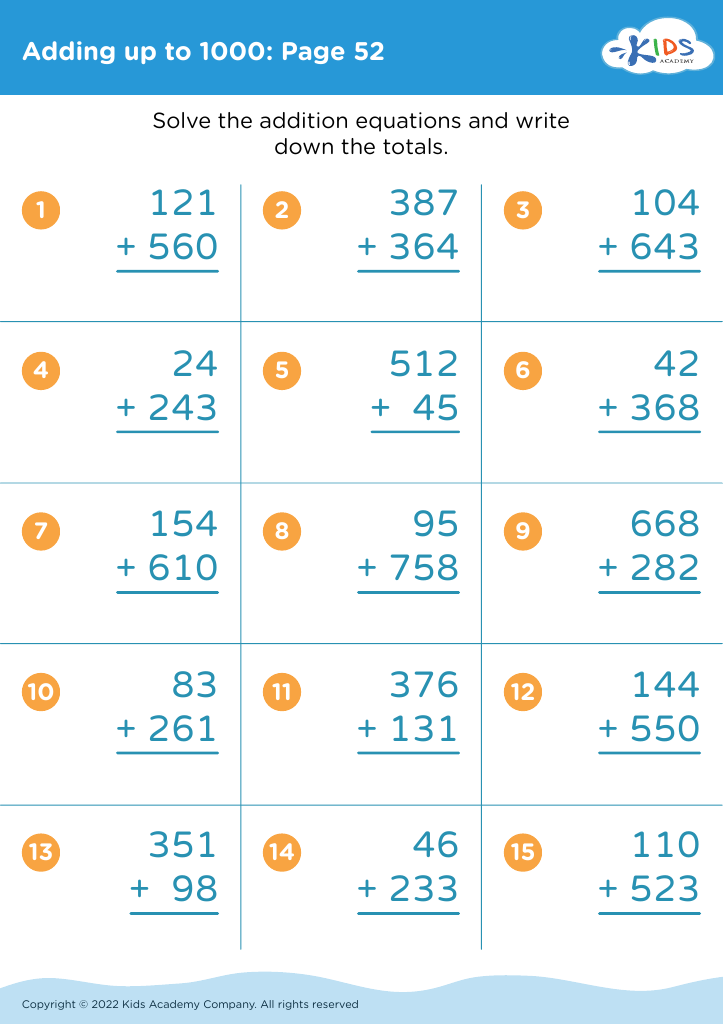
Adding up to 1000: Page 52

Adding up to 1000: Page 52

Adding up to 1000: Page 52
Worksheet
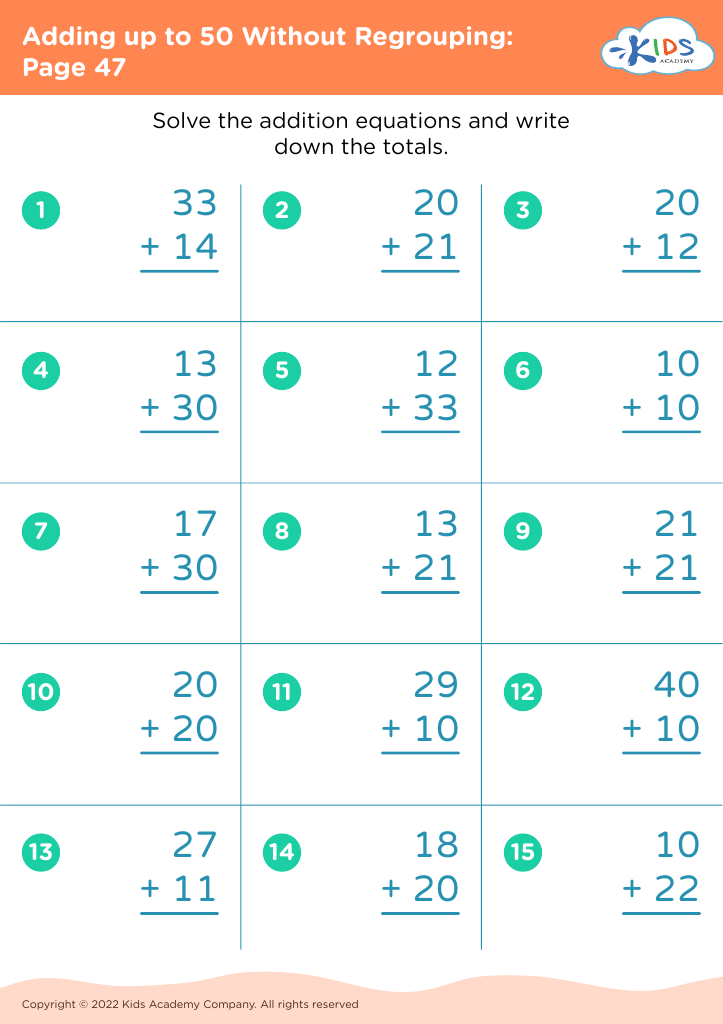
Adding up to 50 Without Regrouping: Page 47
Worksheet
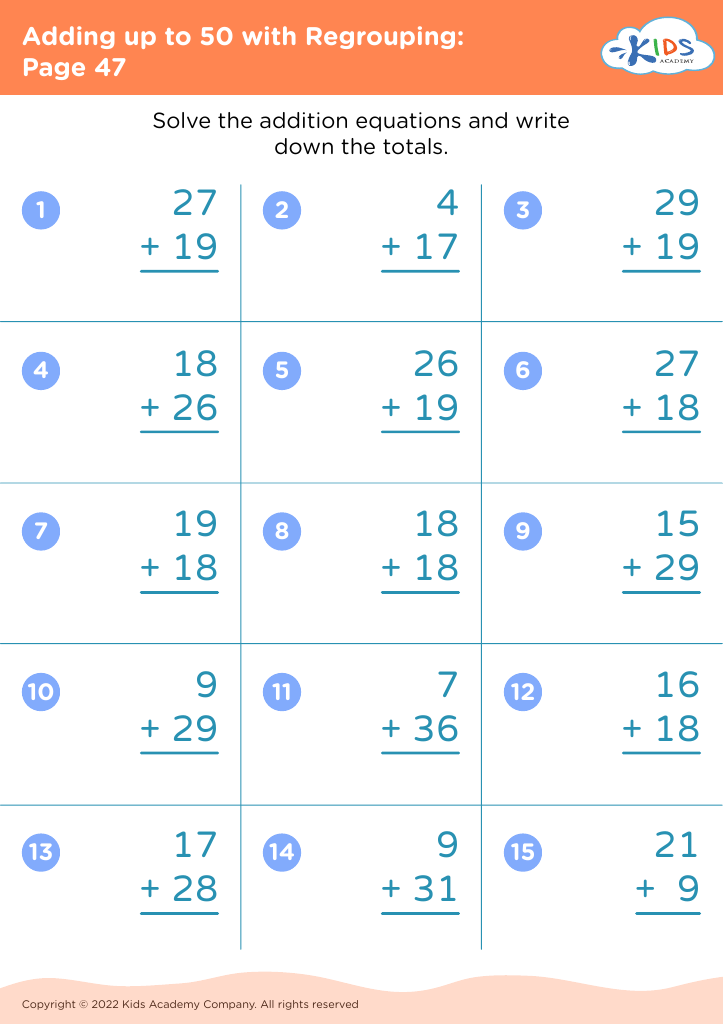
Adding up to 50 with Regrouping: Page 47
Worksheet
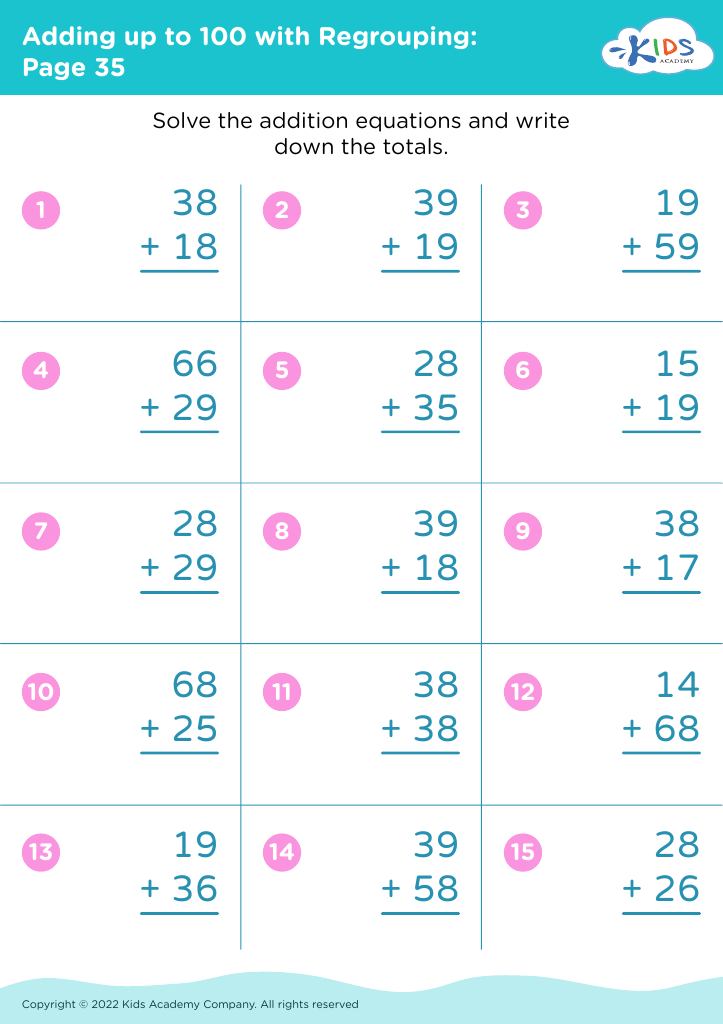
Adding up to 100 with Regrouping: Page 35
Worksheet
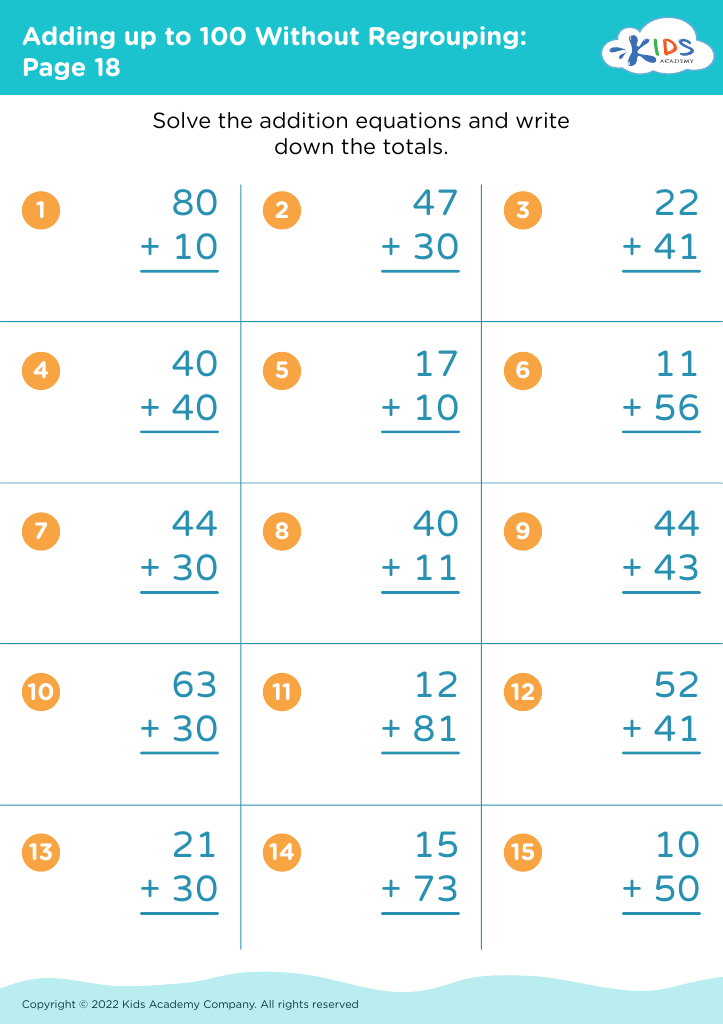
Adding up to 100 Without Regrouping: Page 18
Worksheet
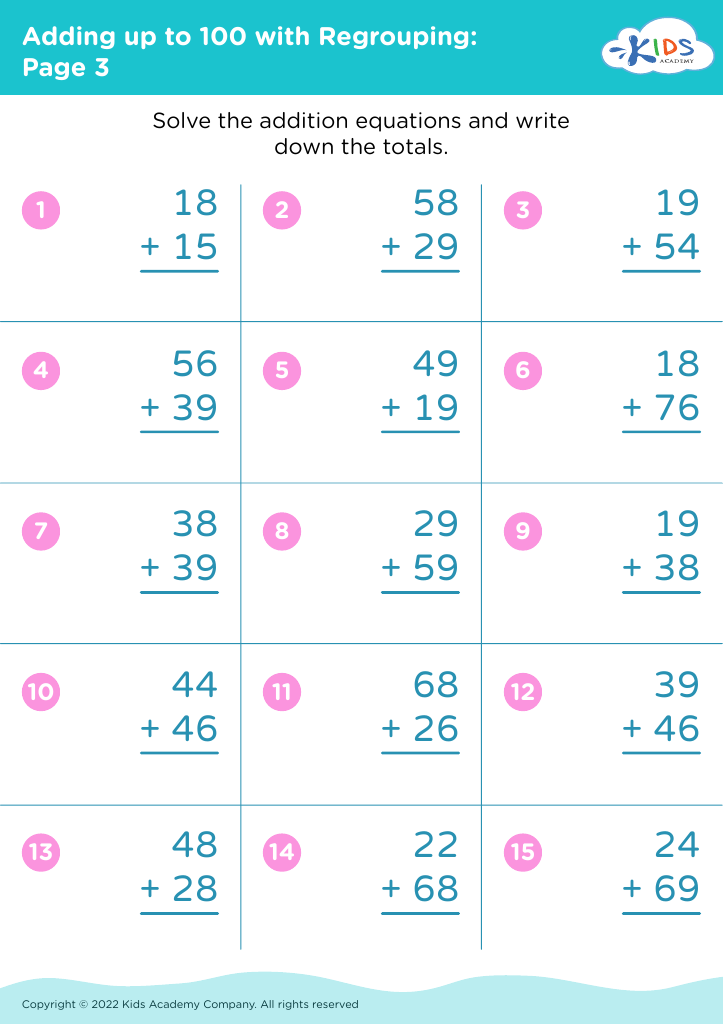
Adding up to 100 with Regrouping: Page 3
Worksheet
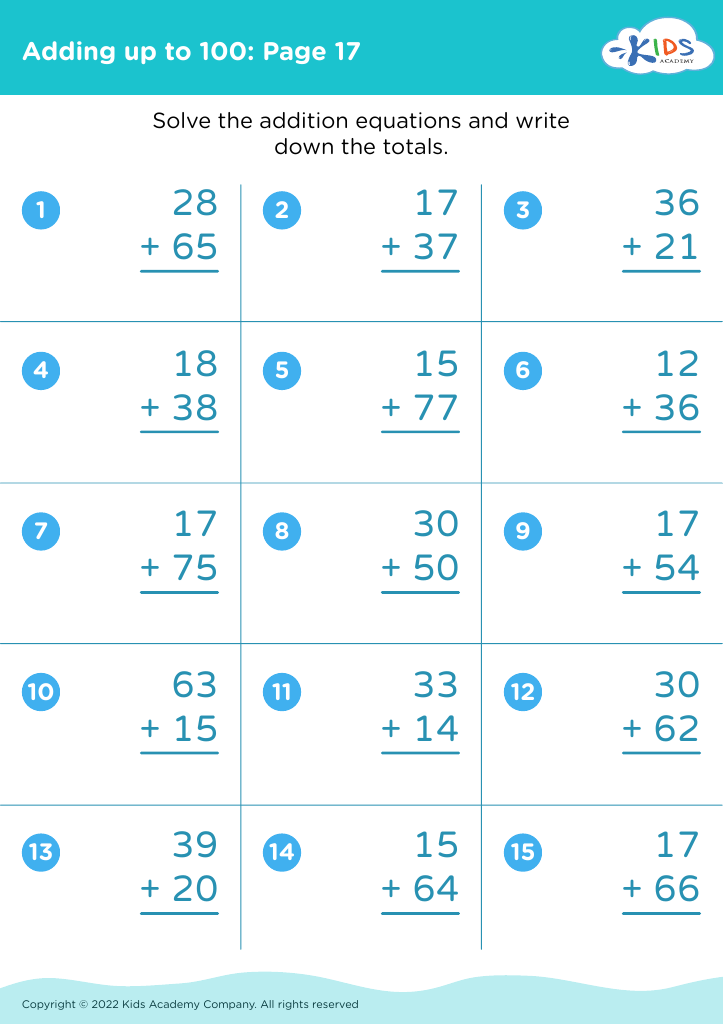
Adding up to 100: Page 17

Adding up to 100: Page 17

Adding up to 100: Page 17
Worksheet
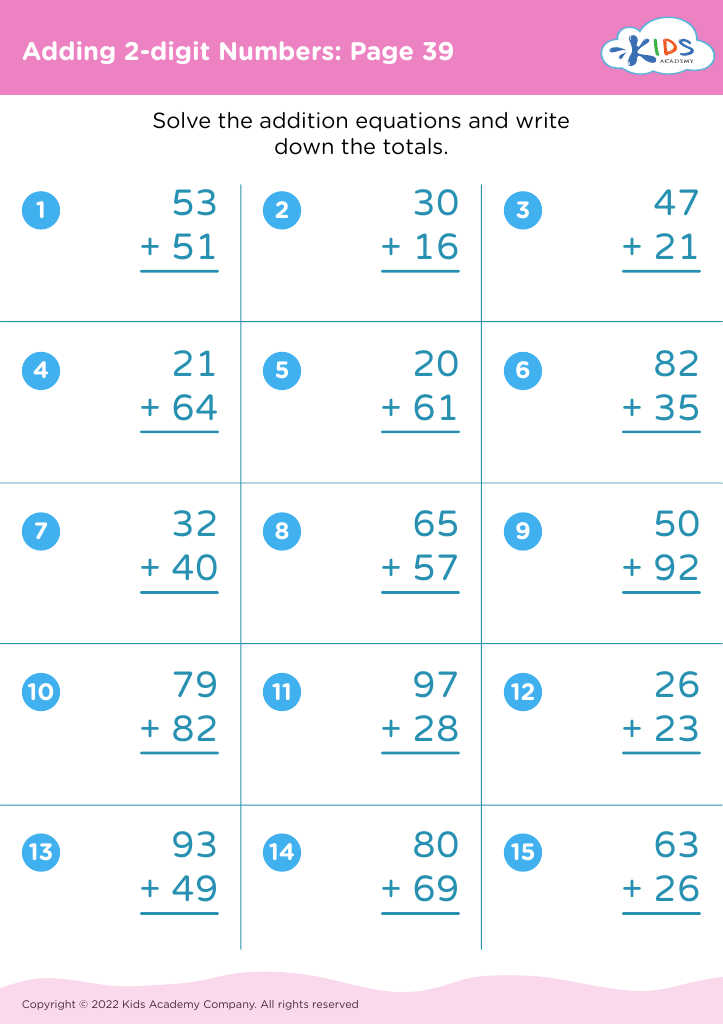
Adding 2-digit Numbers: Page 39

Adding 2-digit Numbers: Page 39

Adding 2-digit Numbers: Page 39
Worksheet
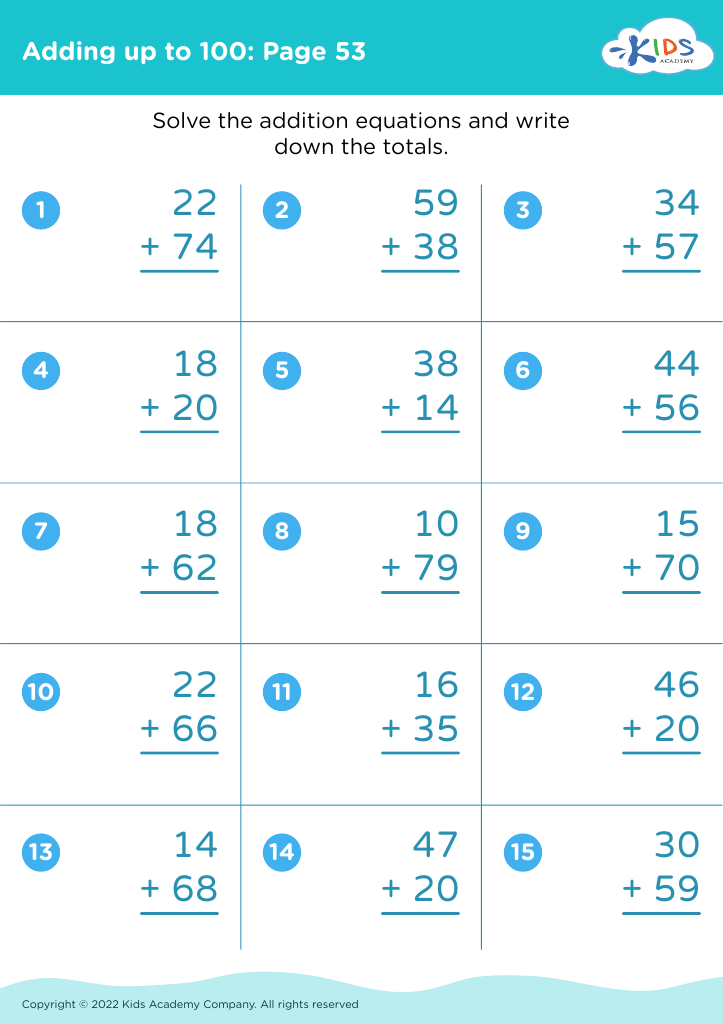
Adding up to 100: Page 53

Adding up to 100: Page 53

Adding up to 100: Page 53
Worksheet
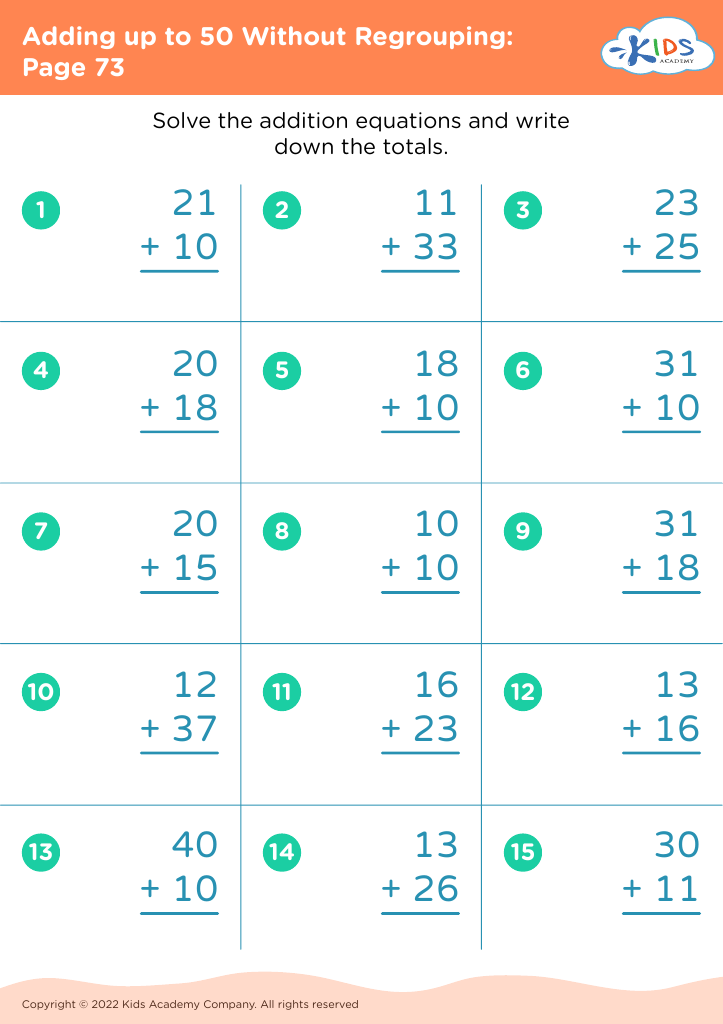
Adding up to 50 Without Regrouping: Page 73
Worksheet
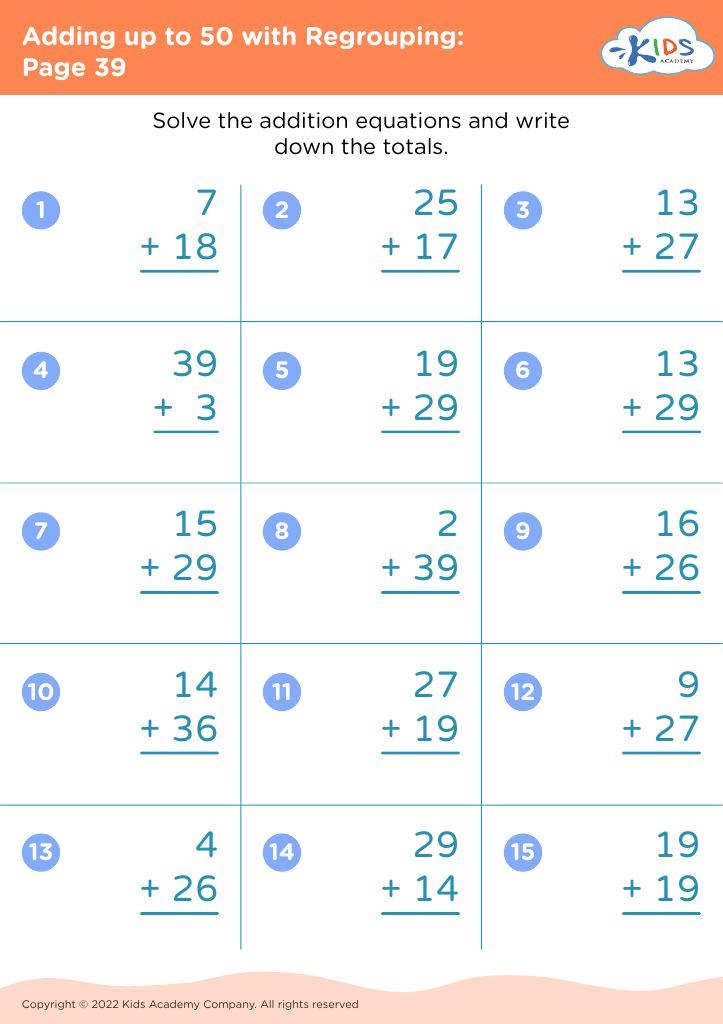
Adding up to 50 with Regrouping: Page 39
Worksheet


Understanding fraction simplification, addition, and subtraction is crucial for both parents and teachers for several reasons. Firstly, these skills form the foundation for fundamental mathematical concepts. Mastery of fractions helps students grasp more complex topics, such as ratios, percentages, and algebraic expressions, which they will encounter in higher grades.

Additionally, fraction skills foster critical thinking and problem-solving abilities. By learning how to simplify fractions and perform operations like addition and subtraction, students develop the ability to analyze and tackle a variety of mathematical and real-world problems.

In terms of academic performance, strong fraction skills can significantly enhance a student's confidence and self-efficacy. When students understand how to manipulate and operate with fractions, they are more likely to participate in class and enjoy mathematics, thus creating a positive feedback loop of learning and engagement.

Moreover, for parents, understanding these concepts enables them to better support their children's learning at home. Engaging in math-related activities reinforces lessons and strengthens family bonds. Ultimately, ensuring that students are proficient in fraction simplification and operations lays the groundwork for academic success and prepares them for functional mathematics in everyday life.