Fraction simplification Addition & Subtraction Worksheets - Page 3
58 filtered results
-
From - To
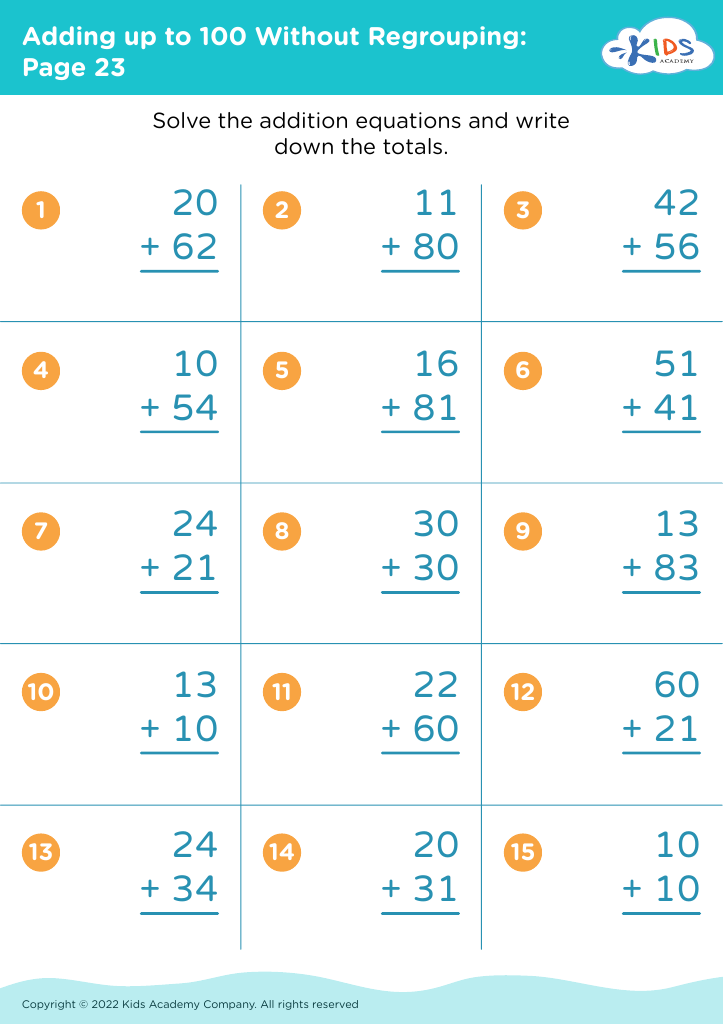
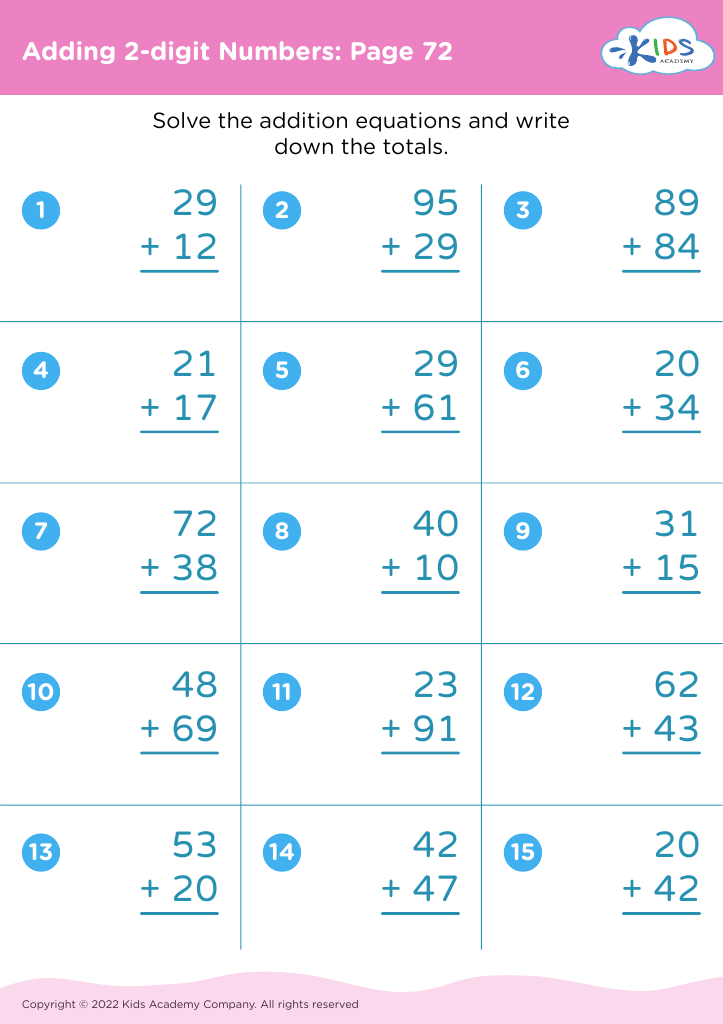
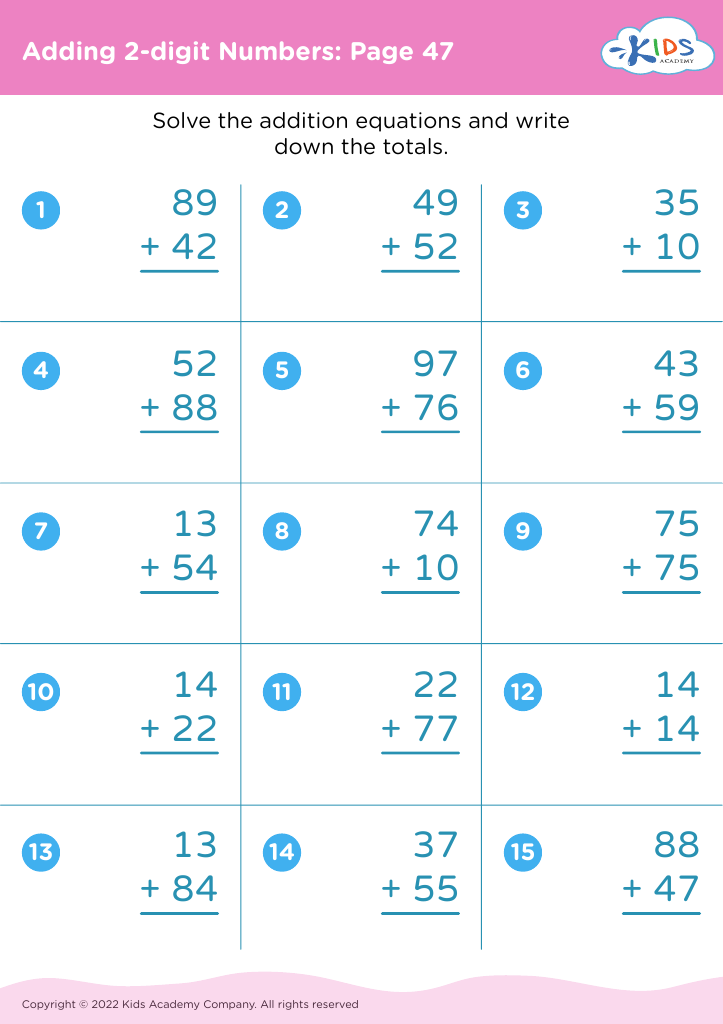
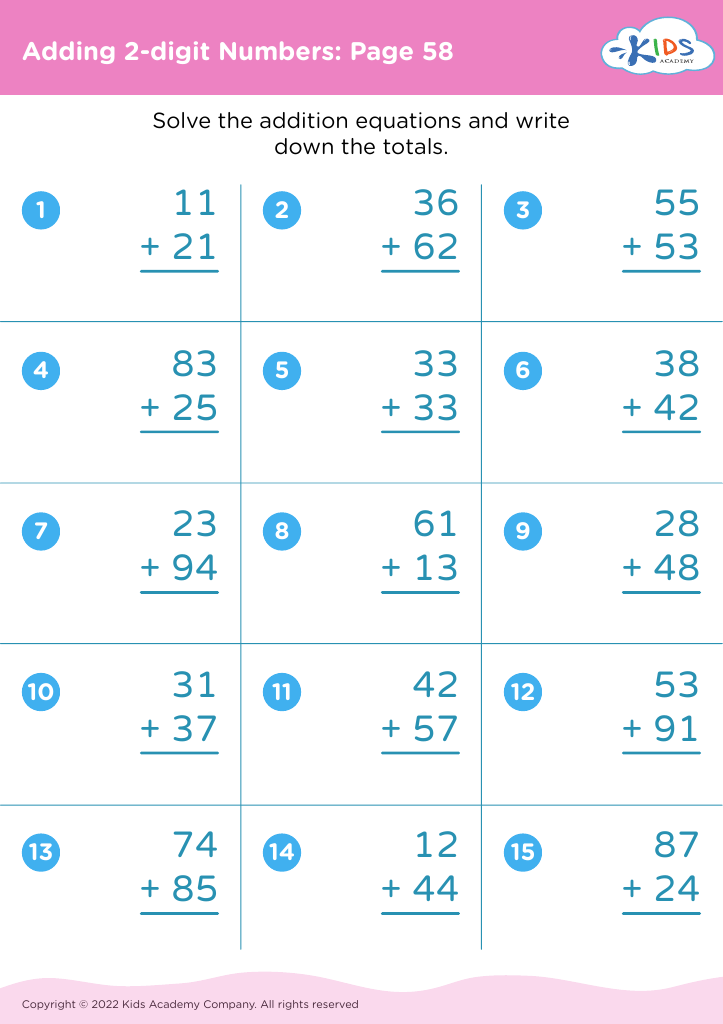








Understanding fraction simplification, addition, and subtraction is crucial for both parents and teachers for several reasons. Firstly, these skills form the foundation for fundamental mathematical concepts. Mastery of fractions helps students grasp more complex topics, such as ratios, percentages, and algebraic expressions, which they will encounter in higher grades.
Additionally, fraction skills foster critical thinking and problem-solving abilities. By learning how to simplify fractions and perform operations like addition and subtraction, students develop the ability to analyze and tackle a variety of mathematical and real-world problems.
In terms of academic performance, strong fraction skills can significantly enhance a student's confidence and self-efficacy. When students understand how to manipulate and operate with fractions, they are more likely to participate in class and enjoy mathematics, thus creating a positive feedback loop of learning and engagement.
Moreover, for parents, understanding these concepts enables them to better support their children's learning at home. Engaging in math-related activities reinforces lessons and strengthens family bonds. Ultimately, ensuring that students are proficient in fraction simplification and operations lays the groundwork for academic success and prepares them for functional mathematics in everyday life.








