Identifying shapes Addition & Subtraction Worksheets
25 filtered results
-
From - To
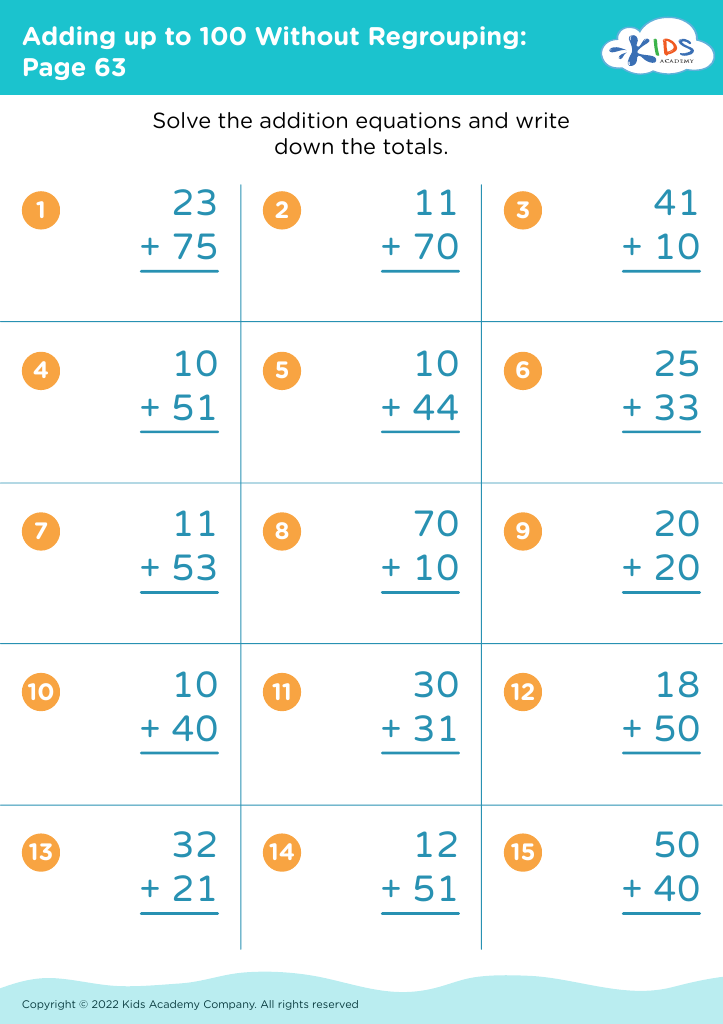
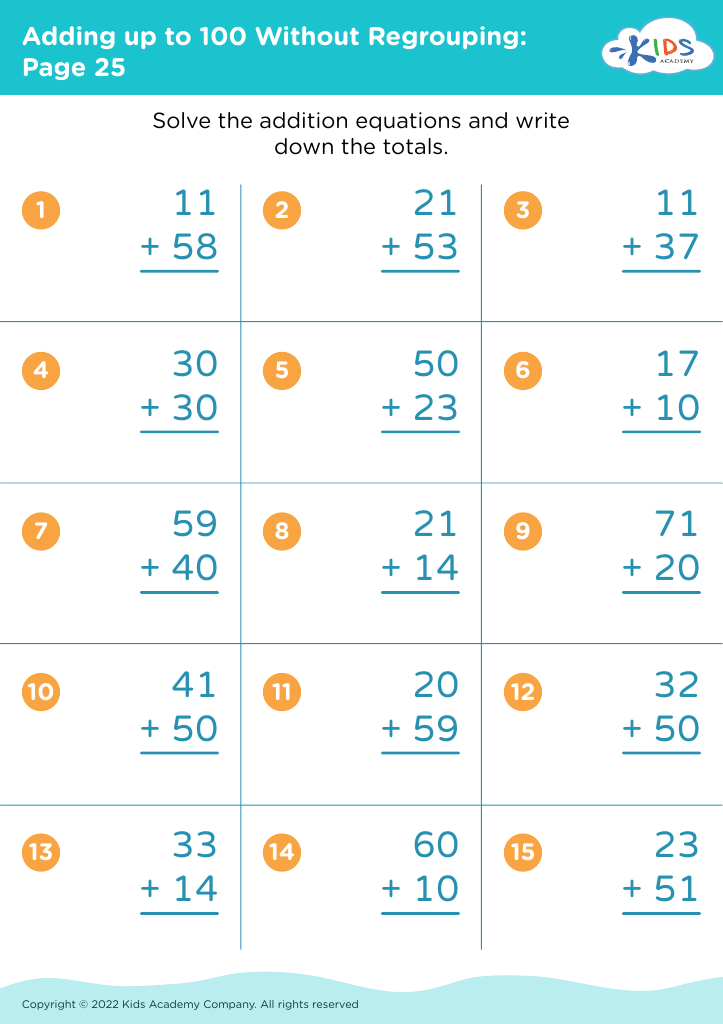
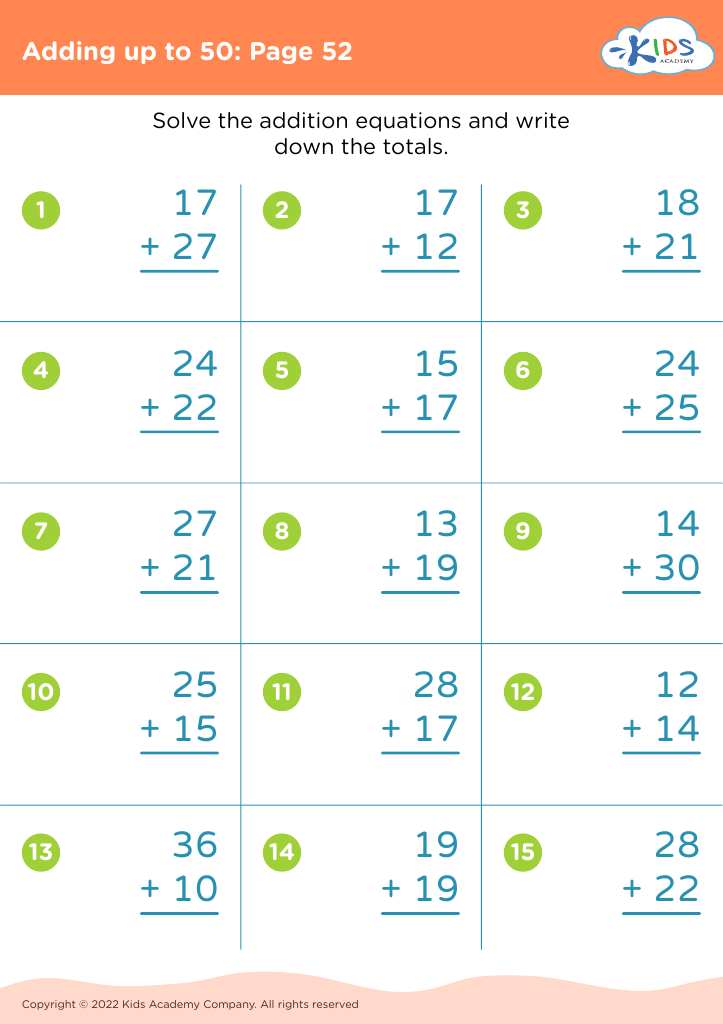
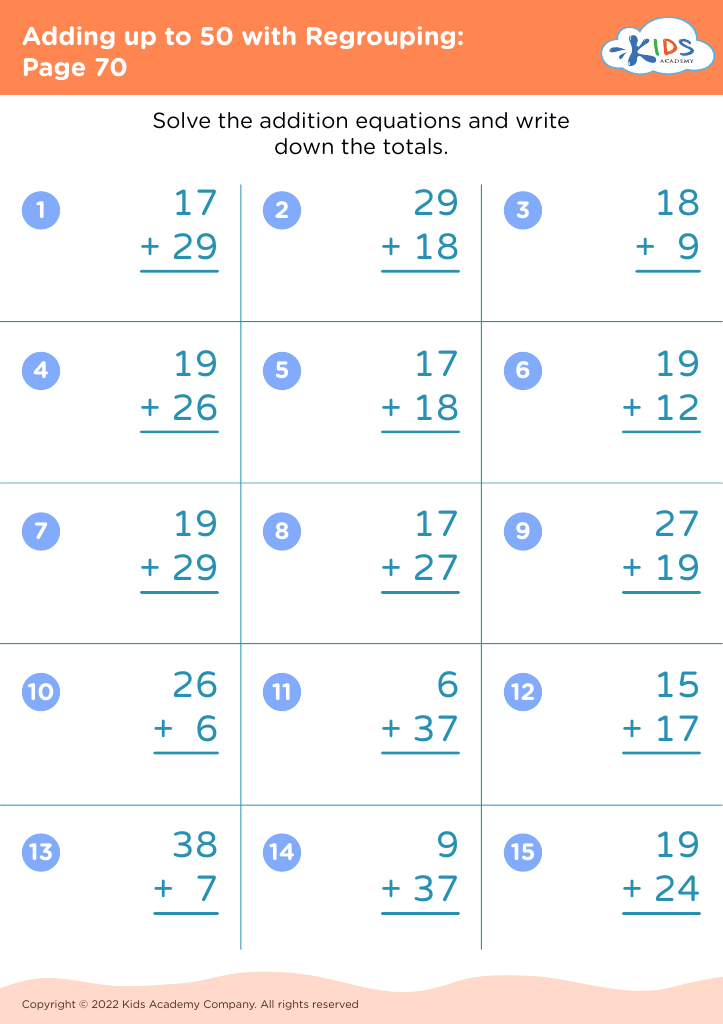
Enhance your child's learning experience with our "Identifying Shapes Addition & Subtraction Worksheets." Designed for early learners, these worksheets seamlessly integrate shape recognition with fundamental math skills. Children will explore various shapes while practicing addition and subtraction through engaging activities. Our fun and interactive worksheets help build essential math foundations while promoting creativity and critical thinking. Perfect for classroom or home use, these resources cater to diverse learning styles, ensuring every child thrives. Encourage your young learners to confidently identify shapes and master basic math operations with our comprehensive and enjoyable worksheets. Download and watch their skills grow today!
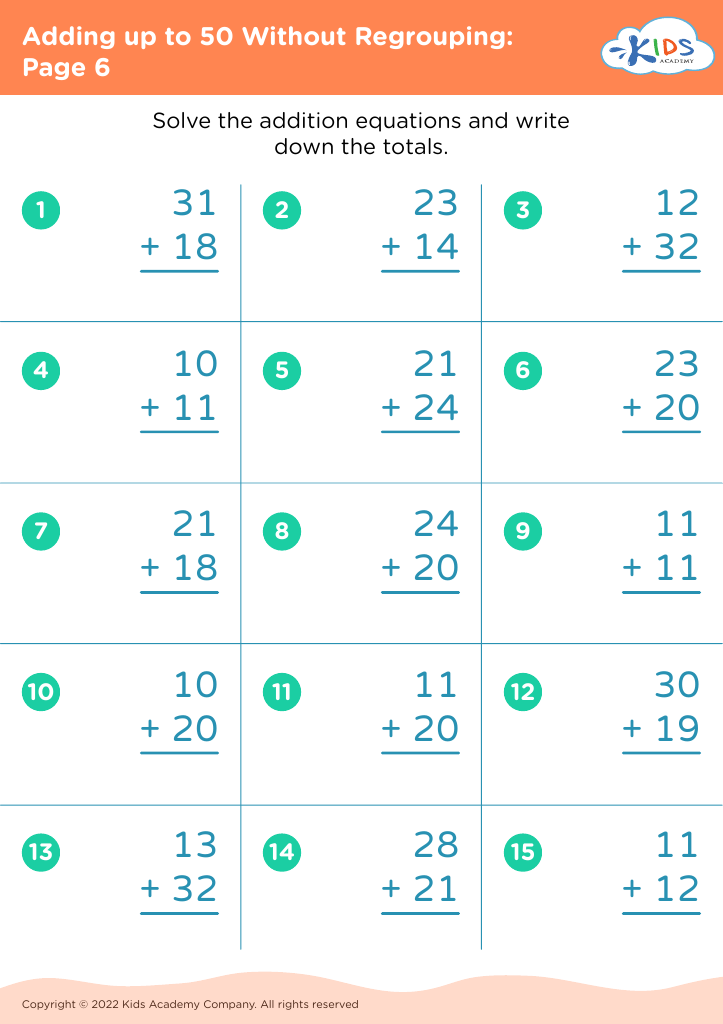
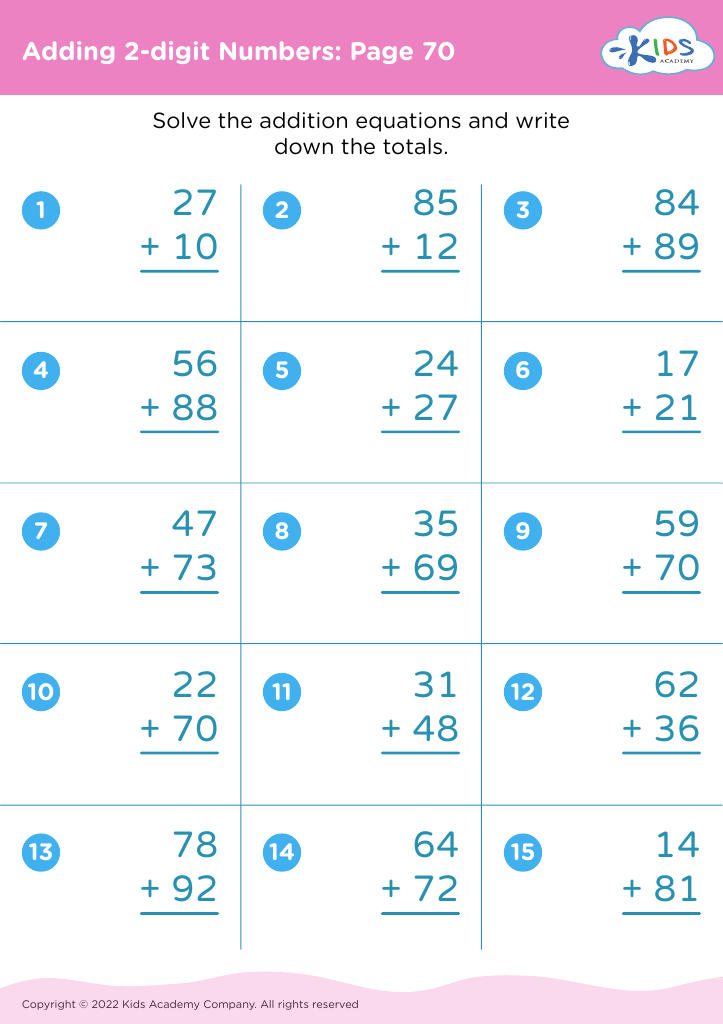
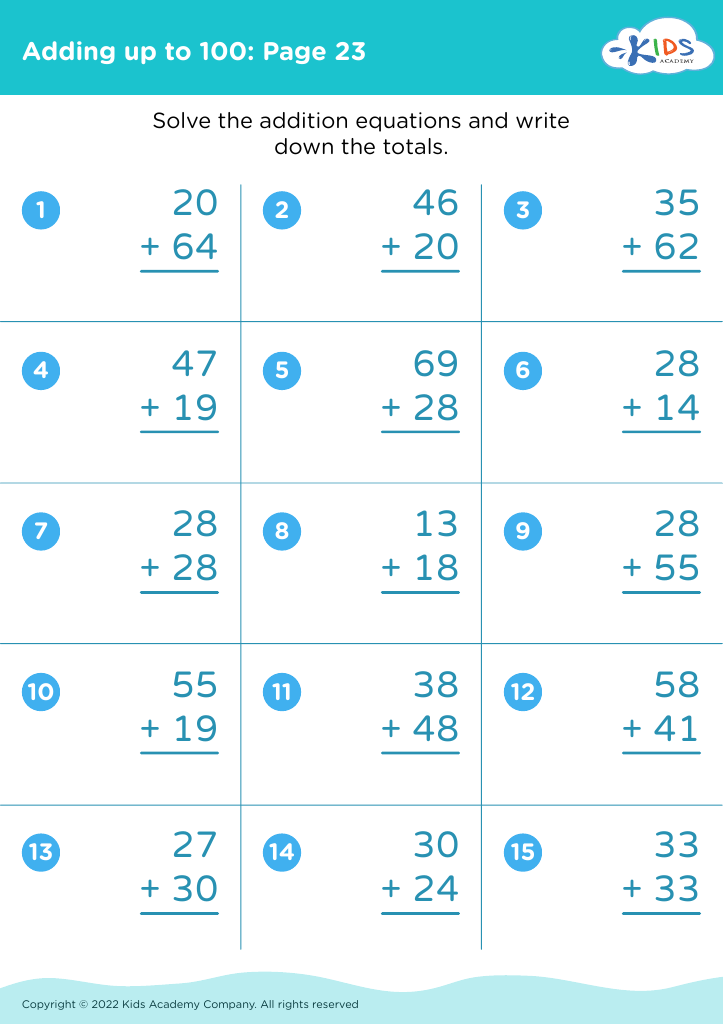
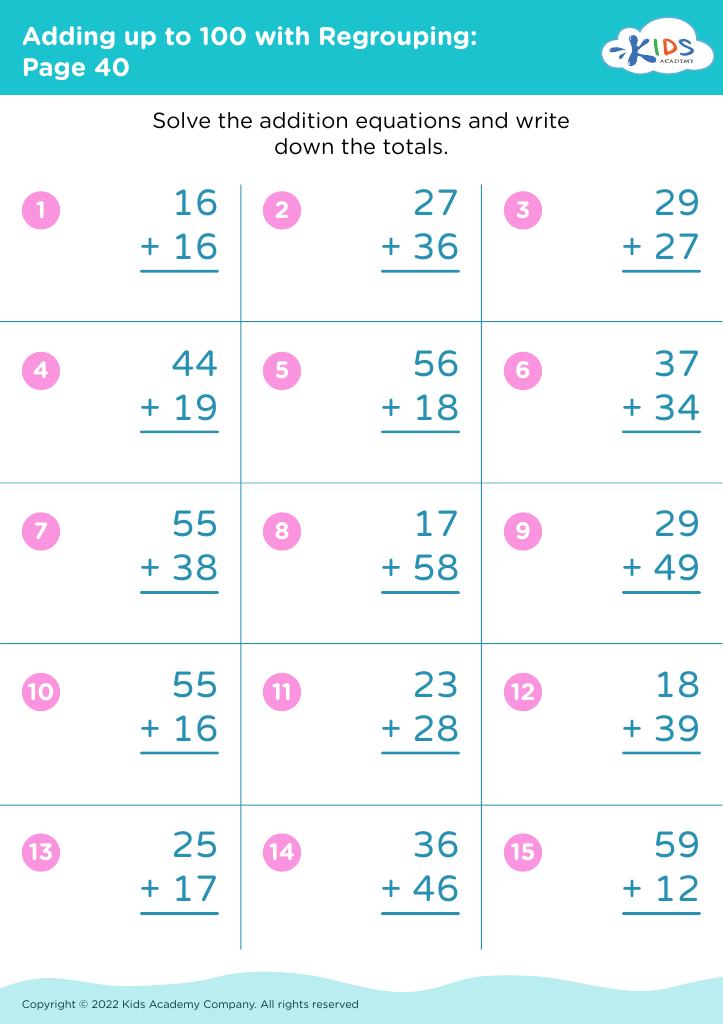
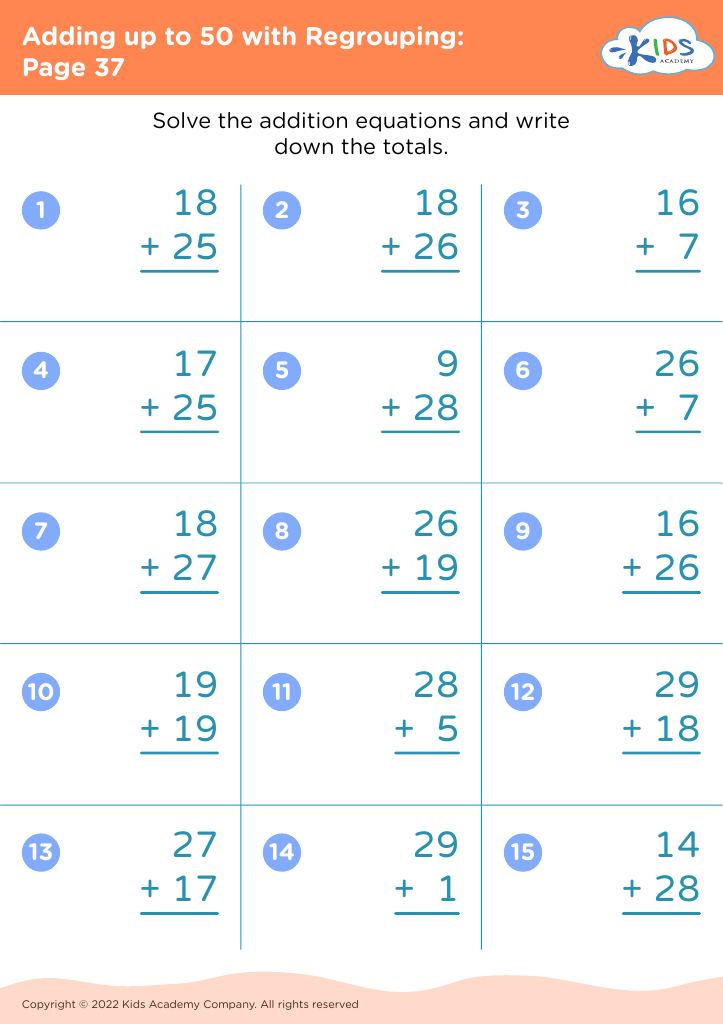
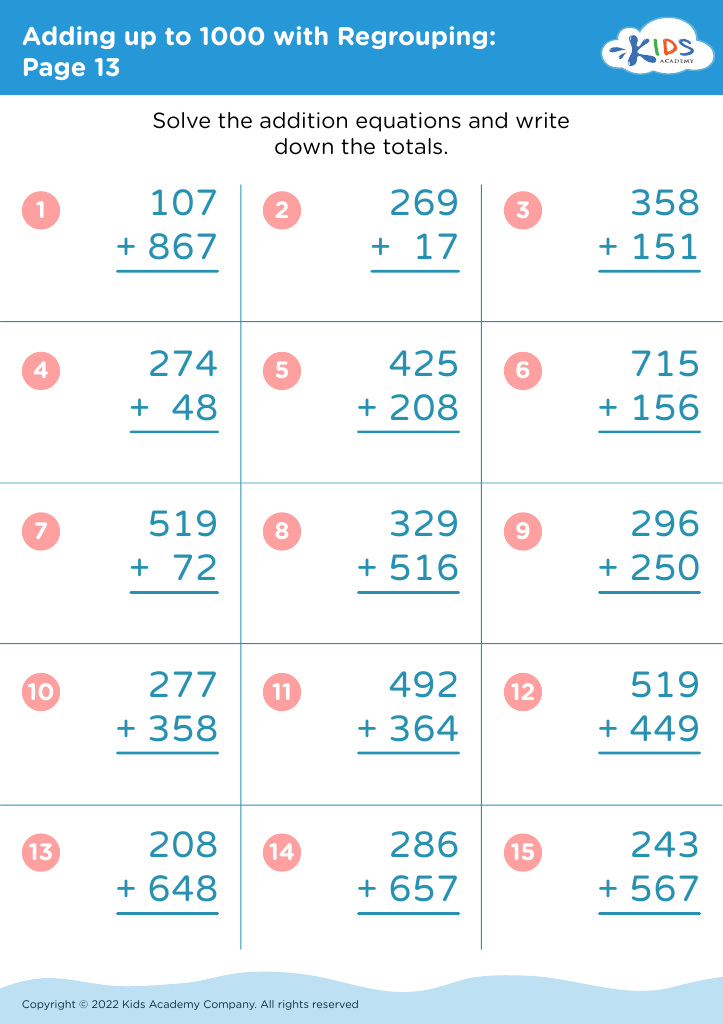
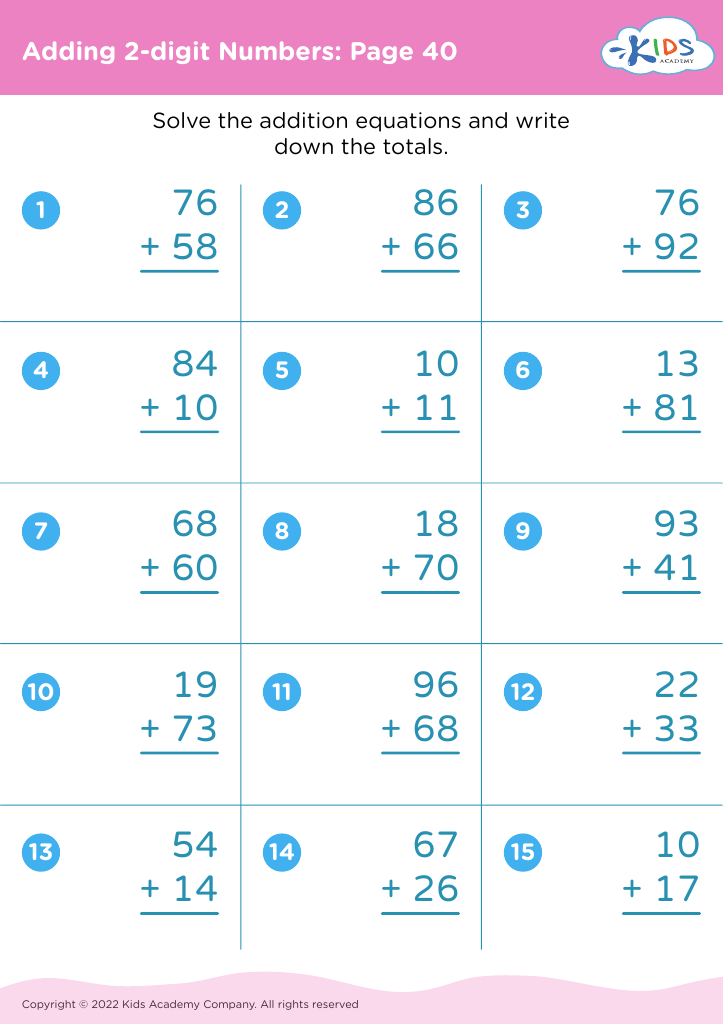
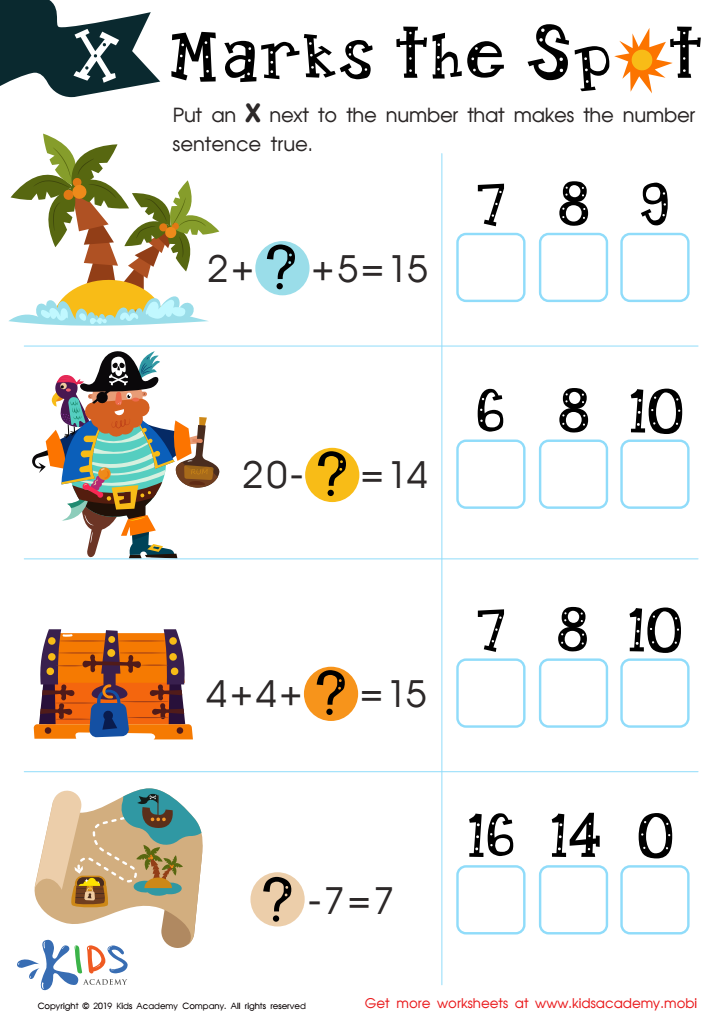
X Marks the Spot Worksheet
 Assign to My Students
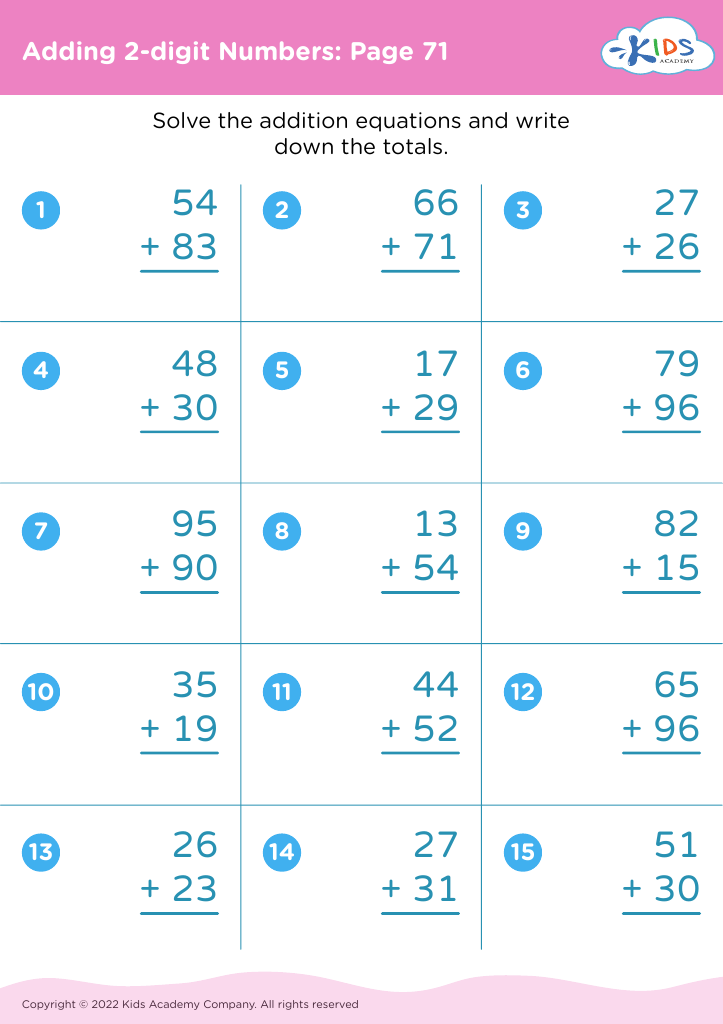
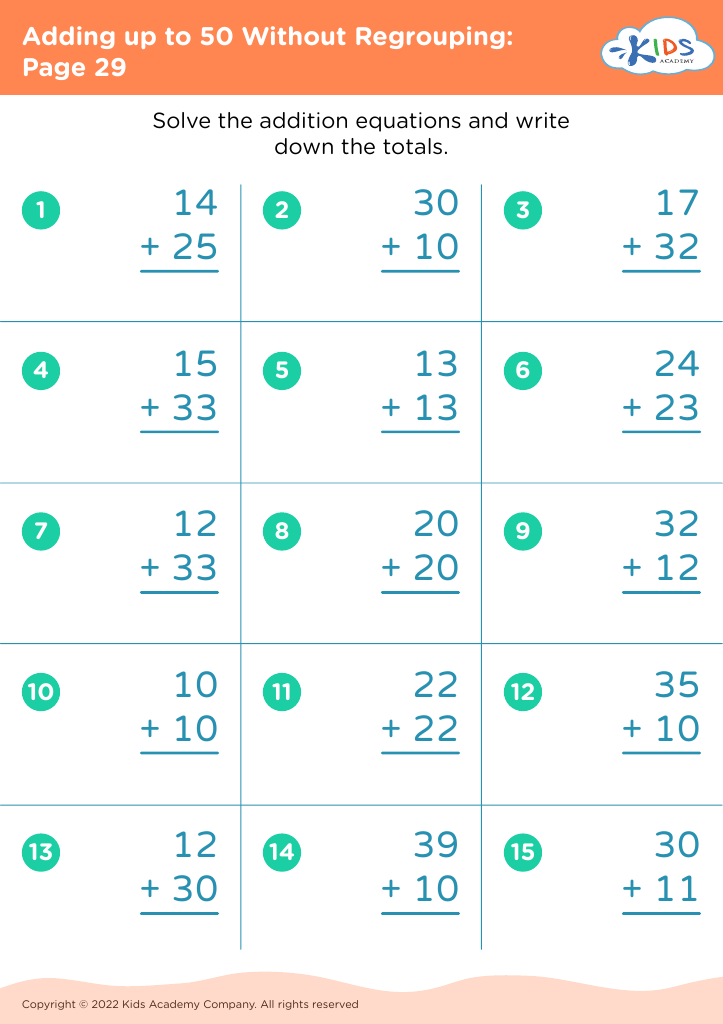
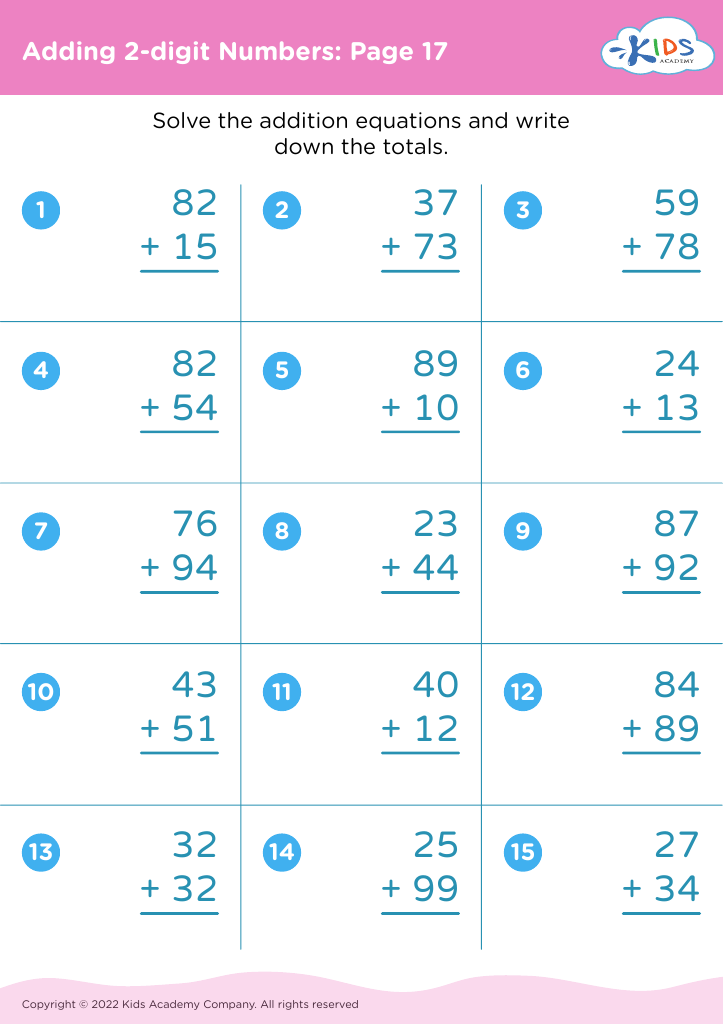
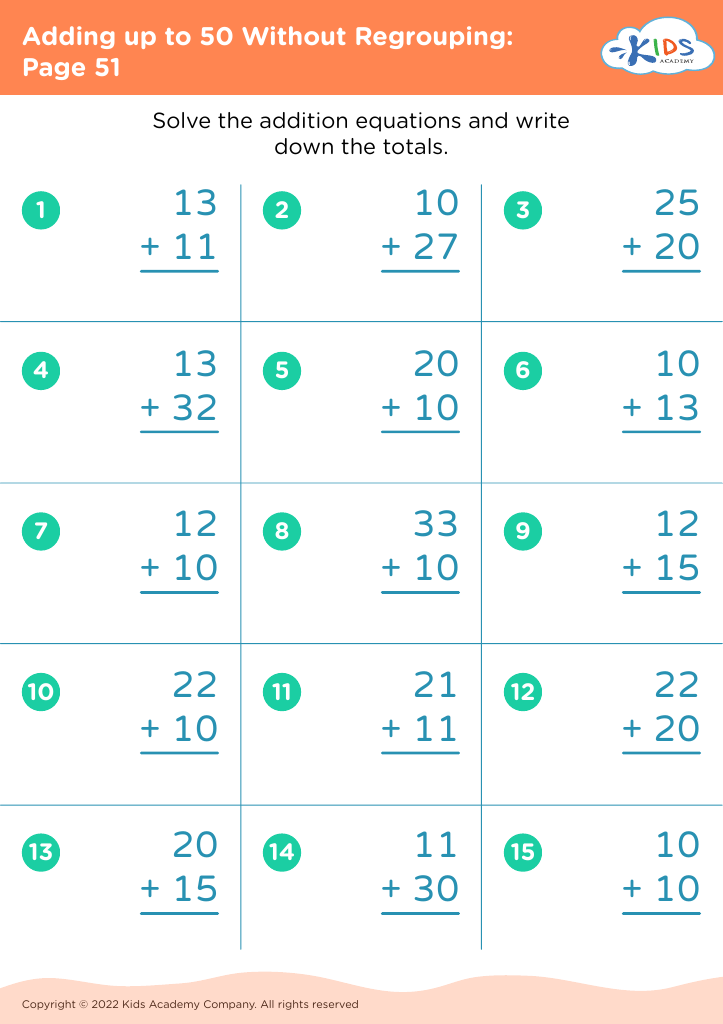








Identifying shapes and mastering addition and subtraction are crucial foundational skills in early childhood education that serve multiple vital purposes. First, recognizing shapes helps children understand geometry, paving the way for spatial reasoning and critical thinking. This skill enhances their ability to organize information and solve problems across various subjects, not just math.
Additionally, addition and subtraction are the cornerstones of mathematical understanding. These operations teach children how to manipulate numbers and lay the groundwork for more complex mathematical concepts. As children learn to add and subtract, they develop logic and reasoning skills that are essential for everyday decision-making.
Moreover, both shape identification and arithmetic enrich a child’s cognitive and language development. Parents and teachers can create a supportive environment through interactive activities, fostering engagement and motivation. When children link shapes and numbers to real-world situations—like counting toys or recognizing geometric patterns in nature—they internalize these concepts, making learning both enjoyable and practical.
By prioritizing these foundational skills, parents and educators can ensure that children build confidence and competence in math, setting the stage for future academic success and a positive attitude toward learning. Ultimately, these skills contribute to a well-rounded education and prepare children for the challenges ahead.








