Improve number recognition Addition & Subtraction Worksheets
15 filtered results
-
From - To
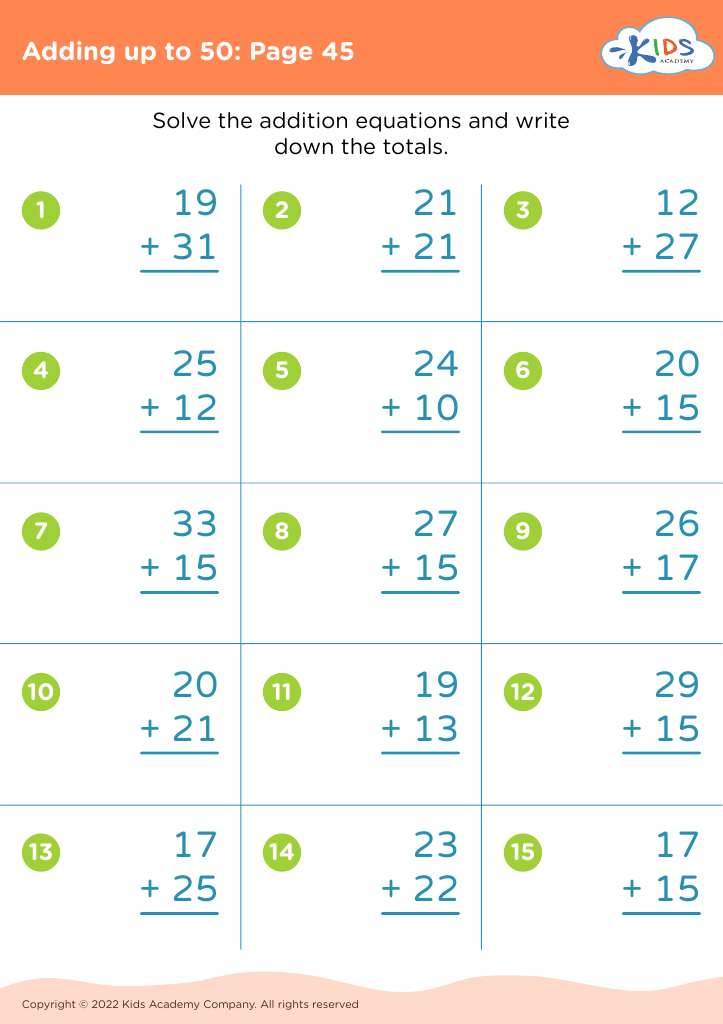
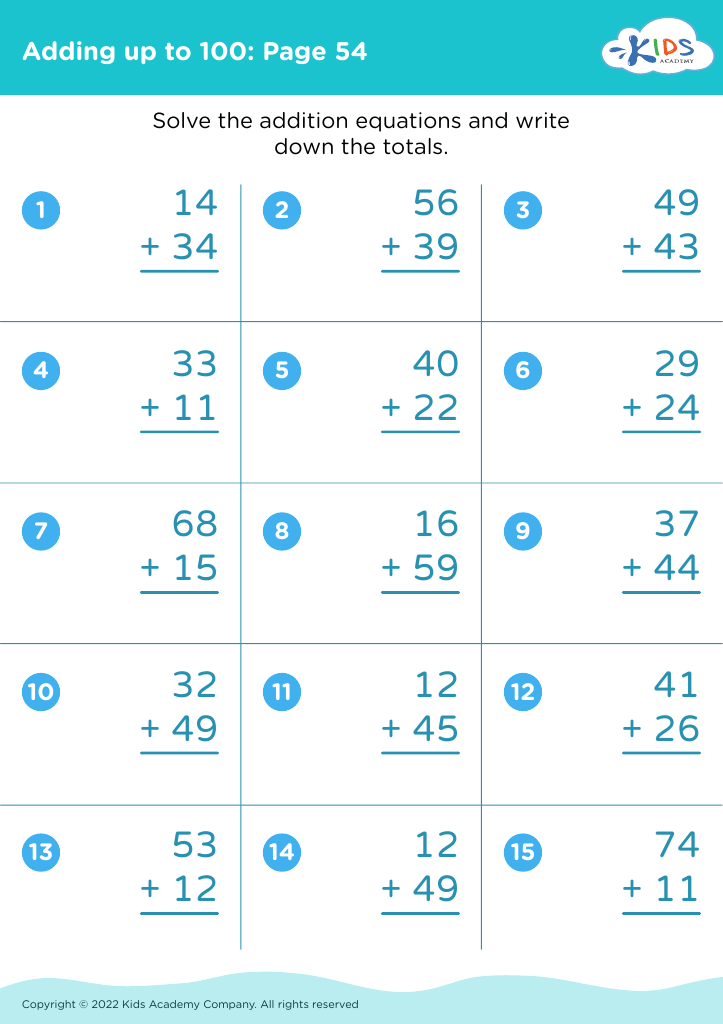
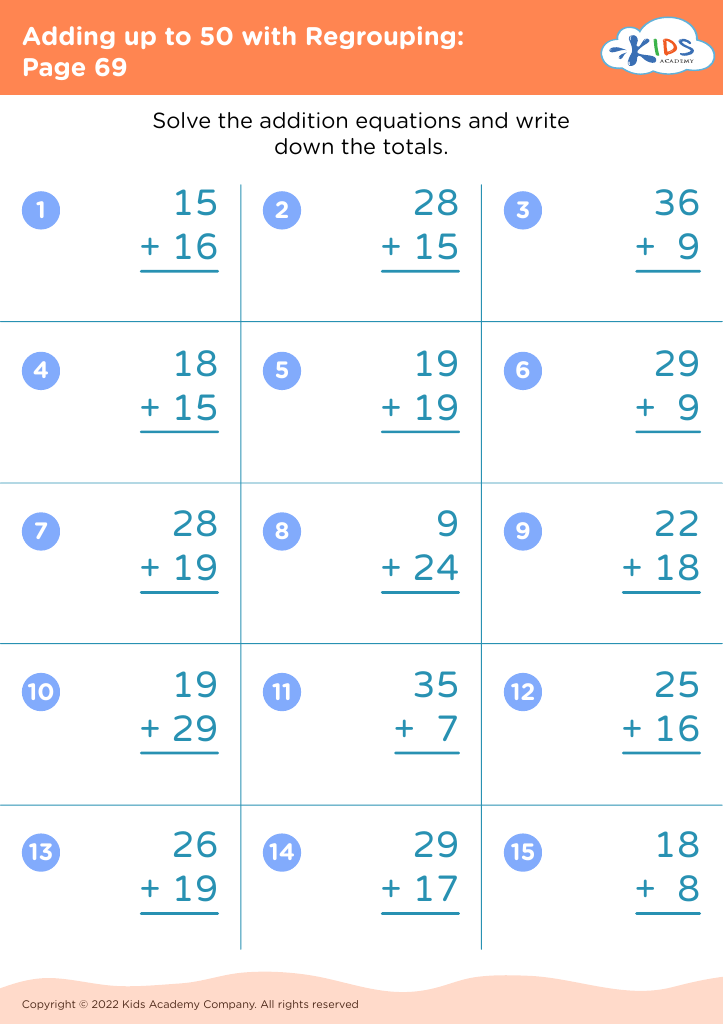
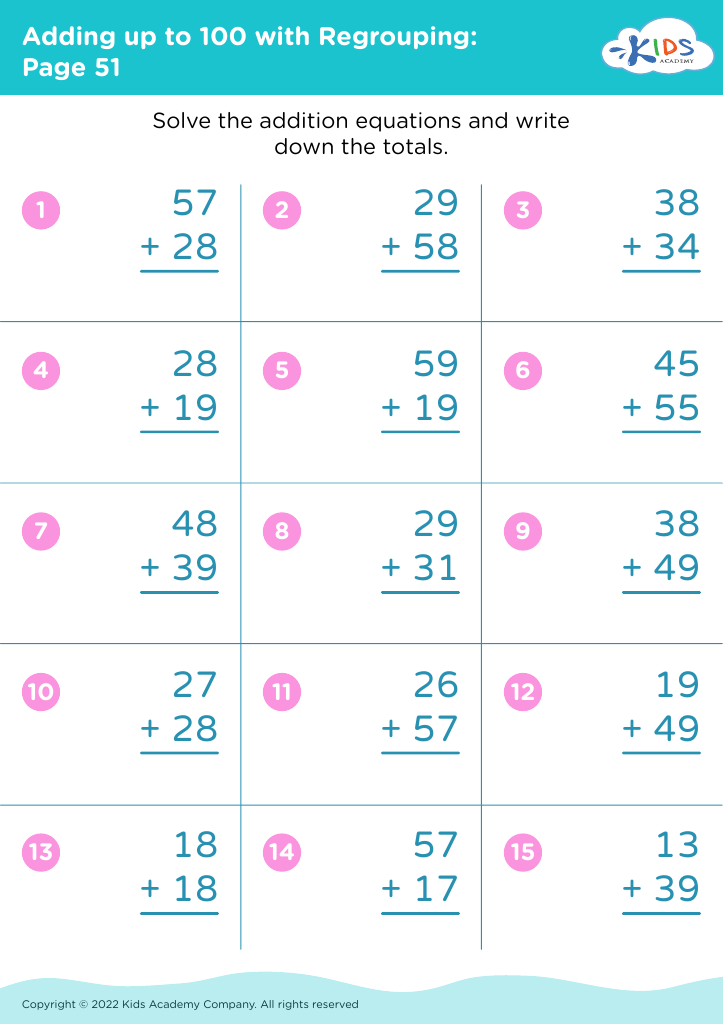
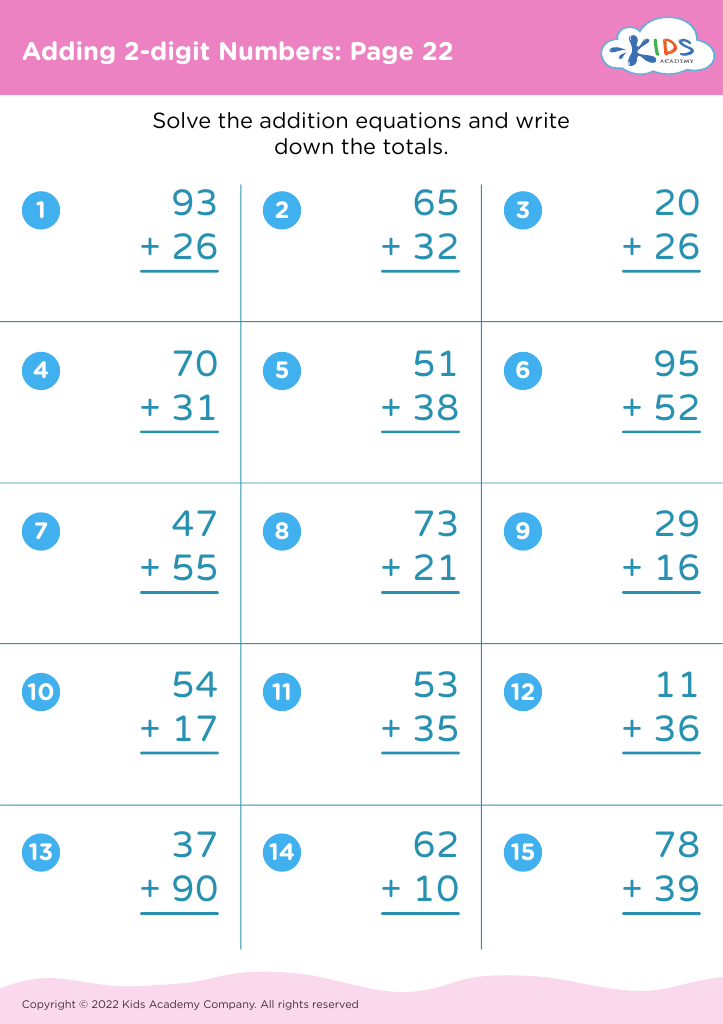
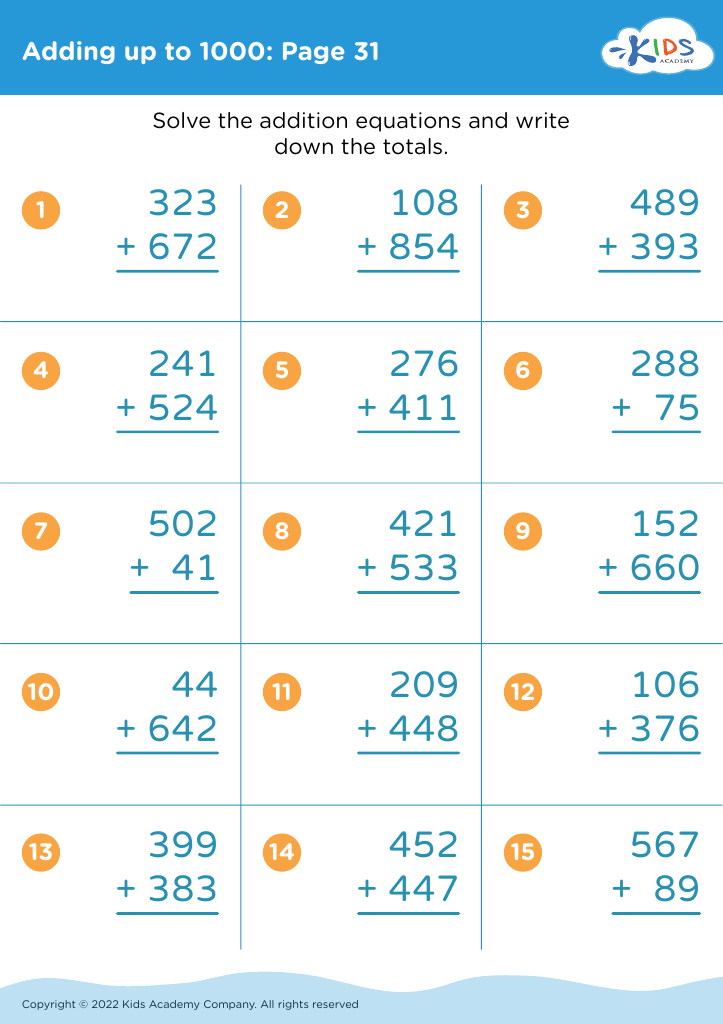
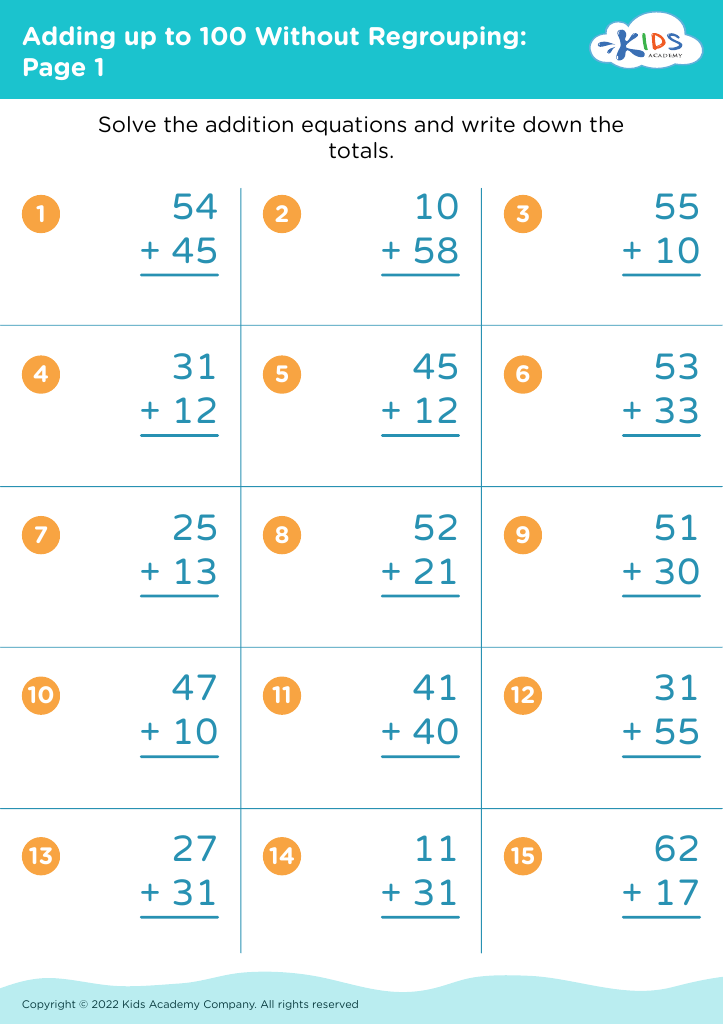
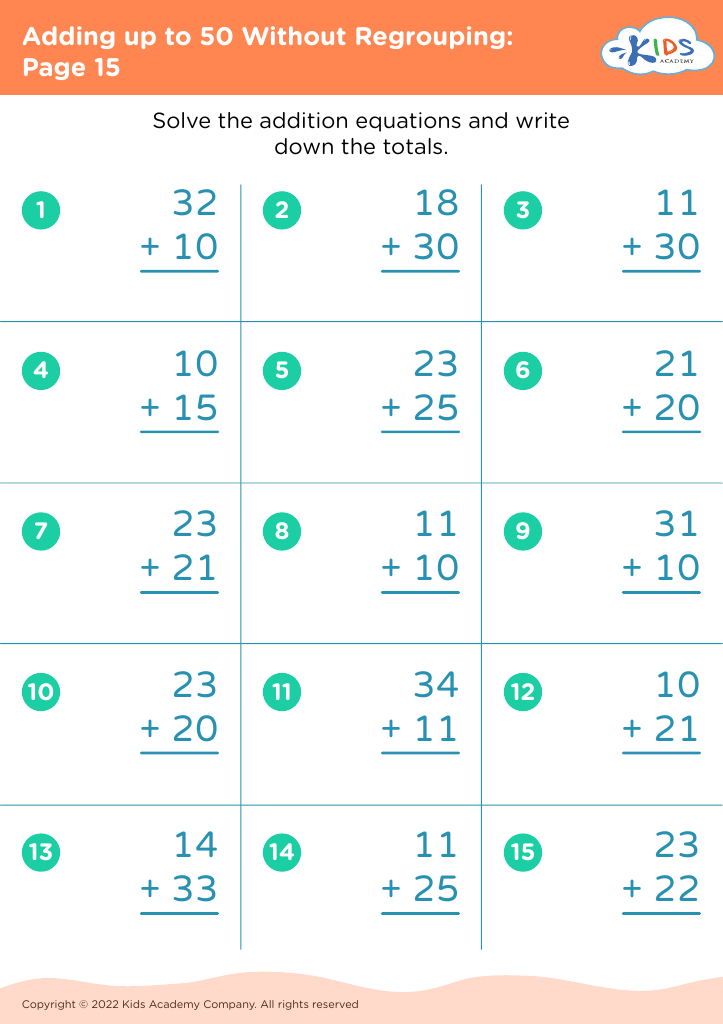
Enhance your child’s math skills with our "Improve Number Recognition: Addition & Subtraction Worksheets." These engaging and educational worksheets are designed to help young learners master number recognition while practicing essential addition and subtraction skills. Featuring a variety of fun activities and colorful illustrations, our worksheets make learning enjoyable and effective. Ideal for preschoolers and early grade students, these resources support cognitive development and build a solid foundation in mathematics. Boost your child's confidence and proficiency in math by incorporating these high-quality printable worksheets into their daily routine. Transform learning into an exciting adventure with Kids Academy!
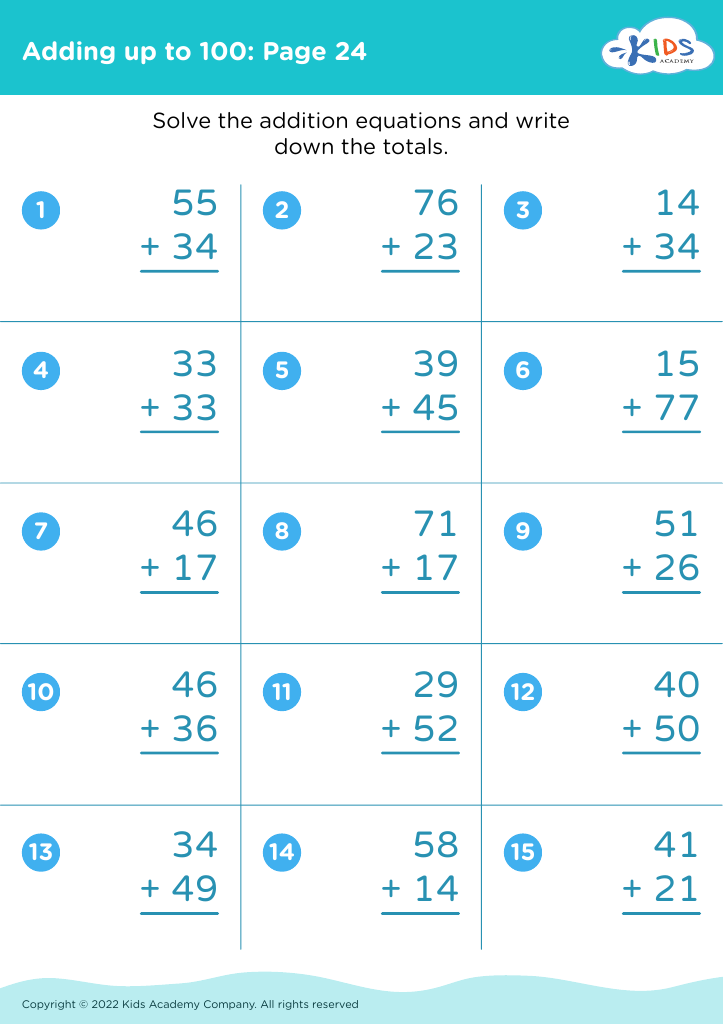
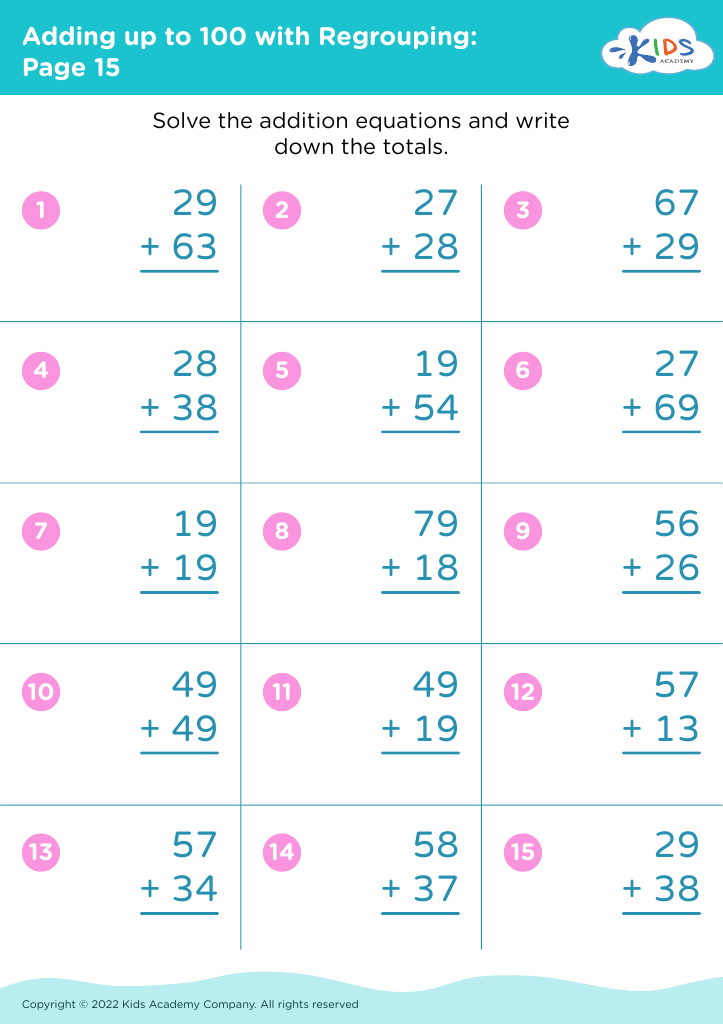
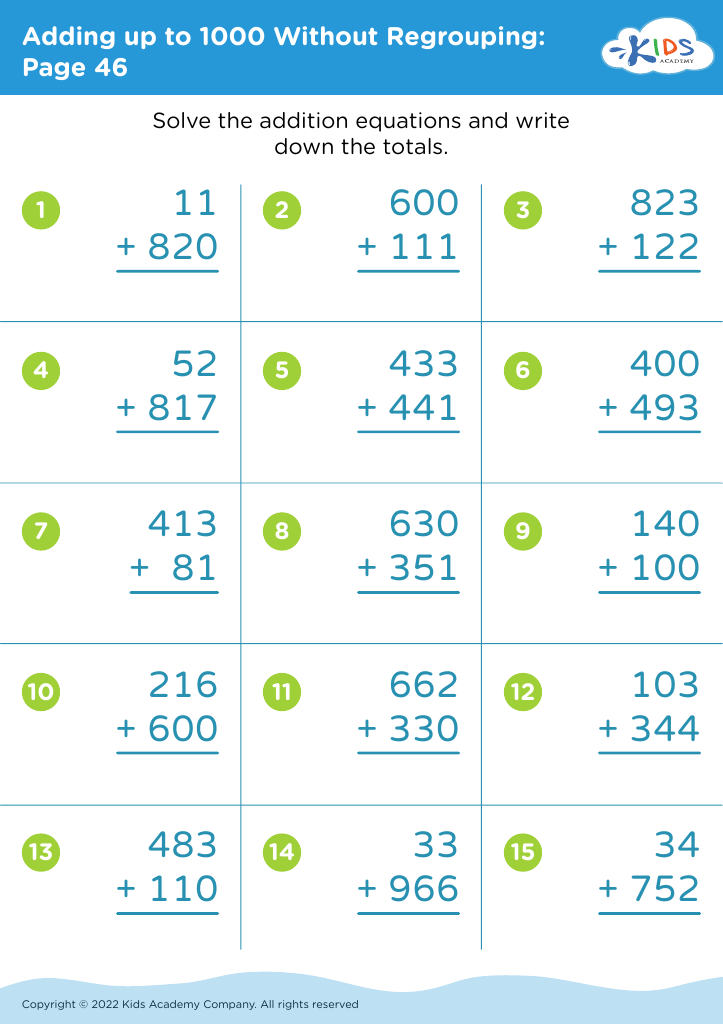
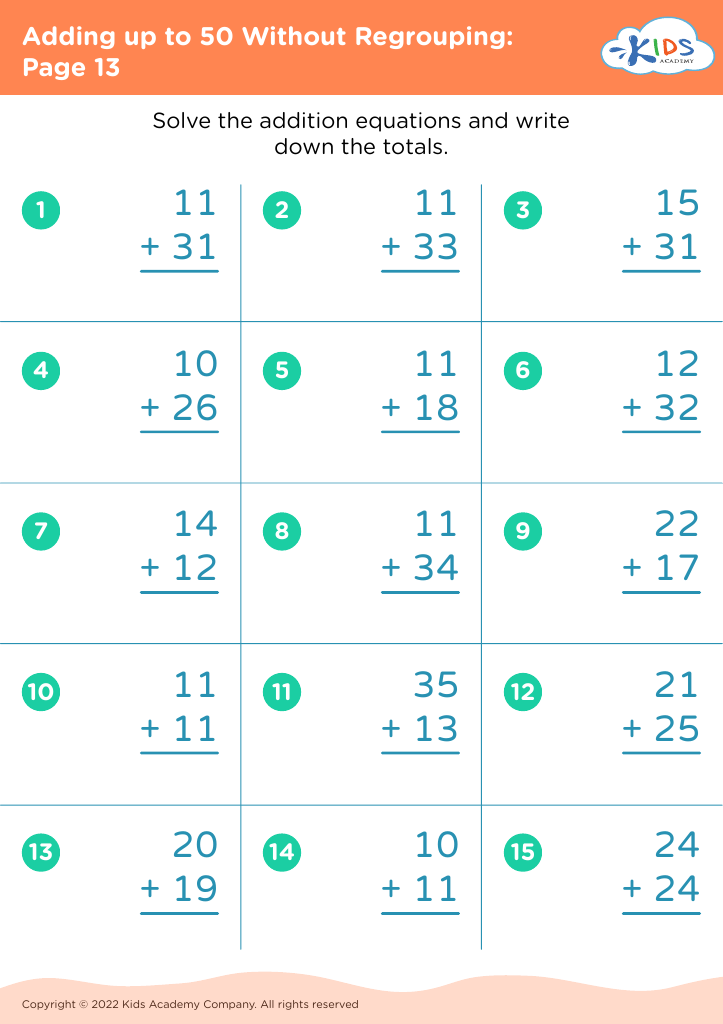
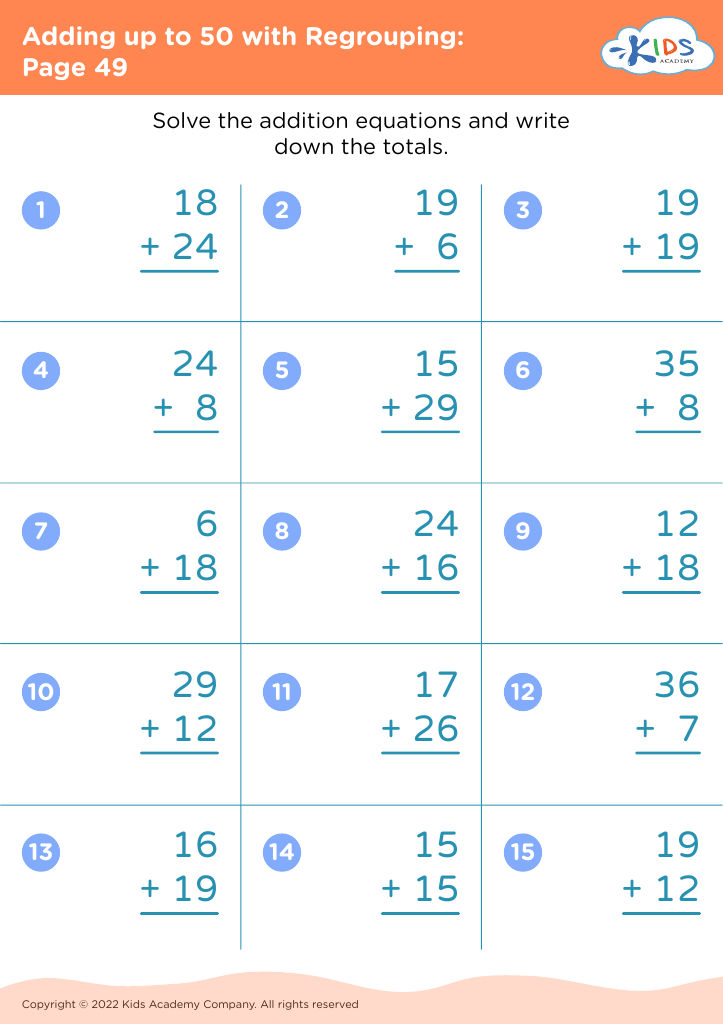
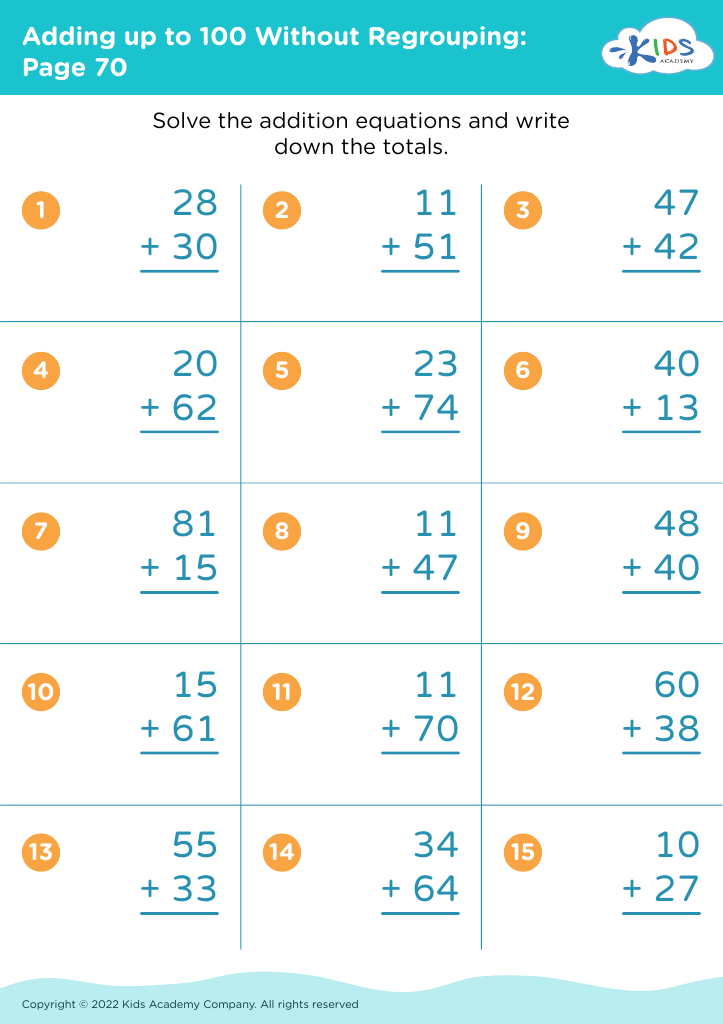
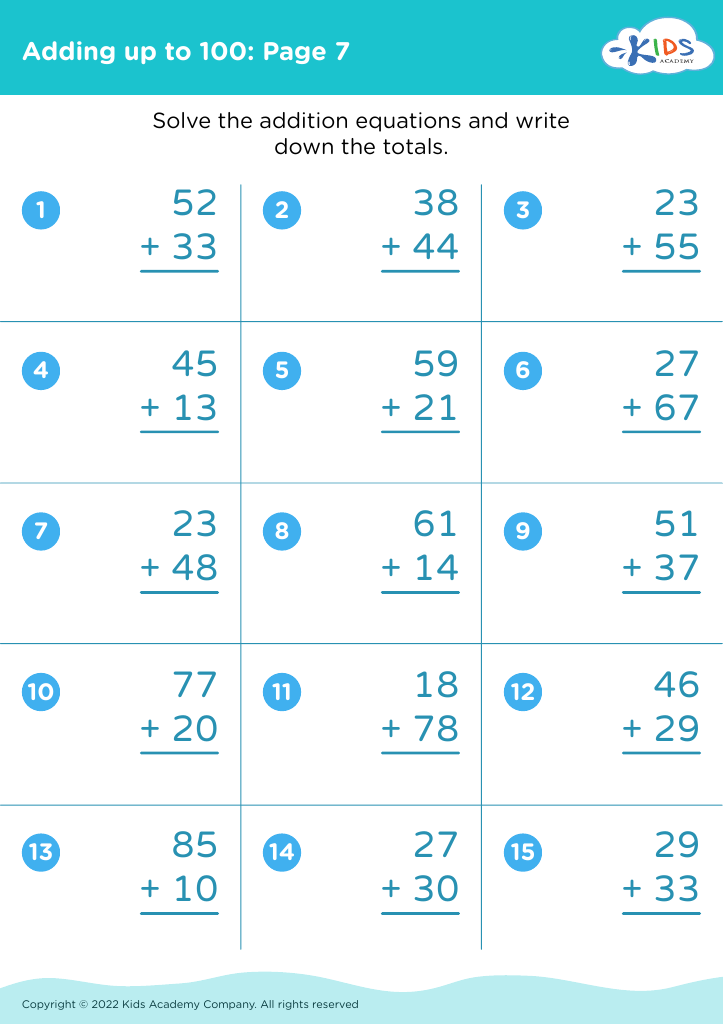








Number recognition and proficiency in basic arithmetic operations such as addition and subtraction form the cornerstone of early mathematical education. Parents and teachers should prioritize these foundational skills because they are essential for a child's overall cognitive development and future academic success. Recognizing numbers is a vital skill that enables children to understand and interact with the world around them, including reading clocks, identifying prices, and following recipes.
Proficiency in addition and subtraction paves the way for more advanced mathematical concepts and problem-solving abilities. These skills encourage logical thinking and help children develop strategies for tackling everyday challenges. Moreover, confidence in manipulating numbers fosters a positive attitude toward learning and academic pursuits, which is crucial for sustaining motivation and engagement in school.
Incorporating engaging and enjoyable activities can make the learning process enjoyable, turning potentially stressful lessons into playful experiences that reinforce these essential skills. This early intervention by parents and teachers lays a strong foundation for future academic achievements, helping children develop a lifelong appreciation for math and its applications in daily life. By investing time and attention into improving number recognition and arithmetic skills, parents and teachers equip children with the tools they need to thrive academically and beyond.








