Learn new vocabulary Addition & Subtraction Worksheets
4 filtered results
-
From - To
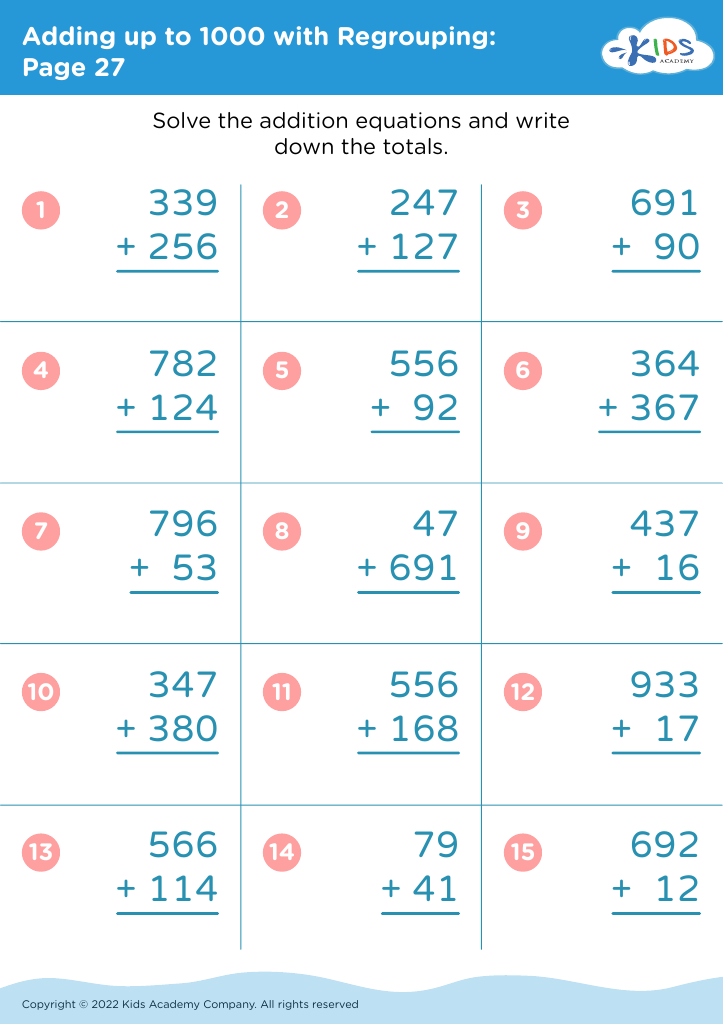
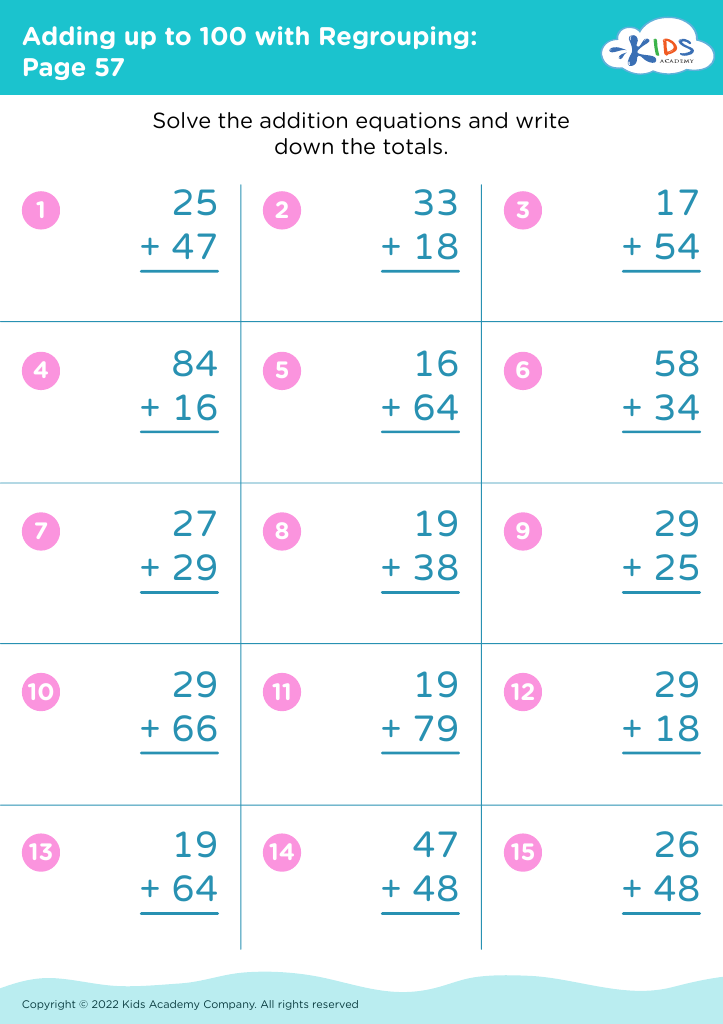
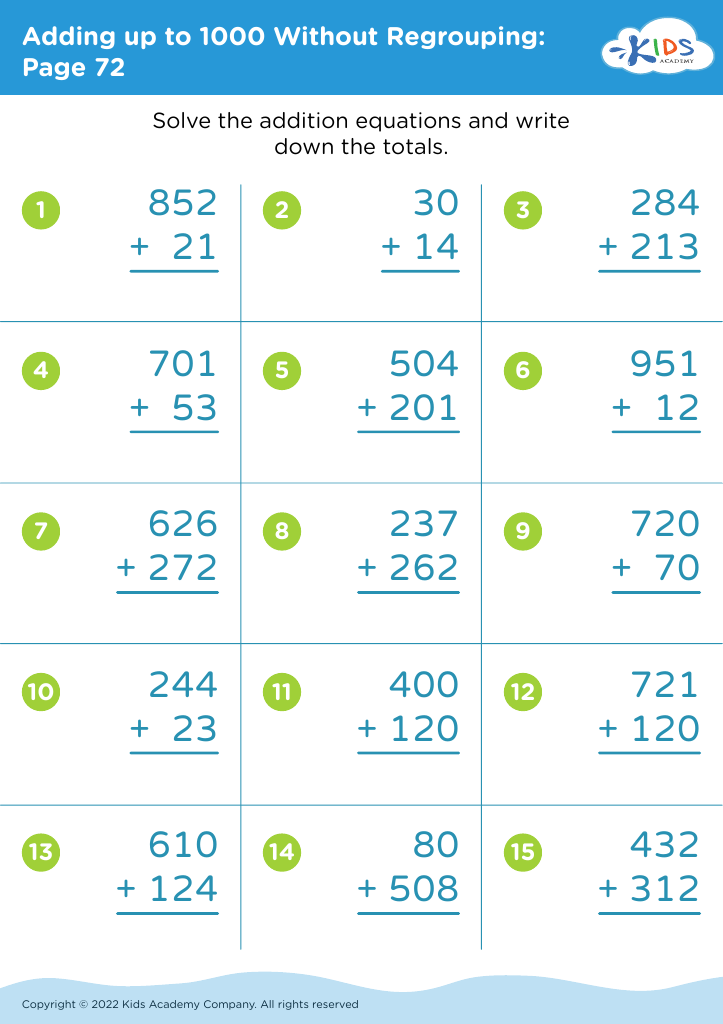
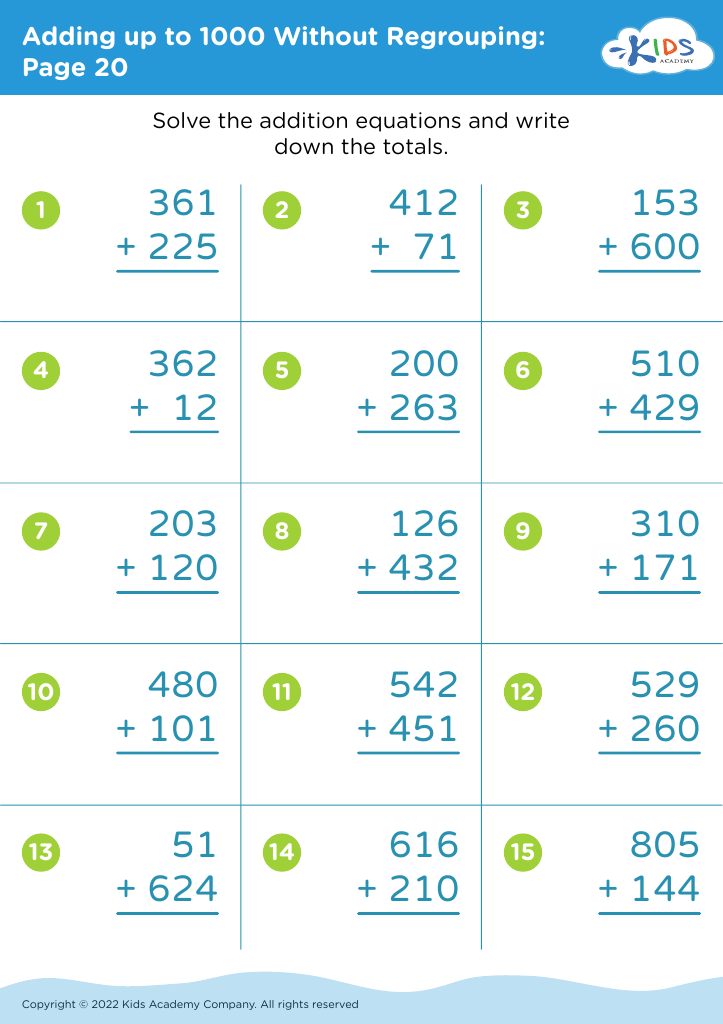
Enhance your child's mathematical journey with our "Learn New Vocabulary Addition & Subtraction Worksheets." Designed for early learners, these engaging worksheets introduce essential math vocabulary while reinforcing foundational skills in addition and subtraction. Each worksheet combines fun activities with clear definitions, ensuring students grasp key concepts like "sum," "difference," and "addend." Our resources encourage independent learning and help build confidence in young mathematicians. Perfect for classroom use or at-home practice, these worksheets promote critical thinking and language development, making math accessible and enjoyable for all. Empower your child’s learning experience today with our educational tools and watch their skills soar!








Parents and teachers should prioritize learning new vocabulary related to addition and subtraction for several reasons. First, a solid grasp of vocabulary helps children understand mathematical concepts more effectively. Terms such as "sum," "difference," "plus," and "minus" form the foundation upon which more complex mathematical operations are built. Familiarity with these terms enhances comprehension and promotes confidence in students as they tackle basic arithmetic tasks.
Secondly, mastering vocabulary fosters communication skills. When children can articulate their thought processes using correct terminology, they can better engage in discussions about math with peers and adults. This not only facilitates collaborative learning but also aids in the development of critical thinking skills.
Additionally, understanding the language of mathematics can help bridge gaps in learning disparities. Children who are equipped with relevant vocabulary are better prepared to understand instructions, ask questions, and solve problems in both classroom and real-life situations.
Finally, as math concepts build on each other, a strong vocabulary base ensures that students are ready for more intricate calculations in higher grades. Investing time and effort in vocabulary related to addition and subtraction ultimately supports children’s evolving mathematical abilities and sets the stage for future success.








