Pattern identification Addition & Subtraction Worksheets
4 filtered results
-
From - To
Boost your child’s math skills with our engaging Pattern Identification Addition & Subtraction Worksheets! Designed for early learners, these fun and interactive exercises help children recognize patterns while practicing their addition and subtraction techniques. Our carefully crafted worksheets cater to diverse learning styles, making math enjoyable and accessible. Each worksheet encourages critical thinking and problem-solving skills, paving the way for a solid mathematical foundation. Ideal for classroom or home use, these resources are perfect for reinforcing concepts through repetition and variety. Help your child develop confidence in their math abilities – explore our collection of worksheets and inspire a love for learning!
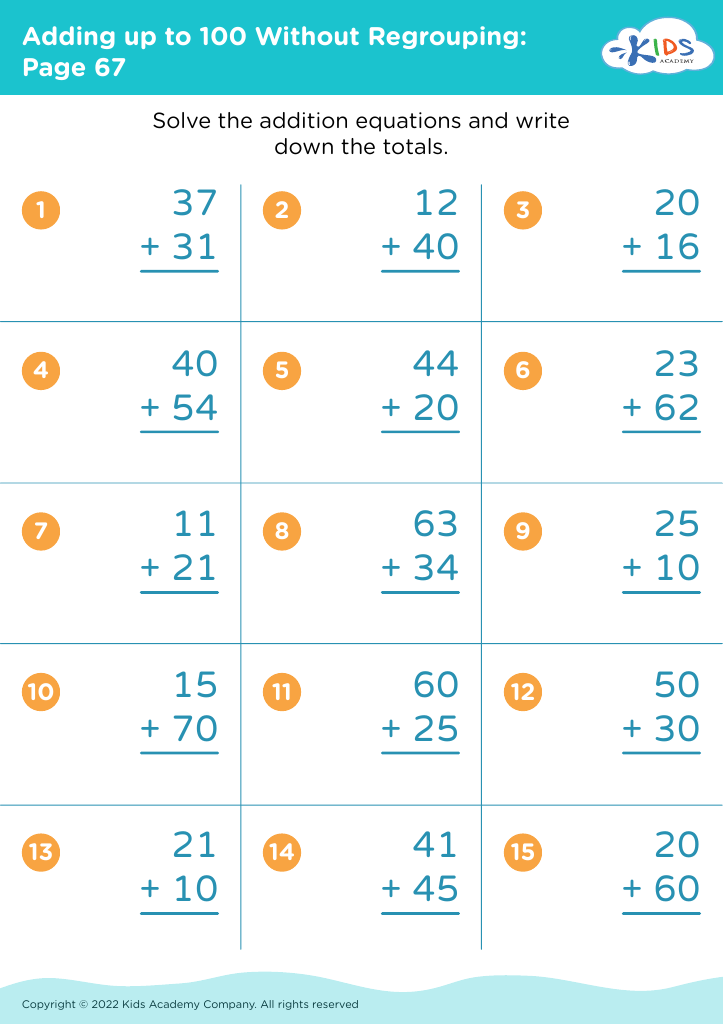
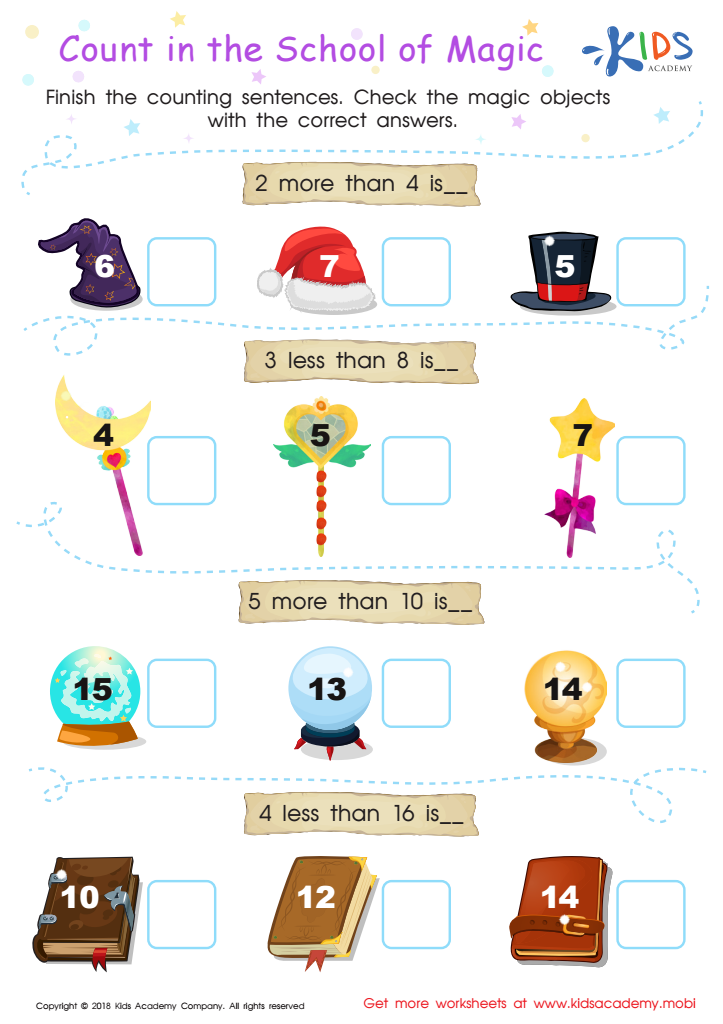
Count in the School of Magic Worksheet
 Assign to My Students
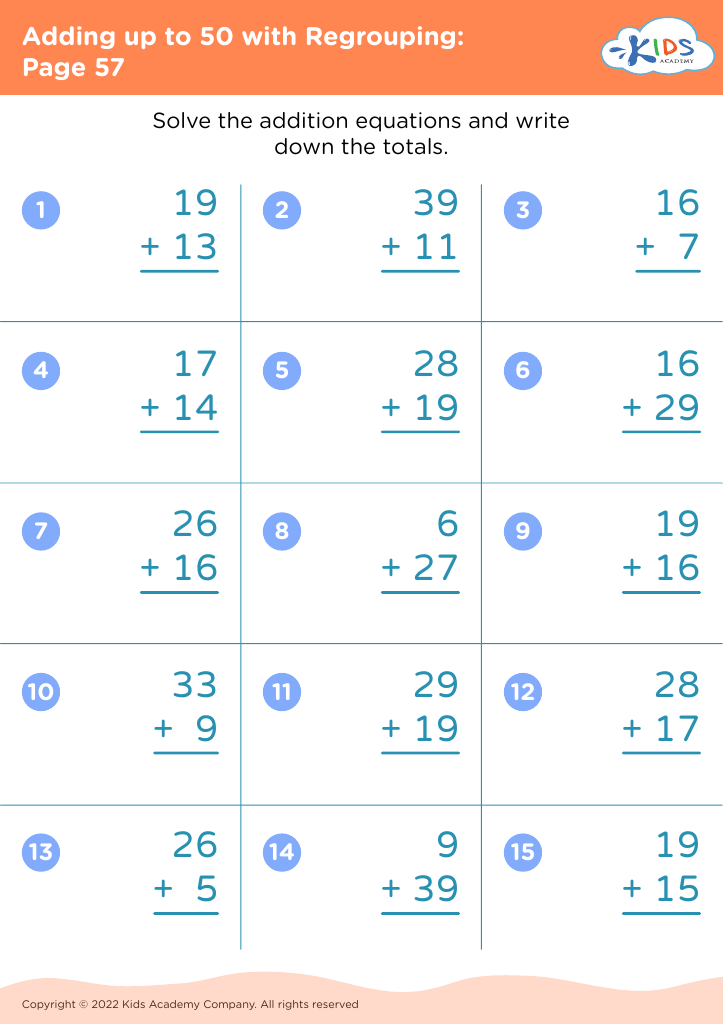
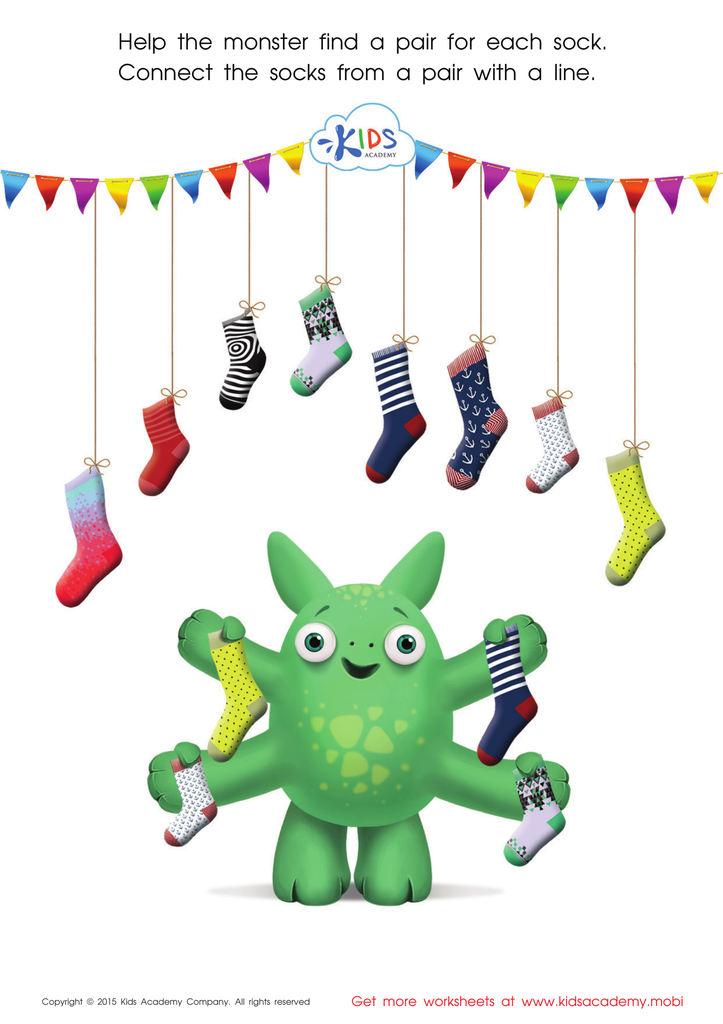
Math Matching Pairs Game: Monsterв's Socks Worksheet








Pattern identification in addition and subtraction is crucial for young learners, as it helps build a strong mathematical foundation. Understanding patterns enhances children’s ability to recognize relationships between numbers, making it easier to grasp more complex concepts later on. When parents and teachers emphasize pattern recognition, they foster students' problem-solving skills and encourage them to explore and identify underlying rules in mathematics.
Furthermore, pattern identification fosters critical thinking, creativity, and perseverance. By recognizing patterns, children learn to predict outcomes and detect errors in their computations, rather than relying solely on rote memorization. Additionally, it enables them to make connections across different areas of math and real-life situations, deepening their understanding and appreciation of mathematics as a whole.
Engaging learners in activities that highlight these patterns can also produce a more enjoyable and interactive learning experience. Parents and teachers can facilitate this by providing practical examples, games, and discussions around patterns.
Ultimately, nurturing pattern identification helps create confident, flexible thinkers capable of approaching arithmetic with enthusiasm. This foundational skill ultimately lays the groundwork for future academic success and encourages a lifelong love of learning in mathematics.








