Unlock your child's potential in mastering math with our "Simplifying Fractions Addition & Subtraction Worksheets." Designed for young learners, these engaging worksheets simplify the complex process of adding and subtracting fractions, making it easy and enjoyable. Packed with clear instructions, guided examples, and ample practice opportunities, our worksheets help students grasp essential concepts efficiently. Boost their confidence as they tackle fractions and improve their problem-solving skills. Perfect for both classroom and home use, these worksheets are a must-have resource for any child aiming to excel in math. Explore today and watch your child flourish in their math journey!
Check out this FREE Trial Lesson on Addition & Subtraction!

D

Favorites
With answer key
Interactive
  • Simplifying Fractions
  • Addition & Subtraction
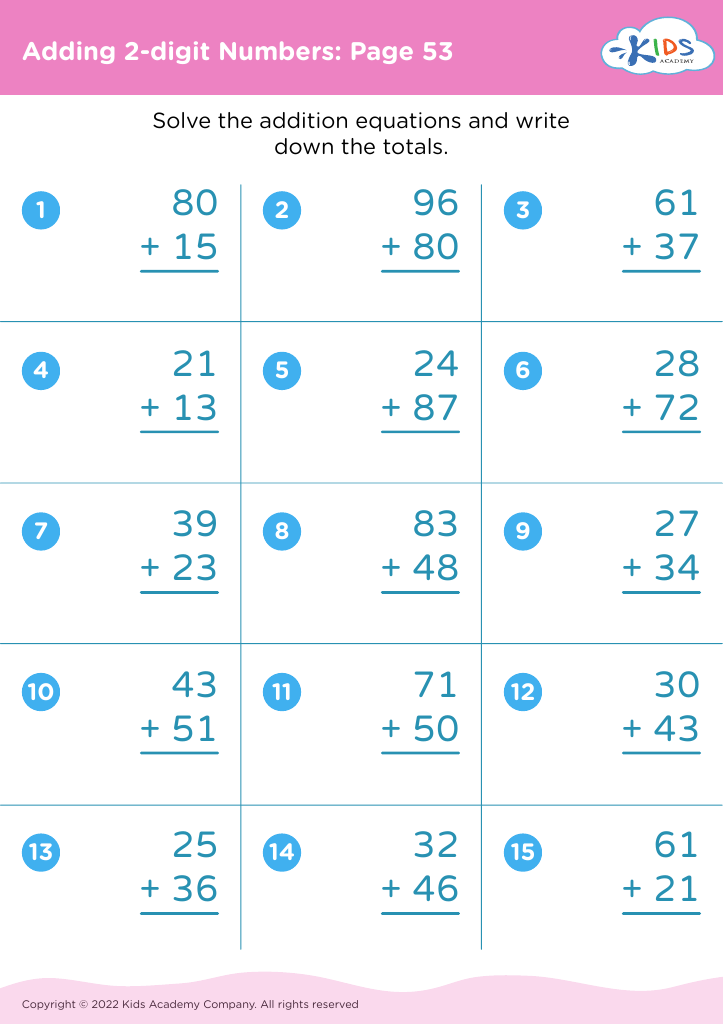
Adding 2-digit Numbers: Page 53

Adding 2-digit Numbers: Page 53

Adding 2-digit Numbers: Page 53
Worksheet
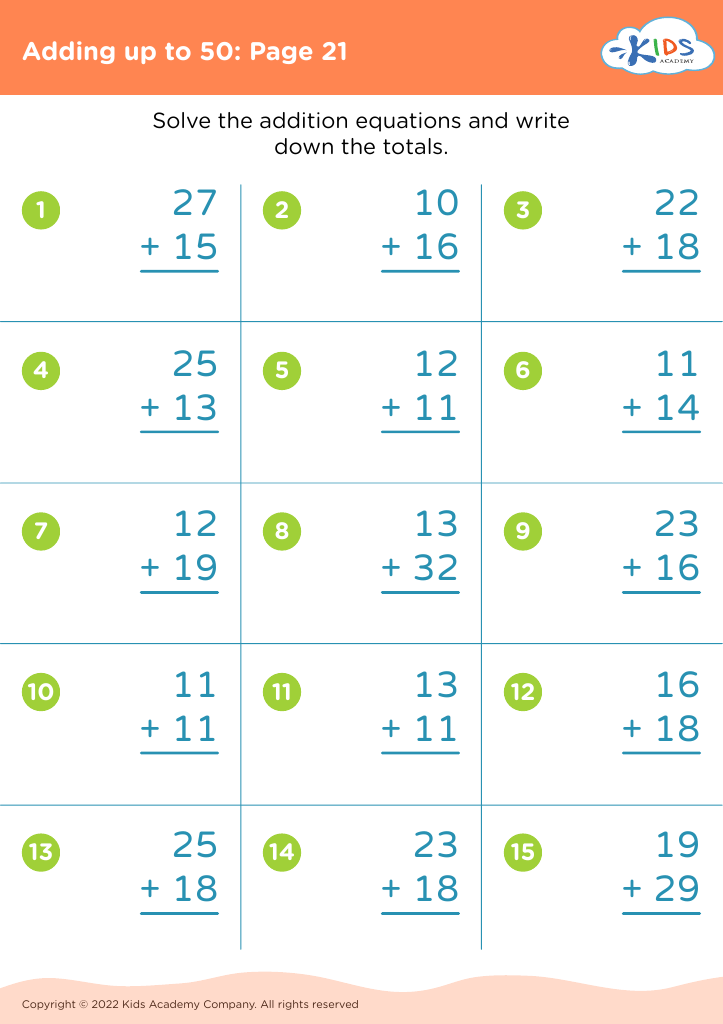
Adding up to 50: Page 21

Adding up to 50: Page 21

Adding up to 50: Page 21
Worksheet
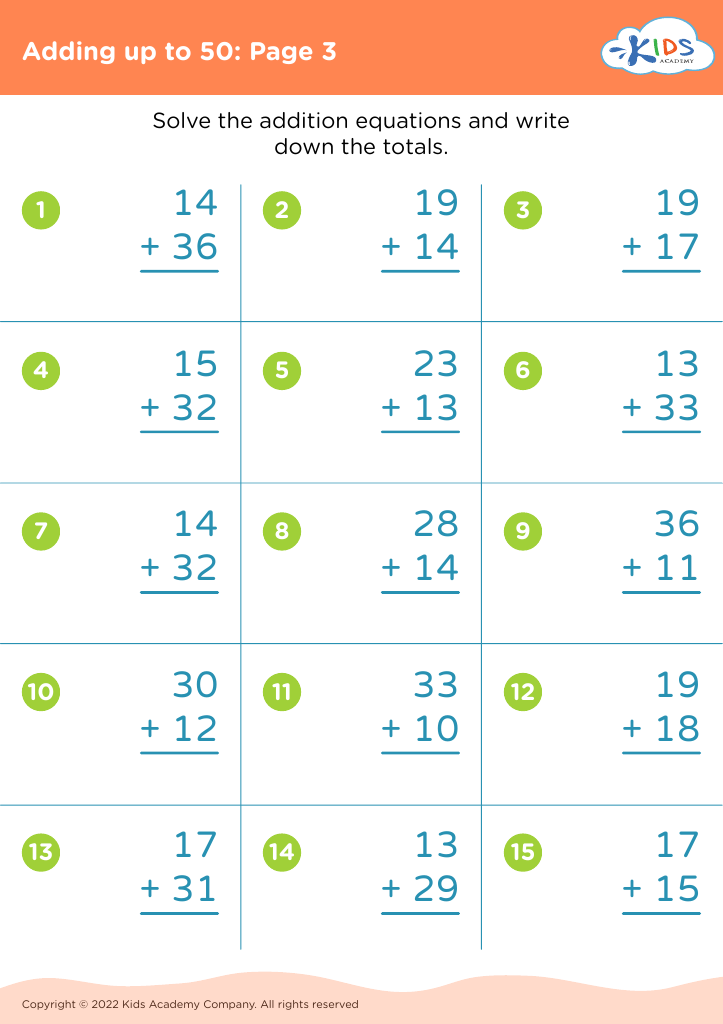
Adding up to 50: Page 3

Adding up to 50: Page 3

Adding up to 50: Page 3
Worksheet
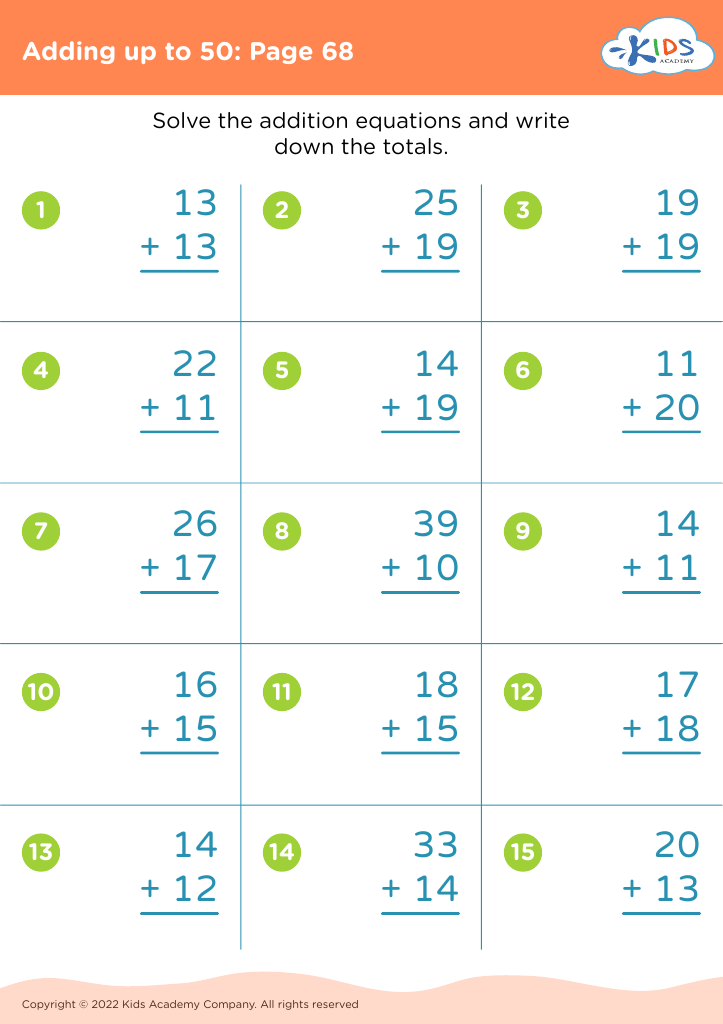
Adding up to 50: Page 68

Adding up to 50: Page 68

Adding up to 50: Page 68
Worksheet
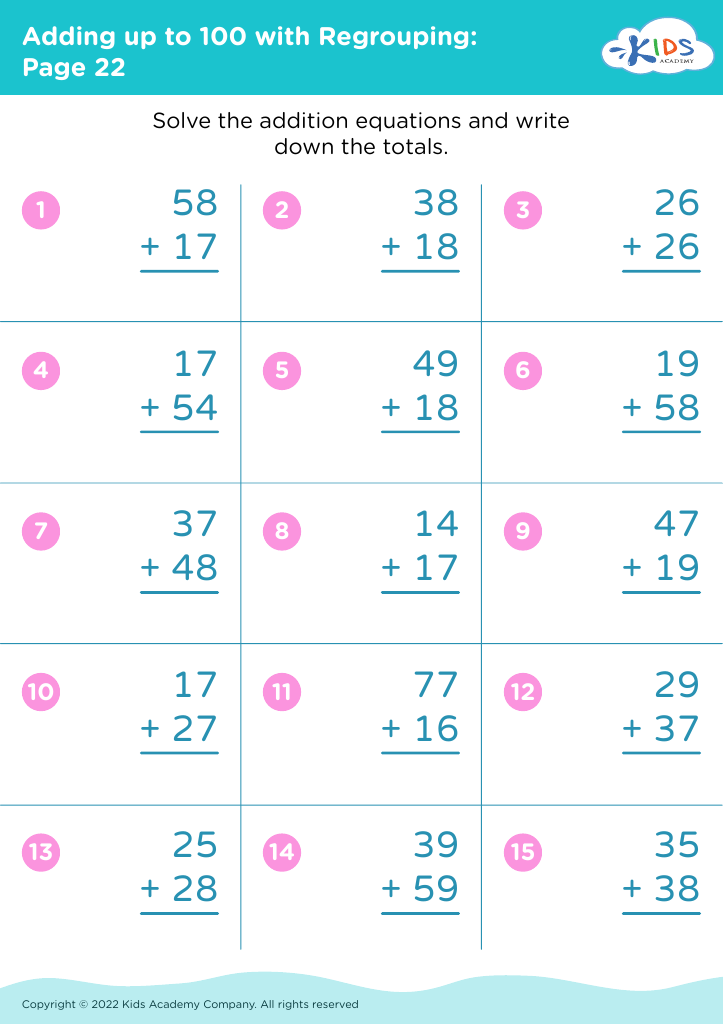
Adding up to 100 with Regrouping: Page 22
Worksheet
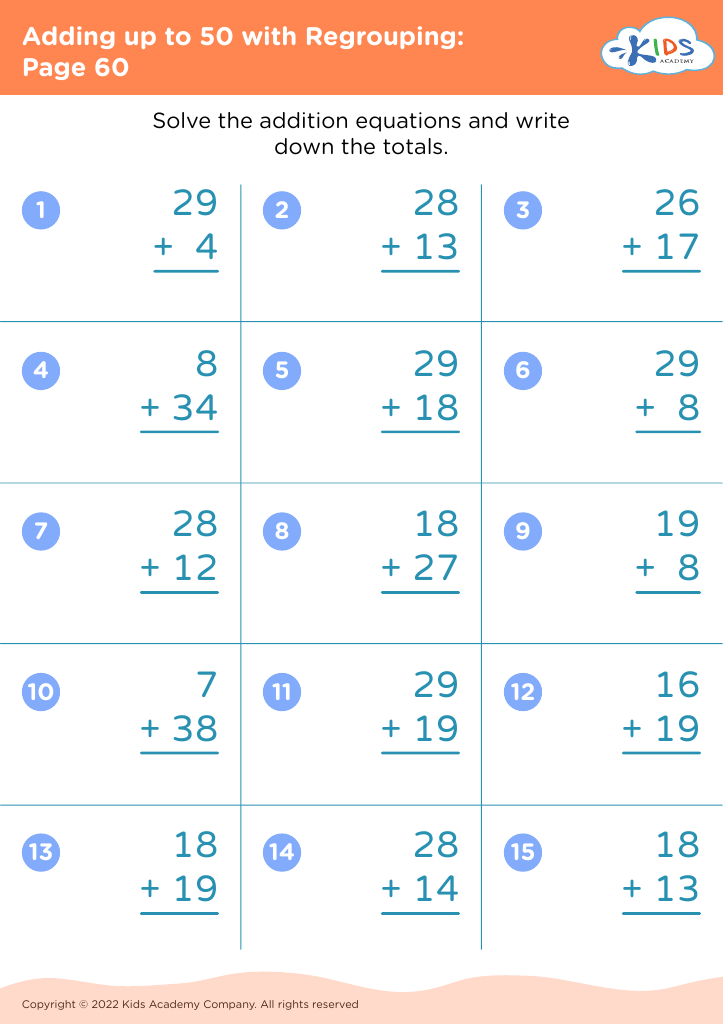
Adding up to 50 with Regrouping: Page 60
Worksheet
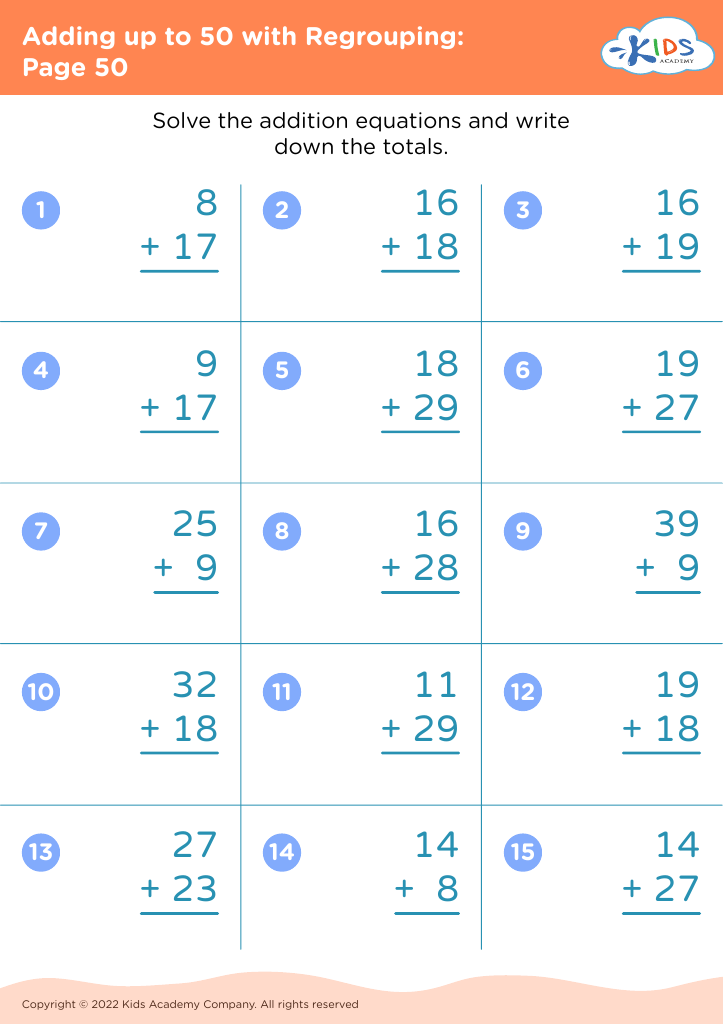
Adding up to 50 with Regrouping: Page 50
Worksheet
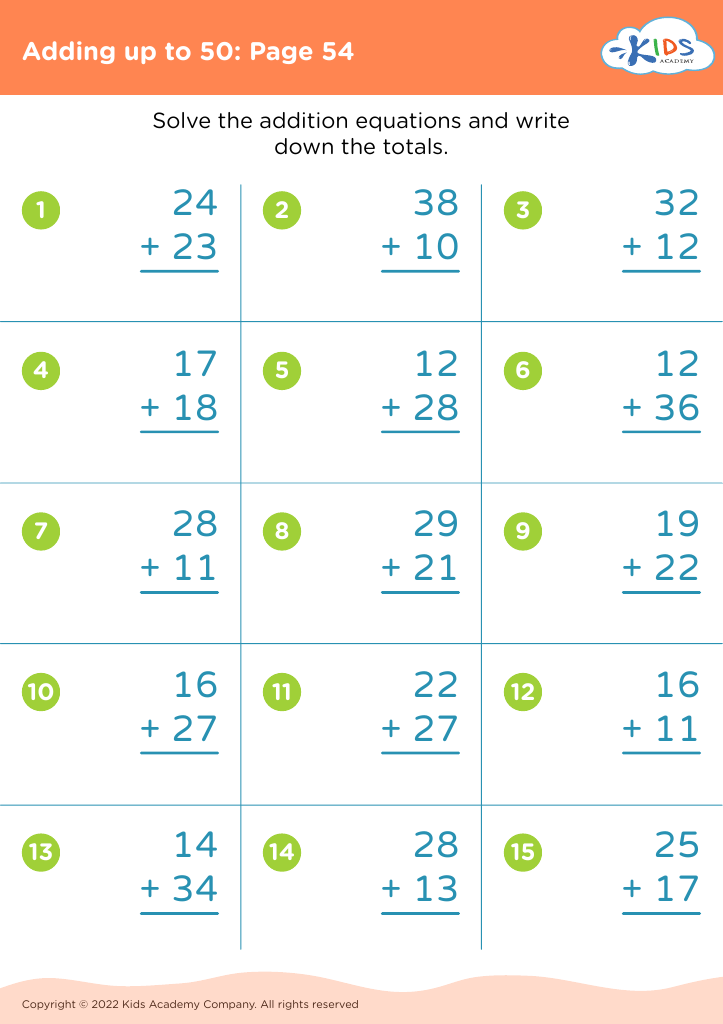
Adding up to 50: Page 54

Adding up to 50: Page 54

Adding up to 50: Page 54
Worksheet
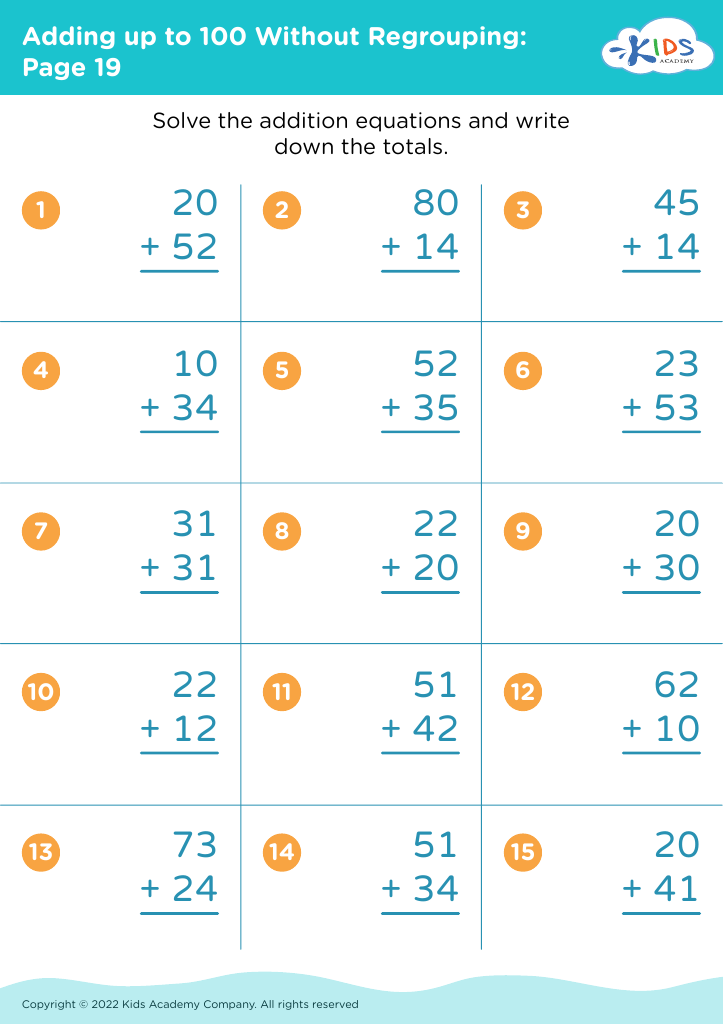
Adding up to 100 Without Regrouping: Page 19
Worksheet
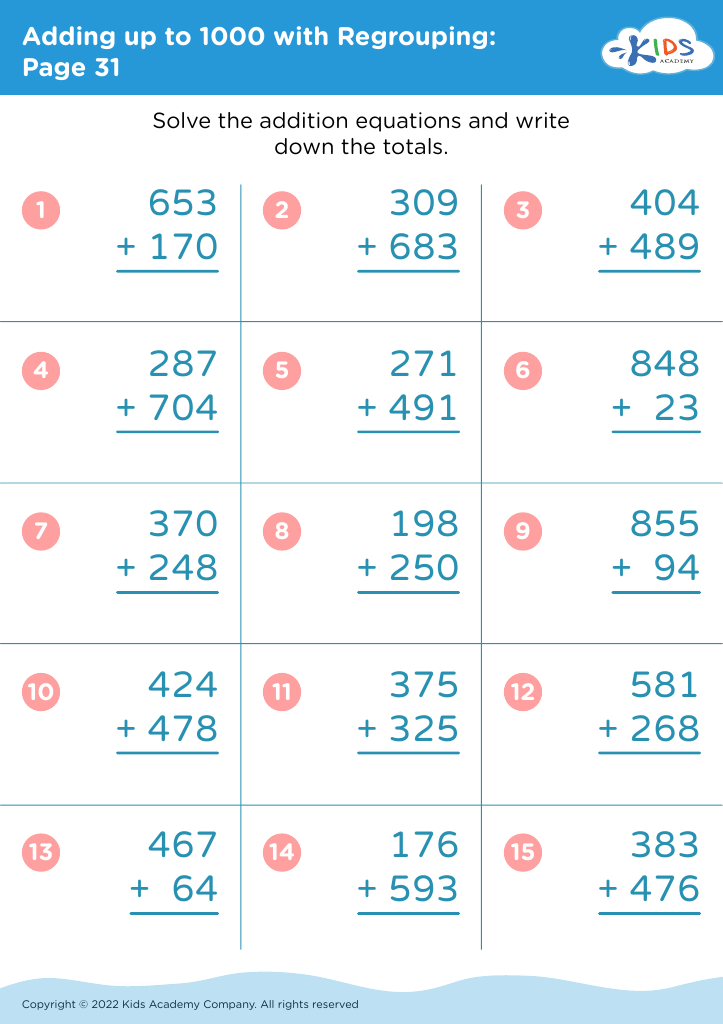
Adding up to 1000 with Regrouping: Page 31
Worksheet
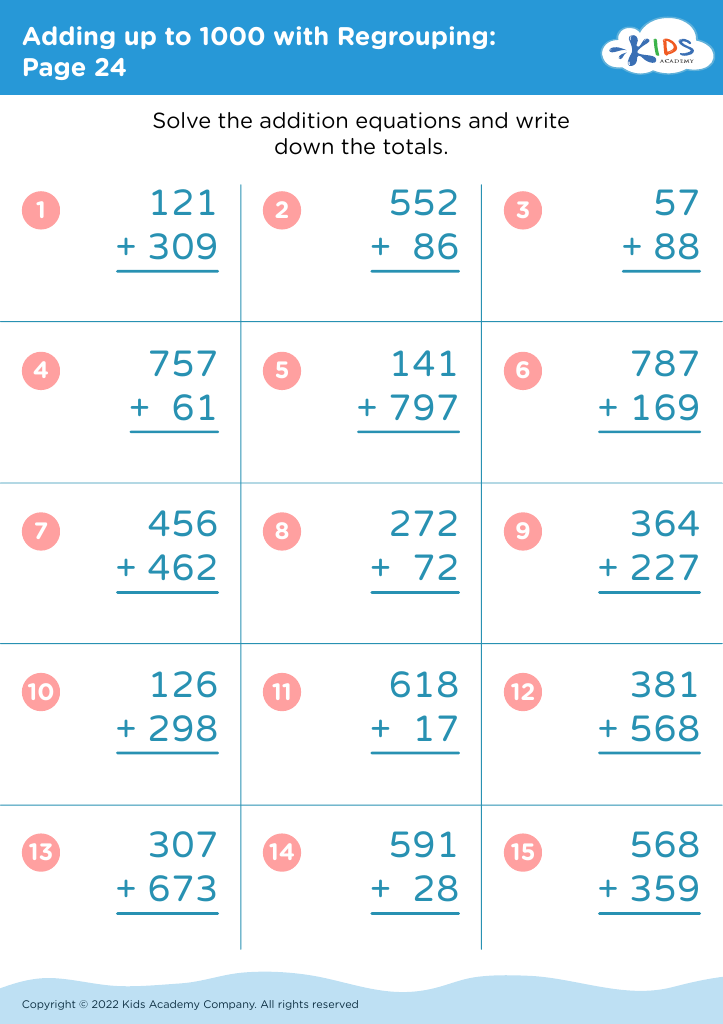
Adding up to 1000 with Regrouping: Page 24
Worksheet
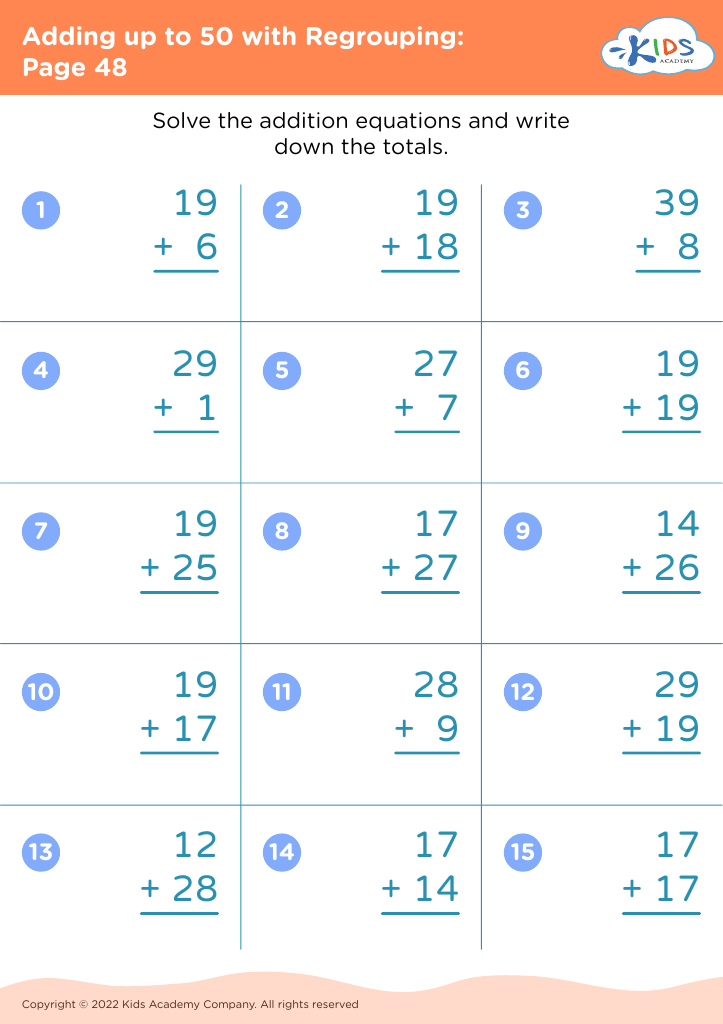
Adding up to 50 with Regrouping: Page 48
Worksheet
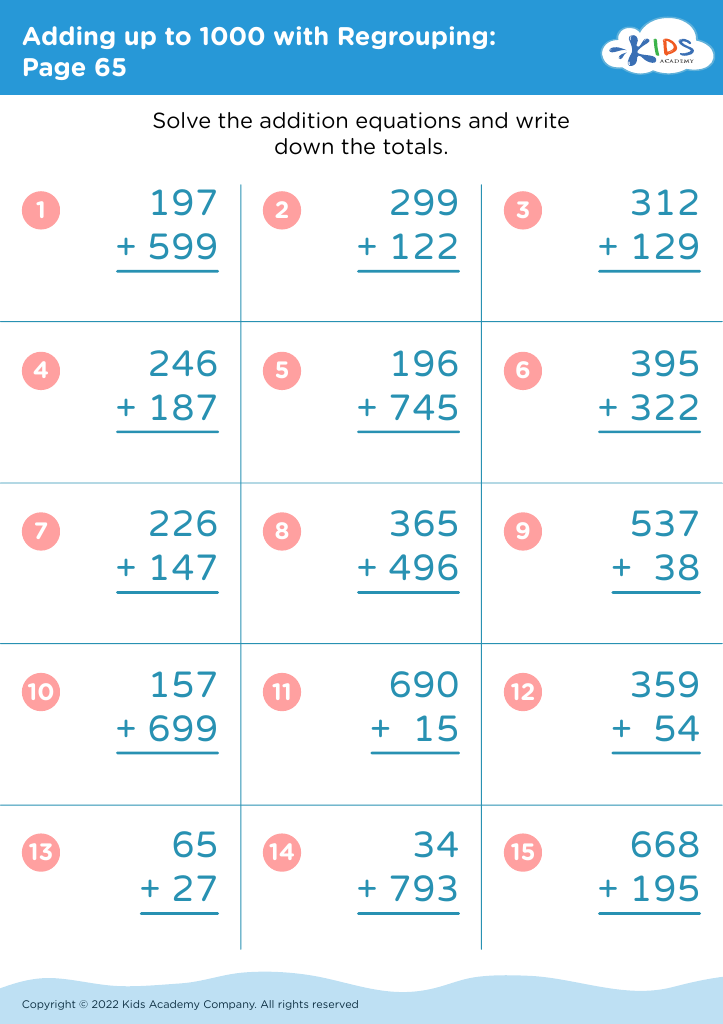
Adding up to 1000 with Regrouping: Page 65
Worksheet
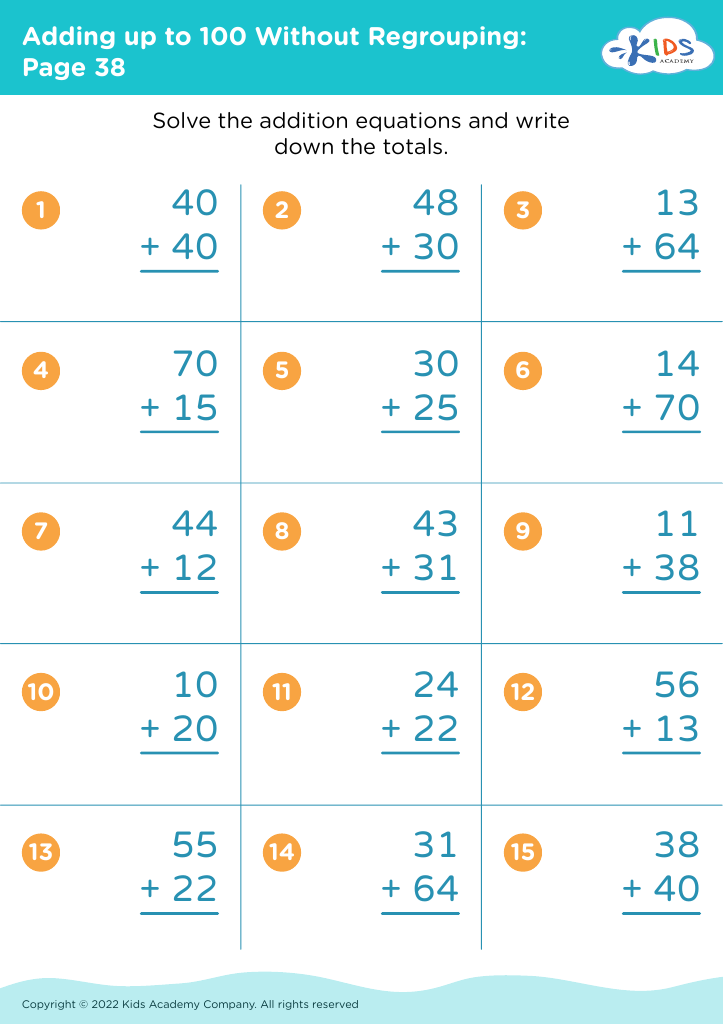
Adding up to 100 Without Regrouping: Page 38
Worksheet
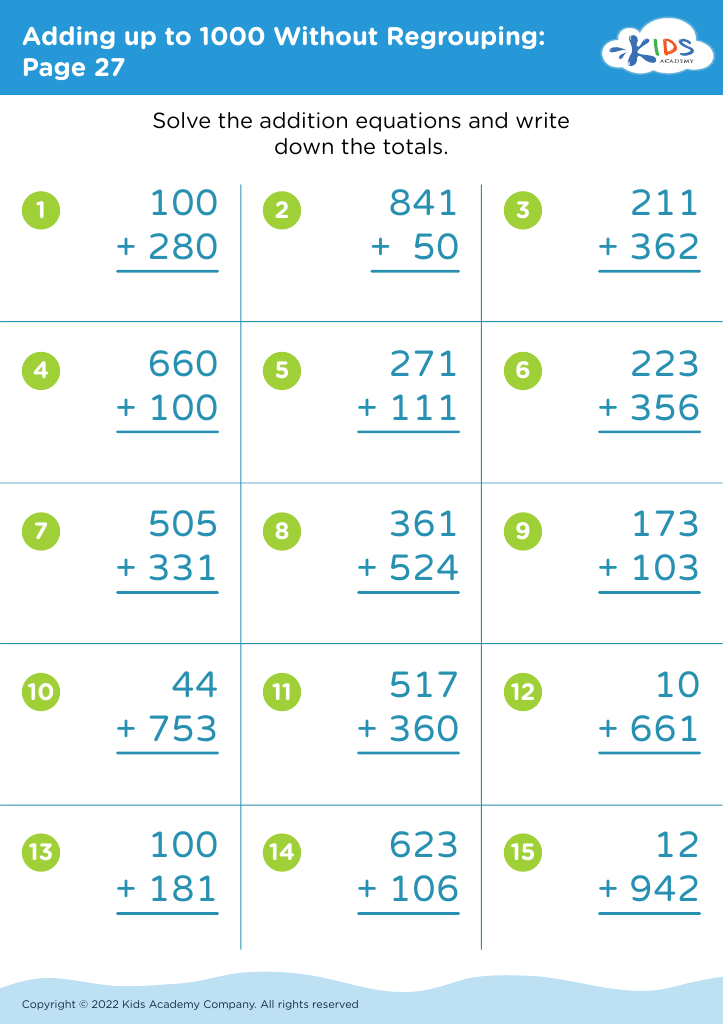
Adding up to 1000 Without Regrouping: Page 27
Worksheet
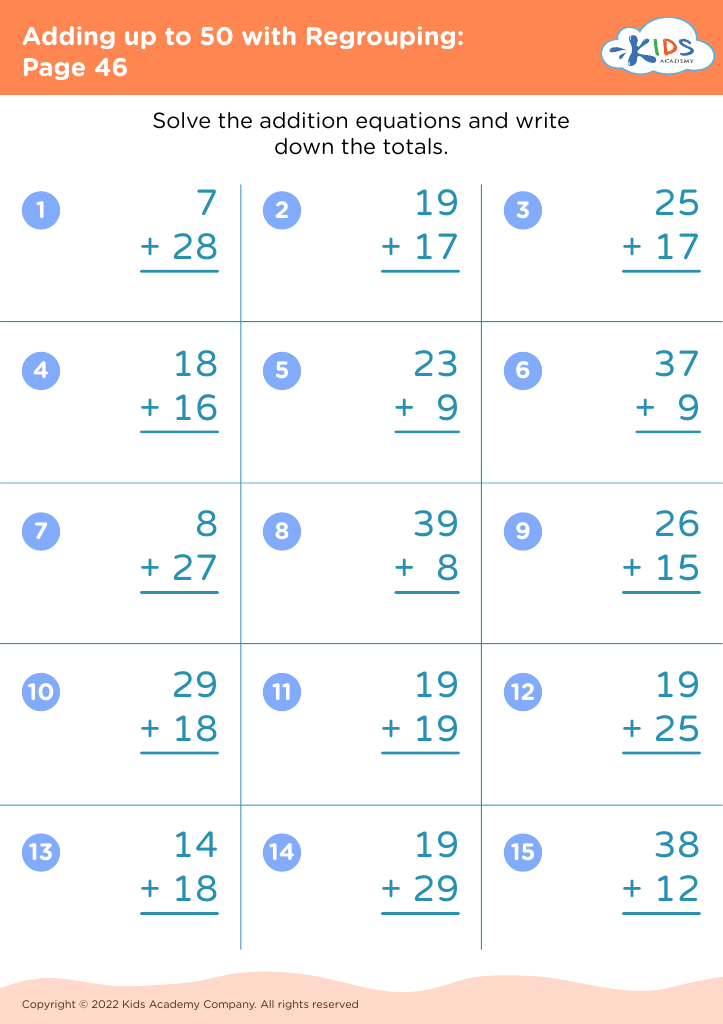
Adding up to 50 with Regrouping: Page 46
Worksheet
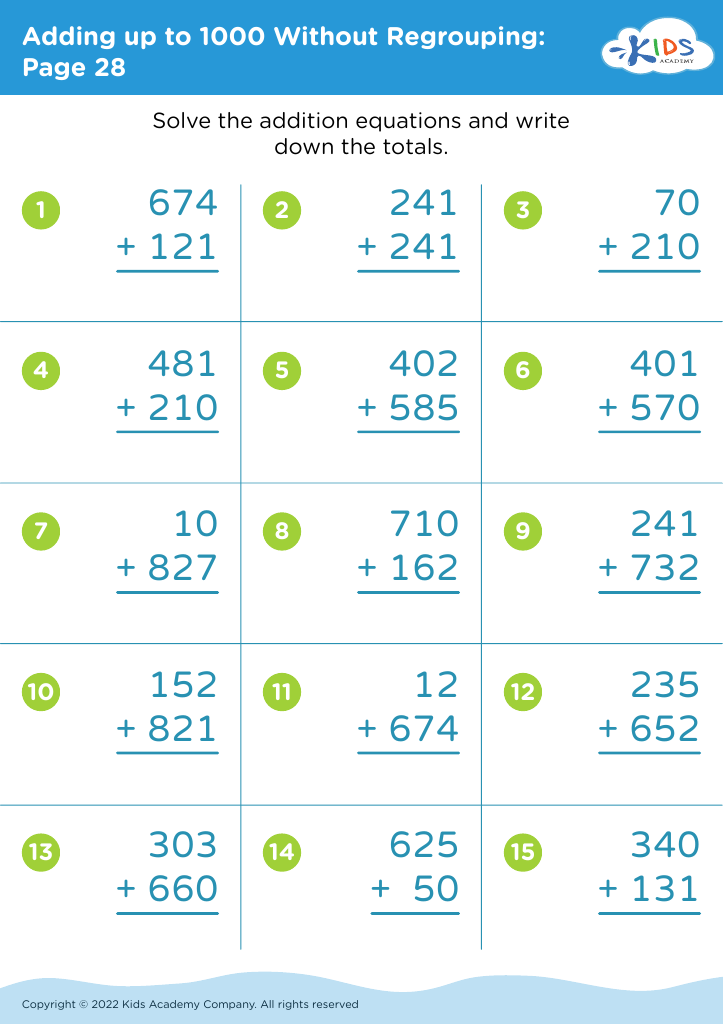
Adding up to 1000 Without Regrouping: Page 28
Worksheet
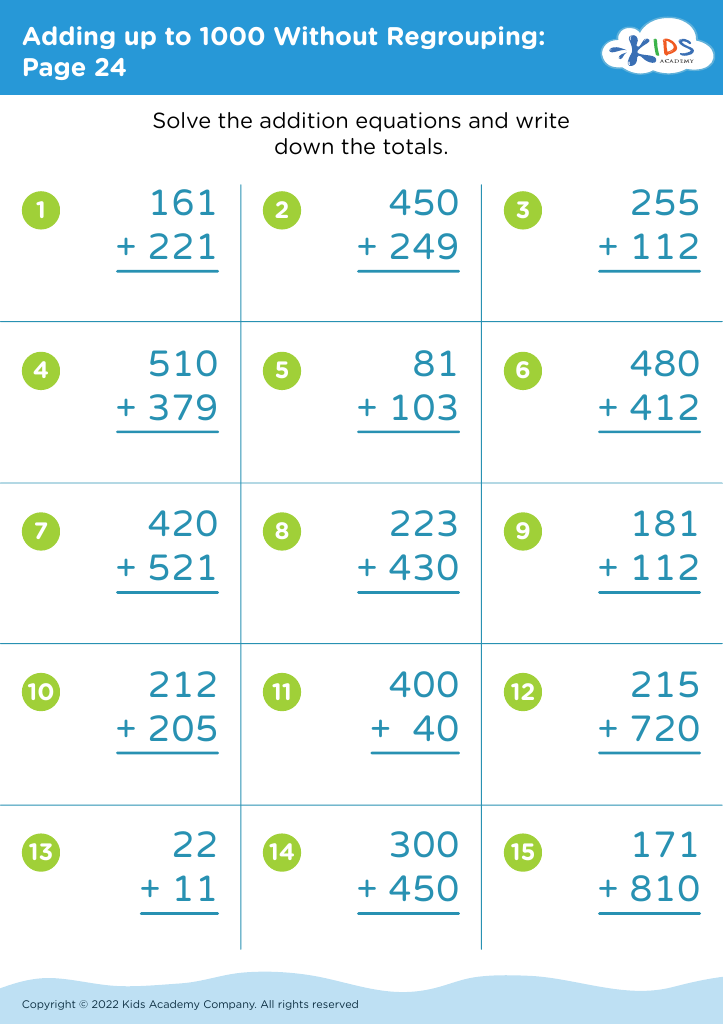
Adding up to 1000 Without Regrouping: Page 24
Worksheet


Parents and teachers should care about simplifying fractions in addition and subtraction because it lays a crucial foundation for a child’s math skills. Simplifying fractions ensures that students effortlessly manage more complex equations later. Mastering this skill builds critical thinking, problem-solving, and attention to detail.

By simplifying fractions, students learn to recognize the relationships between numbers, enhance their arithmetic fluency, and understand the principles of sharing and equivalency, which are vital in everyday math scenarios. This skill directly supports the curriculum as it is often tested in assessments, mandating proficiency to excel academically.

Moreover, simplifying fractions cultivates confidence in young learners. When children see reduced sizes of fractions through the correct method, they gain a sense of achievement. Teachers observing this confidence can steer students further into advanced topics, knowing their groundwork is strong. Parents, on the other hand, can support this learning at home, promoting a positive attitude towards math.

In essence, simplifying fractions isn’t merely about making management of mathematical problems easier but also key in progressing through more challenging stages of math effectively. Thus, emphasizing it nell is crucial for academic success and real-life application, endorsing both short and long-term benefits for students.