Understanding number values Addition & Subtraction Worksheets
3 filtered results
-
From - To
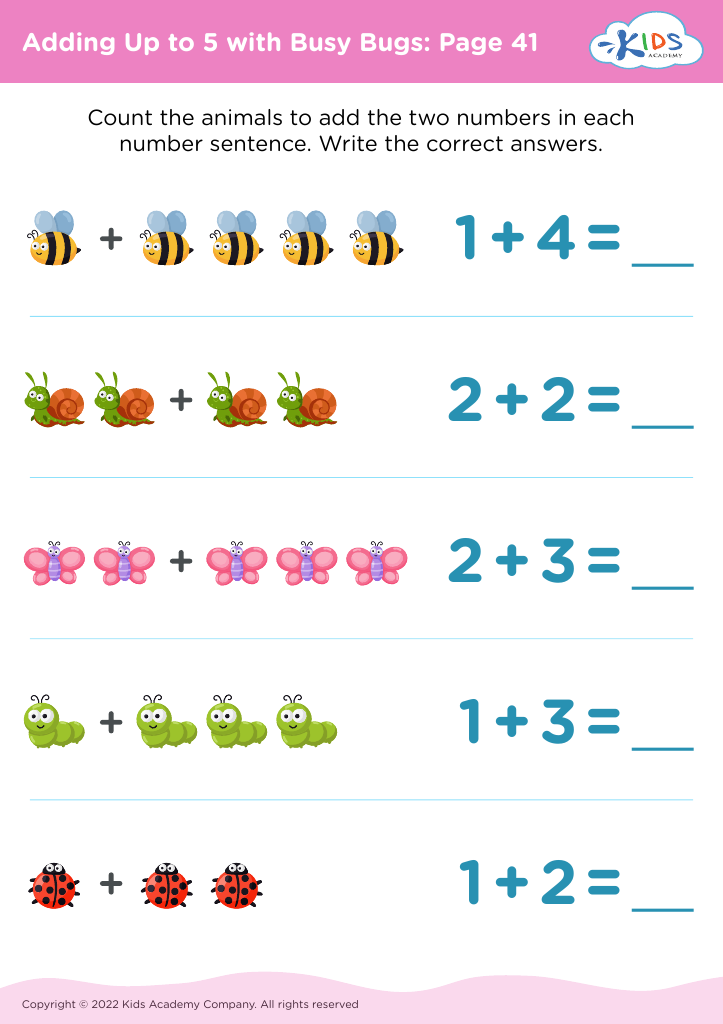
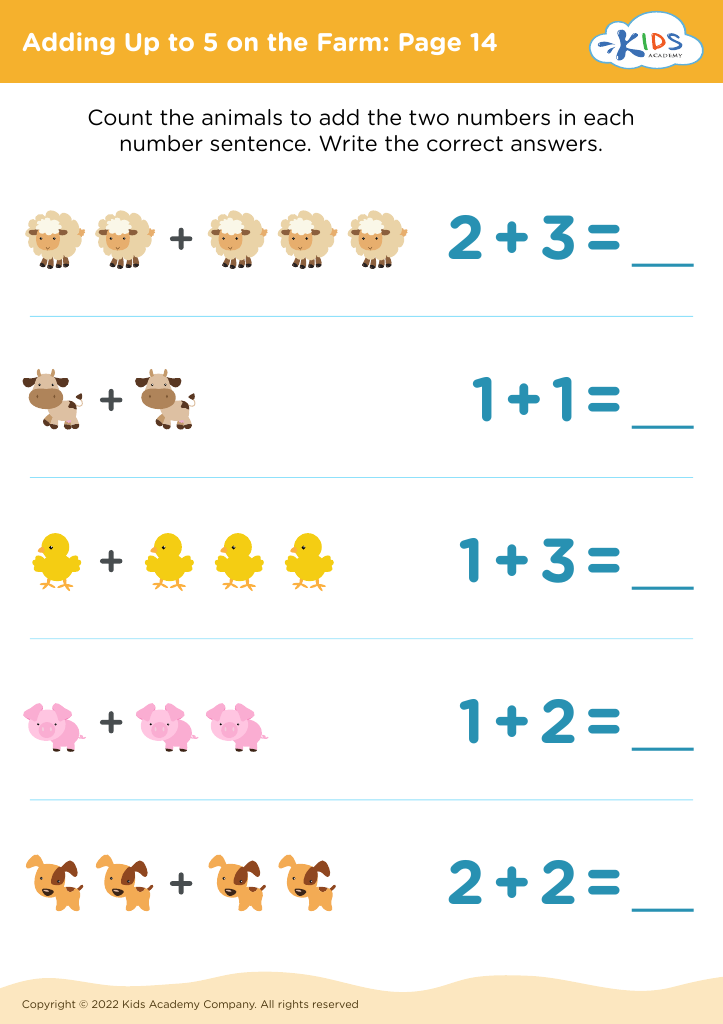
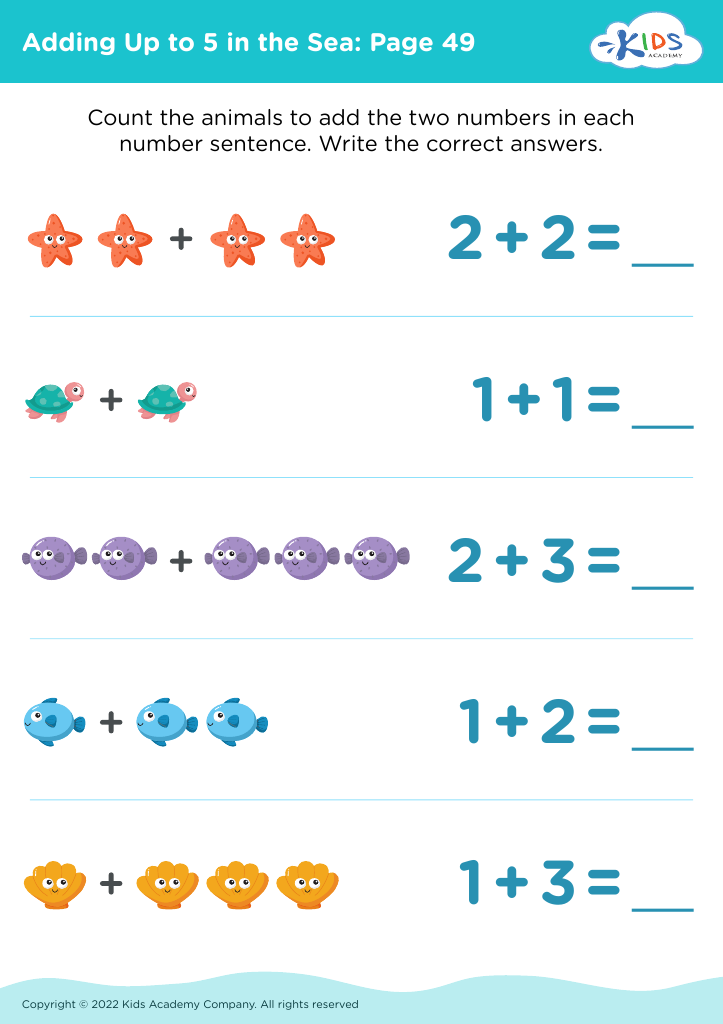
Explore our engaging "Understanding Number Values Addition & Subtraction Worksheets," designed to enhance your child's foundational math skills. These worksheets aim to support young learners in grasping essential concepts related to number values and their applications in addition and subtraction. Through interactive exercises, children will not only practice performingAddition and Subtraction operations but also build a solid understanding of how numbers relate to one another. With colorful visuals and age-appropriate difficulties, these resources make learning enjoyable and effective. Help your child master math and boost their confidence with our carefully curated worksheets tailored for early grades. Start learning today!








Understanding number values, addition, and subtraction is crucial for young learners as it lays the foundation for their future mathematical literacy. When parents or teachers focus on these concepts, they equip children with essential skills that extend beyond the classroom. A strong grasp of number values helps children quantify and compare, leading to clearer comprehension of mathematics as they progress.
Addition and subtraction are fundamental processes that form the basis of more complex operations, such as multiplication and division. Mastery of these skills fosters critical thinking and problem-solving abilities, enabling children to tackle everyday challenges, like budgeting or cooking, that require basic math. Moreover, when children regularly practice addition and subtraction, they develop confidence in their mathematical abilities, reducing math anxiety.
Additionally, understanding these concepts enhances cognitive development. It encourages logical reasoning and reinforces the connection between numbers and real-world applications. For teachers and parents, cultivating a supportive learning environment where children can explore and practice these skills is vital. Engaging them in fun activities, games, or real-life scenarios reinforces their learning and shows children the relevance of mathematics in their lives, thereby shaping a positive attitude towards the subject.








