Filters

83 filtered results

Clear all filters
Favorites
With answer key
Interactive

83 filtered results

Difficulty Level

Grade


Check out this FREE Trial Lesson on Addition!

Z

Favorites
With answer key
Interactive
  • Comparing Fractions
  • Addition
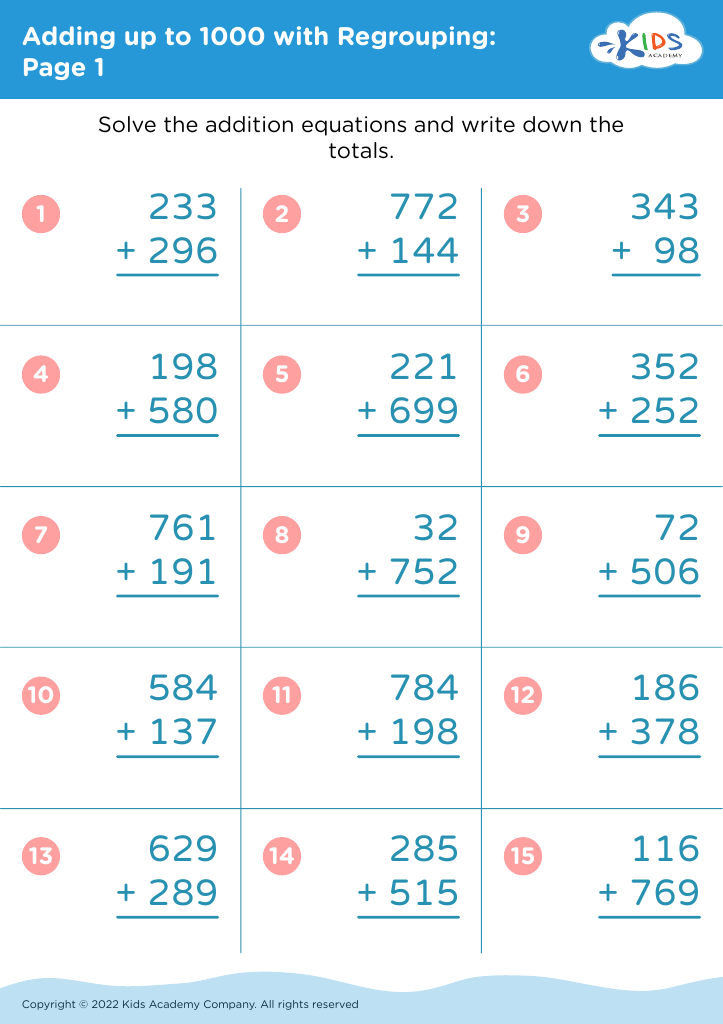
Adding up to 1000 with Regrouping: Page 1
Worksheet
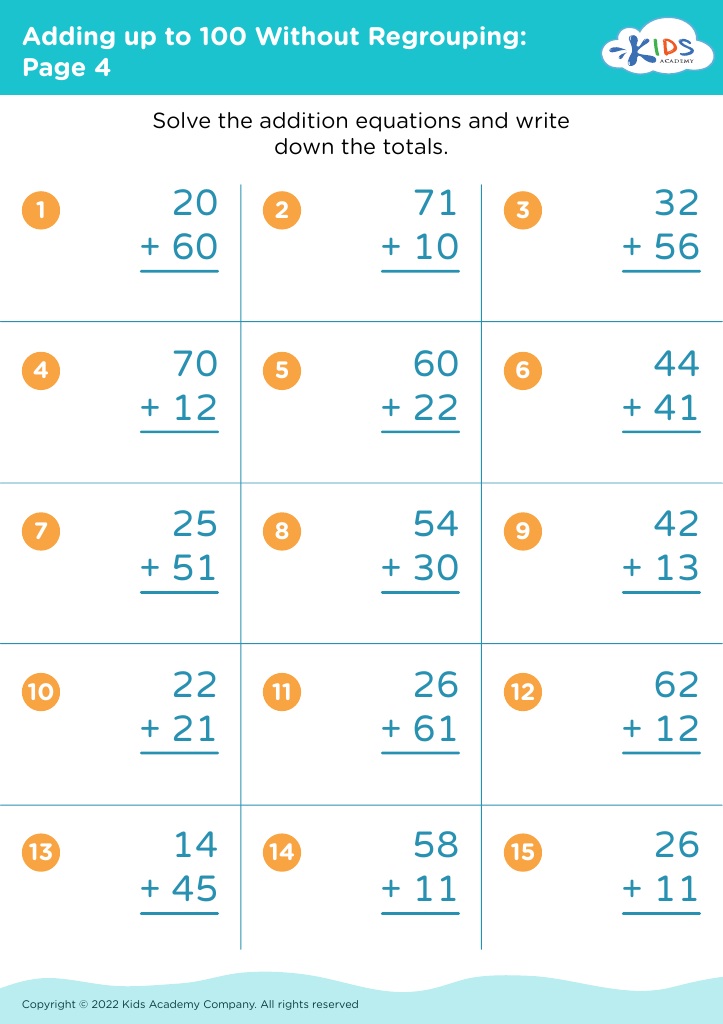
Adding up to 100 Without Regrouping: Page 4
Worksheet
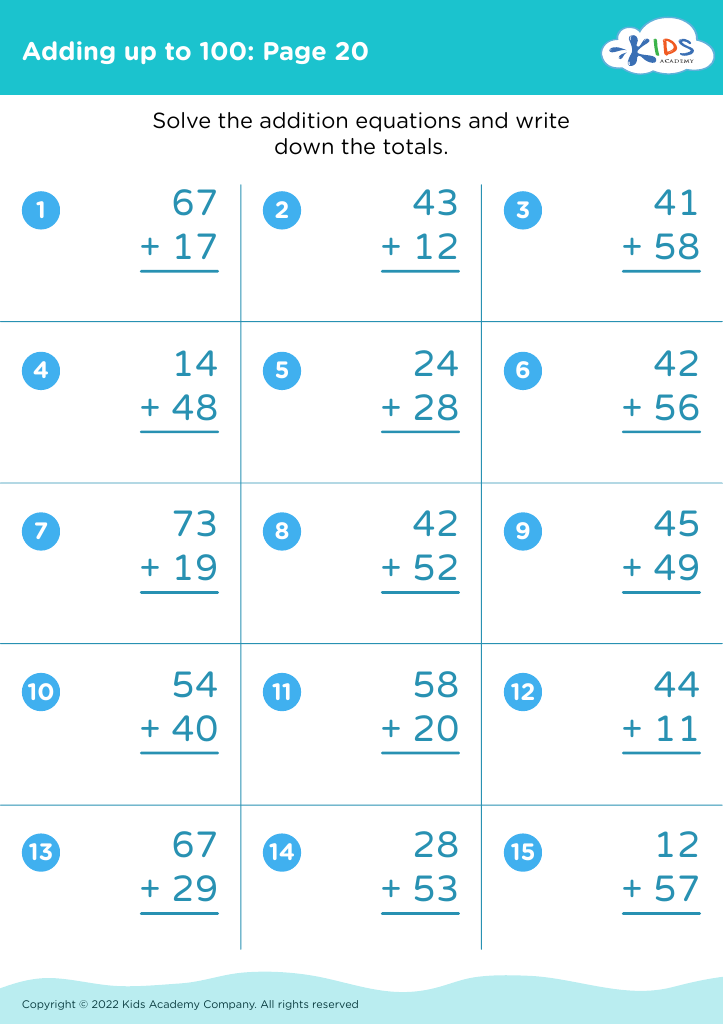
Adding up to 100: Page 20

Adding up to 100: Page 20

Adding up to 100: Page 20
Worksheet
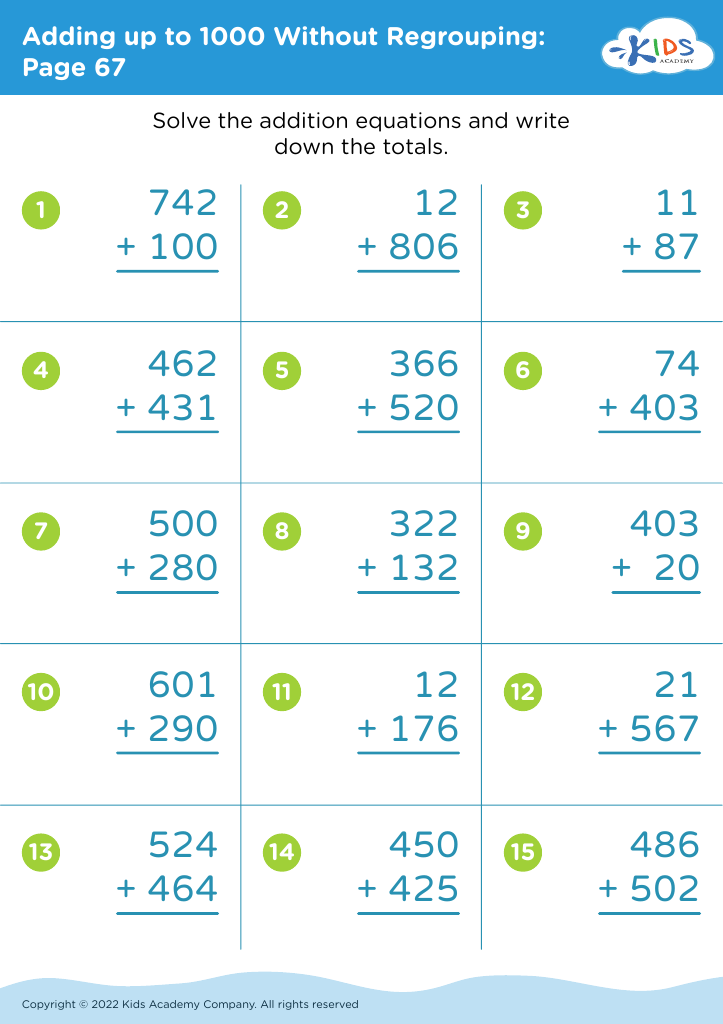
Adding up to 1000 Without Regrouping: Page 67
Worksheet
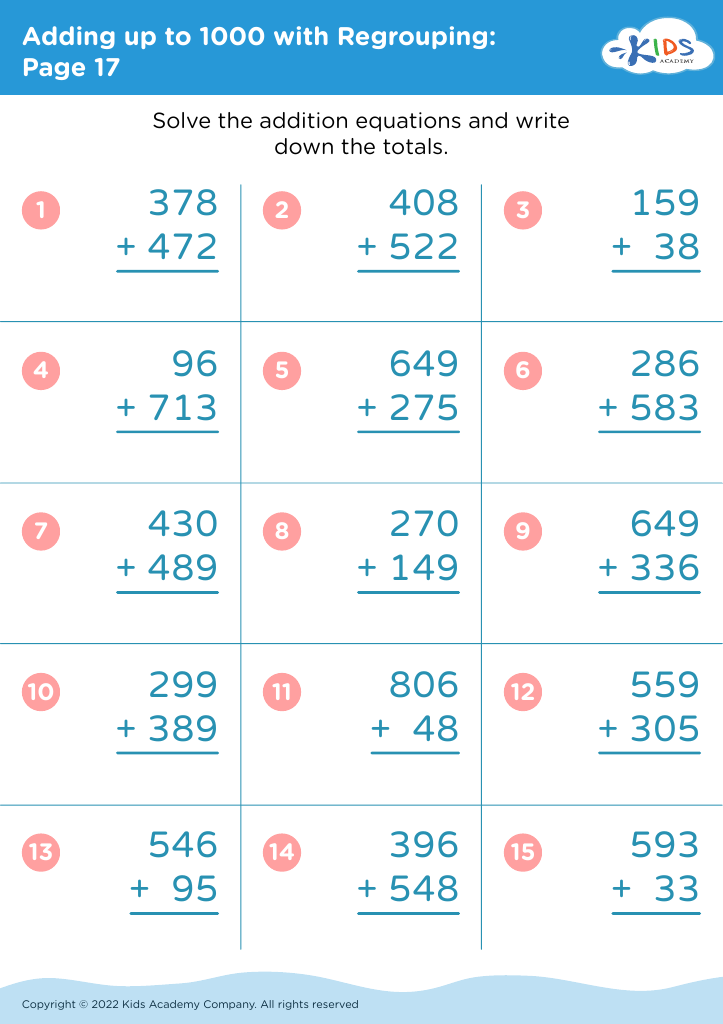
Adding up to 1000 with Regrouping: Page 17
Worksheet
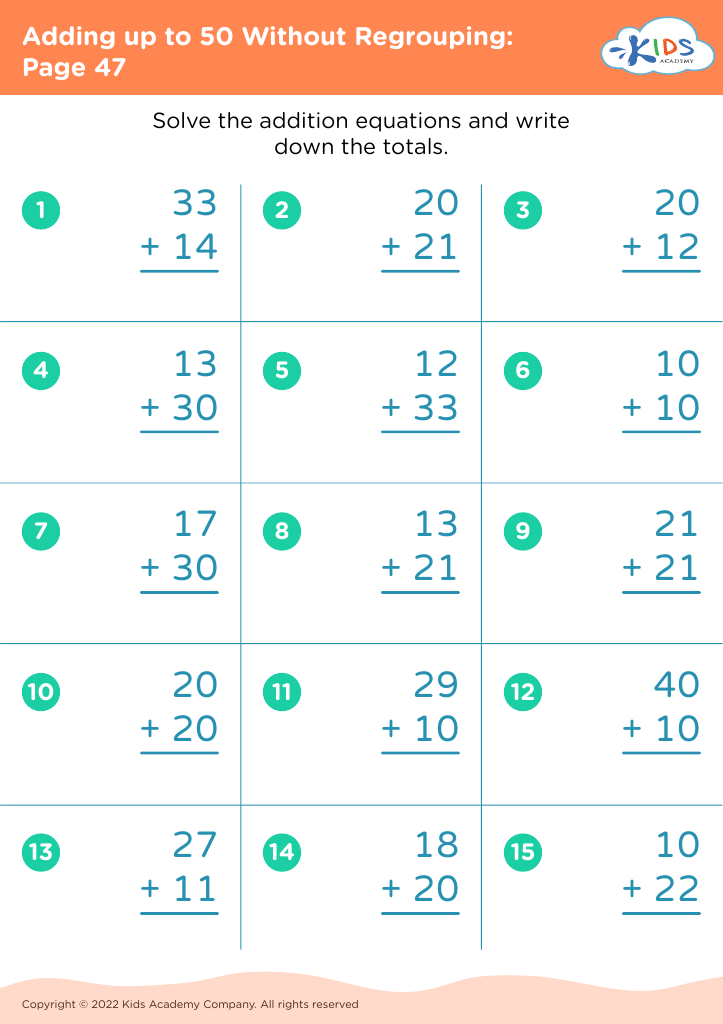
Adding up to 50 Without Regrouping: Page 47
Worksheet
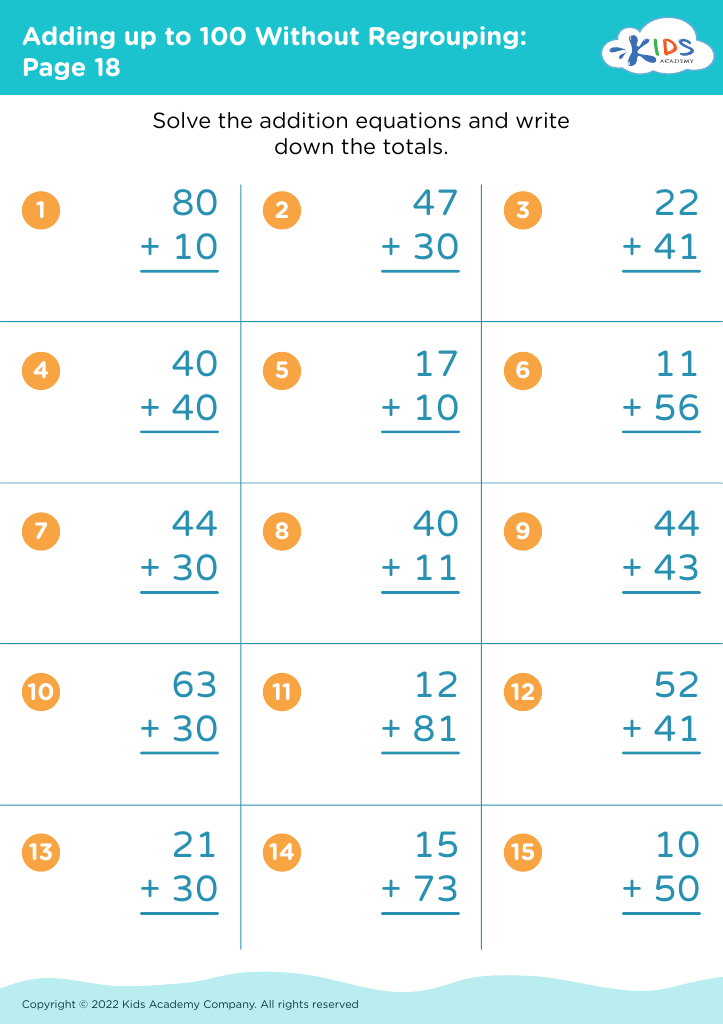
Adding up to 100 Without Regrouping: Page 18
Worksheet
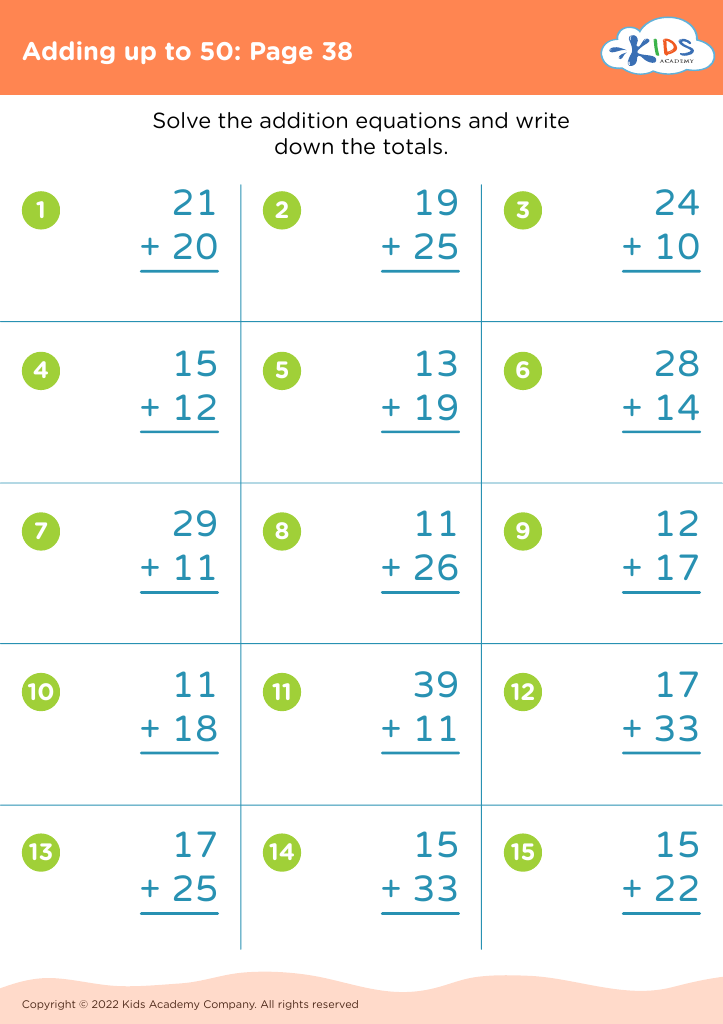
Adding up to 50: Page 38

Adding up to 50: Page 38

Adding up to 50: Page 38
Worksheet
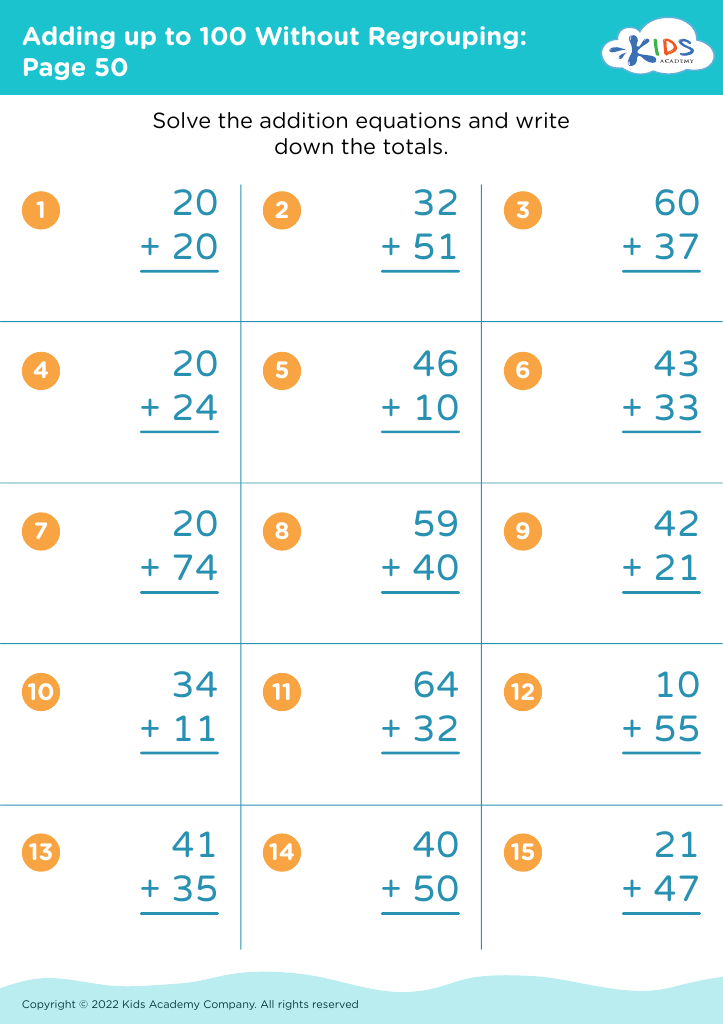
Adding up to 100 Without Regrouping: Page 50
Worksheet
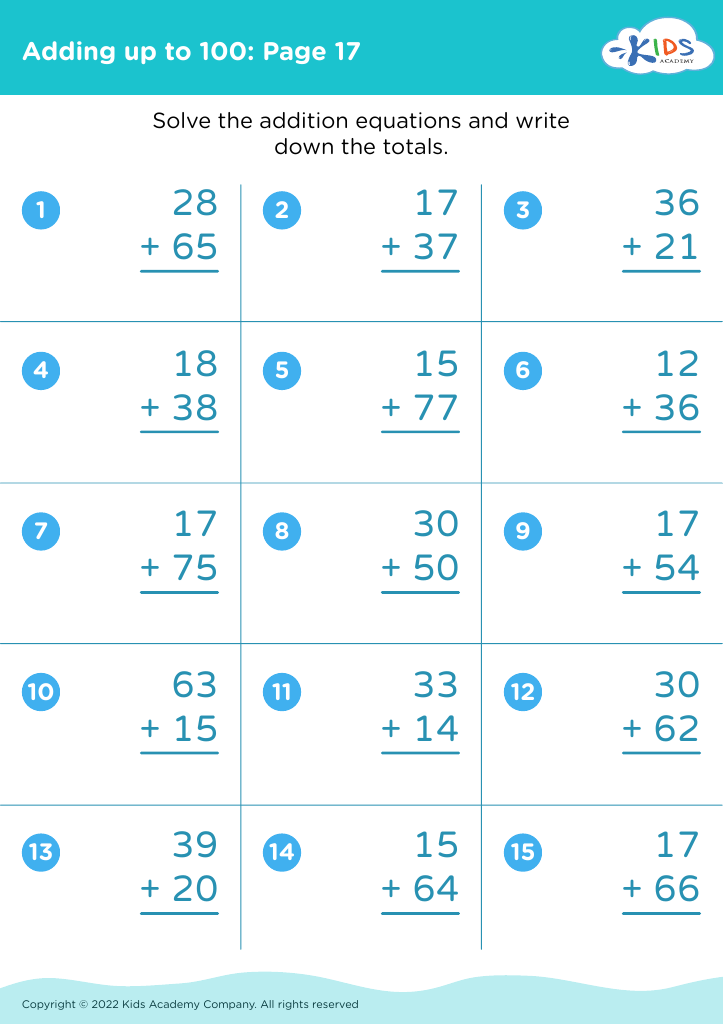
Adding up to 100: Page 17

Adding up to 100: Page 17

Adding up to 100: Page 17
Worksheet
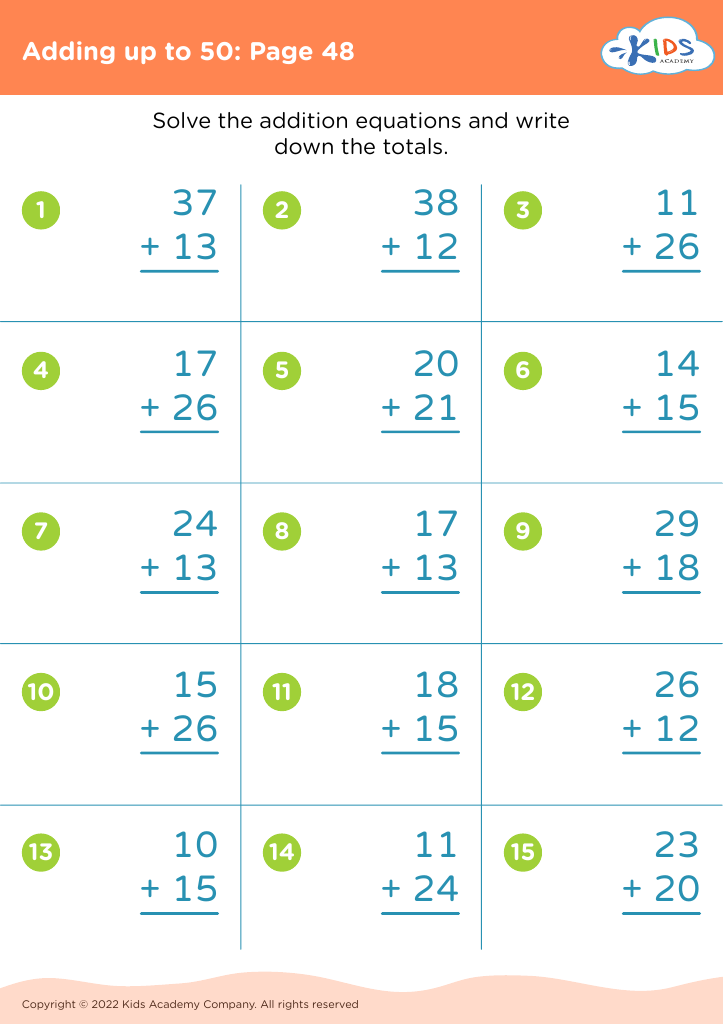
Adding up to 50: Page 48

Adding up to 50: Page 48

Adding up to 50: Page 48
Worksheet
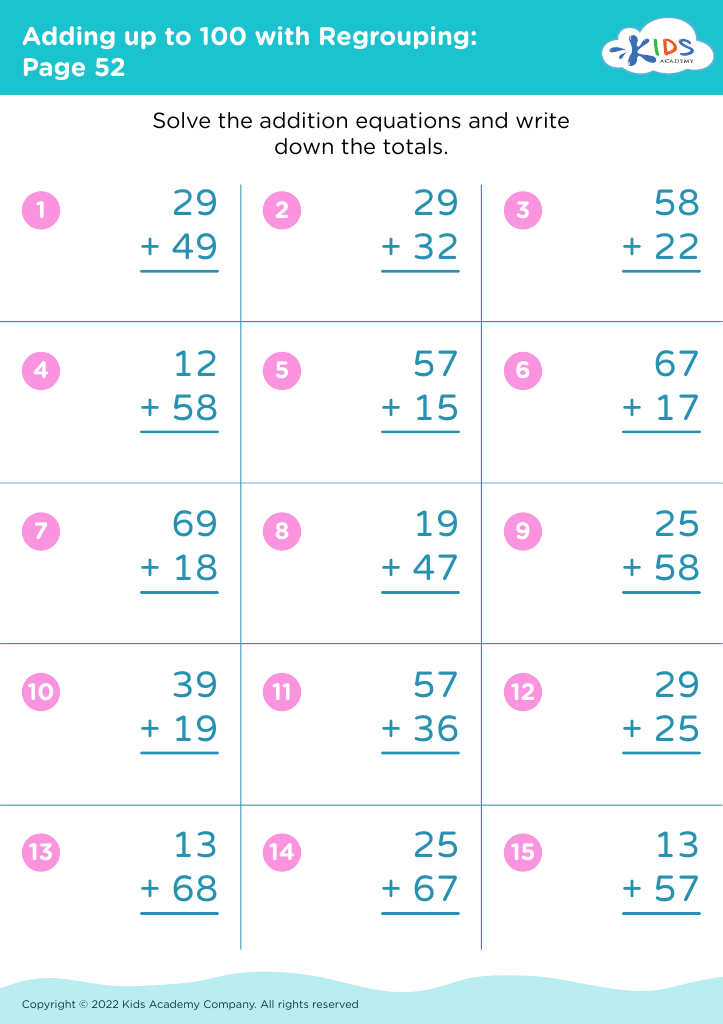
Adding up to 100 with Regrouping: Page 52
Worksheet
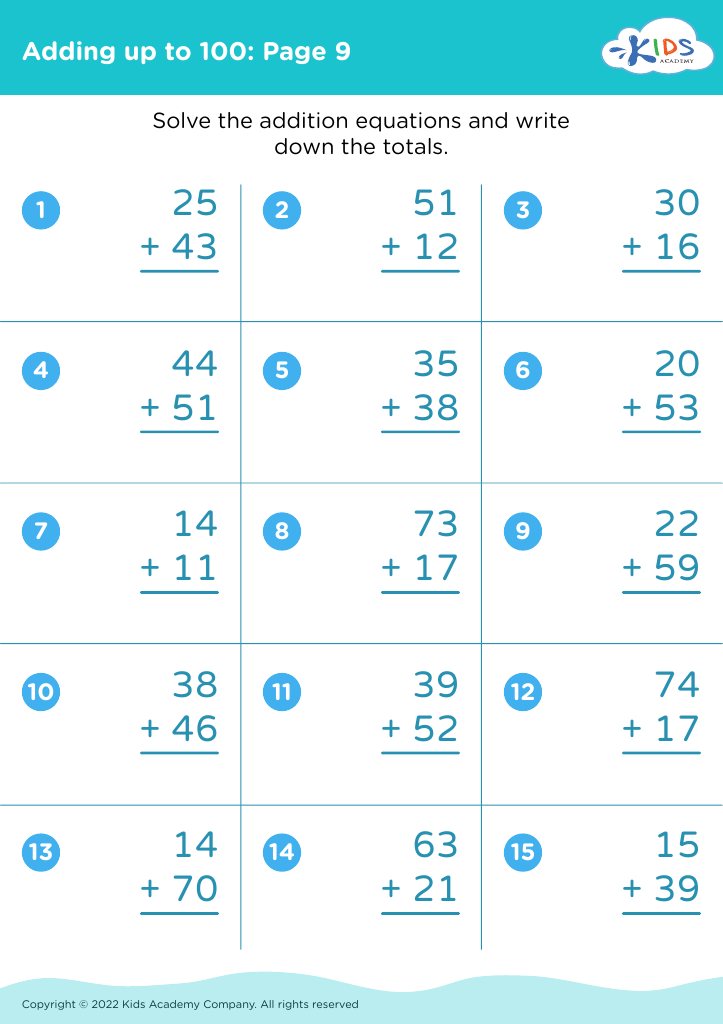
Adding up to 100: Page 9

Adding up to 100: Page 9

Adding up to 100: Page 9
Worksheet
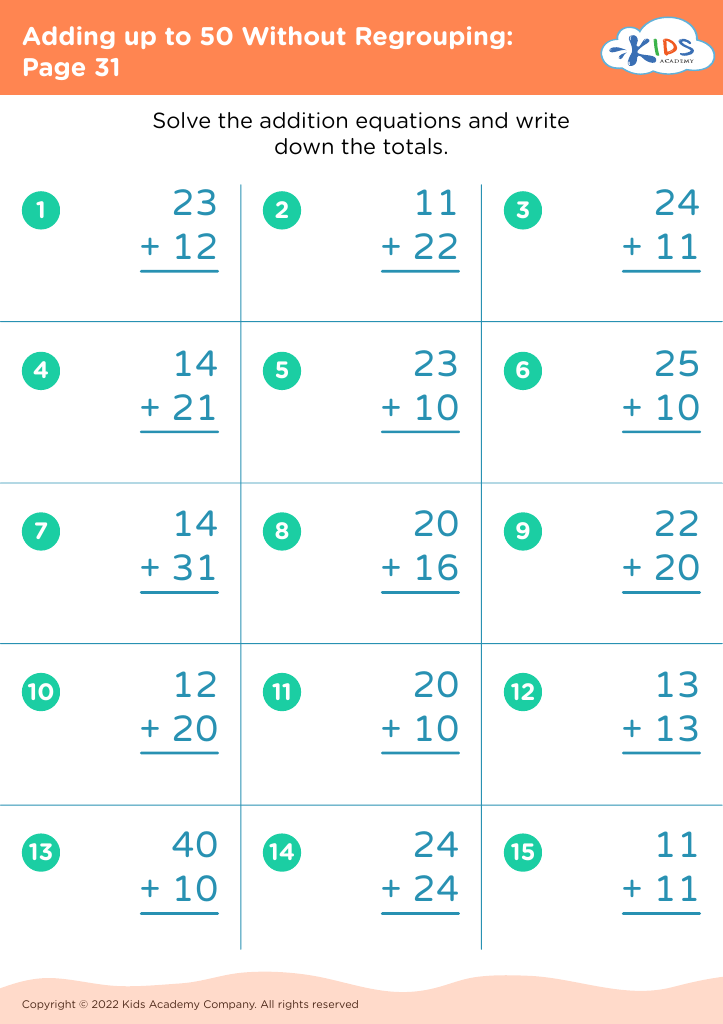
Adding up to 50 Without Regrouping: Page 31
Worksheet
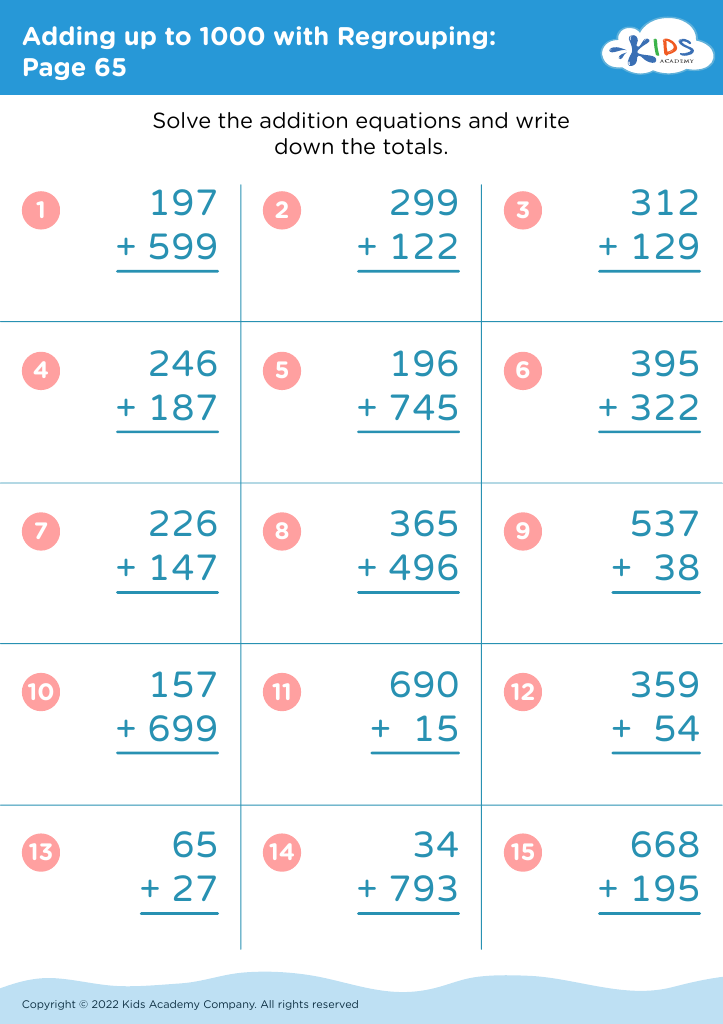
Adding up to 1000 with Regrouping: Page 65
Worksheet
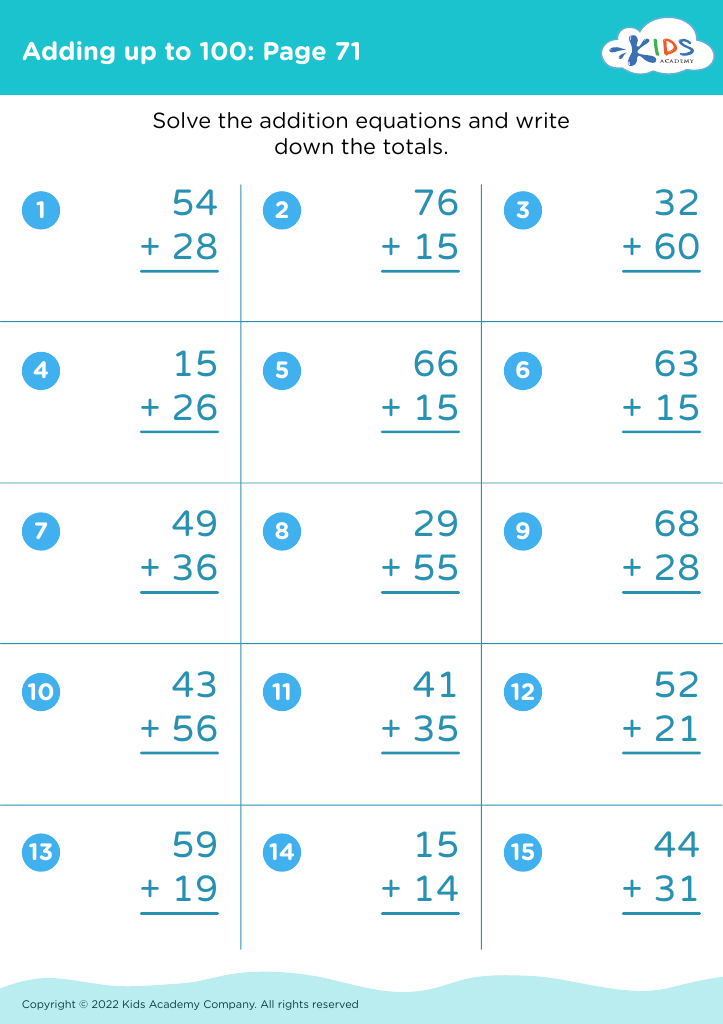
Adding up to 100: Page 71

Adding up to 100: Page 71

Adding up to 100: Page 71
Worksheet
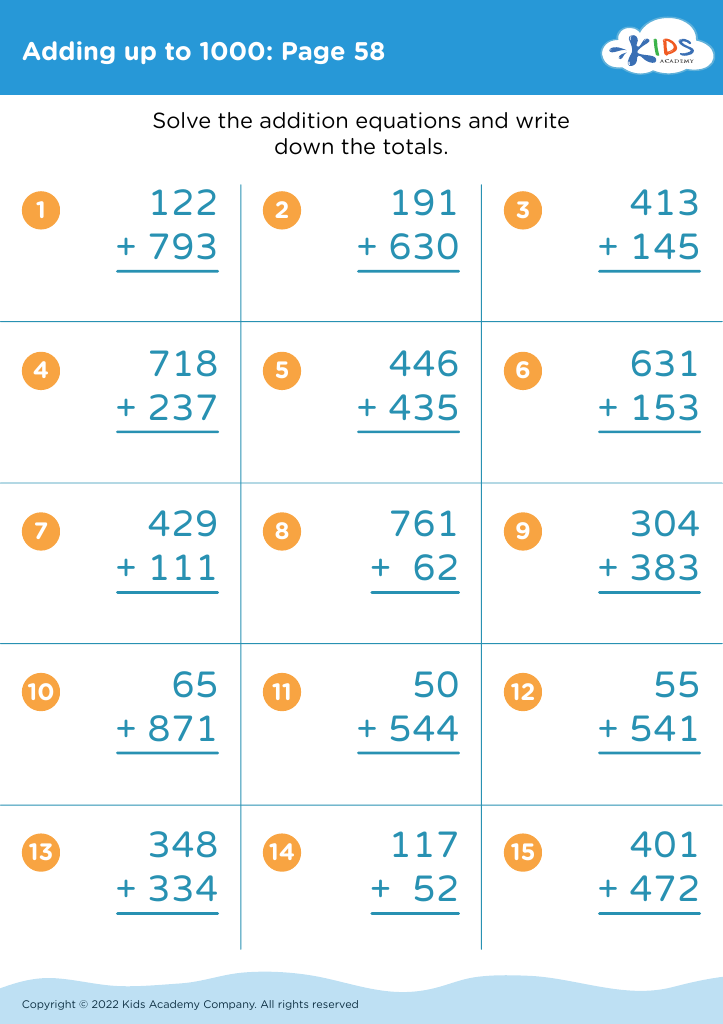
Adding up to 1000: Page 58

Adding up to 1000: Page 58

Adding up to 1000: Page 58
Worksheet
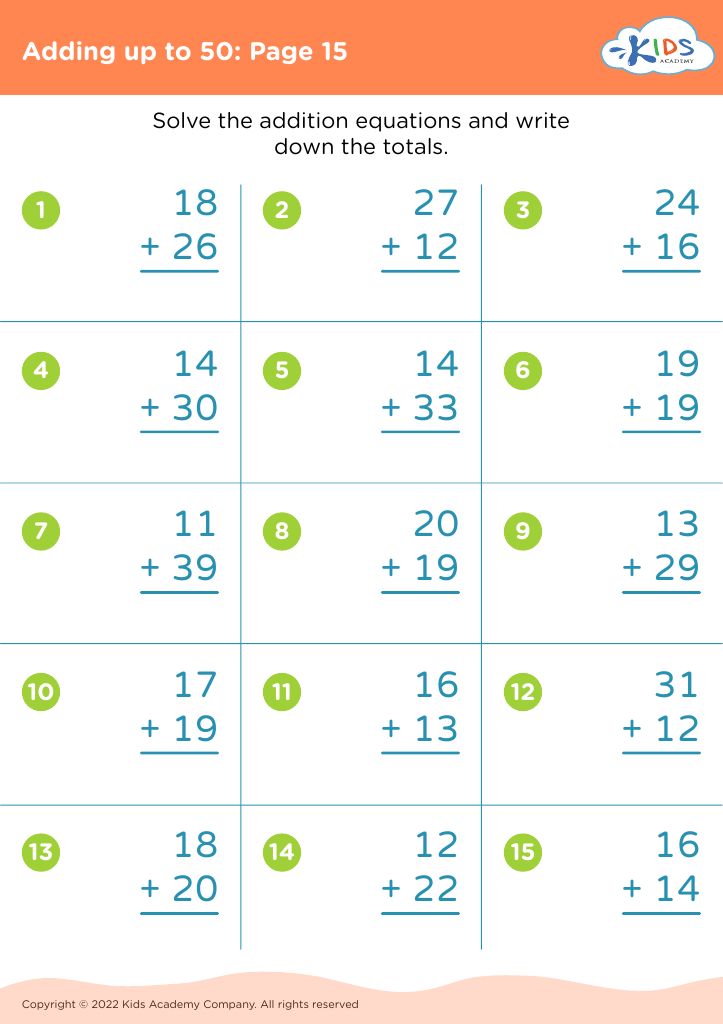
Adding up to 50: Page 15

Adding up to 50: Page 15

Adding up to 50: Page 15
Worksheet
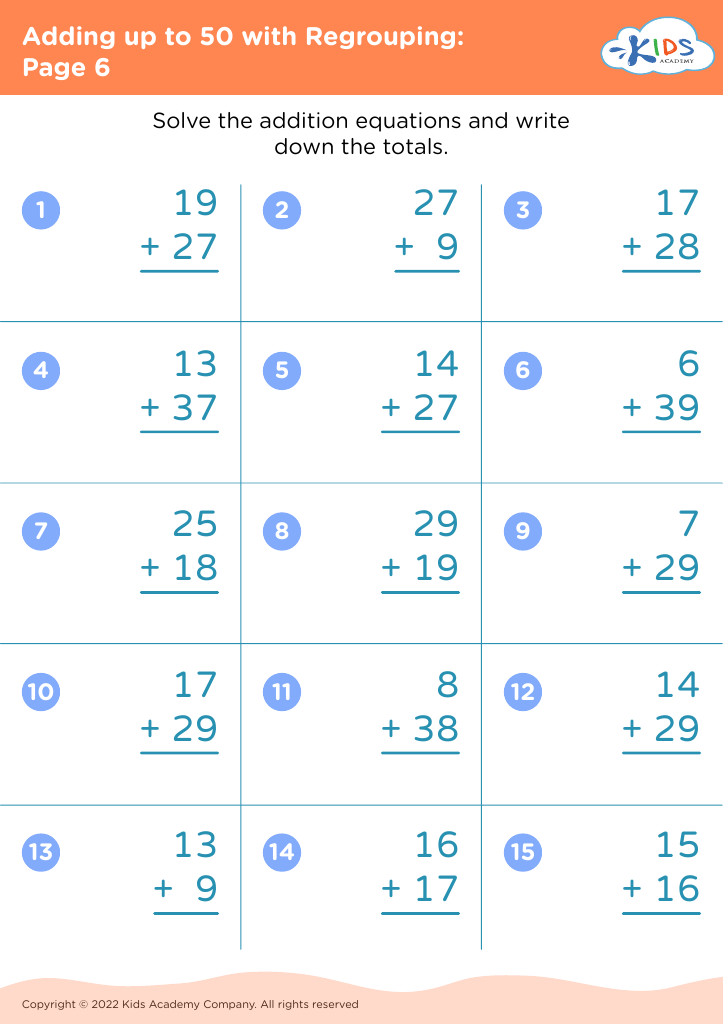
Adding up to 50 with Regrouping: Page 6
Worksheet
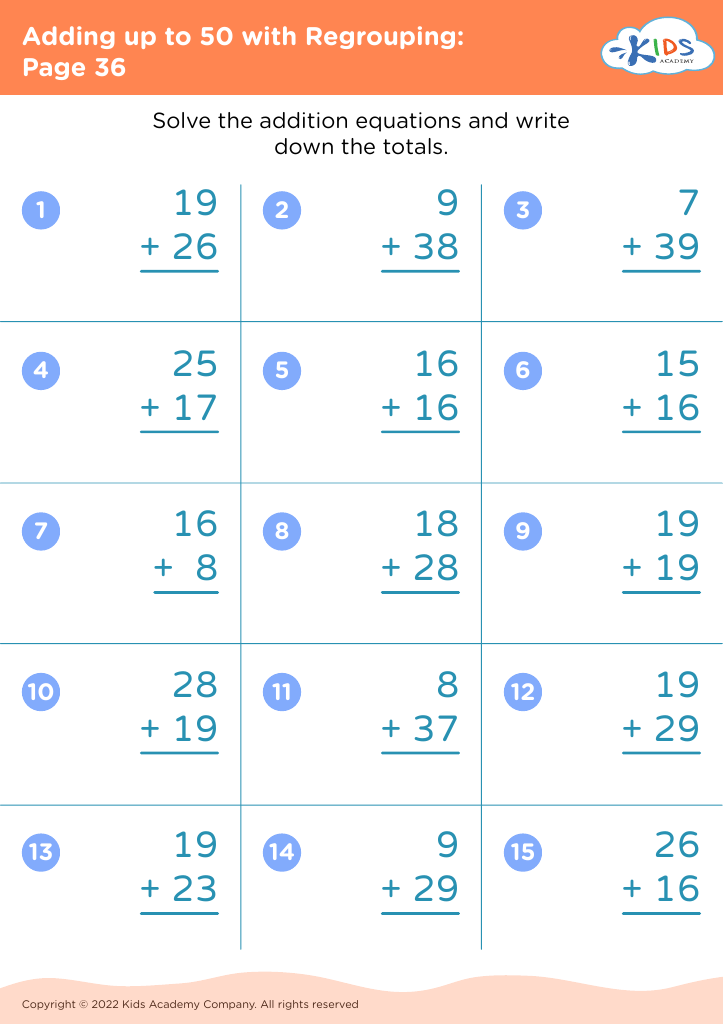
Adding up to 50 with Regrouping: Page 36
Worksheet
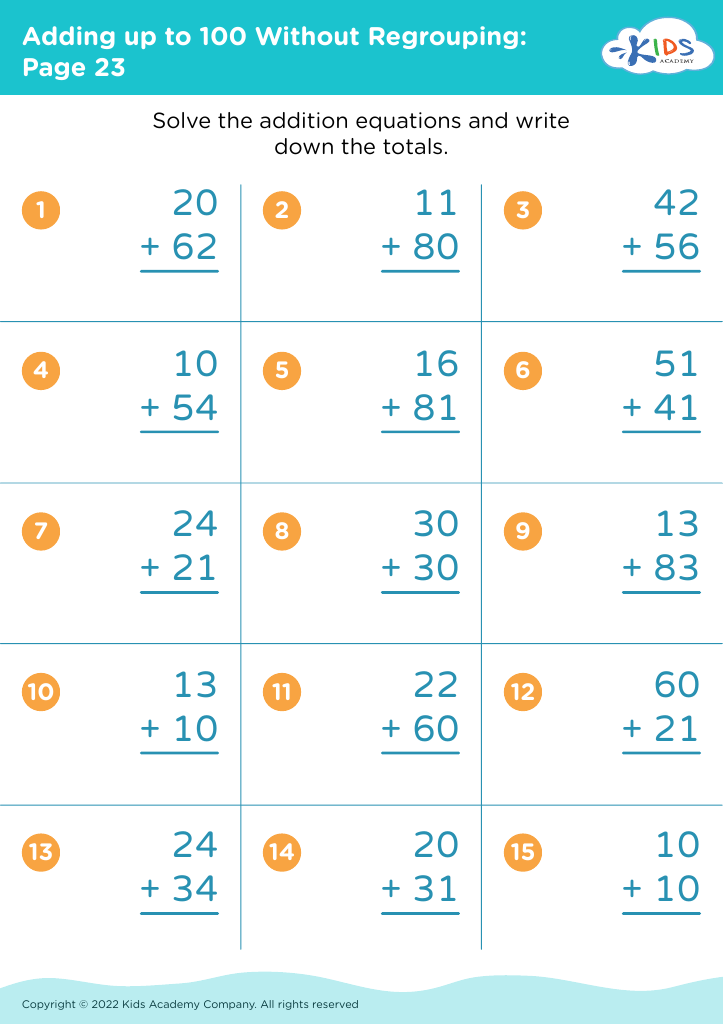
Adding up to 100 Without Regrouping: Page 23
Worksheet
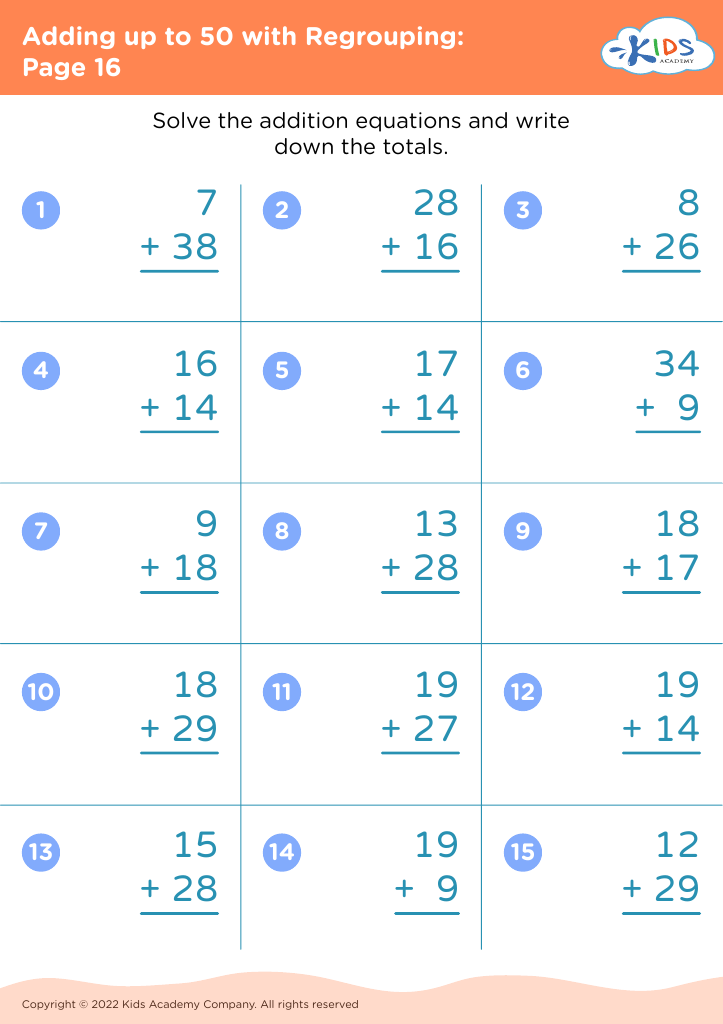
Adding up to 50 with Regrouping: Page 16
Worksheet
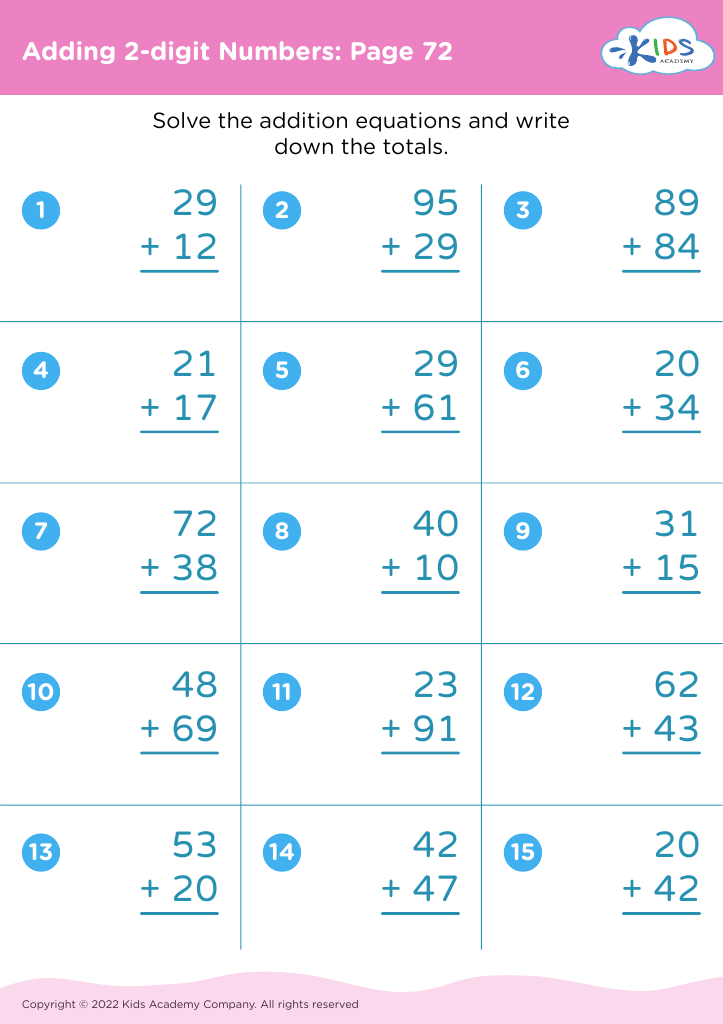
Adding 2-digit Numbers: Page 72

Adding 2-digit Numbers: Page 72

Adding 2-digit Numbers: Page 72
Worksheet
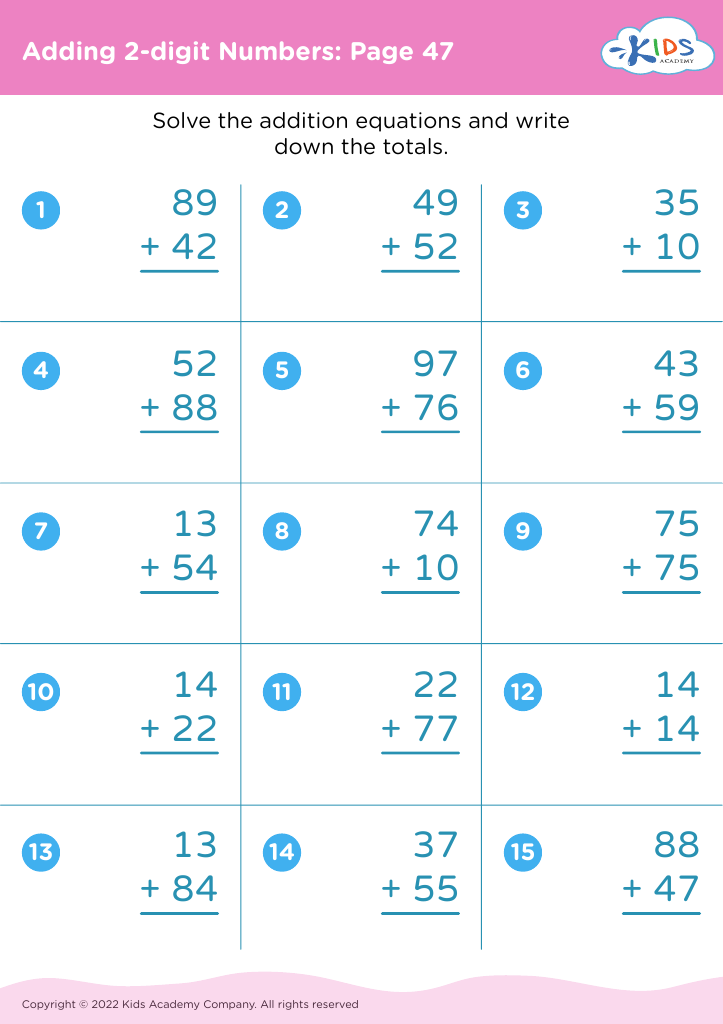
Adding 2-digit Numbers: Page 47

Adding 2-digit Numbers: Page 47

Adding 2-digit Numbers: Page 47
Worksheet


Comparing fractions is a foundational skill in mathematics that underpins many crucial concepts in both arithmetic and higher-level mathematics. For teachers and parents, understanding how to compare fractions when added offers significant educational benefits. Mastery of this concept helps children develop a strong number sense, enabling them to identify relationships between numbers and can significantly enhance their problem-solving abilities.

When fractions are compared, students learn to evaluate quantities, a skill that extends beyond pure mathematics into everyday decision-making and reasoning tasks. For instance, when trying to share resources fairly or understanding portions in cooking, students equipped with strong comparator skills are likely to succeed.

Additionally, teaching children how to add fractions and compare them promotes critical thinking. They learn to consider different denominators, which aids in comprehension of multiplication and division as fraction concepts become interconnected.

Furthermore, engaging in interactive activities—such as games and visual aids—can make the process enjoyable and reinforce learning. As students master comparing fractions and their addition, educators and parents can foster a supportive environment that builds confidence and a love for math, ultimately setting a strong foundation for future academic success. This ensures that children are well-equipped for more complex mathematical concepts later on.