Observational skills Addition Worksheets
5 filtered results
-
From - To
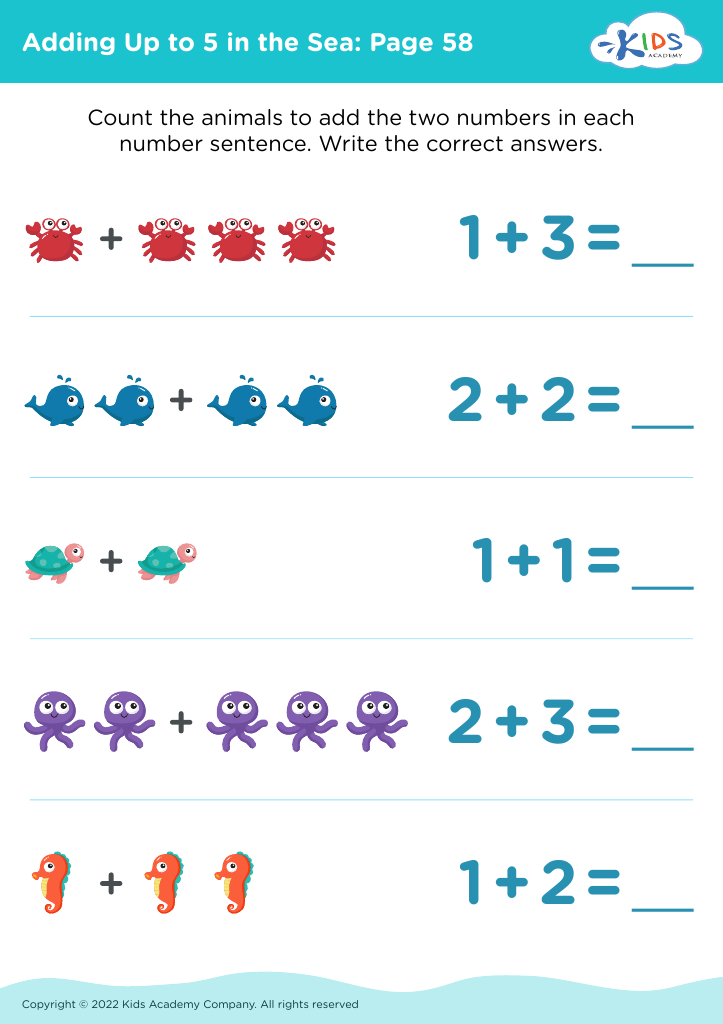
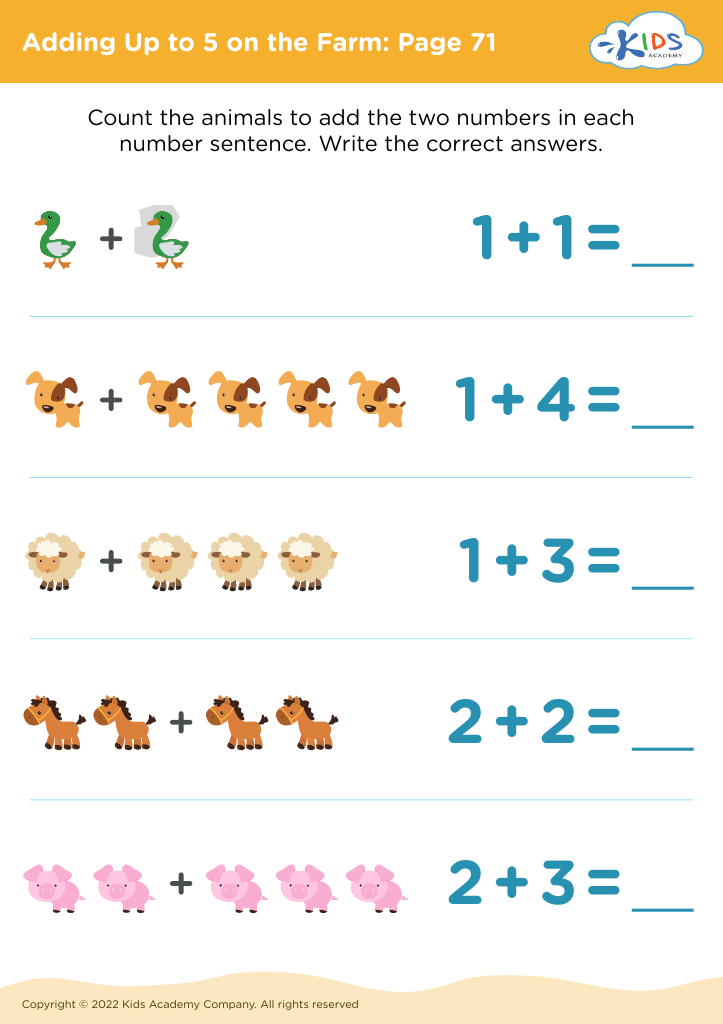
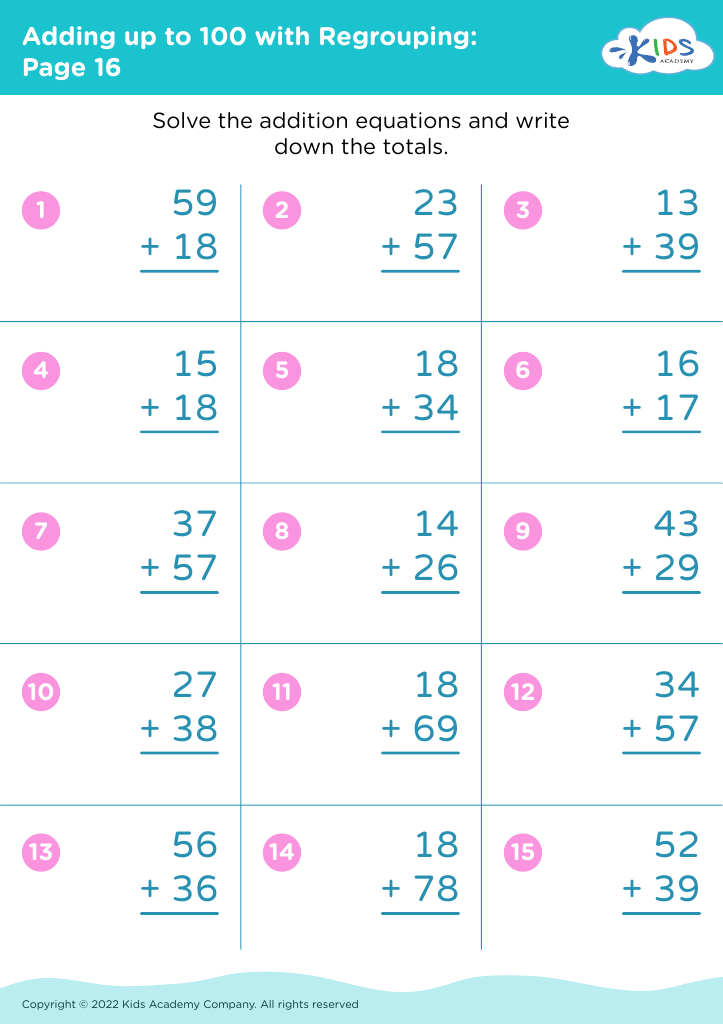
Enhance your child’s math proficiency with our Observational Skills Addition Worksheets! Designed for early learners, these engaging worksheets blend foundational math practice with critical observational activities. Your child will develop essential skills by identifying patterns, comparing numbers, and solving addition problems based on visual clues. This interactive approach not only makes learning fun but also strengthens cognitive abilities, ensuring a comprehensive understanding of addition concepts. Ideal for classroom use or home learning, our worksheets support diverse learning styles and promote independent thinking. Download our Observational Skills Addition Worksheets today and lay a strong mathematical foundation for your budding mathematician!
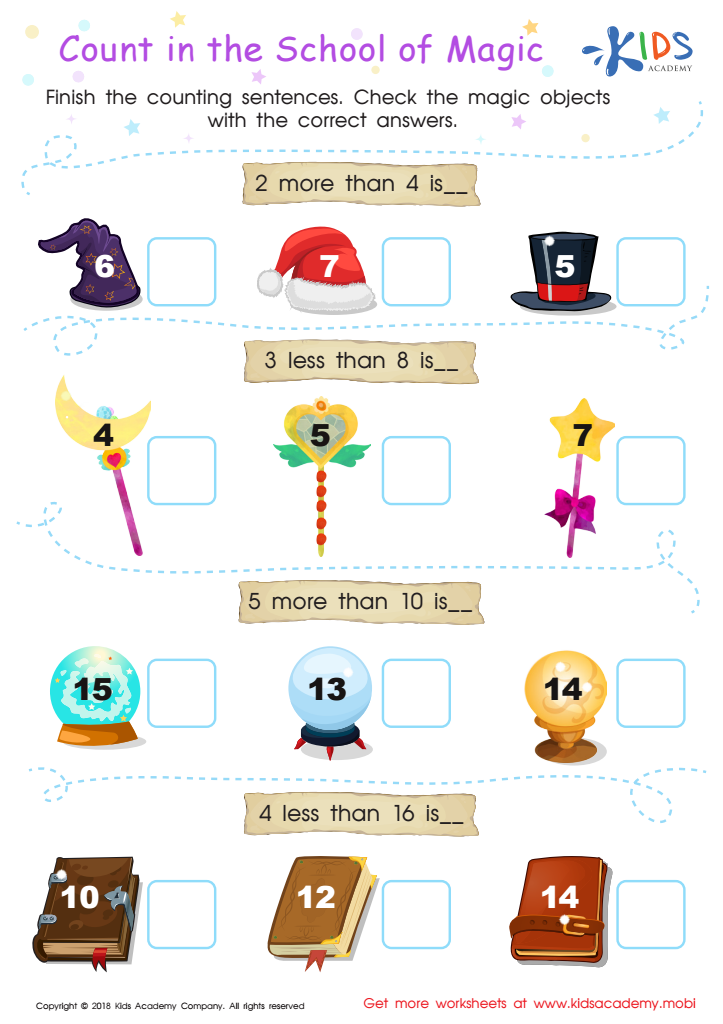
Count in the School of Magic Worksheet
 Assign to My Students
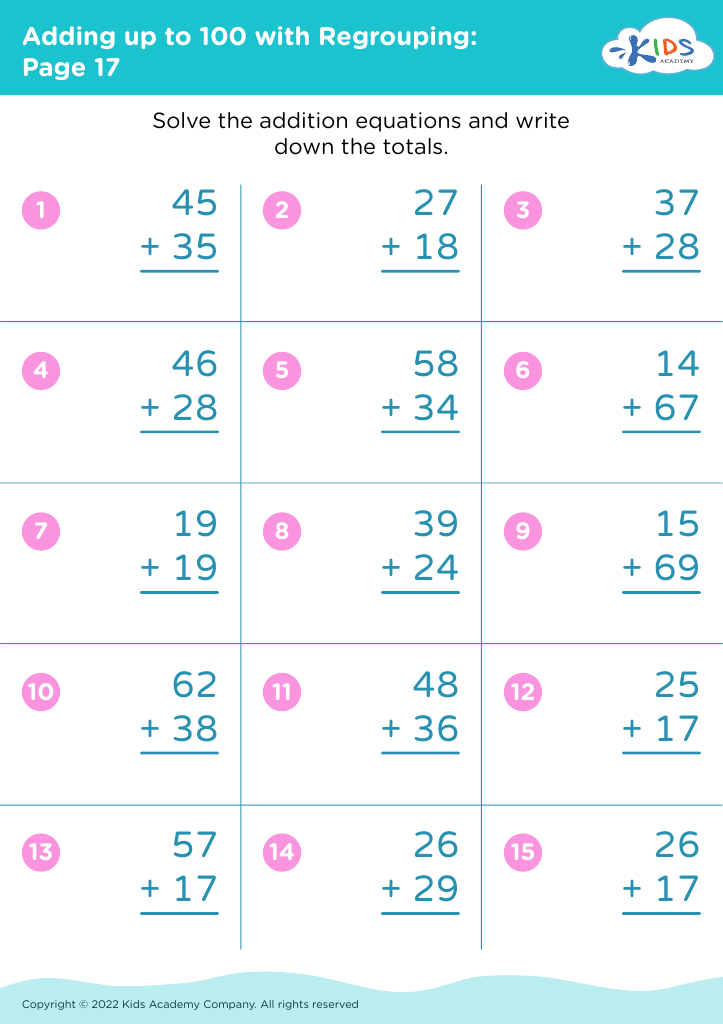








Observational skills in the context of mathematical addition are essential for young learners as they lay the groundwork for numerical understanding and problem-solving abilities. Parents and teachers should prioritize these skills because they enhance children's ability to recognize patterns, relationships, and quantities in their everyday environment.
Strong observational skills help children notice how numbers interact, fostering a deeper comprehension of basic addition concepts. For instance, being able to visually assess groups of objects enables them to grasp the idea of ‘adding’ in practical, tangible ways. This skill applies not only to math but also across various domains of learning, making it integral to a child's overall development.
Furthermore, encouraging observational skills aids in building confidence. When children successfully apply what they see and understand to solve addition problems, it reinforces their self-esteem and motivates them to tackle more significant challenges. All in all, honing observational skills paves the way for a richer learning experience, nurturing critical thinking, and enabling children to become independent learners. By fostering these abilities, parents and teachers contribute to a child’s enthusiasm for learning and their long-term academic success.








