Visual perception improvement Addition Worksheets
7 filtered results
-
From - To
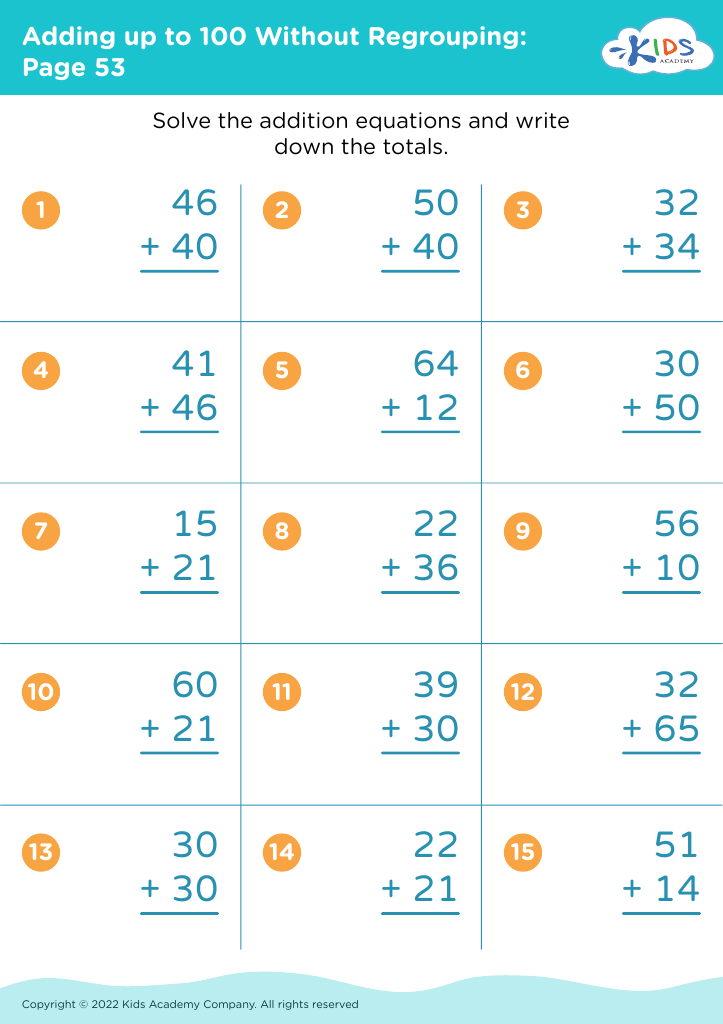
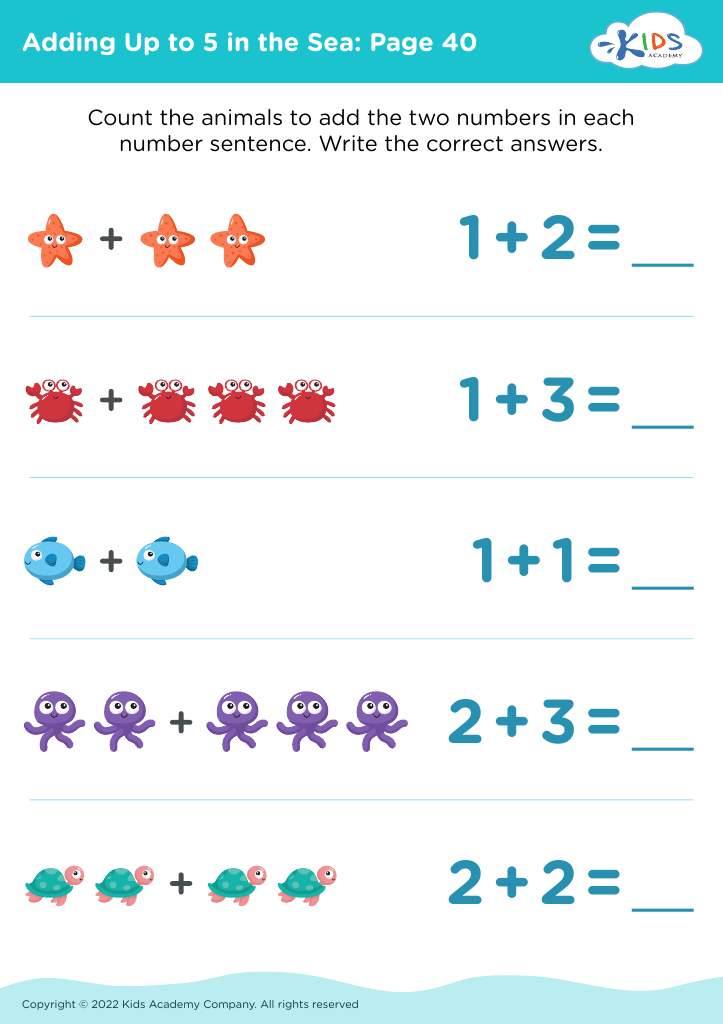
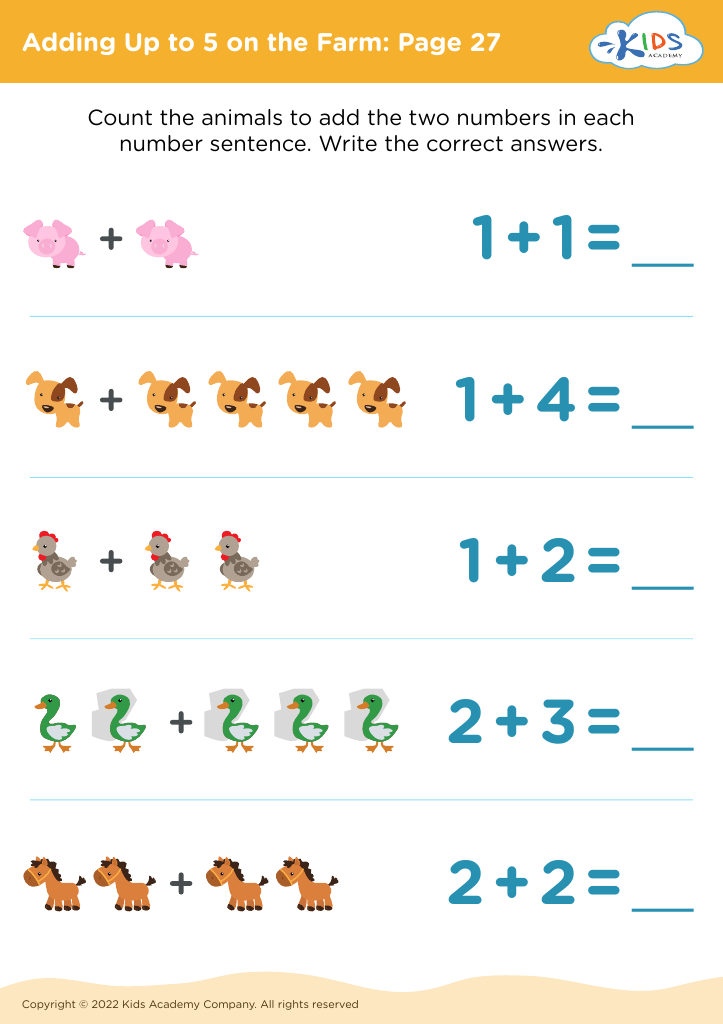
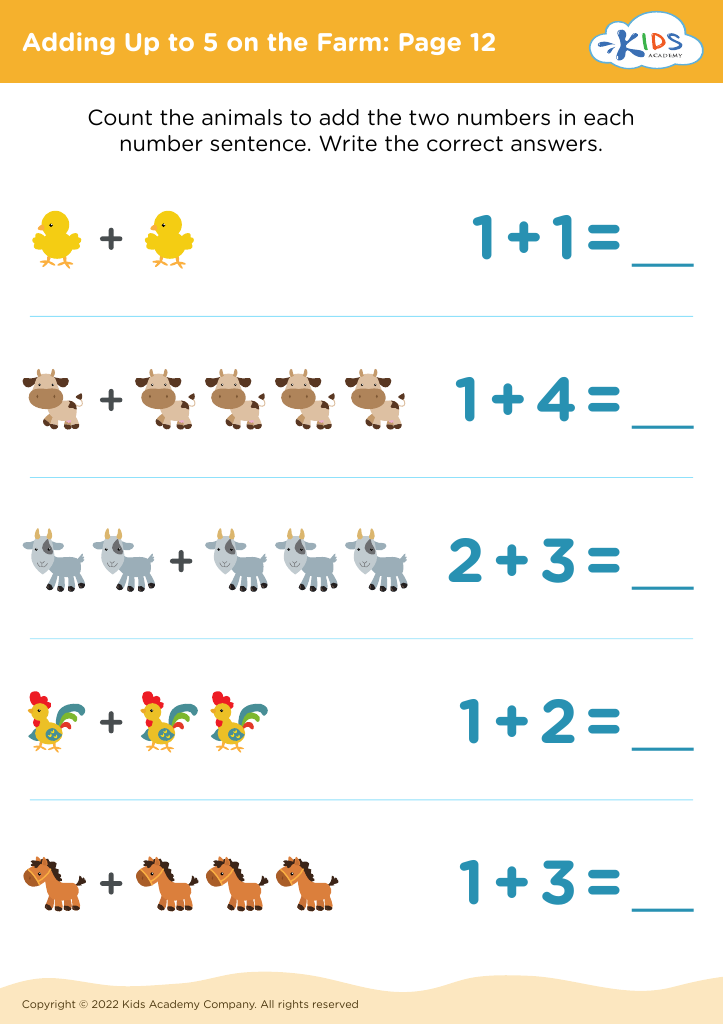
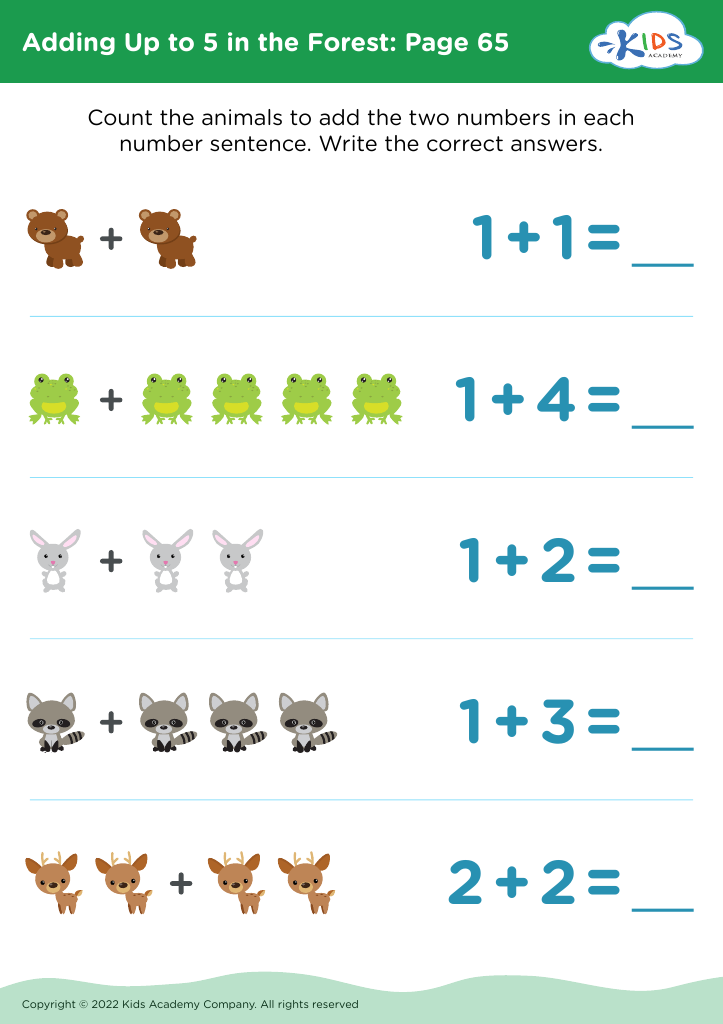
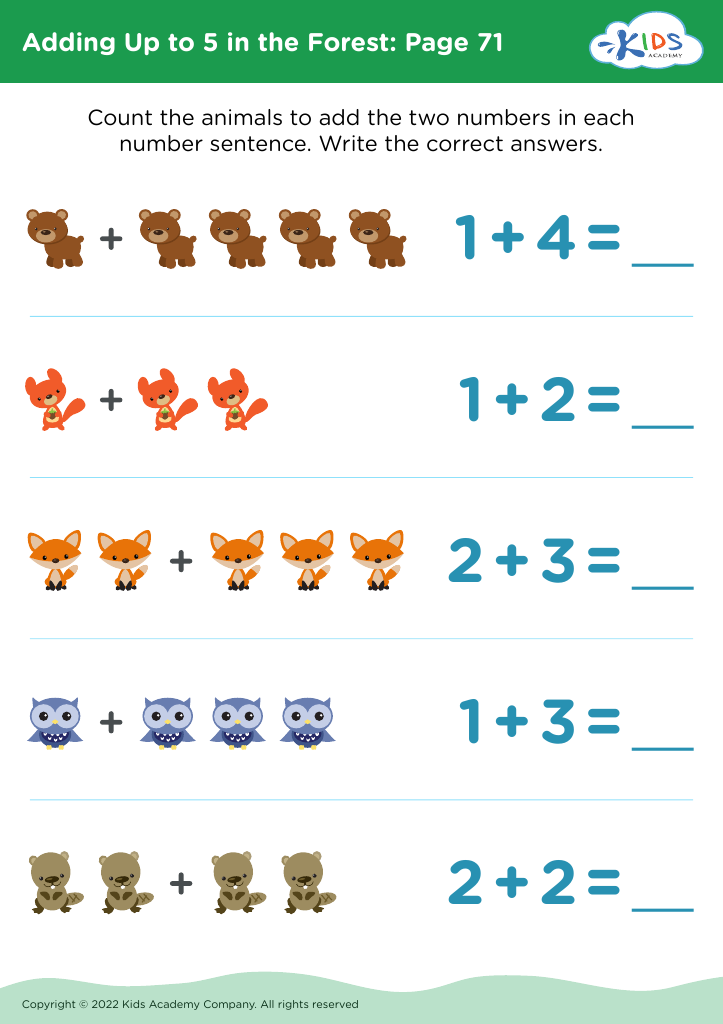
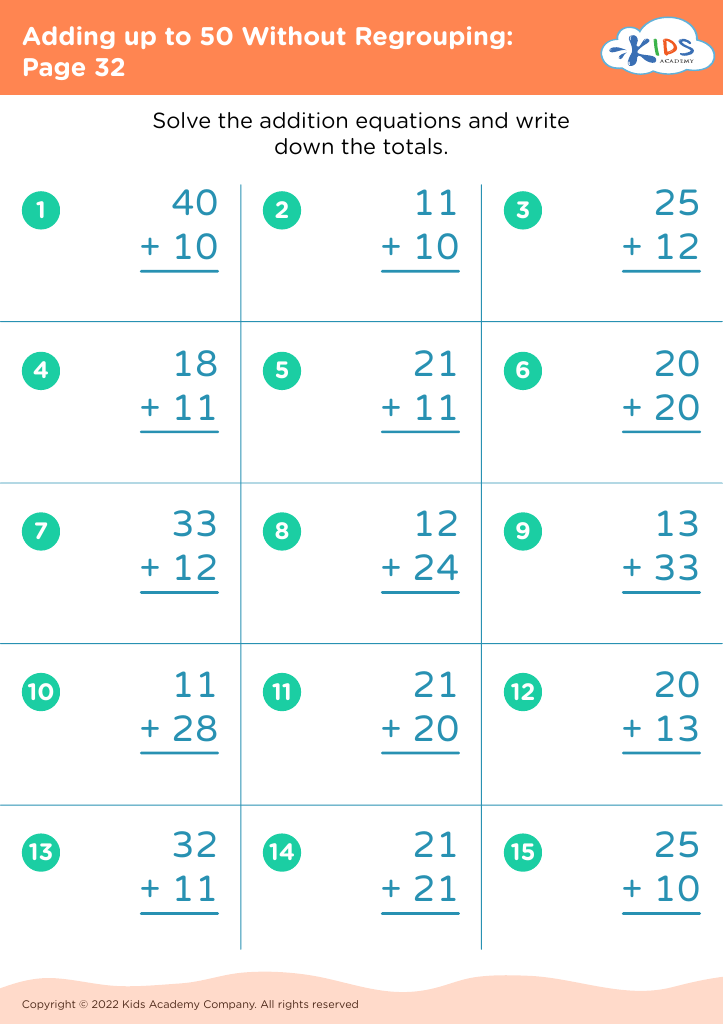
Discover our "Visual Perception Improvement Addition Worksheets” designed to enhance children's mathematical abilities while bolstering their visual perception skills. Perfect for young learners, these engaging worksheets combine fun addition problems with visual exercises to improve shape and pattern recognition, attention to detail, and cognitive development. The diverse activity sheets offer varied challenges that keep kids motivated and excited to learn. Boost your child's academic success with these thoughtfully crafted resources that make learning math enjoyable and visually stimulating. Ideal for home or classroom use, our worksheets are a valuable addition to any child's early education routine.


.jpg)




.jpg)
Visual perception improvement is crucial for a child’s overall development and learning process, making it a vital area of focus for both parents and teachers. Visual perception refers to the brain's ability to make sense of visual information, enabling children to understand, interpret, and respond to what they see. Enhancing these skills can significantly impact a child's academic performance, particularly in reading, writing, and mathematics.
For instance, when it comes to reading, children with strong visual perception skills can easily differentiate between letters and words, leading to improved reading fluency and comprehension. Similarly, in mathematics, these skills help in recognizing numbers, understanding patterns, and performing tasks like addition and subtraction with greater accuracy.
Furthermore, visual perception improvement supports everyday activities such as navigating spaces, participating in sports, and engaging in arts and crafts, fostering better motor coordination and spatial awareness. For teachers, nurturing these skills can lead to more effective classroom management and a smoother learning experience, as children become more adept at following instructions and completing assignments independently.
Parents also play a crucial role by incorporating activities that promote visual perception skills at home, like puzzles, drawing, and interactive games. By caring about and actively seeking to improve visual perception, both teachers and parents can create a supportive environment where children thrive academically, socially, and emotionally.








