Comparing quantities Comparing Numbers Worksheets
3 filtered results
-
From - To
Enhance your child's math skills with our "Comparing Quantities - Comparing Numbers Worksheets." These engaging resources are designed for young learners to foster a solid understanding of greater than, less than, and equal to concepts. Through fun activities and colorful illustrations, children will practice comparing groups of objects and numeric values, building their confidence in mathematical reasoning. Perfect for classrooms or home study, our worksheets cater to early grade students, making learning enjoyable and interactive. Help your child master the essentials of quantity comparison while developing critical thinking and problem-solving skills. Explore our worksheets and watch their math abilities flourish!
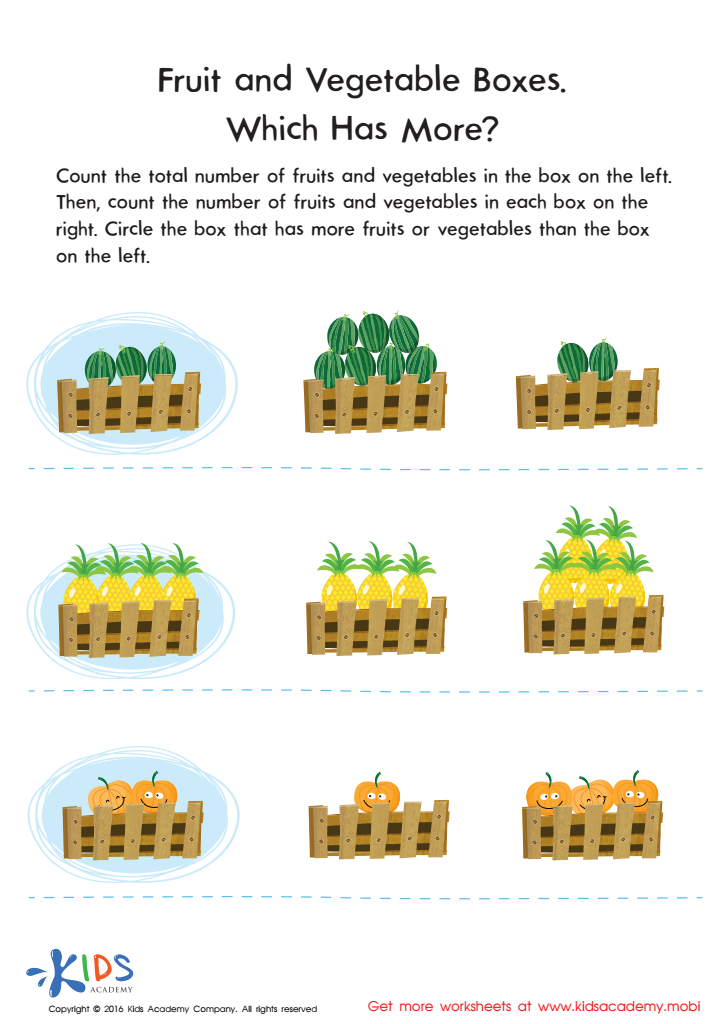
Which Has More? Size Worksheet
 Assign to My Students
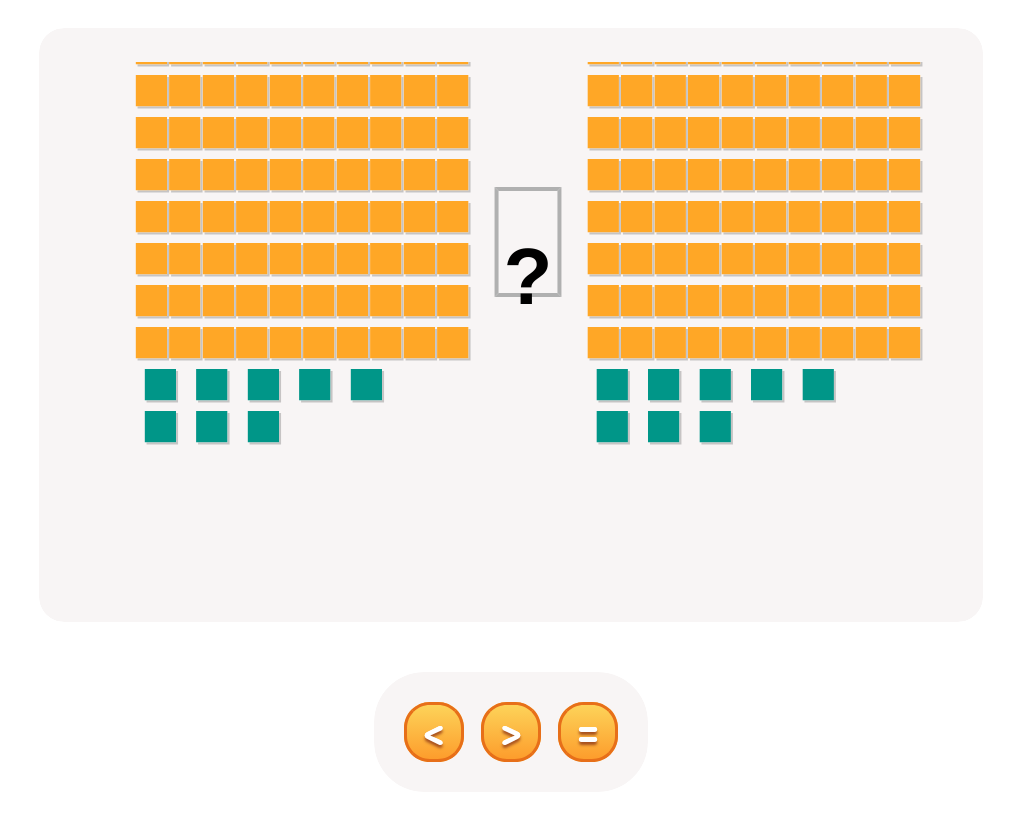

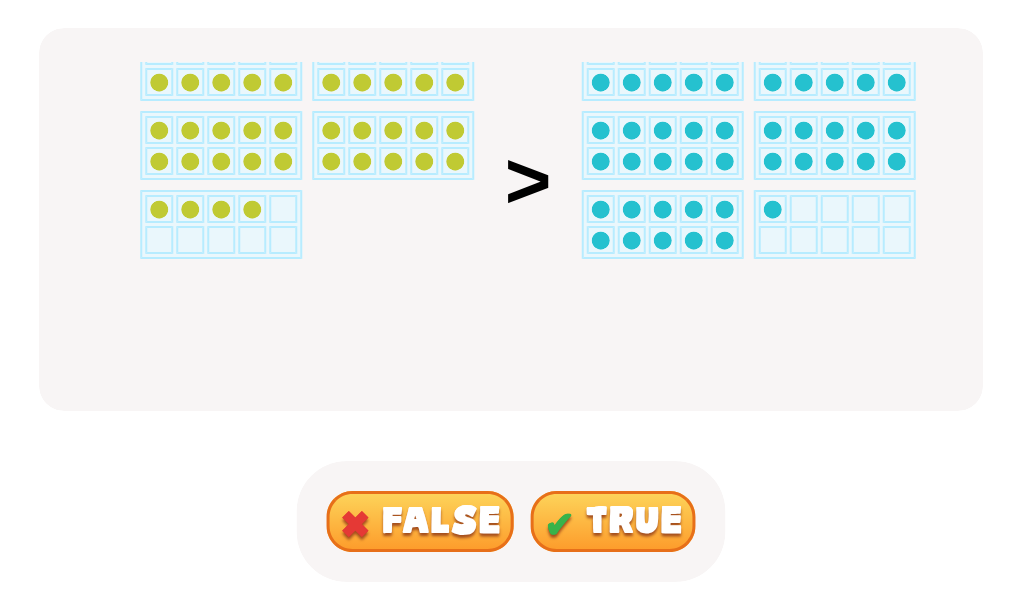
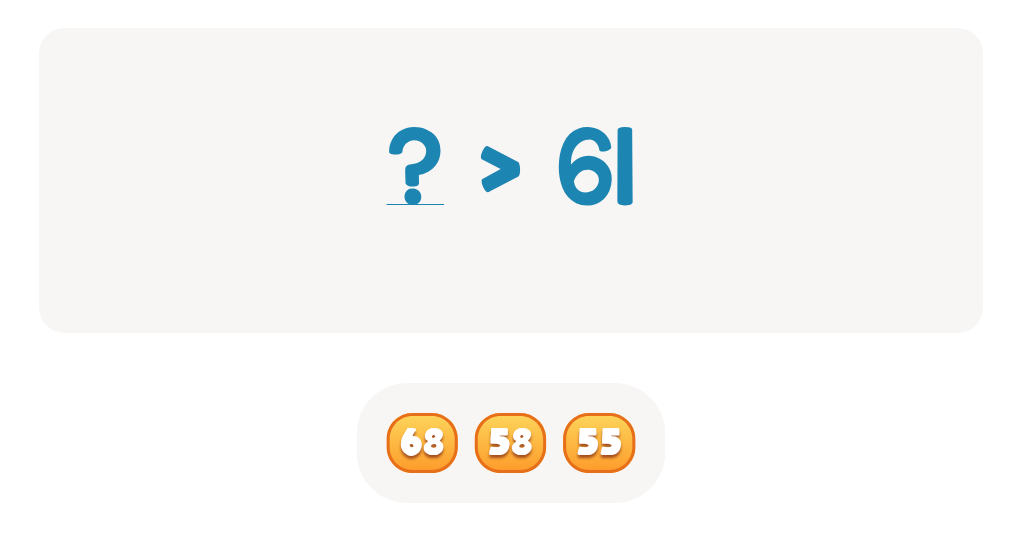
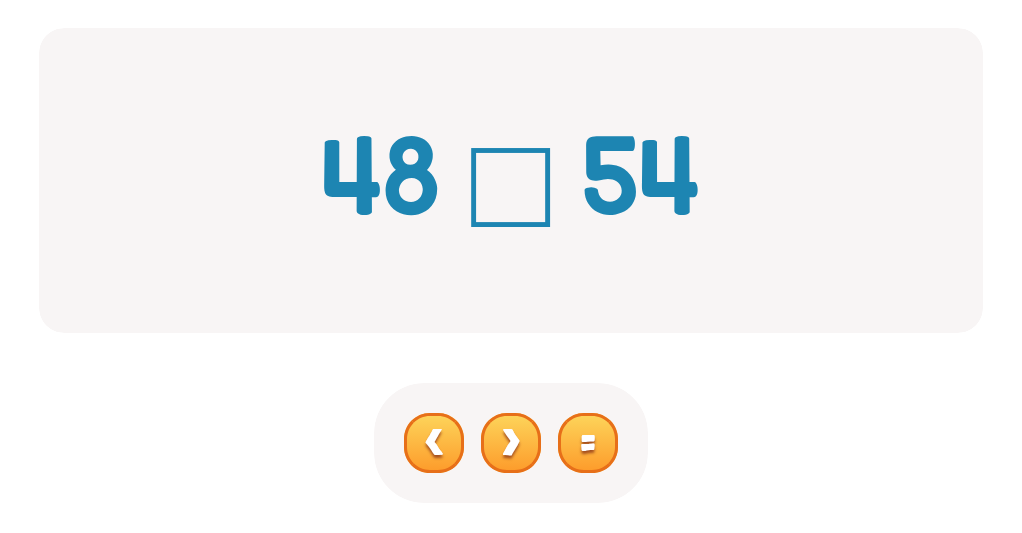
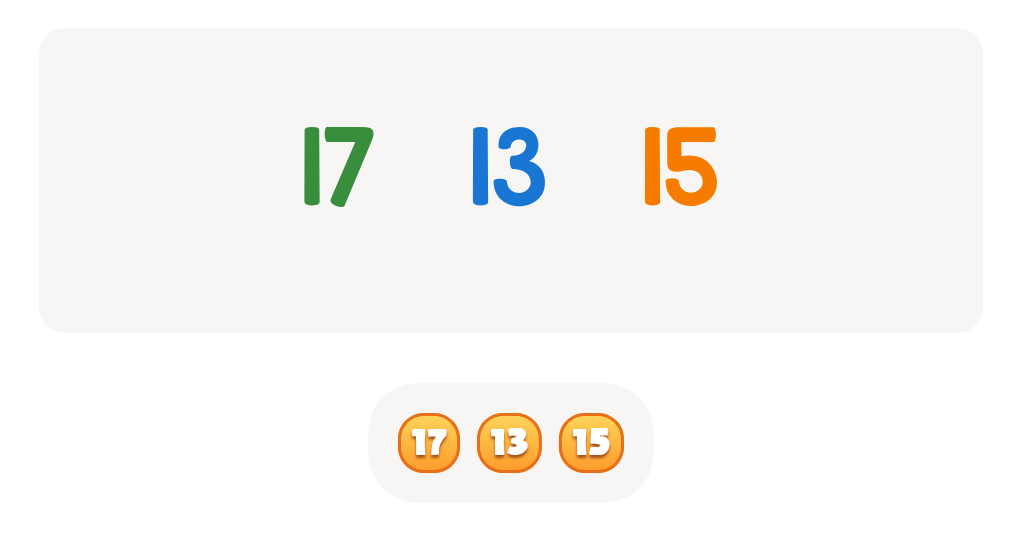
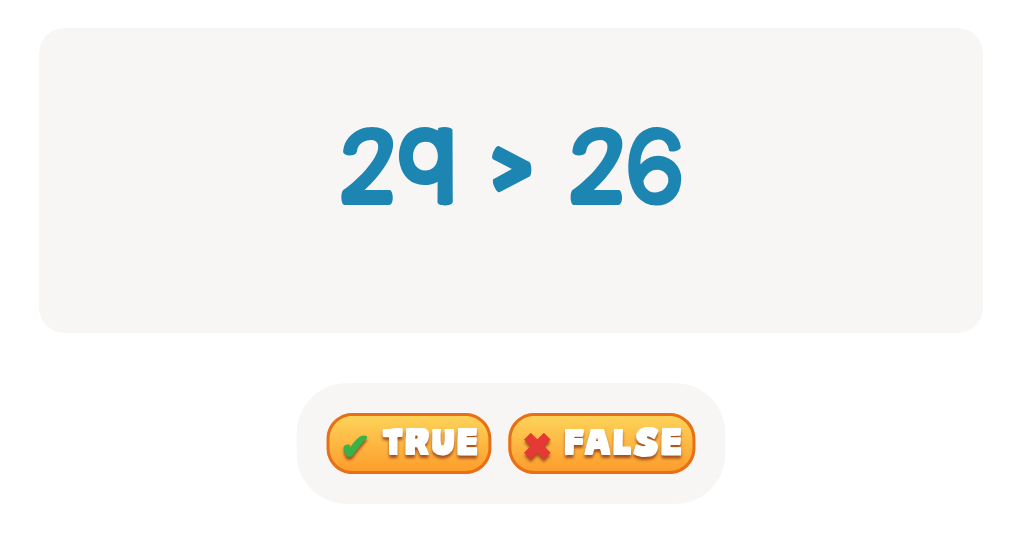
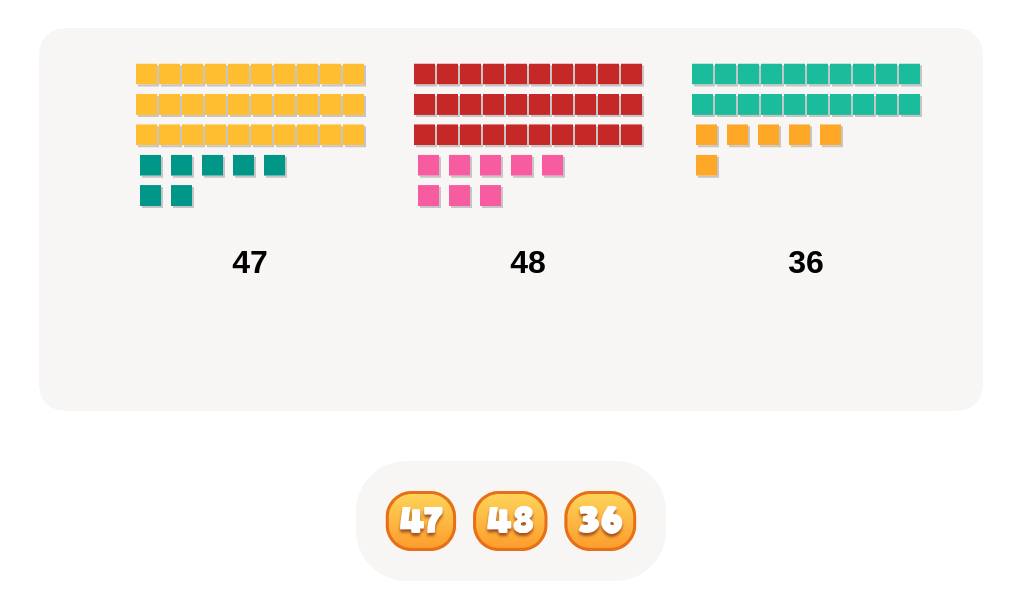
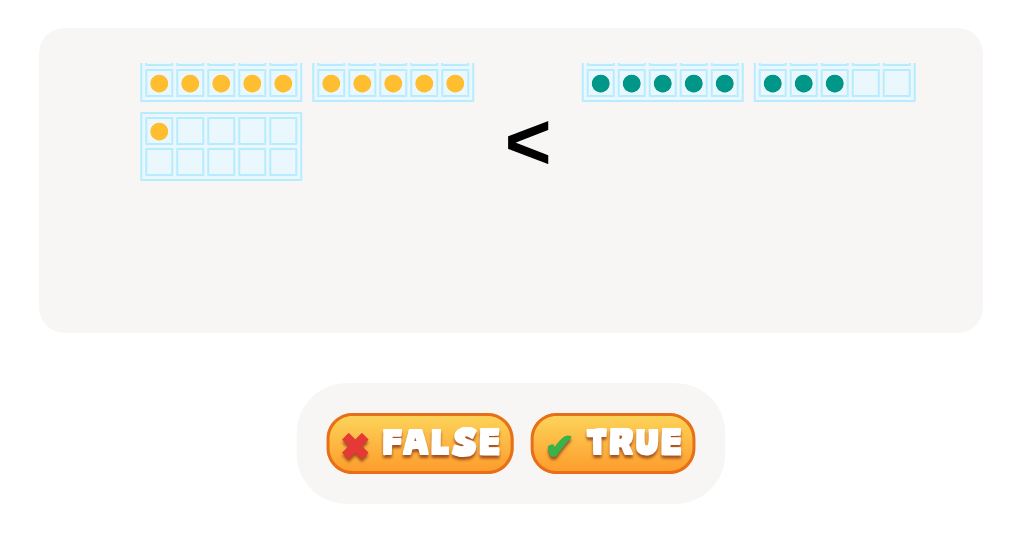
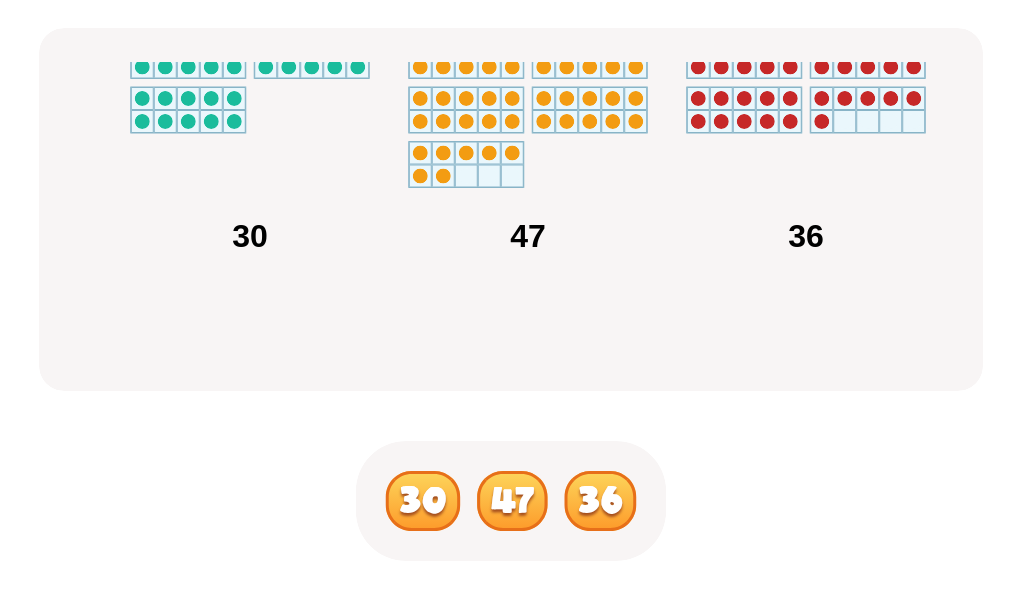
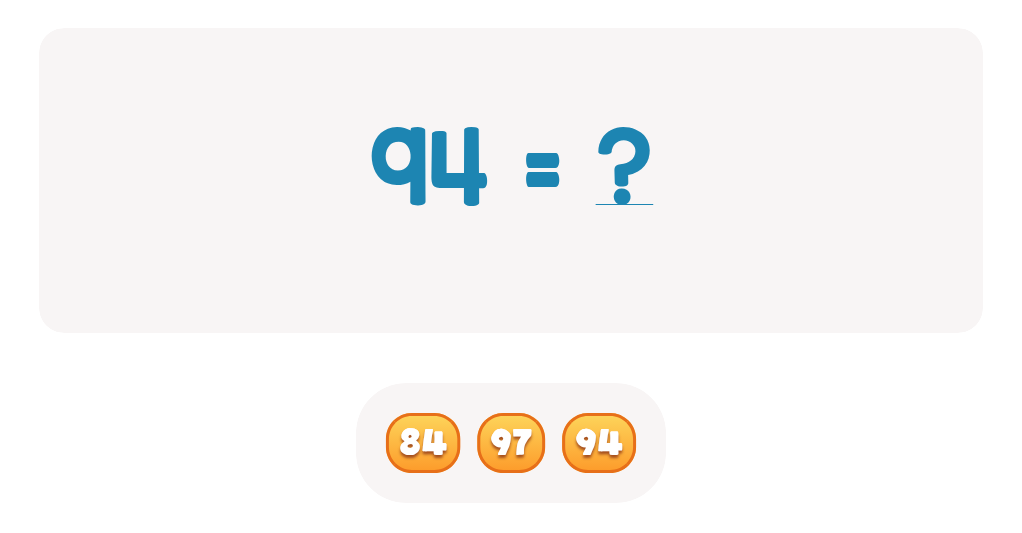
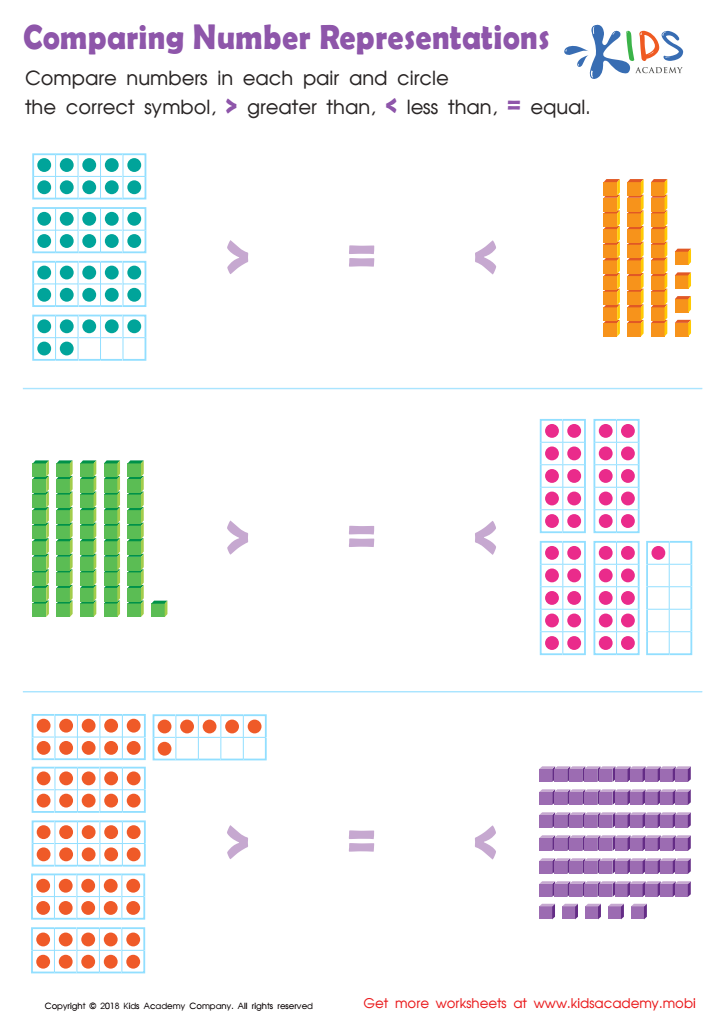
Comparing Number Representations Worksheet
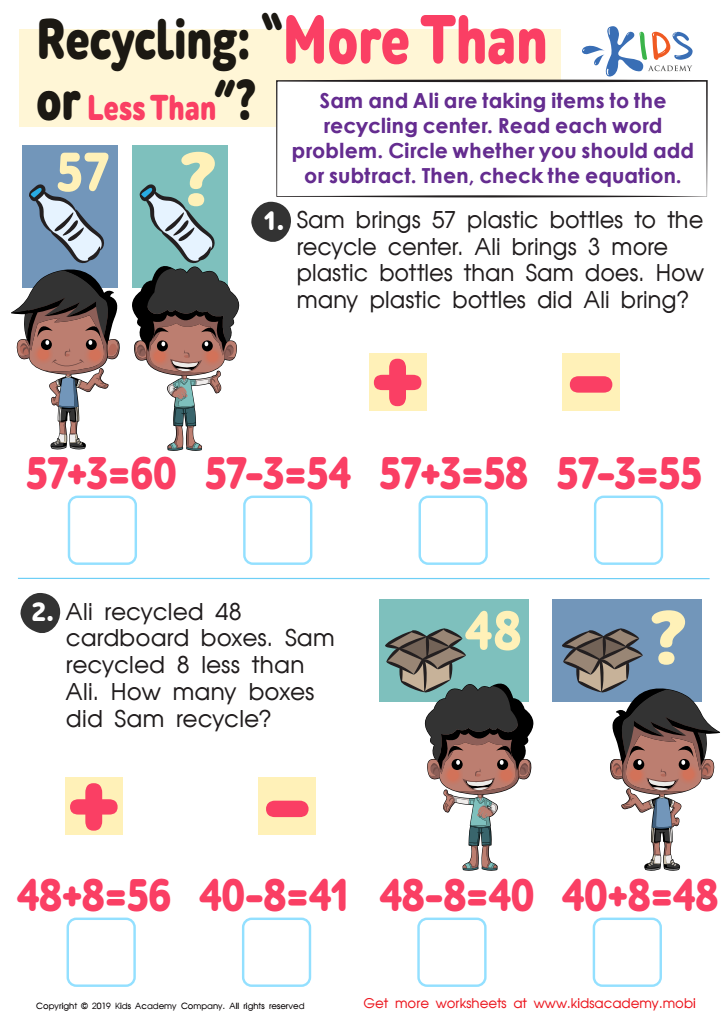
Recycling - More or Less Worksheet








Parents and teachers should care about comparing quantities and numbers because these concepts are foundational to a child's understanding of mathematics and critical thinking skills. When children learn to compare quantities, they develop the ability to discern differences, make accurate judgments, and solve real-life problems. This skill is essential not only in mathematics but also in everyday situations, such as comparing prices while shopping or measuring ingredients in cooking.
Engaging children in comparing numbers fosters a strong number sense, which is crucial for further mathematical learning, including addition, subtraction, and even more advanced concepts like fractions and ratios. It lays the groundwork for logical reasoning, as children analyze relationships between quantities. Moreover, this practice can enhance their analytical skills, helping them to draw conclusions based on evidence.
Additionally, encouraging comparisons can make learning fun and interactive. Activities like games and practical applications nurture a child's curiosity, making math more enjoyable. Parents and teachers can use everyday contexts to show the relevance of these skills, deepening a child's interest and capability in mathematics. By prioritizing the comparison of quantities and numbers, adults play a critical role in forming confident, capable learners equipped to navigate both academic and real-world challenges.