Improving counting skills Comparing Numbers Worksheets
3 filtered results
-
From - To
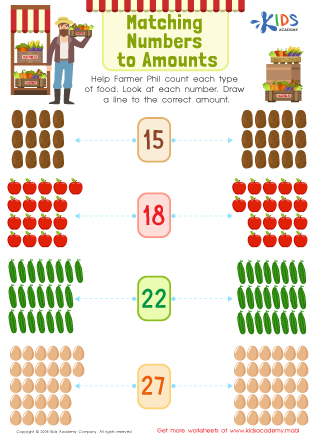
Enhance your child's counting skills with our engaging Comparing Numbers Worksheets! Designed for early learners, these interactive resources offer a fun and effective way to grasp essential math concepts. Through a range of activities, children will strengthen their ability to count, compare, and understand number relationships. Each worksheet features colorful illustrations and easy-to-follow instructions that motivate young minds to practice critical thinking and problem-solving. These worksheets are perfect for reinforcing classroom lessons or supplementing home learning. Download and print today to watch your child flourish as they improve their counting and comparison abilities, laying a strong foundation for future math success!
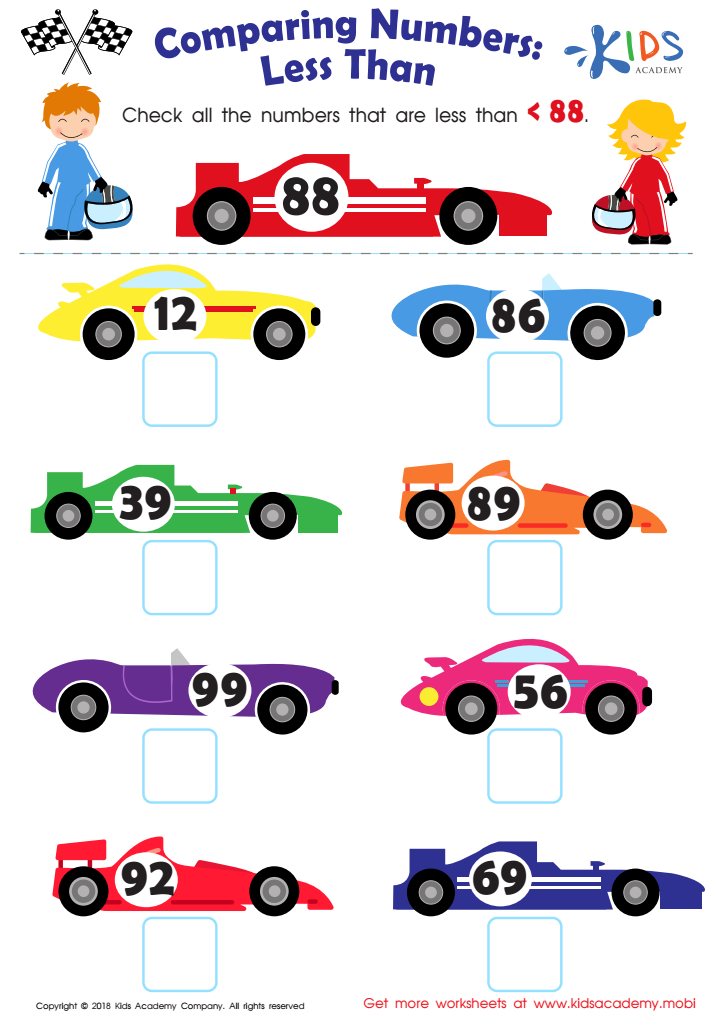
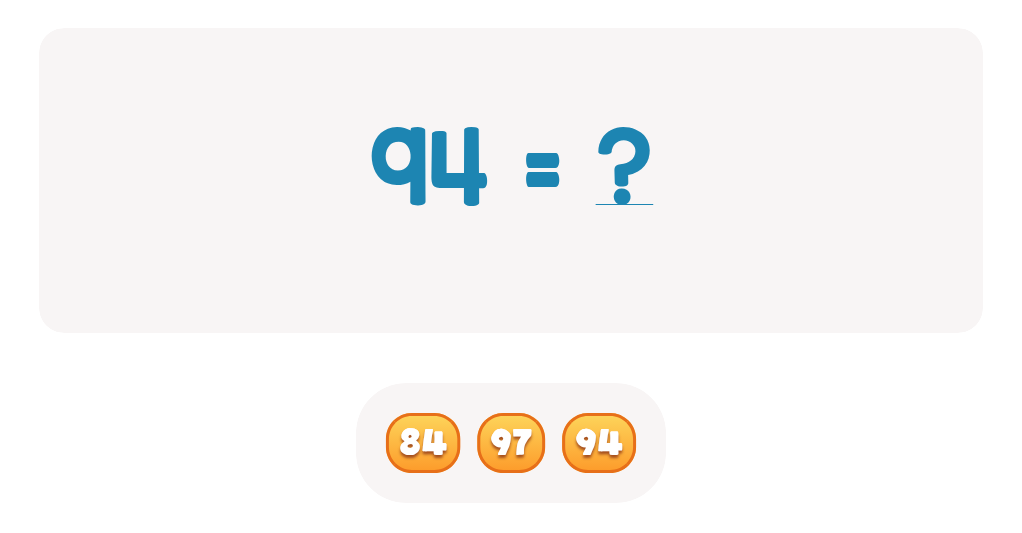
Less Than Worksheet
 Assign to My Students
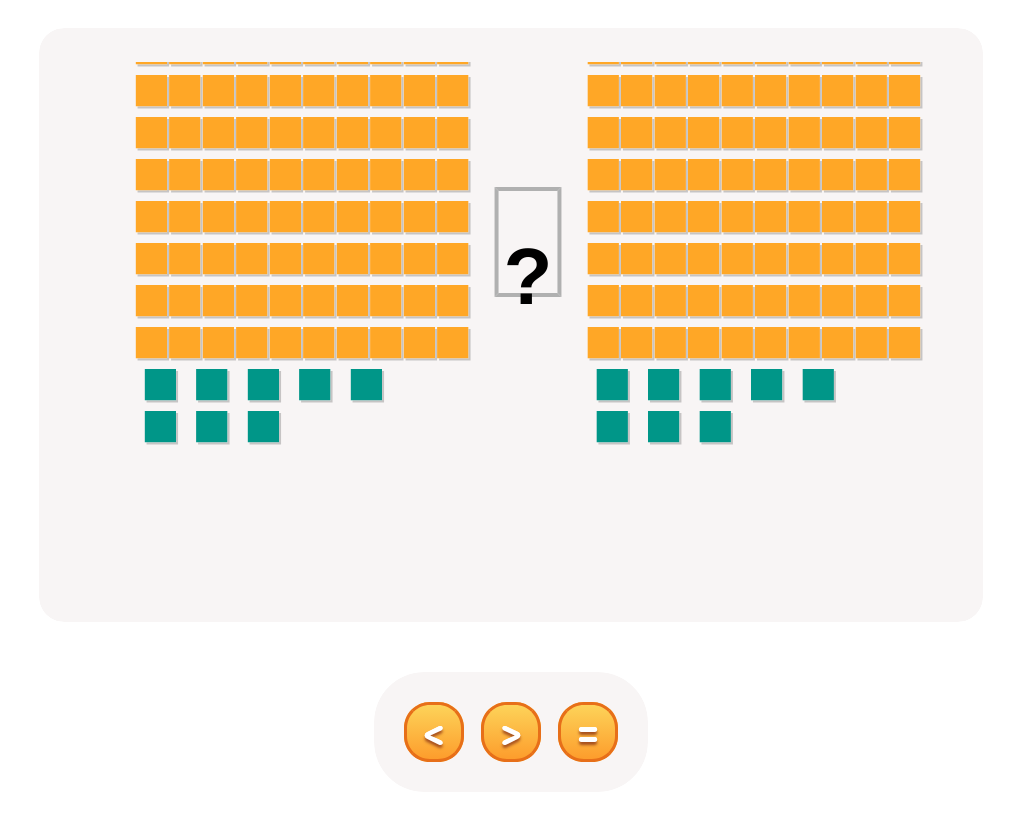

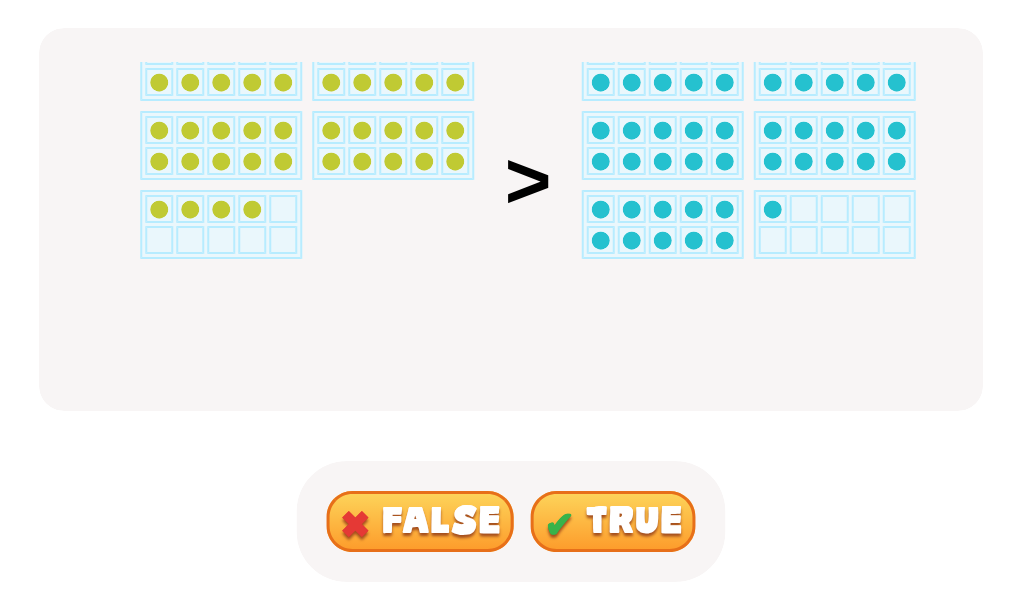
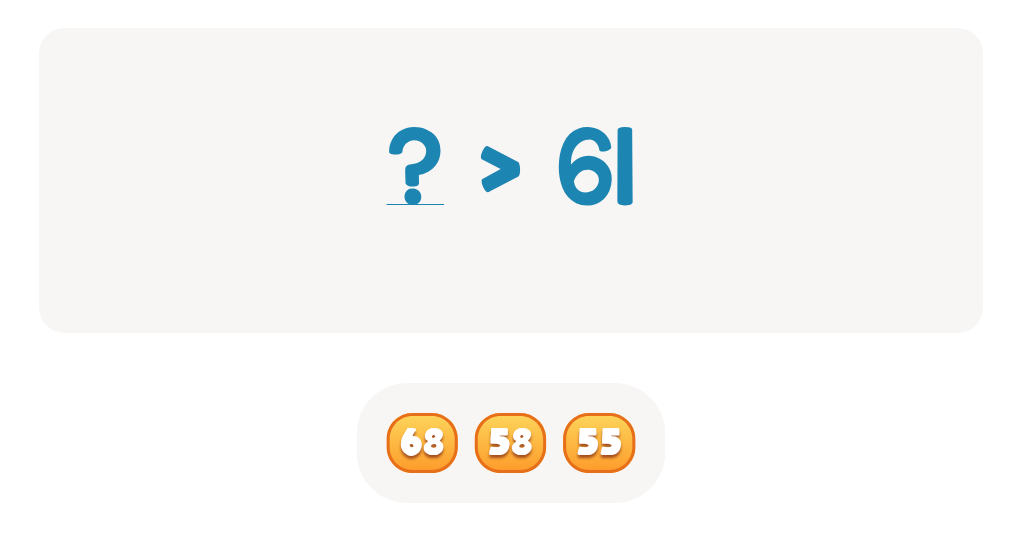
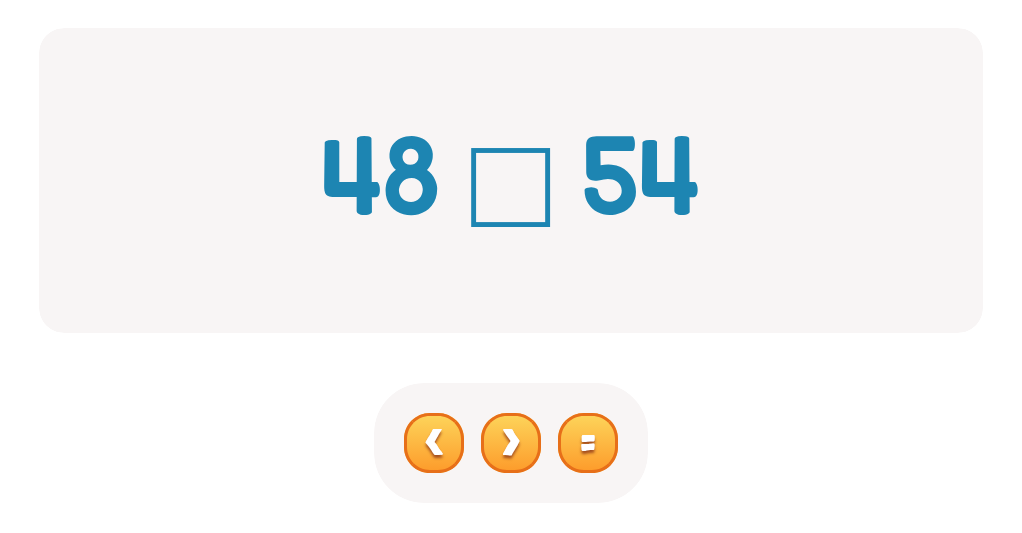
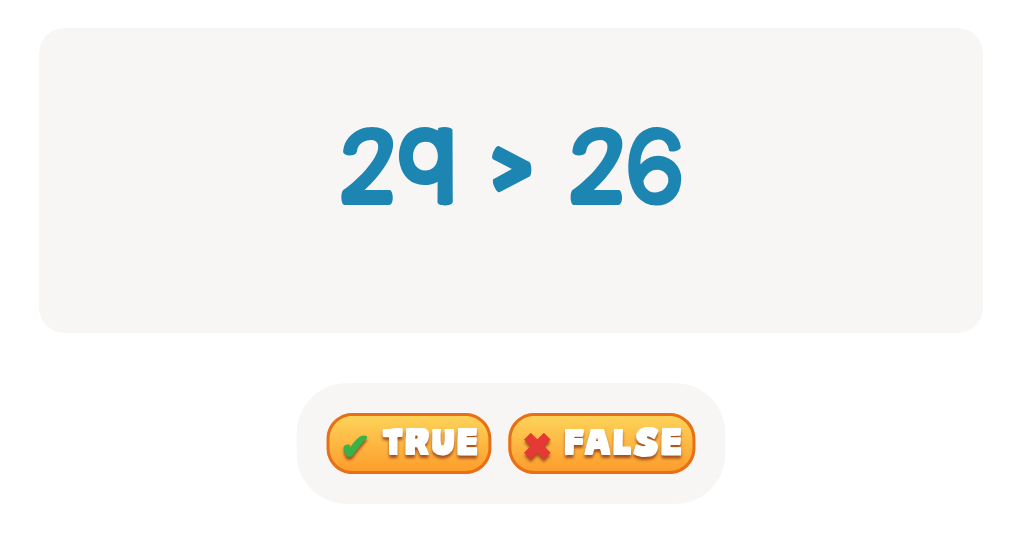
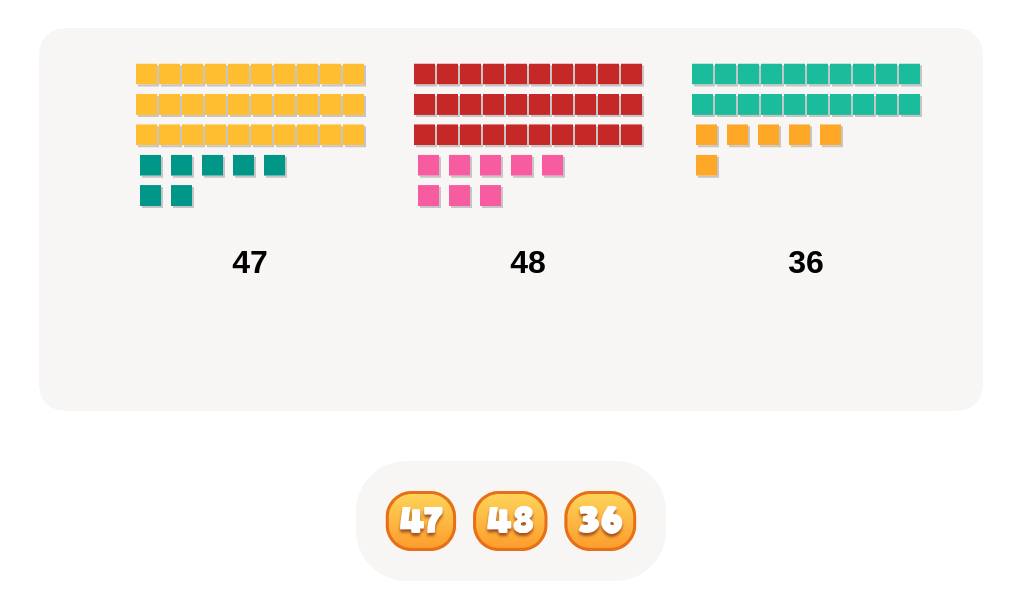
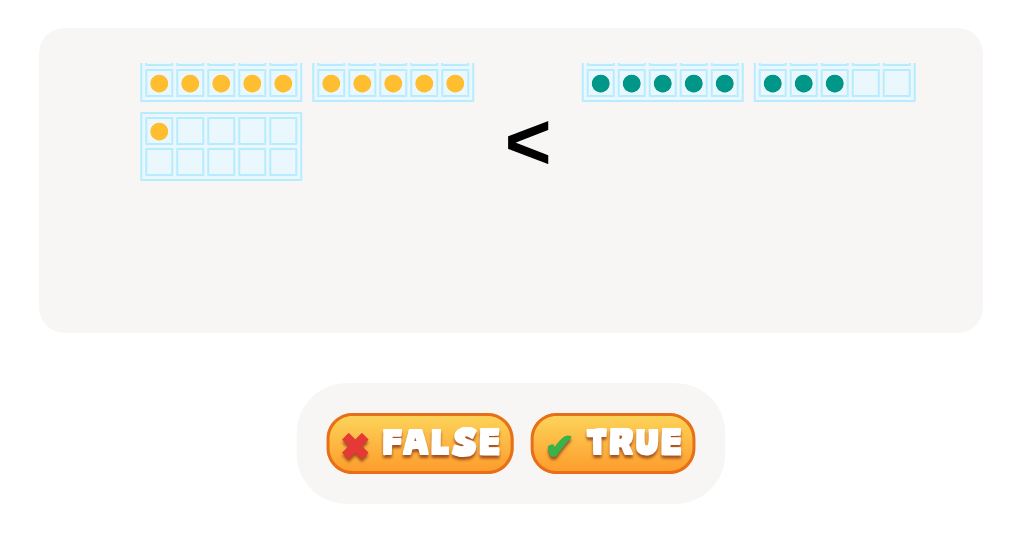
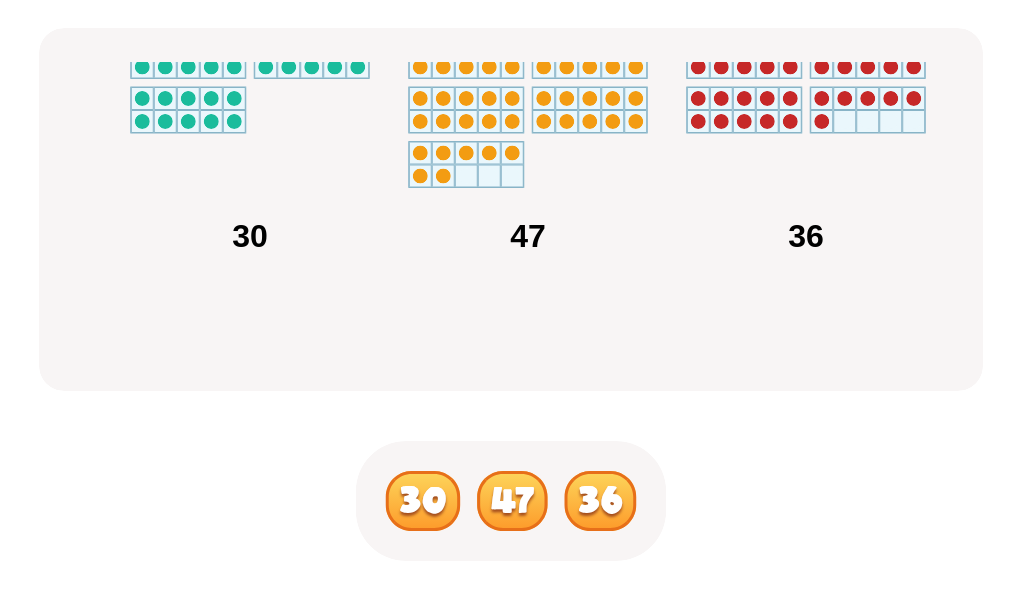
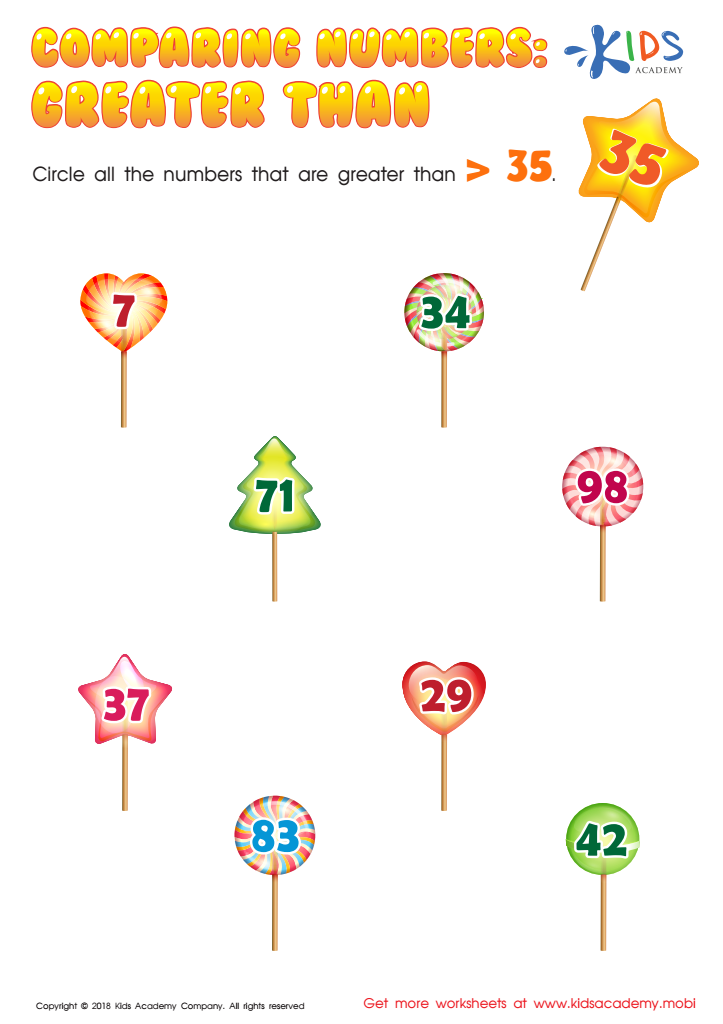
Greater Than Worksheet
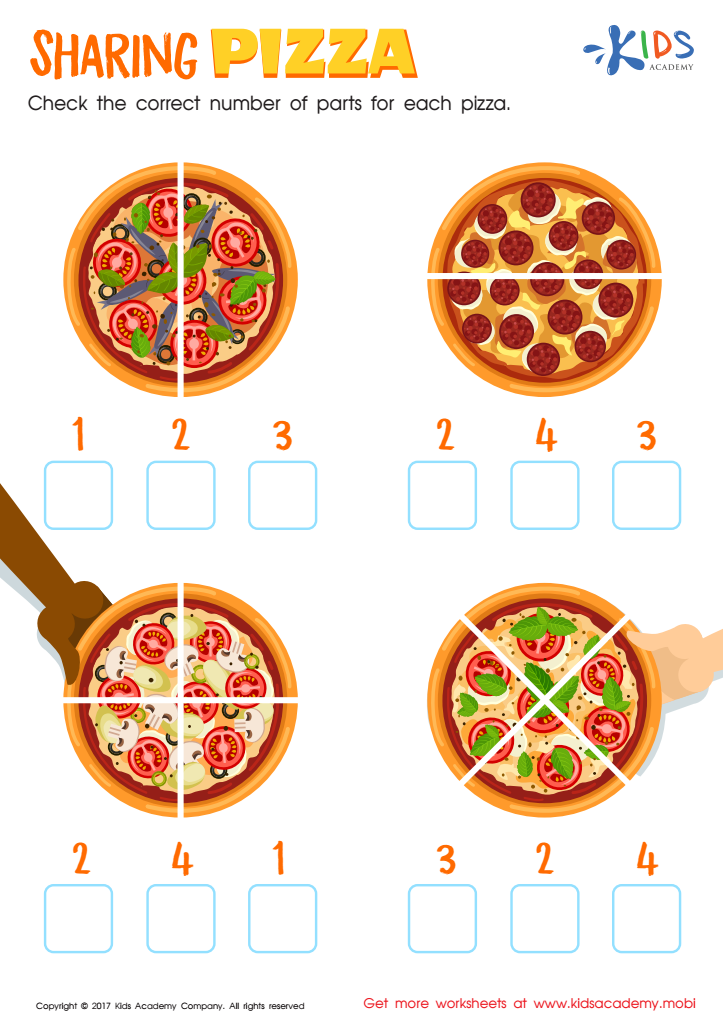
Sharing Pizza Worksheet







Improving counting skills and comparing numbers is vital for young learners as it lays the foundation for all future mathematical concepts. First and foremost, strong counting skills enable children to understand quantity, which is crucial for everyday tasks, such as shopping or sharing. Mastering counting enhances children's problem-solving abilities and prepares them for more advanced topics, like addition, subtraction, and even fractions.
Moreover, comparing numbers helps students develop critical thinking skills. When learners assess whether one number is greater than, less than, or equal to another, they refine their analytical capabilities, as well as their understanding of relationships between quantities. This skill is not just academic; it’s necessary for making informed decisions in real-life situations, from budget planning to resource allocation.
Parents and teachers play a pivotal role in fostering these skills. Engaging learners in fun, interactive activities, such as counting objects during play or comparing sizes and amounts during cooking, can make these concepts more accessible. Additionally, promoting a positive math experience boosts students' confidence and motivates them to tackle more complex mathematical challenges in the future. Overall, prioritizing counting and comparing numbers is essential for developing numeracy skills that positively impact a child's academic journey and daily life.