Understanding skip-counting Counting Worksheets
3 filtered results
-
From - To
Explore our engaging "Understanding Skip-Counting Worksheets" designed to enhance foundational math skills for young learners. These worksheets provide a variety of activities that make skip-counting fun and interactive, helping children grasp the concept of counting by increments – whether it's by twos, fives, or tens. With colorful illustrations and relatable themes, each worksheet promotes critical thinking and problem-solving skills. Ideal for classroom use or at-home practice, these resources support the development of numerical fluency, paving the way for future mathematical concepts. Unlock your child's potential in math while fostering confidence through our well-structured skip-counting exercises. Start counting creatively today!
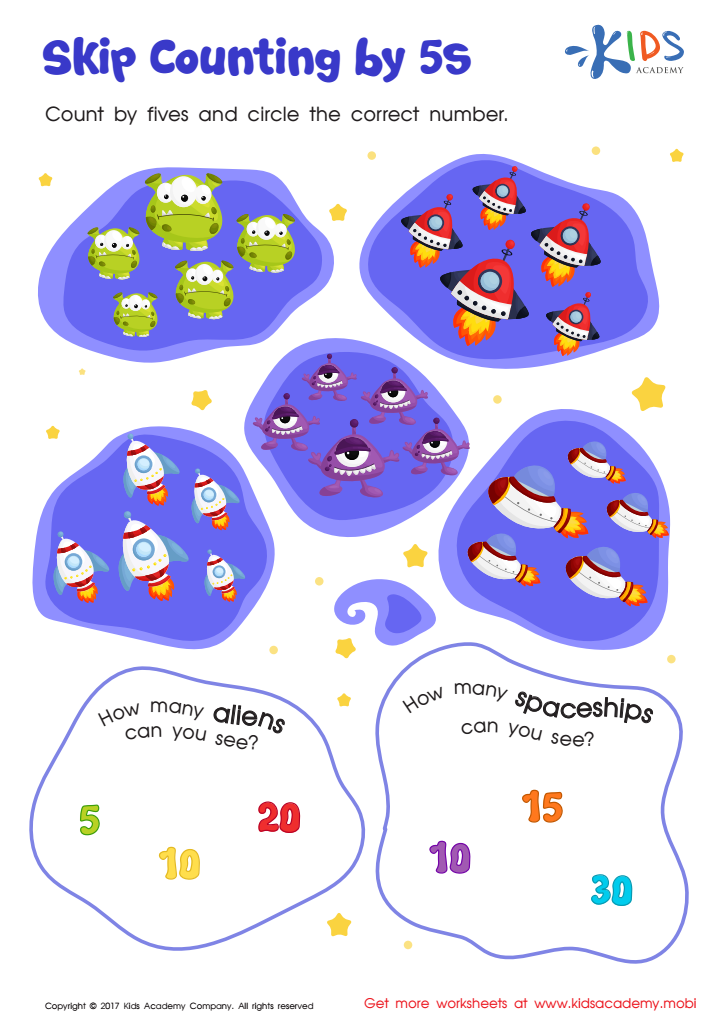
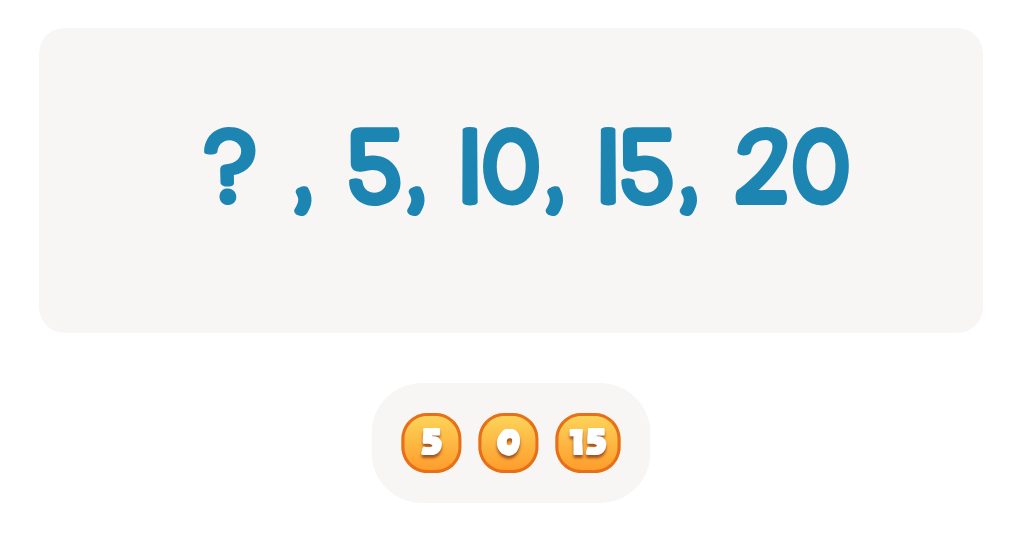
Skip Counting by 5s: Aliens and Spaceships Printable
 Assign to My Students


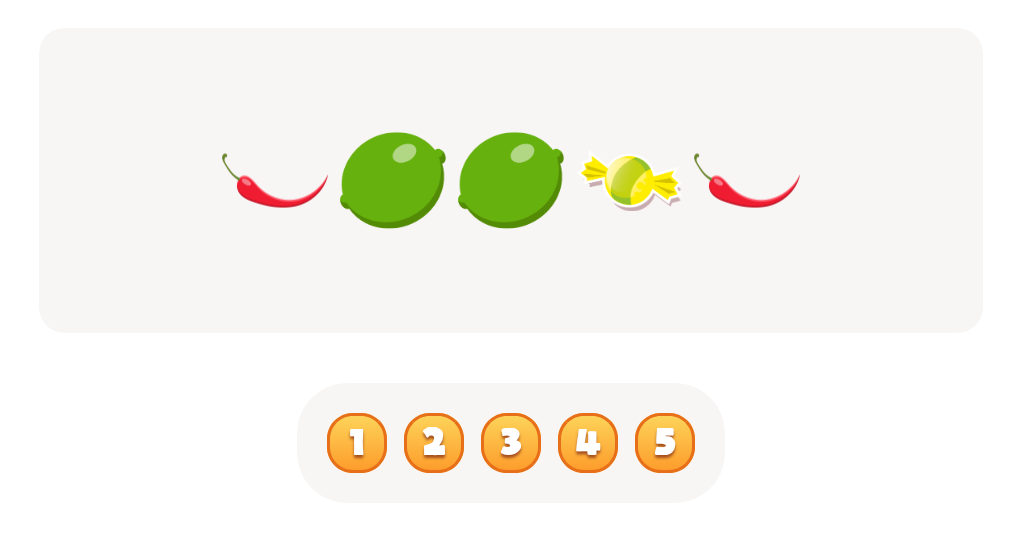
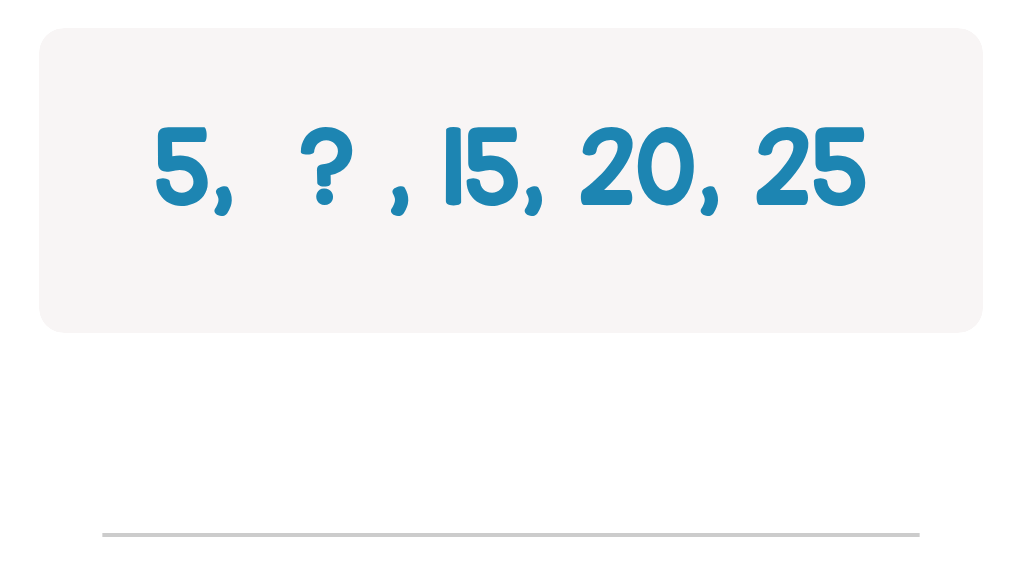
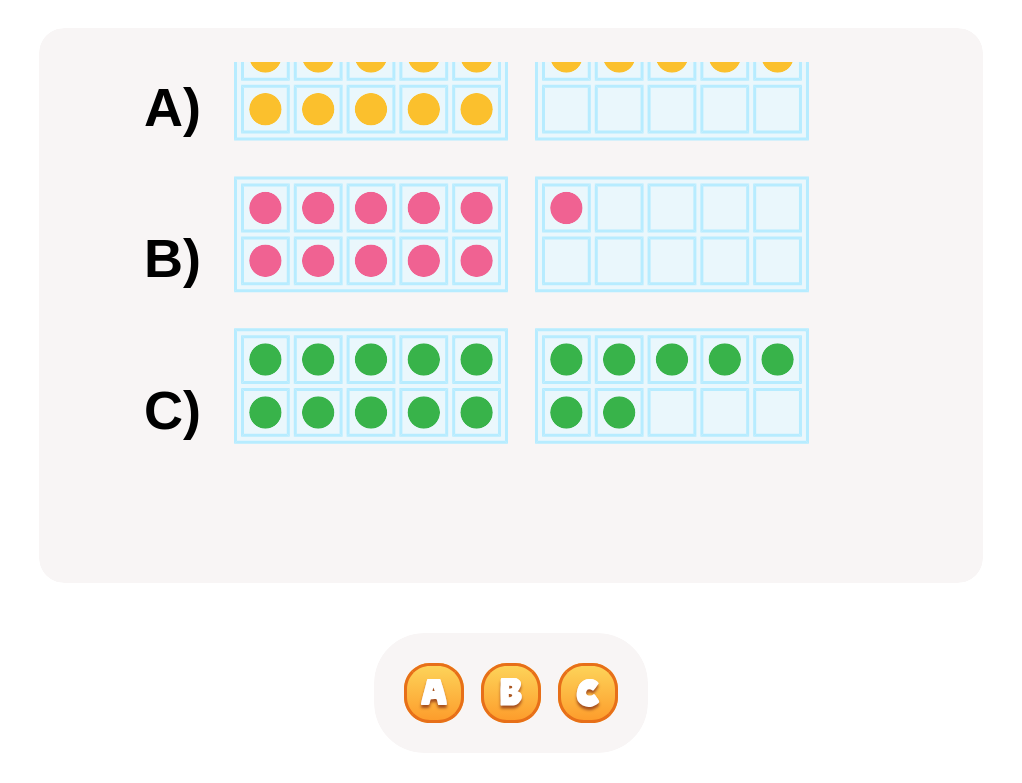
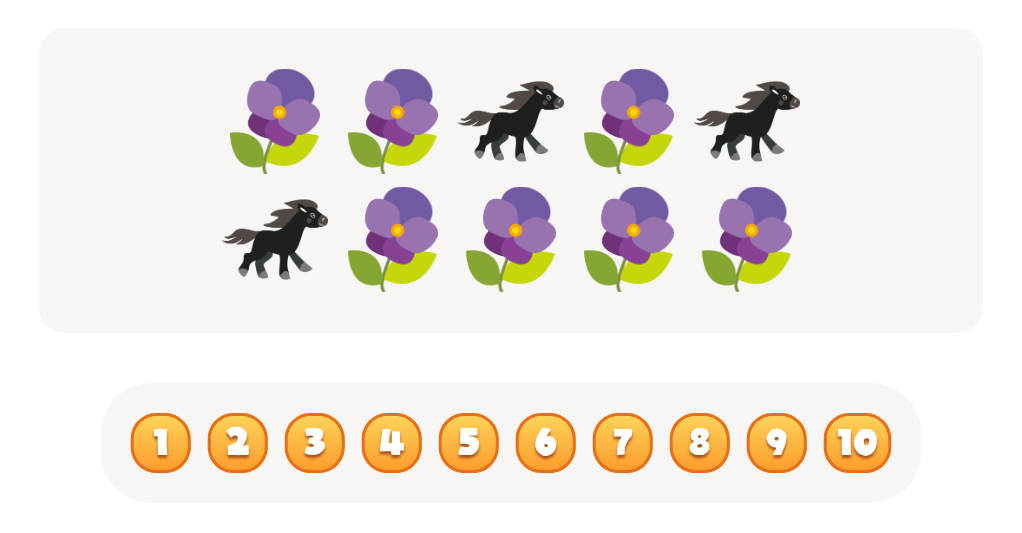
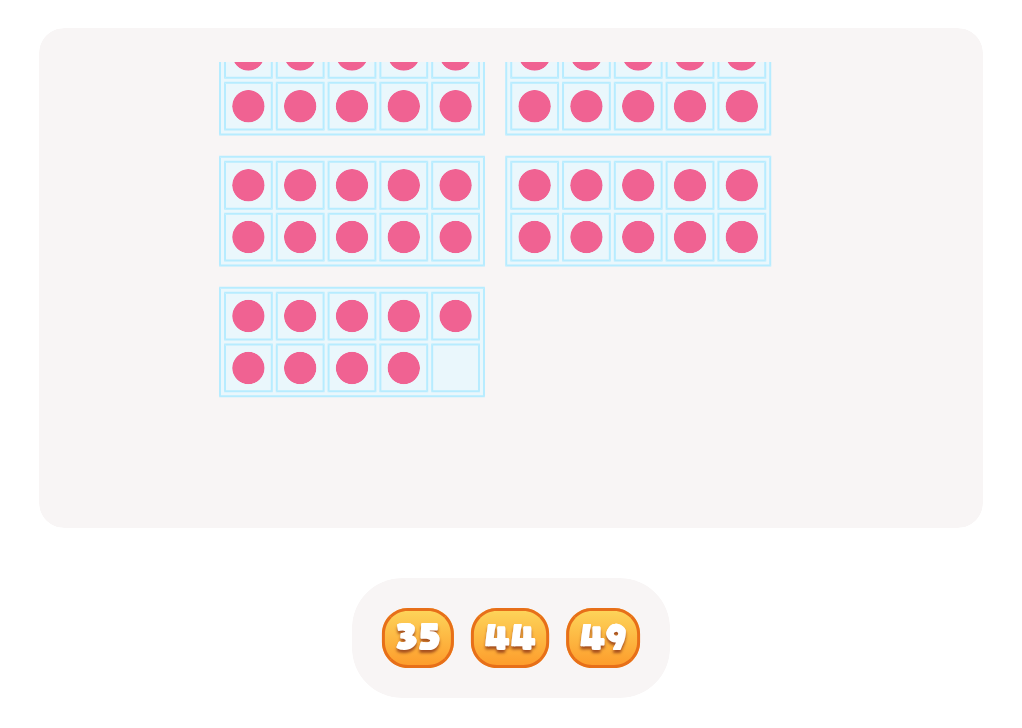
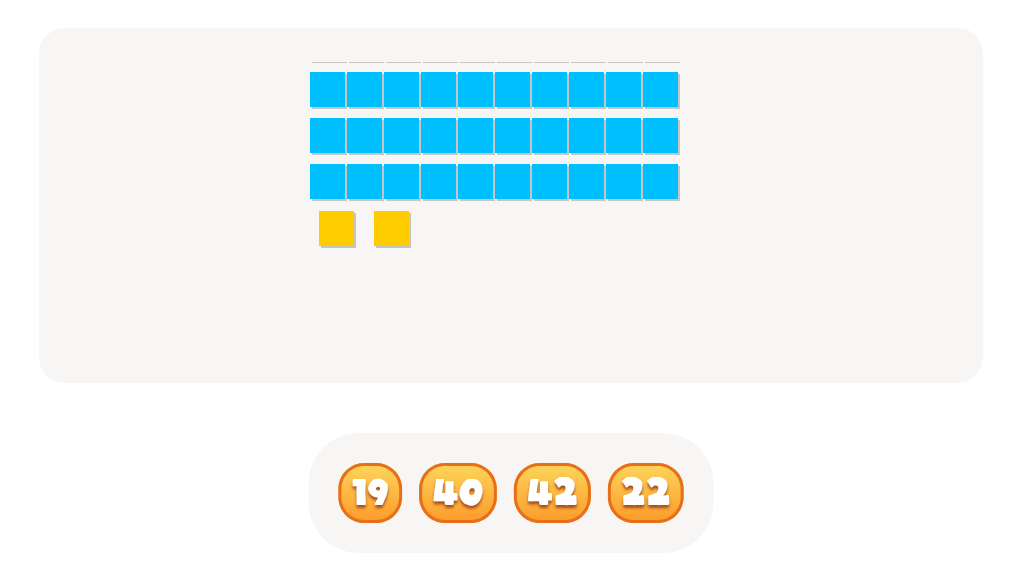
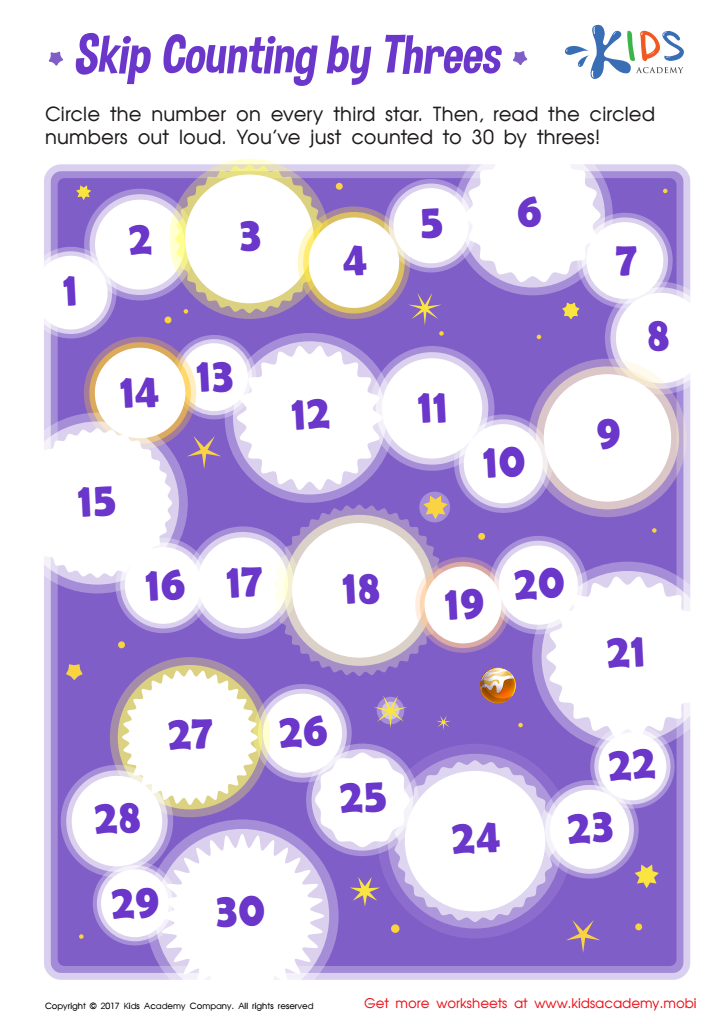
Skip Counting By Three Printable
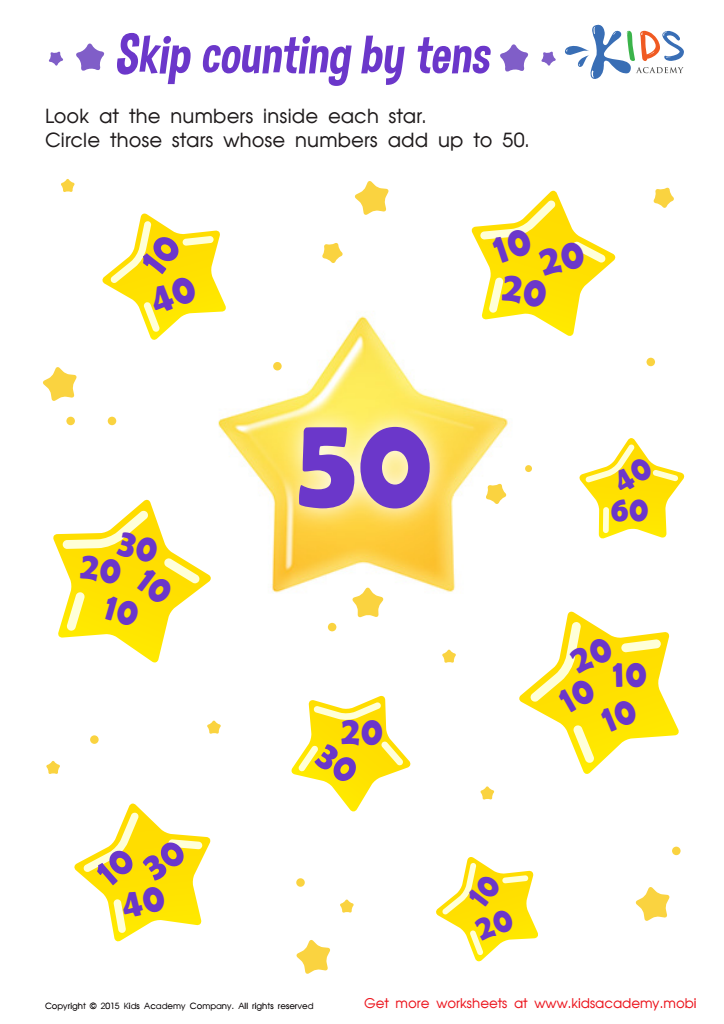
Learn Dozens: Skip Counting by Tens Printable








Skip-counting is a fundamental mathematical skill that forms the basis for many advanced concepts in arithmetic and number sense. Parents and teachers should prioritize understanding skip-counting because it enhances children's math fluency and lays the groundwork for more complex operations, such as multiplication and division. By counting by twos, fives, or tens, children not only become adept at handling larger numbers but also improve their ability to recognize patterns and relationships in mathematics. This skill is immensely valuable in real-life applications, such as telling time, counting money, and understanding measurements.
Additionally, skip-counting assists in boosting memory and cognitive development by encouraging children to think beyond simply counting one-by-one. It fosters an early understanding of multiplication as repeated addition. Parents and teachers can create engaging activities that incorporate skip-counting, turning it into a fun and interactive experience. Moreover, an enriched understanding of skip-counting can help build a child’s confidence in their mathematical abilities, leading to a more positive attitude towards math as they progress in their education. By focusing on skip-counting, caregivers play a crucial role in shaping children’s future success with math, leading to greater academic outcomes and lifelong skills.








