Understanding number relationships Numbers Worksheets
3 filtered results
-
From - To
Discover the perfect resources to help your child grasp key math concepts with our Understanding Number Relationships Numbers Worksheets. Designed for early learners, these engaging and educational worksheets focus on building a strong foundation in number comparisons, sequences, and basic arithmetic. Our visually appealing printables cater to various learning styles, making math fun and accessible for young minds. With activities that range from identifying greater and smaller numbers to understanding patterns, our worksheets aim to enhance your child's number sense and critical thinking. Start your educational journey with us and watch your child develop confidence in their math skills!
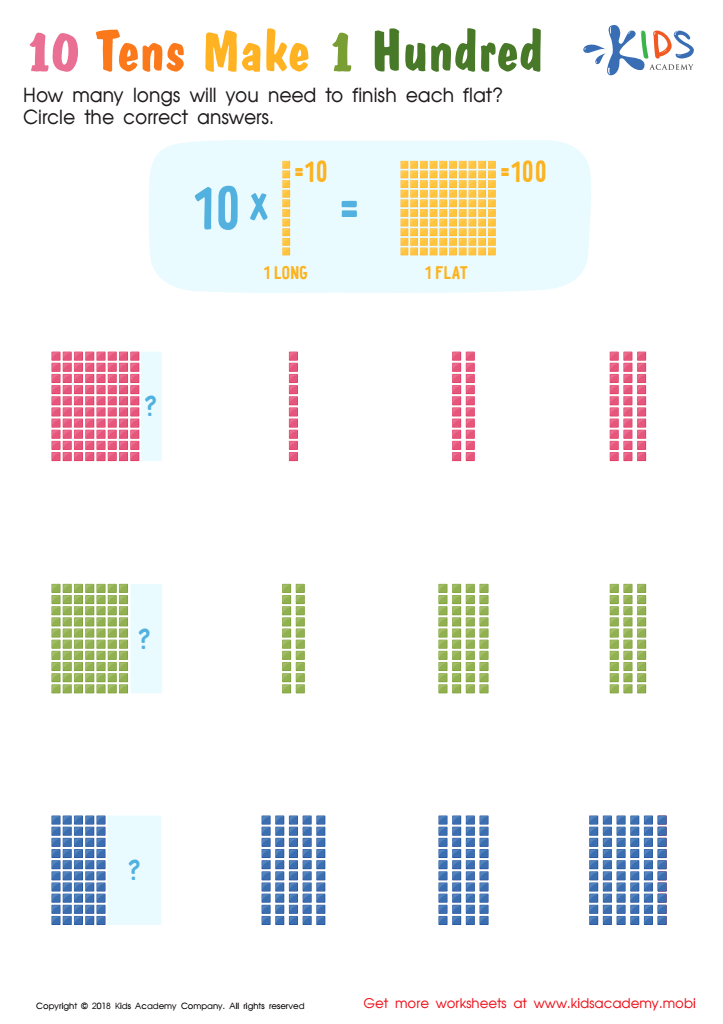
10 Tens Make 1 Hundred Worksheet
 Assign to My Students
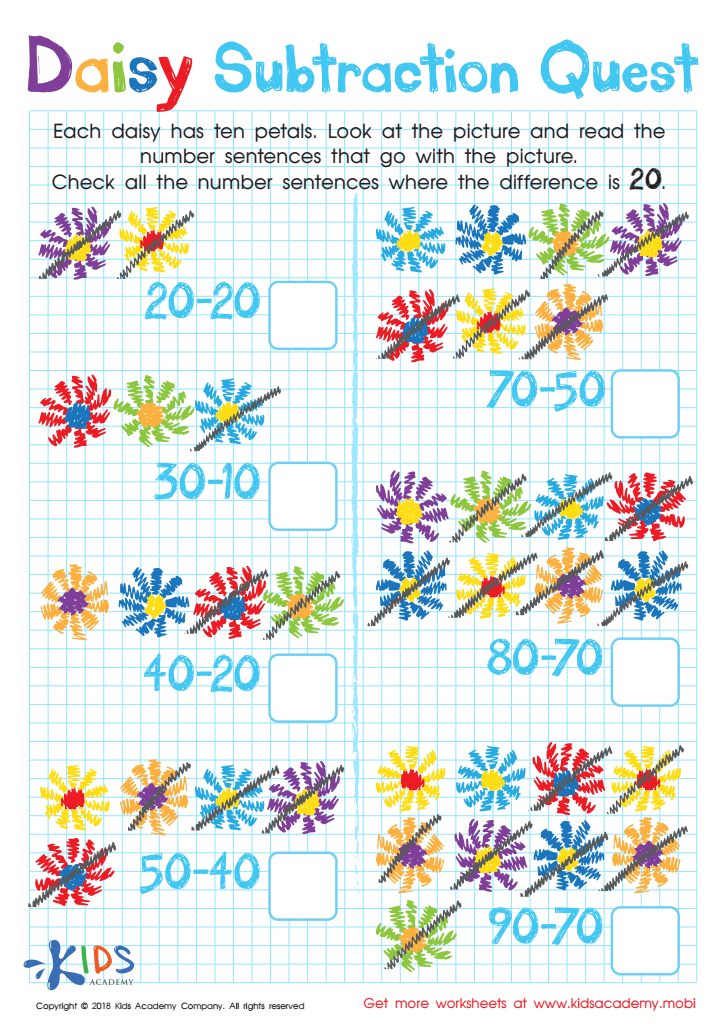
Daisy Subtraction Quest Worksheet
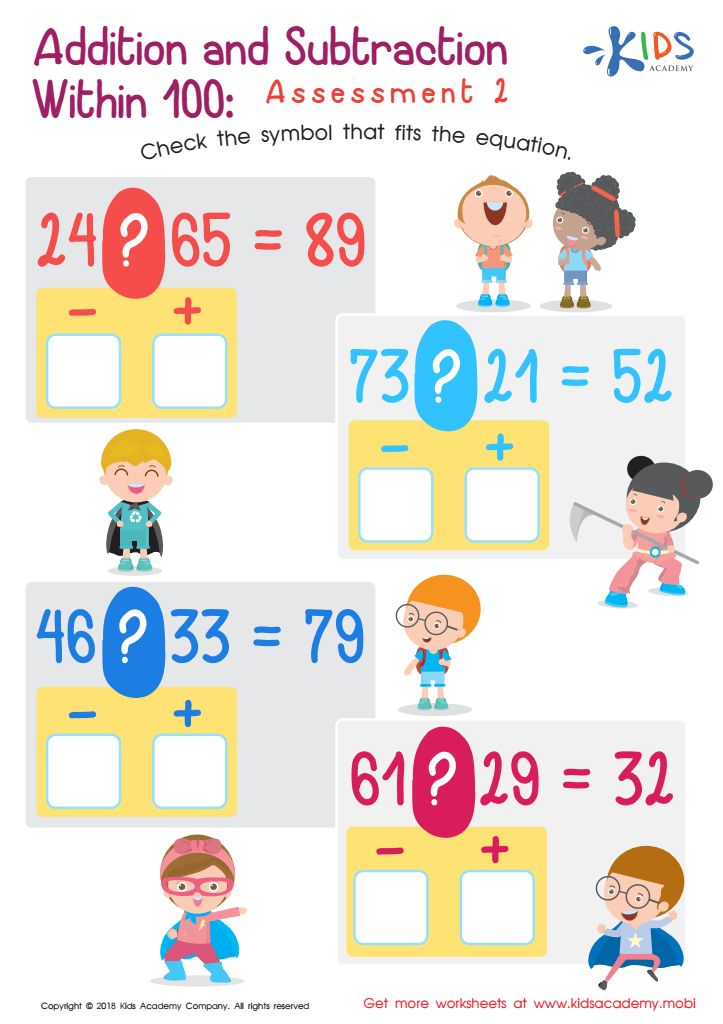
Addition and Subtraction Within 1: Assessment 2 Worksheet




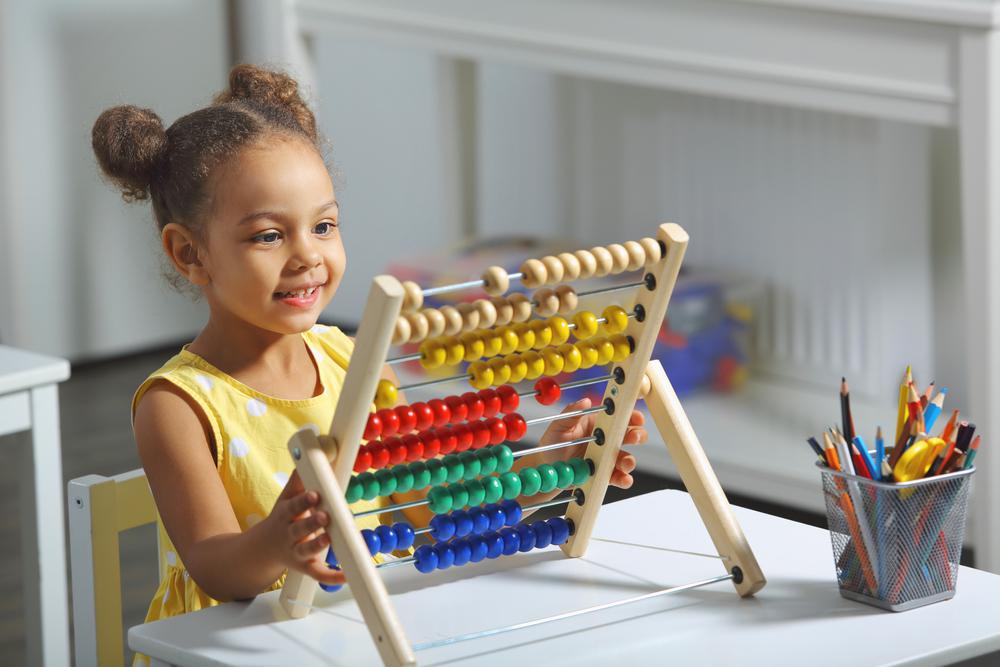



Understanding number relationships is crucial for young learners as it forms the foundation for all future mathematical learning. When parents and teachers invest time in helping children grasp these concepts, they are providing them with critical tools for academic success and daily life problem-solving.
Number relationships include basic concepts such as more than, less than, equal to, and number sequences. These are the building blocks for arithmetic operations and more complex math. For example, understanding that 7 is 3 more than 4 not only helps with addition but also supports understanding subtraction, multiplication, and division later on.
When children don't grasp these relationships early on, they might struggle with more complex math in later grades, leading to frustration and a lack of confidence. Additionally, strong number skills contribute to logical thinking and problem-solving abilities that are applicable in various real-world scenarios, from basic budgeting to cooking and even understanding time.
Engaging children with number games, puzzles, and real-world activities can make learning these relationships fun and intuitive. Therefore, the focus on young learners understanding number relationships is not just about excelling in math; it's about fostering overall cognitive development and practical life skills. Investing in this understanding early sets a foundation for lifelong learning and competence.








