Understanding patterns Numbers Worksheets
7 filtered results
-
From - To
Discover the importance of recognizing patterns in numbers with our "Understanding Patterns Number Worksheets." These engaging worksheets are designed to help early learners develop critical math skills by identifying, creating, and extending numerical patterns. By practicing patterns, children enhance their logical thinking and problem-solving abilities while building a solid foundation in mathematics. Each worksheet is tailored to accommodate various learning styles, making it perfect for classroom use or homeschooling. Explore a variety of exercises that cater to different skill levels, ensuring your child gains confidence in their understanding of numbers through dynamic and interactive learning experiences.
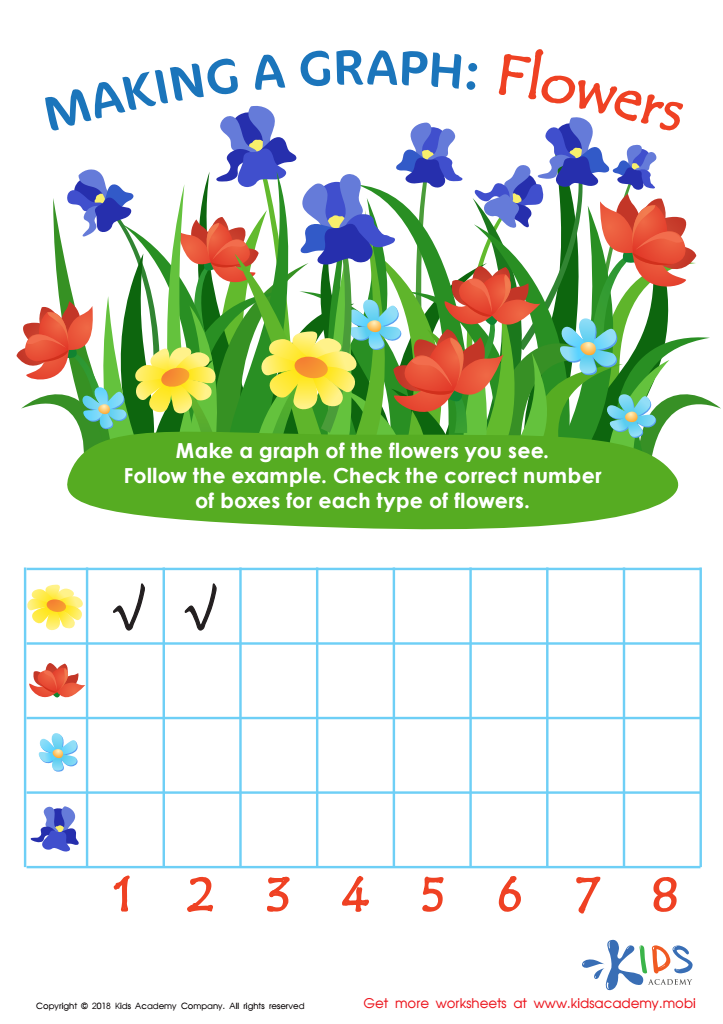
Making a Graph: Flowers Worksheet
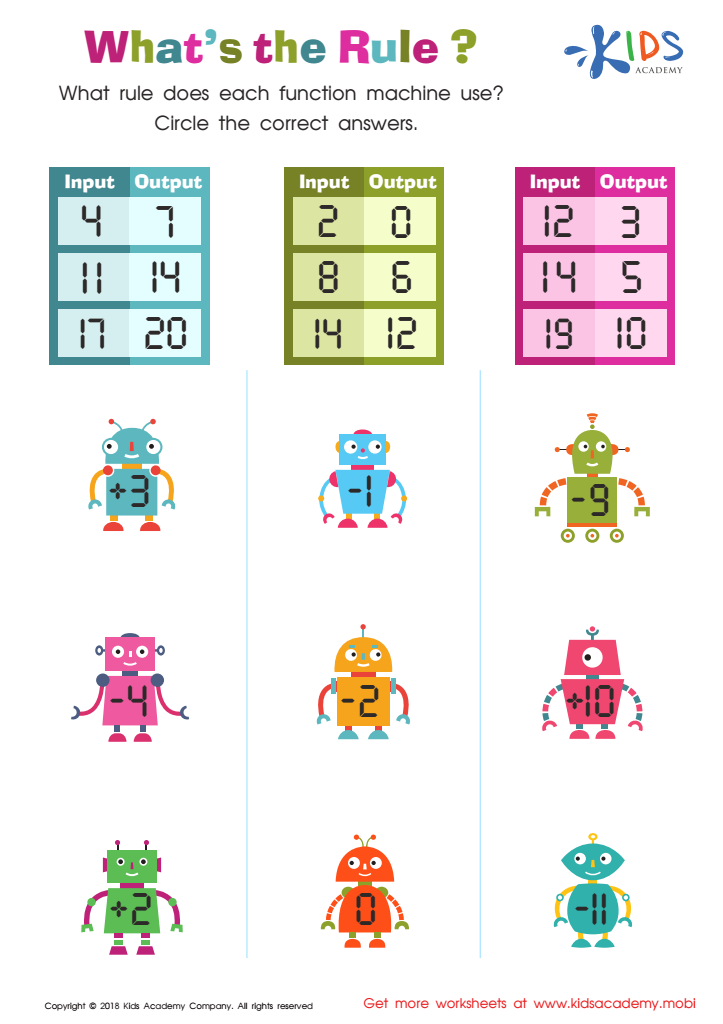
What's the Rule Worksheet
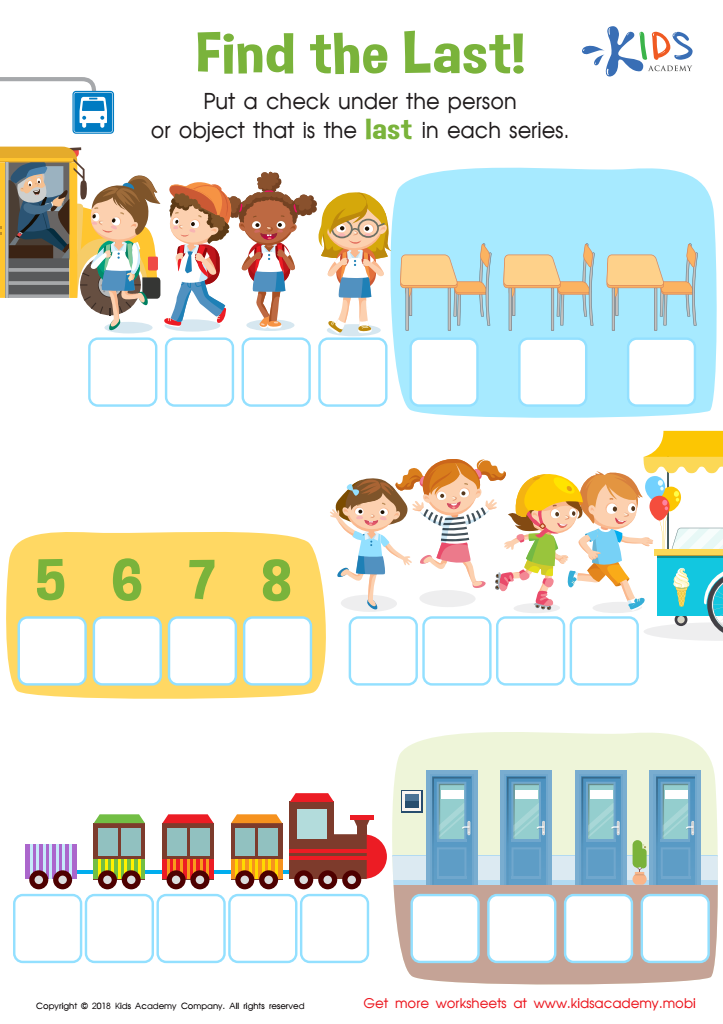
Find the Last! Worksheet
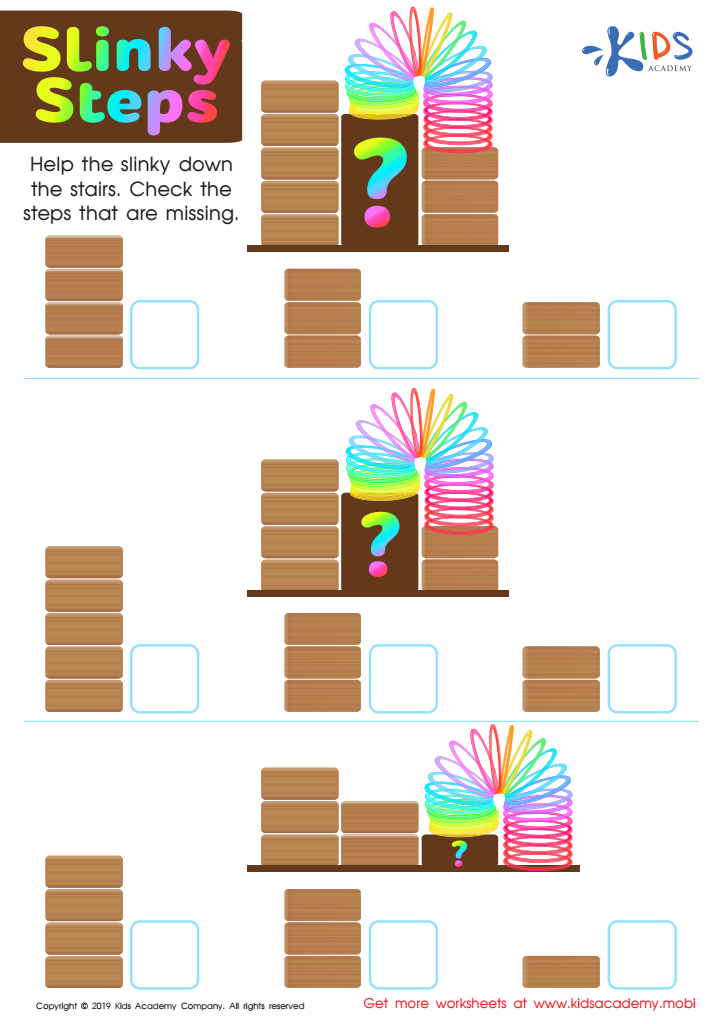
Slinky Steps Worksheet
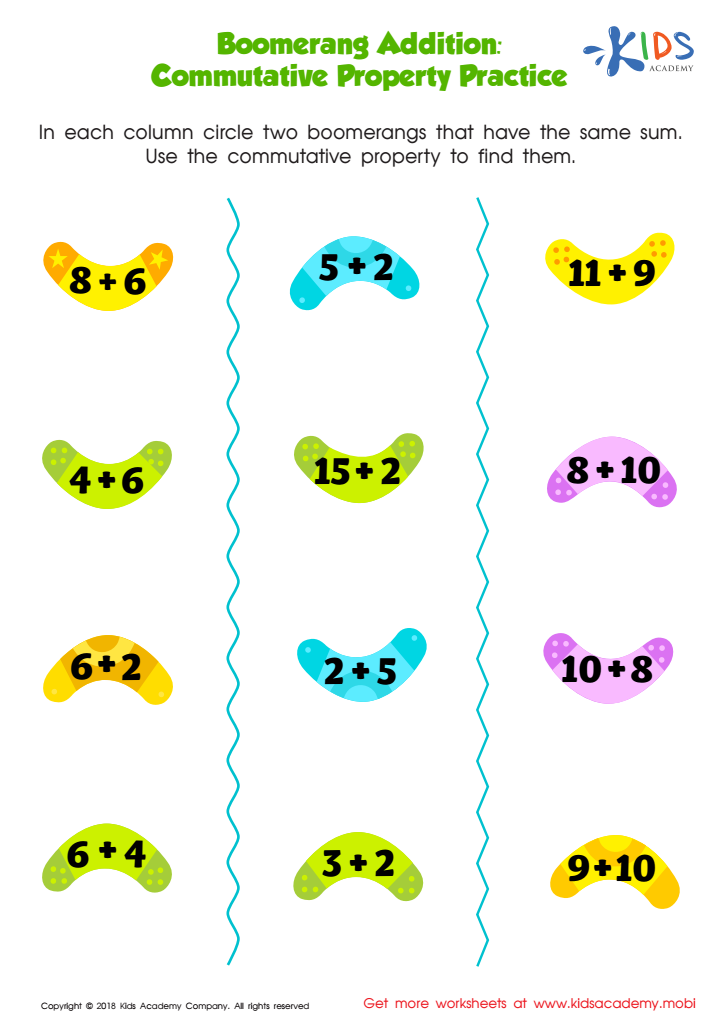
Boomerang Addition Worksheet
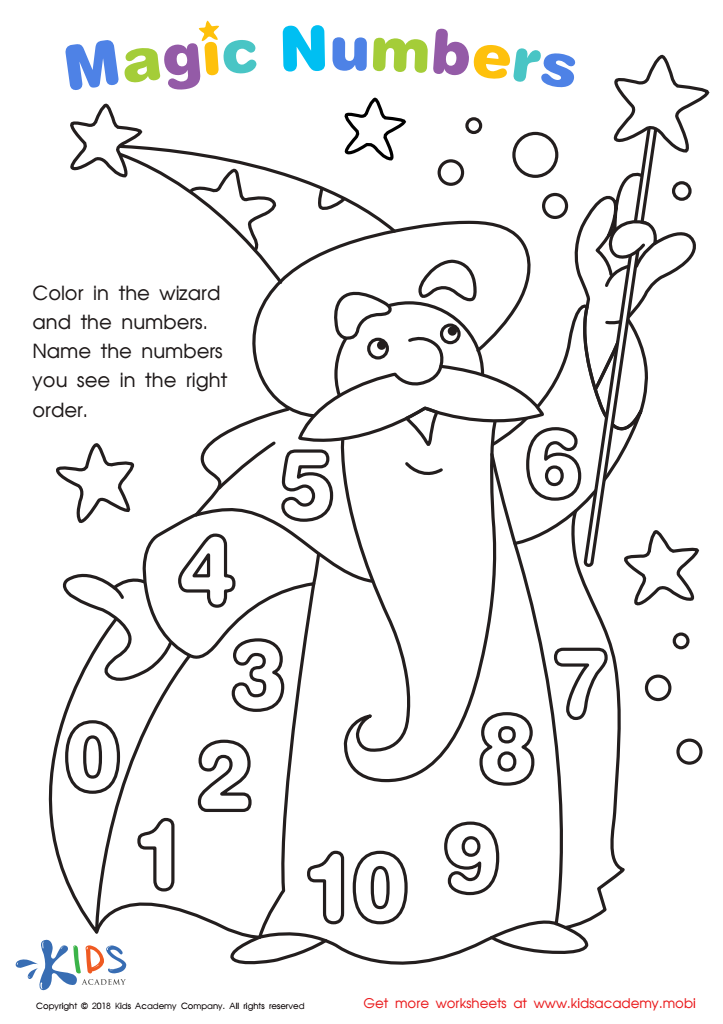
Magic Numbers Worksheet
 Assign to My Students
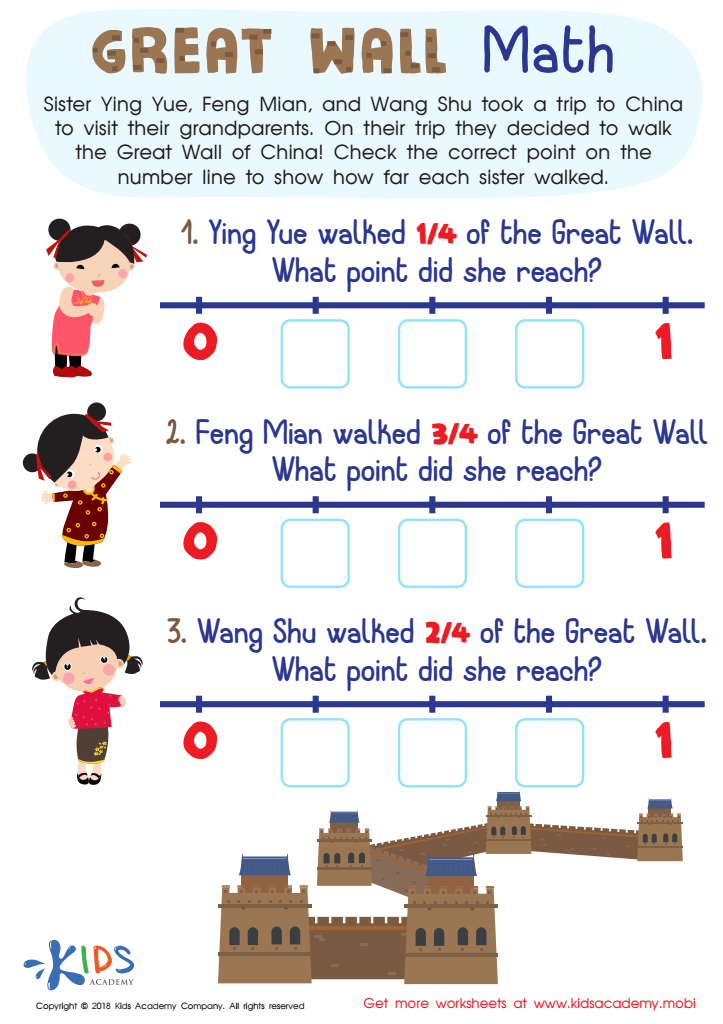
Great Wall Math Worksheet







Understanding patterns in numbers is crucial for both parents and teachers as it lays the foundation for essential mathematical concepts. Recognizing patterns helps children develop critical thinking and problem-solving skills, which are vital not just in math but across various subjects and real-life situations. When students grasp patterns, they become more adept at predicting outcomes, making connections between different mathematical ideas, and tackling complex problems with confidence.
Patterns enhance children's ability to comprehend sequences, which is fundamental in early math concepts such as counting, addition, and subtraction. Teachers can use this knowledge to create engaging lessons that spark students' curiosity and enthusiasm for math, while parents can reinforce these ideas at home, promoting a collaborative learning environment.
Additionally, a strong understanding of numerical patterns contributes to achieving higher levels of mathematical competence later on. For example, it sets the stage for more advanced concepts like algebra, where recognizing patterns is indispensable. By emphasizing the importance of numerical patterns, educators and parents can cultivate a generation of confident, capable learners who appreciate the beauty and utility of mathematics in everyday life. This commitment ultimately equips children with the tools needed for academic success and lifelong problem-solving abilities.








