Analytical thinking Math Worksheets
5 filtered results
-
From - To
Enhance your child's problem-solving abilities with our Analytical Thinking Math Worksheets! Designed for young learners, these engaging worksheets encourage critical thinking and logical reasoning through fun math challenges. With a variety of carefully crafted exercises, your child will explore concepts such as pattern recognition, sequencing, and spatial reasoning. These worksheets not only reinforce math skills but also develop essential analytical abilities that are crucial for academic success. Perfect for both classroom and home use, our materials cater to different learning levels, ensuring every child can build confidence and enjoy learning. Start your child's journey towards analytical mastery today!

The 5 Sense Scientist Worksheet
 Assign to My Students
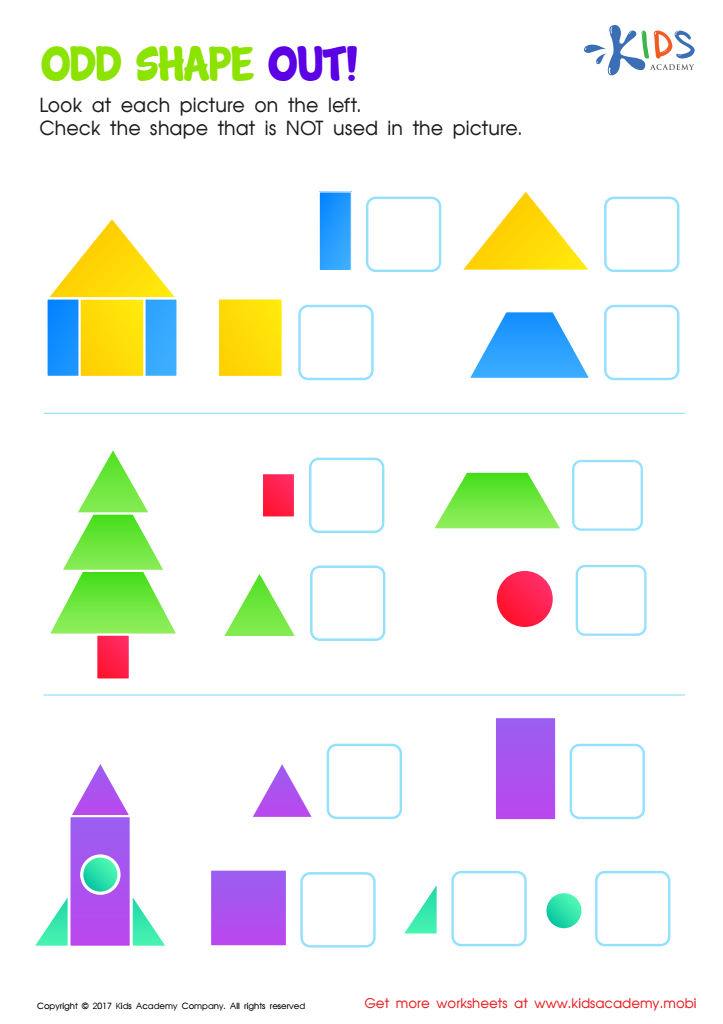
Odd Shape Out Worksheet for Grade 1

Logic Game Sorting Worksheet

After School Time Printable
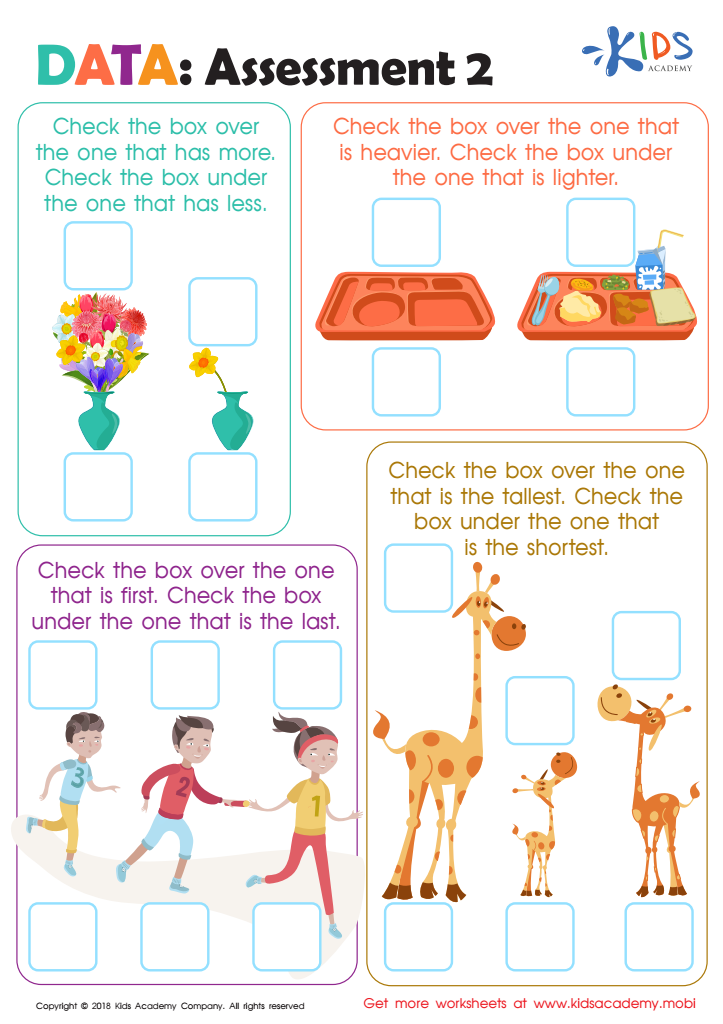
Data: Assessment 2 Worksheet



.jpg)




Parents and teachers should prioritize analytical thinking in math education because it builds critical skills necessary for success in both academic and real-world situations. Analytical thinking involves the ability to break down complex problems into manageable parts, understand relationships, and derive logical solutions. This skill fosters a deeper understanding of mathematical concepts, moving beyond rote memorization to encourage problem-solving and reasoning.
As today's world becomes increasingly data-driven, possessing strong analytical skills is crucial. Students equipped with these skills are better prepared for careers in science, technology, engineering, and mathematics (STEM), which are essential for future job markets. Moreover, analytical thinking promotes resilience, as students learn to tackle challenges, make decisions based on evidence, and evaluate their work critically—traits that are valuable in any profession.
Additionally, fostering analytical thinking in math helps students gain confidence in their abilities, encouraging a growth mindset. This positivity in learning not only enhances their performance but also inspires a lifelong love for learning and exploration.
In summary, analytical thinking in math is an essential skill that cultivates problem-solving abilities, enhances career readiness, and promotes resilience and confidence in learners, making it vital for parents and teachers to emphasize in education.








