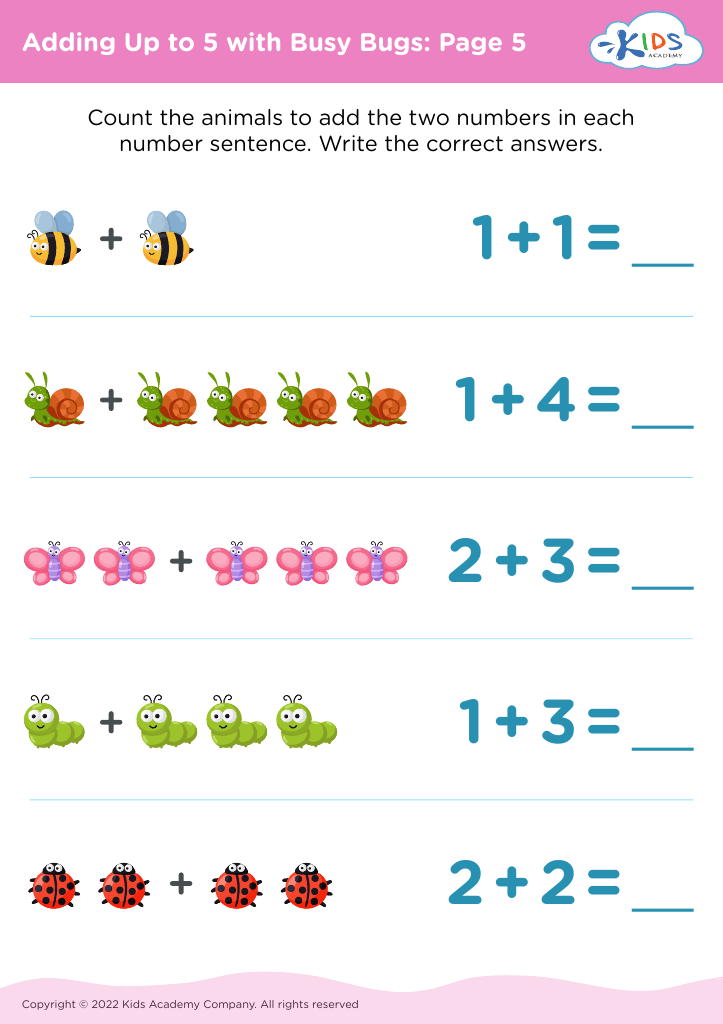
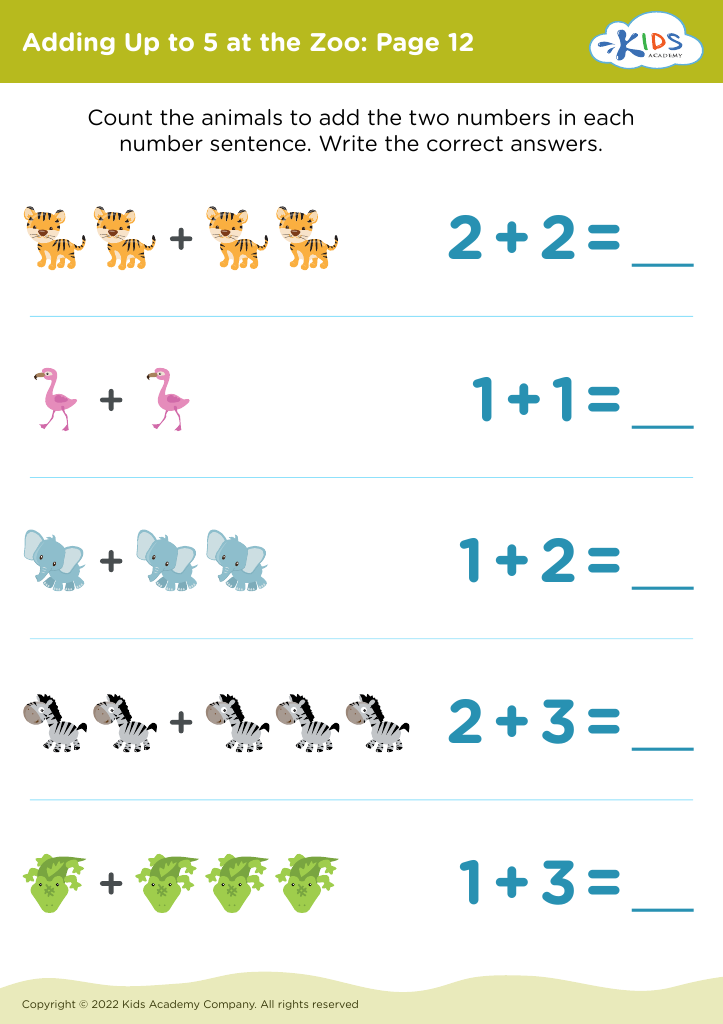
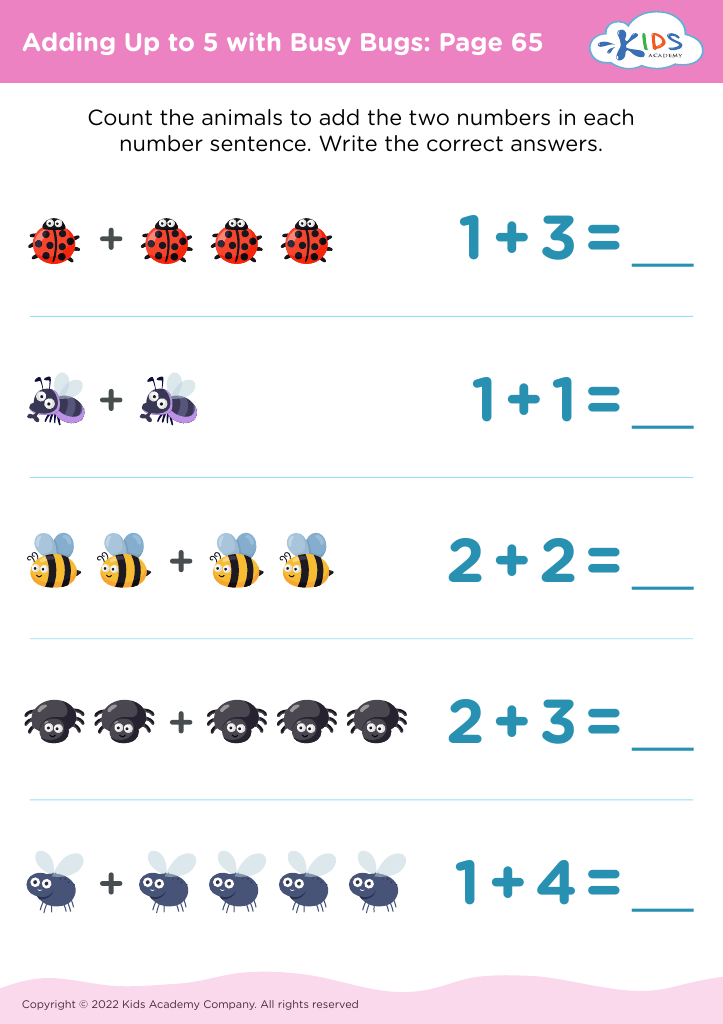
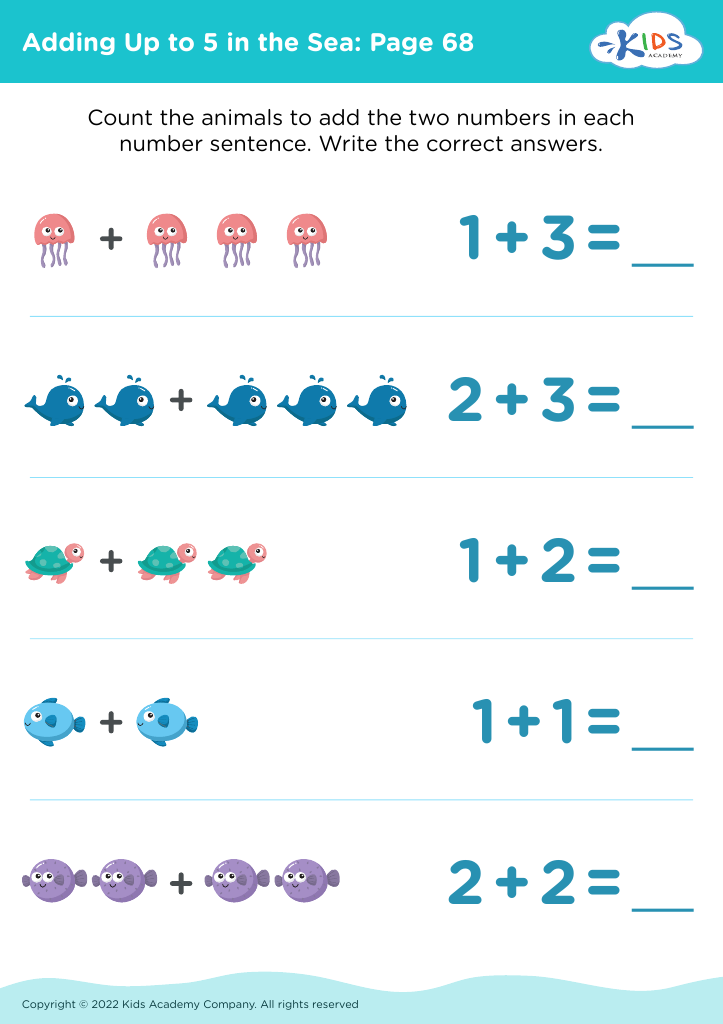




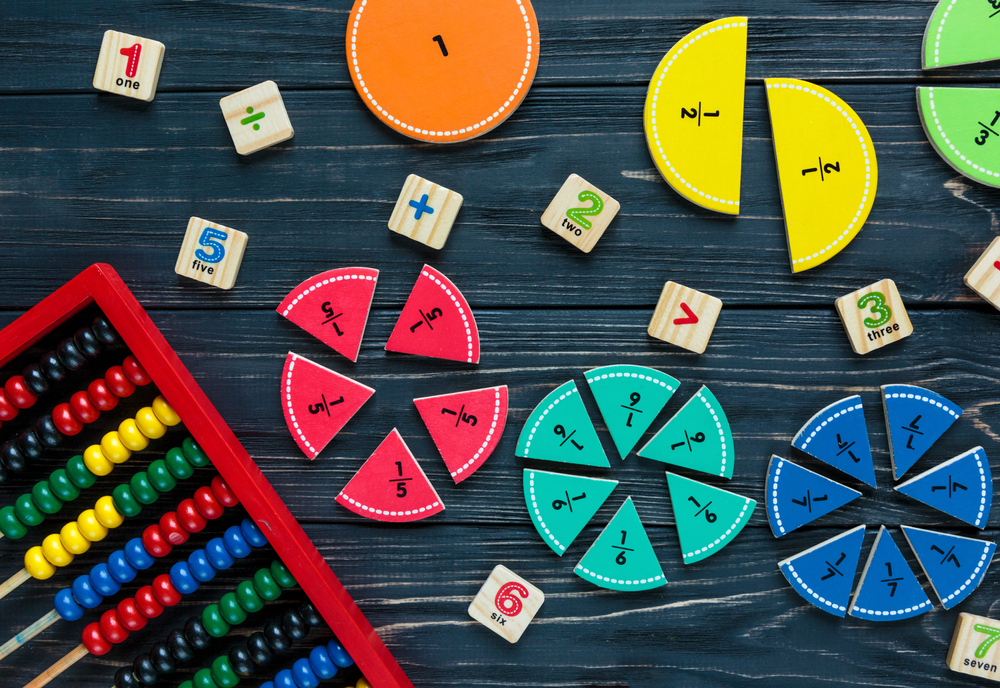



Basic arithmetic forms the foundation of all mathematical learning and is essential for everyday life. Parents and teachers should care about teaching basic arithmetic because it equips children with critical skills necessary for understanding not just math, but many real-world applications. Simple operations like addition, subtraction, multiplication, and division enhance logical reasoning and problem-solving skills, aiding children in making sense of their surroundings.
Furthermore, a solid grasp of basic math fosters confidence in children. When children can perform arithmetic effortlessly, they are more likely to participate actively in class and tackle more complex mathematical concepts later on. This confidence translates not only into math skills but also builds a positive attitude towards learning overall.
Moreover, early exposure to arithmetic improves cognitive development, as it encourages children to think analytically and develop persistence when faced with challenges. Parental involvement in math learning is crucial; it reinforces lessons taught in the classroom and promotes a positive learning environment at home. This collaborative approach establishes a strong mathematical foundation, ultimately influencing their academic performance and future opportunities. Therefore, investing time and effort in teaching basic arithmetic can have profound, long-lasting impacts on a child’s education and personal growth.








