Classification skills Math Worksheets
4 filtered results
-
From - To
Boost your child's mathematical prowess with our Classification Skills Math Worksheets from Kids Academy. This essential collection helps young learners develop critical thinking and problem-solving abilities through fun sorting and categorizing activities. These age-appropriate worksheets are designed to build foundational skills in identifying patterns, recognizing attributes, and grouping objects based on shared characteristics. Perfect for early graders, our engaging exercises ensure a solid understanding of classification concepts, aiding in cognitive development and setting the stage for future math success. Enhance your child's learning experience today with Kids Academy’s expertly crafted classification worksheets.
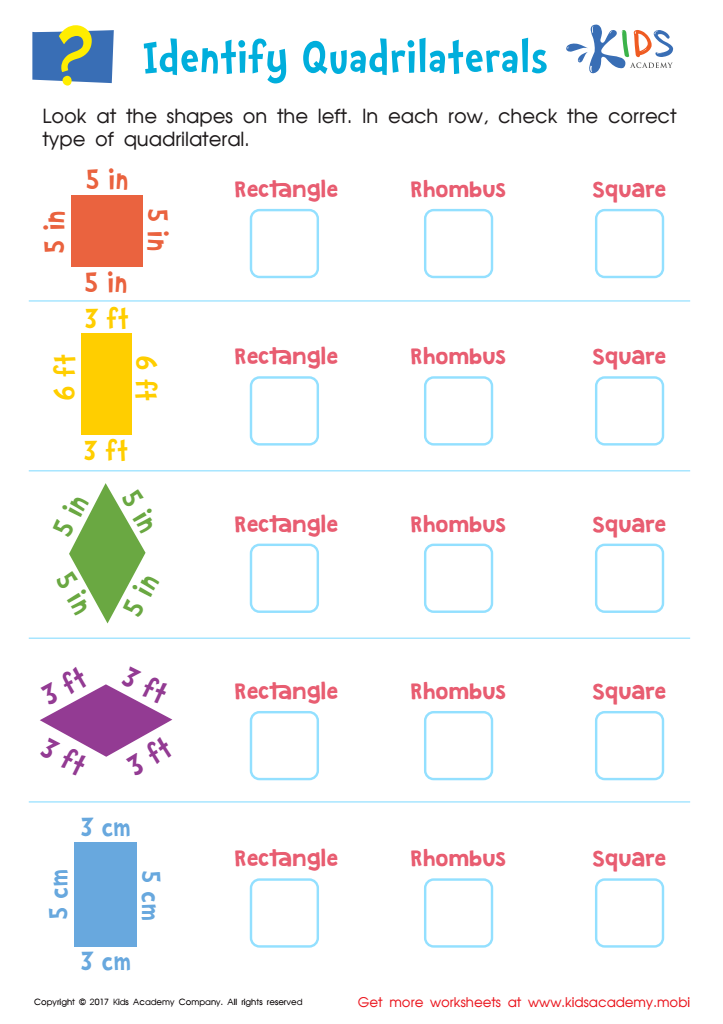
Identify Quadrilaterals Worksheet
 Assign to My Students
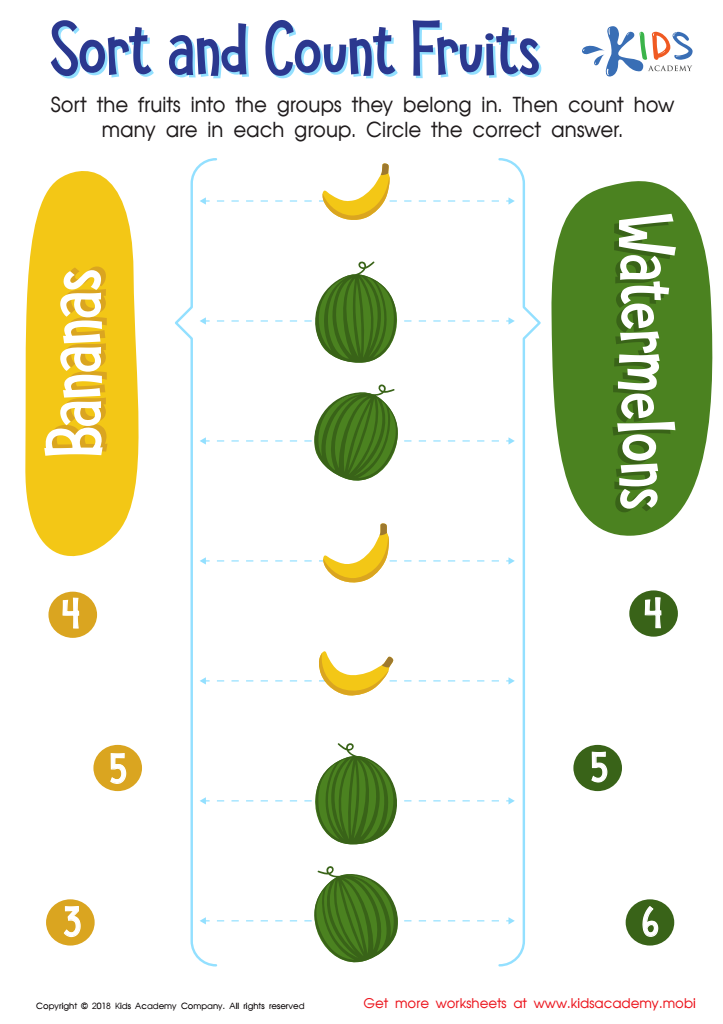
Sort and Count Fruits Worksheet
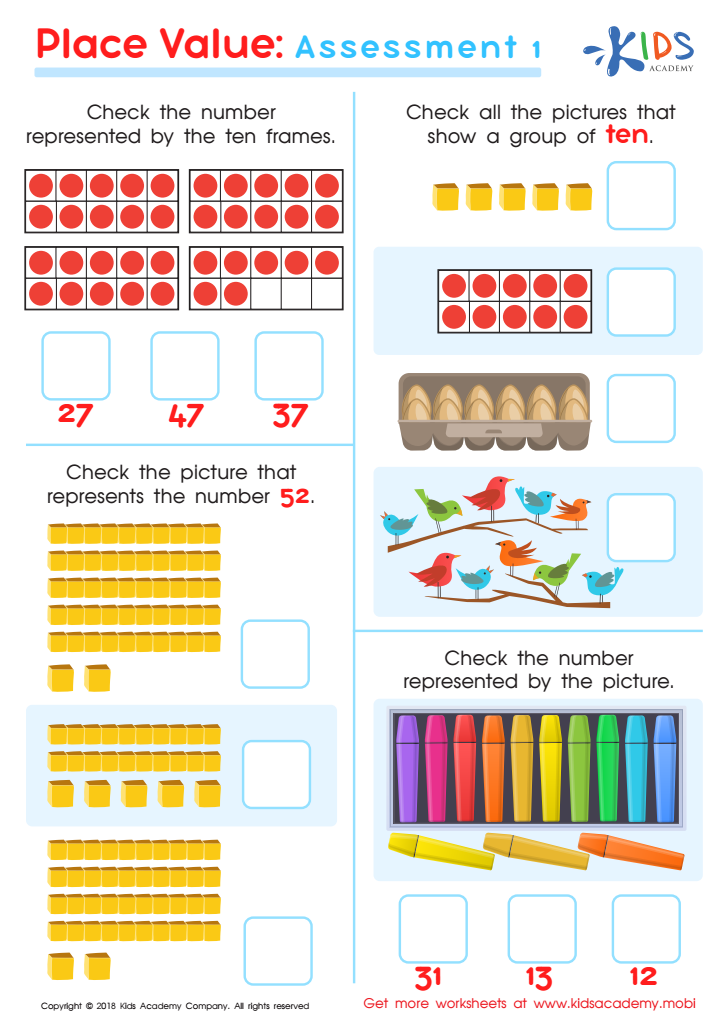
Place Value: Assessment 1 Worksheet
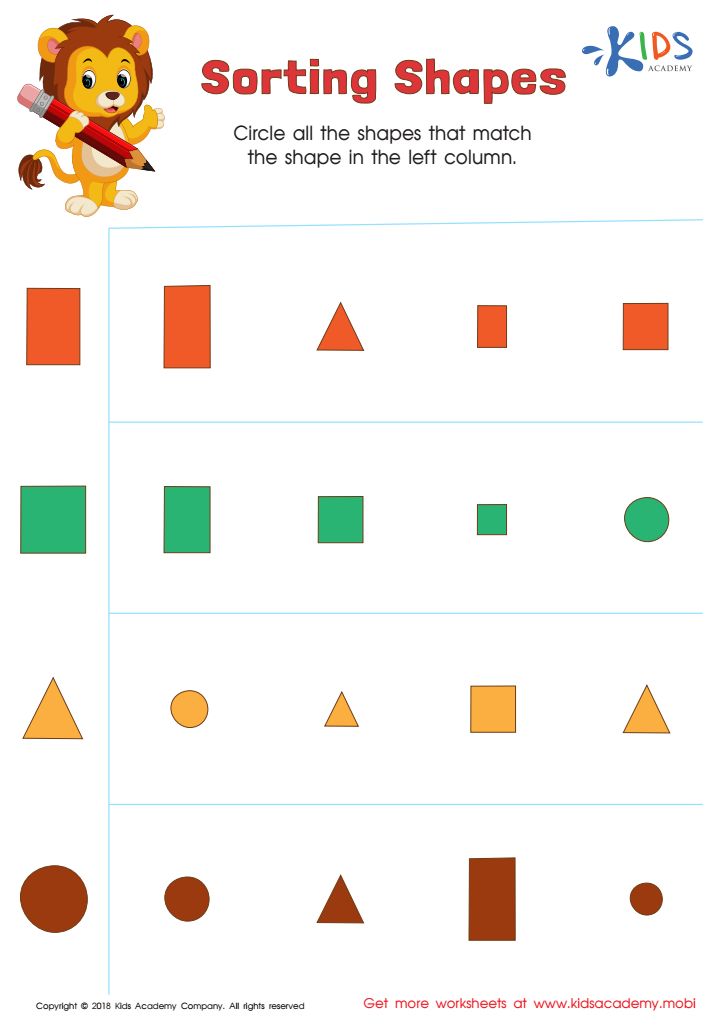
Sorting Shapes - Part 2 Worksheet



.jpg)




Classification skills in math are foundational and essential for both academic and everyday life. Parents and teachers play a critical role in fostering these abilities in children from an early age. Classification involves sorting and grouping objects based on shared characteristics, a key cognitive skill that supports problem-solving, logical reasoning, and pattern recognition.
For young learners, classification helps build a solid math foundation by enabling them to identify relationships and differences among objects, which is crucial for understanding more complex mathematical concepts. When children practice sorting by shape, color, size, or other attributes, they develop their ability to process and organize information, skills that transcend into other areas such as science, reading, and social studies.
Moreover, classification skills enhance critical thinking and decision-making. For example, knowing how to classify helps children approach tasks systematically and efficiently. These skills are applicable outside school too, like organizing toys, grouping similar foods, or even understanding social dynamics by categorizing behaviors and emotions.
Investing time in nurturing classification skills thus prepares children for future academic endeavors and practical life situations, fostering well-rounded cognitive development. Both parents and teachers should prioritize activities and games that promote these skills, making learning engaging and impactful.








